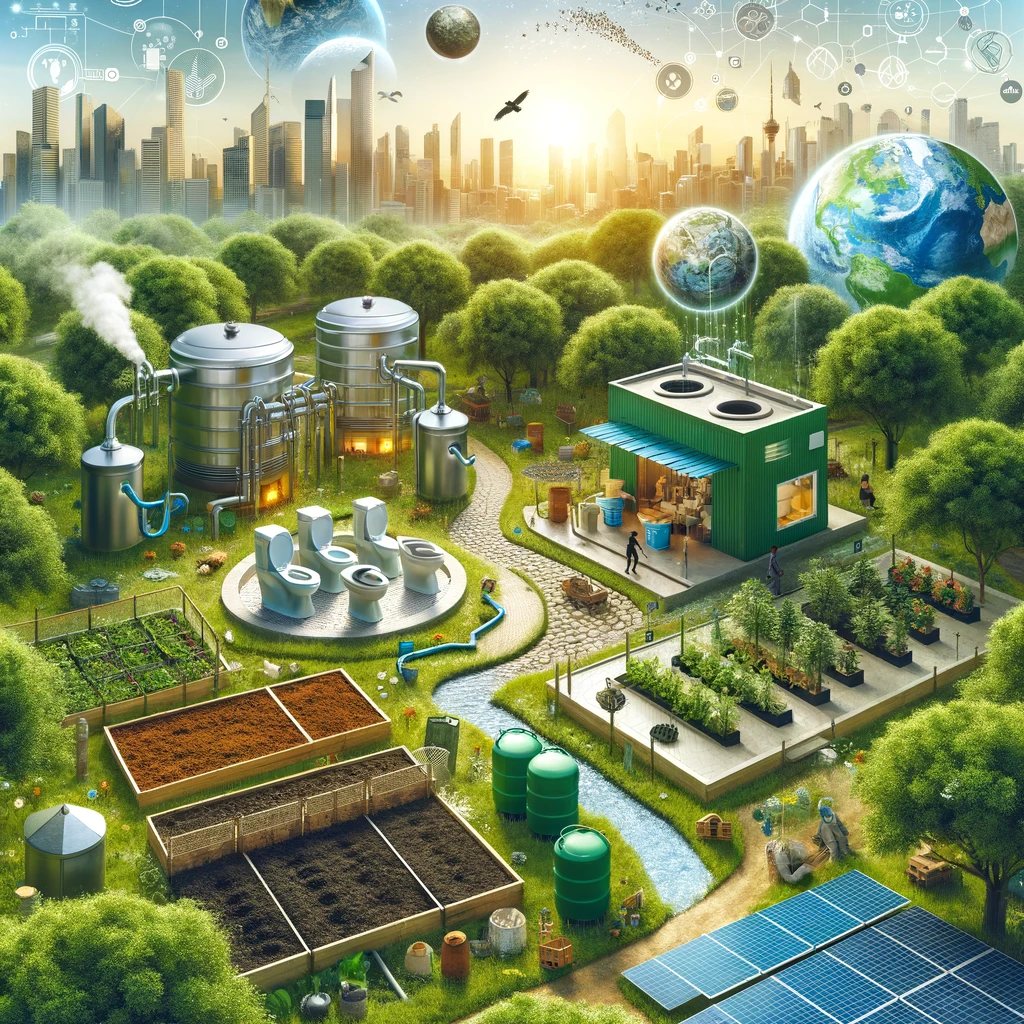
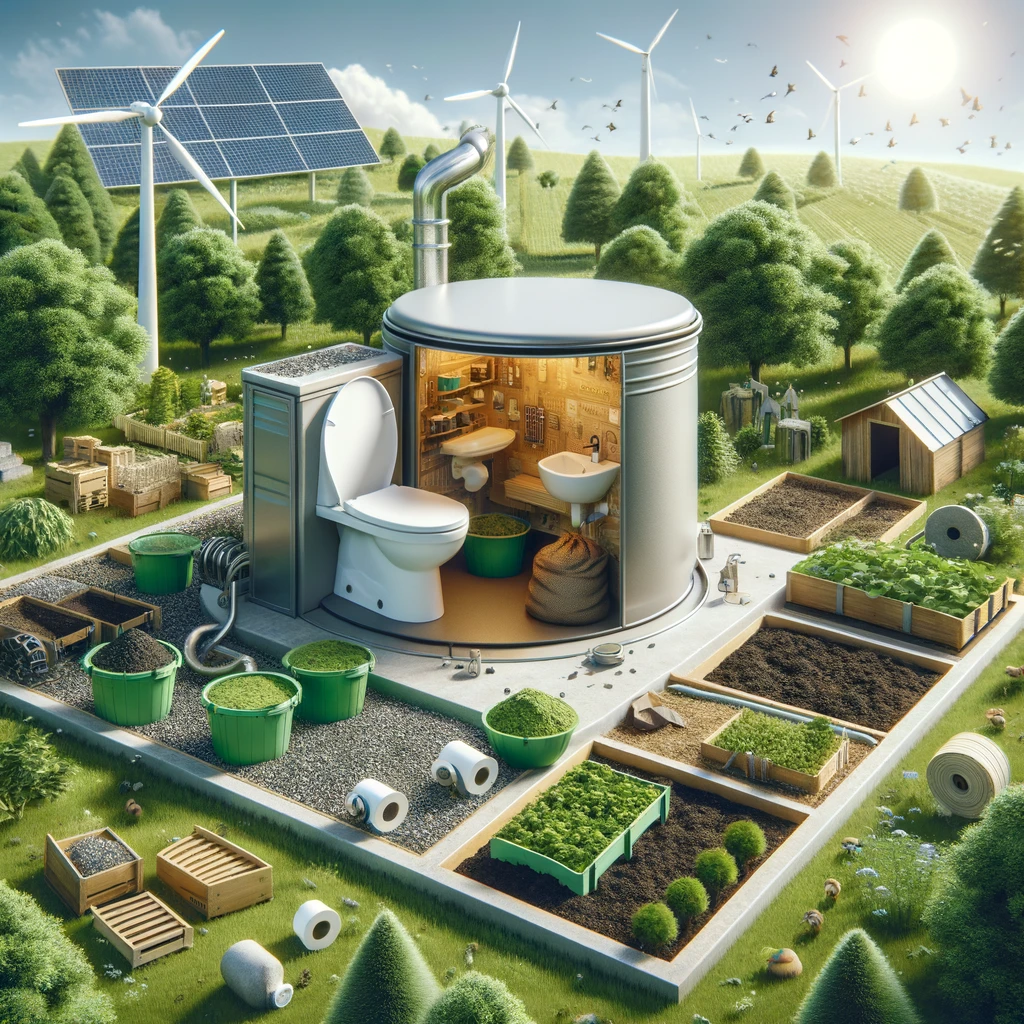
Ecological sanitation (EcoSan) represents an innovative approach to wastewater management. Unlike conventional methods that often focus on treating human waste as a contaminant, EcoSan views it as a valuable resource that can be safely recycled and reused. As the world faces increasing water scarcity and soil degradation, the role of EcoSan in sustainable development becomes even more critical. Among the various technological advancements in this field, microbial electrochemical cells (MECs) are emerging as a groundbreaking solution. These cells leverage the metabolic processes of microorganisms to generate electrical energy while simultaneously treating wastewater.
Understanding the dynamics of MECs within the EcoSan framework requires an appreciation for their underlying mechanisms and potential benefits. For instance, traditional wastewater treatment systems typically rely on energy-intensive processes that contribute to greenhouse gas emissions. In contrast, MECs offer a more sustainable and energy-efficient alternative. They have the ability to convert organic waste directly into electricity, biogas, and other valuable resources. Furthermore, their integration into EcoSan systems can enhance nutrient recovery and reduce the environmental footprint of waste management.
This article aims to delve into the specifics of how microbial electrochemical cells can be harnessed within EcoSan technologies. We will explore their operational principles, technological advancements, and the potential they hold for revolutionizing sanitation practices. By the end, readers will gain a comprehensive understanding of the multifaceted benefits offered by MECs and the promising future they present for ecological sanitation.
Operational Principles of Microbial Electrochemical Cells
At the core of microbial electrochemical cells is the fascinating interplay between microorganisms and electrical currents. Essentially, MECs contain an anode and a cathode separated by a conductive solution, often derived from wastewater. Microorganisms, which naturally occur in these environments, adhere to the anode. As these microbes consume organic substances from the wastewater, they release electrons and protons as metabolic byproducts.
The electrons flow through an external circuit from the anode to the cathode, generating an electric current. Meanwhile, the protons move across the solution towards the cathode, where they combine with electrons and external electron acceptors, such as oxygen, to form water. This coupling of biochemical and electrochemical processes allows MECs to simultaneously produce electricity and treat wastewater.
Different types of microbial electrochemical cells have been developed based on this core principle. Microbial Fuel Cells (MFCs) and Microbial Electrolysis Cells (MECs) are two primary examples. MFCs operate under aerobic conditions and are directly capable of generating electricity. On the other hand, MECs usually function in anaerobic environments to produce hydrogen gas or methane. These variations allow for tailored approaches in different ecological sanitation contexts, catering to specific energy production and waste treatment needs.
Technological Advances in MECs
The evolution of microbial electrochemical cells has been marked by significant technological advancements aimed at improving their efficiency and scalability. Recent innovations include the development of advanced electrode materials that enhance microbial adhesion and electron transfer. Graphene-based materials, for instance, have shown considerable promise due to their high conductivity and surface area, which facilitate superior microbial activity.
Additionally, innovations in reactor design have played a crucial role in optimizing MEC performance. Modular reactor configurations that allow for continuous flow and treatment of larger volumes of wastewater have resolved some of the scalability challenges previously faced by these systems. Such designs also enable more effective integration with existing wastewater treatment infrastructure, thereby broadening the applicability of MECs.
Other noteworthy advancements pertain to the biological aspect of MECs. Through genetic engineering and the selection of highly efficient microbial communities, researchers have been able to enhance the metabolic capabilities of the microorganisms involved. This genetic optimization allows for more robust waste degradation and higher electricity yields. These technological strides collectively contribute to realizing the full potential of MECs in EcoSan systems.
Benefits of Integrating MECs in EcoSan Systems
Integrating microbial electrochemical cells into EcoSan systems offers an array of environmental, economic, and social benefits. From an environmental perspective, MECs contribute to substantial reductions in greenhouse gas emissions compared to conventional wastewater treatment processes. The generation of renewable energy, either in the form of electricity or biofuels, further adds to their sustainability credentials.
Economically, implementing MEC-based systems can lead to significant cost savings. Traditional wastewater treatment methods are often energy-intensive and expensive to operate. In contrast, MECs can offset energy costs by producing electricity that can be fed back into the grid or utilized on-site. Additionally, the potential to recover valuable by-products, such as biogas and fertilizers, can create additional revenue streams and economic incentives for adopting EcoSan technologies.
From a social standpoint, advancing sanitation technologies like MECs can markedly improve public health outcomes. Effective wastewater treatment reduces the prevalence of waterborne diseases and improves overall community health and hygiene. Furthermore, the resource recovery aspect of MECs aligns with the principles of circular economy, promoting community resilience and sustainability.
Challenges and Considerations
Despite the promising benefits, integrating microbial electrochemical cells into EcoSan systems is not without challenges. One of the primary issues is the optimization of reactor conditions to maintain high microbial activity and consistent energy production. Factors such as pH, temperature, and nutrient availability need to be meticulously managed, which can complicate system design and operation.
Another challenge is the economic feasibility of scaling up MEC technology for widespread use. While the potential for cost savings exists, initial capital investment and ongoing maintenance costs must be considered. Large-scale implementation may require financial incentives or subsidies to become viable.
Additionally, there is a need for greater awareness and education about the benefits and functioning of MECs within the EcoSan community and beyond. Stakeholders, including policymakers, engineers, and the public, must be informed about the advantages and limitations of these systems to foster acceptance and adoption.
Future Prospects and Innovations
Looking ahead, the future prospects for microbial electrochemical cells in EcoSan systems appear bright, driven by ongoing research and innovation. One exciting area of development is the integration of artificial intelligence and machine learning to optimize reactor operation. Smart sensors and predictive algorithms can be employed to monitor and adjust reactor conditions in real-time, ensuring maximum efficiency and output.
Another promising avenue is the exploration of hybrid systems that combine MECs with other renewable energy technologies, such as solar panels or wind turbines. These hybrid systems can enhance energy resilience and provide continuous power supply, making them particularly suitable for off-grid and rural communities.
Additionally, advancements in synthetic biology hold the potential to further revolutionize MECs. By engineering microorganisms with specific metabolic traits, researchers can tailor microbial communities for specific waste treatment and energy production goals. Such precision could lead to higher efficiencies and broader applicability of MECs.
Conclusion
In conclusion, microbial electrochemical cells represent a transformative technology within the field of ecological sanitation. Their ability to generate renewable energy while treating wastewater addresses some of the most pressing environmental and public health challenges of our time. Through technological advancements and continued research, MECs have the potential to play a pivotal role in sustainable sanitation strategies.
By harnessing the metabolic processes of microorganisms, MECs offer an energy-efficient and environmentally friendly alternative to traditional wastewater treatment systems. The continuous evolution of electrode materials, reactor designs, and microbial engineering further optimizes their performance and scalability.
Despite the challenges, the integration of MECs in EcoSan systems provides substantial environmental, economic, and social benefits. As awareness and education about these technologies grow, so too will their adoption and implementation. The future of EcoSan is bright, and microbial electrochemical cells are poised to be at the forefront of this green revolution.
Through innovative thinking and collaborative efforts, we can unlock the full potential of MECs and pave the way for a more sustainable and resilient future. The journey towards advanced ecological sanitation is just beginning, and microbial electrochemical cells have a crucial role to play in this exciting frontier.