Skip to content

  • Ecological Sanitation
  • EcoSan Principles and Concepts
  • Technologies and Methods
  • Implementation Strategies
  • Global Challenges and Opportunities
  • Health and Safety
  • Economic Aspects
  • Toggle search form

Ecological Sanitation

Addressing Climate Change through Sustainable Sanitation

Climate change is one of the most challenging issues of our century, and it’s exacerbated by rising population numbers and the ongoing strain on natural

Read More »

Social Entrepreneurship in EcoSan – Opportunities & Challenges

Ecological sanitation (EcoSan) represents a transformative leap forward in managing human excreta, ensuring the closure of nutrient loops, and safeguarding both human health and environmental

Read More »

Building Capacity for Maintaining EcoSan Systems

Welcome to our comprehensive guide on building capacity for the maintenance and operation of Ecological Sanitation (EcoSan) systems. EcoSan represents a significant step forward in

Read More »

Advancing EcoSan with Technology: A Path to Sustainability

Ecological sanitation, or EcoSan, represents an innovative approach to managing human waste while conserving resources and protecting the environment. In essence, EcoSan involves the sustainable

Read More »

Overcoming Financial Constraints in EcoSan Projects

Ecological sanitation (EcoSan) represents a paradigm shift from conventional sanitation systems towards more sustainable and environmentally friendly models. Traditional sanitation practices often lead to environmental

Read More »

EcoSan in Healthcare: Implementation and Benefits

Ecological Sanitation (EcoSan) is a waste management system designed to minimize human impact on the environment, focusing especially on transforming waste into valuable resources. With

Read More »

Engaging Local Governments in EcoSan Initiatives

Ecological sanitation (EcoSan) is an approach that centers on innovative ways to treat and manage human waste, aiming to mitigate its environmental impact. EcoSan strategies

Read More »

The Role of Education in Driving EcoSan Adoption

Ecological Sanitation (EcoSan) is a waste management paradigm that integrates ecological principles into the sustainable design and operation of sanitation systems. Unlike traditional sanitation systems

Read More »

Quality Assurance and Standards in EcoSan Implementation

Ecological sanitation (EcoSan) offers an innovative approach to sanitation that aims to manage human waste in a way that harnesses its resource value. Unlike conventional

Read More »

Waste to Resource – Innovative Models in EcoSan

As global populations rise and urbanization accelerates, traditional sanitation methods are increasingly strained. Ecological Sanitation (EcoSan) emerges as an innovative solution to address these challenges

Read More »

Integrating Traditional Practices in Modern EcoSan Solutions

The challenges of sanitation in today’s world are multifaceted, especially with the growing emphasis on sustainability. Modern ecological sanitation (EcoSan) solutions aim to address these

Read More »

Gender Mainstreaming in EcoSan Project Implementation

In the pursuit of sustainable development, ecological sanitation (EcoSan) has emerged as a pivotal approach to waste management. EcoSan focuses on efficiently recycling human waste

Read More »

EcoSan Solutions for Refugee Camps and Temporary Settlements

Ecological sanitation (EcoSan) is an innovative approach to managing human waste by transforming it into a valuable resource, rather than treating it as mere waste.

Read More »

Effective Communication Strategies for EcoSan Promotion

Ecological sanitation (EcoSan) represents a sustainable approach to managing human excreta by safely processing it for reuse as fertilizer in agriculture, thus promoting environmental health

Read More »

Ecological Sanitation: Technology Transfer and Adaptation

Ecological Sanitation (EcoSan) represents a groundbreaking approach to wastewater management that prioritizes environmental sustainability and resource recovery. Unlike traditional sanitation systems that treat wastewater as

Read More »

Frequently Asked Questions About Ecological Sanitation

Ecological Sanitation

Ecological Sanitation, often abbreviated as EcoSan, is a revolutionary approach to sanitation that flips the script on human waste. Instead of treating it as a waste product to be disposed of, EcoSan sees it as a valuable resource. This approach focuses on safely collecting, treating, and reusing human excreta (feces and urine) to benefit agriculture and minimize environmental impact. EcoSan offers a range of technologies, from simple dry toilets to more complex systems, all aiming to “close the loop” by returning nutrients to the soil while protecting water resources.

Why is EcoSan beneficial?

Traditional sanitation systems often rely heavily on water for flushing and treatment, leading to high water consumption and potential contamination of water sources. EcoSan offers several advantages:

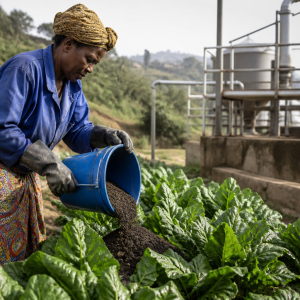
  • Resource Recovery: EcoSan treats human waste as a resource, recycling valuable nutrients like nitrogen and phosphorus back into the soil, promoting healthy plant growth and reducing reliance on chemical fertilizers.
  • Water Conservation: EcoSan systems often use less water compared to conventional methods, which is crucial in water-scarce regions.
  • Environmental Protection: EcoSan minimizes water pollution by reducing the amount of untreated wastewater released into the environment.
  • Economic Benefits: EcoSan systems can be more affordable to implement and maintain in some regions, particularly for communities without access to centralized sewage systems.
How does EcoSan work?

There are various EcoSan technologies available, but a key principle is separating urine and feces at the source. This allows for targeted treatment:

  • Urine: Urine is relatively sterile and rich in nitrogen. It can be diluted and used directly as fertilizer or further treated for reuse.
  • Feces: Feces require more extensive treatment to kill pathogens. Composting toilets or special containers can be used, with the treated product becoming a safe and valuable soil amendment.
What are some examples of EcoSan technologies?

EcoSan offers a range of technologies suitable for different contexts. Here are a few examples:

  • Urine-Diverting Dry Toilets (UDDTs): These toilets separate urine and feces, allowing for safe and hygienic waste collection.
  • Composting Toilets: These toilets use a bulking agent like sawdust or wood chips to break down feces aerobically, creating a safe and fertile compost.
  • Wet Systems: Some EcoSan systems use small amounts of water to transport waste to treatment facilities where it undergoes further processing for safe reuse.
Is EcoSan safe and hygienic?

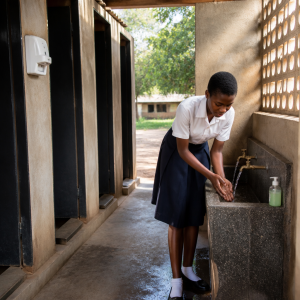
When properly designed, implemented, and maintained, EcoSan systems can be safe and hygienic. The key lies in proper treatment of waste to ensure pathogen destruction before reuse. EcoSan promotes good hygiene practices like hand washing after toilet use, further contributing to public health.

Is EcoSan suitable for all regions?

EcoSan offers a variety of adaptable technologies, making it suitable for a wide range of regions. However, certain factors influence its effectiveness:

  • Climate: Dry climates favor composting toilets where evaporation plays a role in decomposition. In wetter areas, additional treatment steps might be needed for feces.
  • Water Availability: While EcoSan conserves water, some systems require minimal water for flushing or processing. Understanding local water resources is crucial.
  • Social Acceptance: Adapting to new sanitation practices might require community education and cultural sensitivity.
How much does EcoSan cost?

Costs for EcoSan systems vary depending on the chosen technology, materials, and construction complexity. Generally, simpler dry toilets can be more affordable compared to traditional water-based systems. However, long-term maintenance and user training might be necessary with some EcoSan approaches.

Who can benefit from EcoSan?

EcoSan offers advantages for various communities:

  • Rural Areas: For regions lacking centralized sewage systems or facing water scarcity, EcoSan provides a sustainable and affordable solution.
  • Urban Slums: Densely populated areas with limited sanitation infrastructure can benefit from EcoSan’s water-saving features and resource recovery potential.
  • Disaster Relief: EcoSan systems can be easier and quicker to implement in emergency situations due to their lower water dependence.
What are the challenges associated with EcoSan?

Despite its benefits, EcoSan faces some challenges:

  • Initial Investment: Initial setup costs for certain EcoSan technologies might be higher than traditional systems in some situations.
  • Operation and Maintenance: Some EcoSan systems require user training and ongoing maintenance to ensure proper functioning and hygiene.
  • Public Perception: Shifting attitudes towards human waste as a resource might require community outreach and education.
Where can I learn more about EcoSan?

There are numerous resources available to learn more about EcoSan:

  • The Stockholm Environment Institute (SEI): https://www.sei.org/
  • World Health Organization (WHO): https://www.who.int/teams/environment-climate-change-and-health/water-sanitation-and-health/sanitation-safety/guidelines-on-sanitation-and-health
  • Sustainable Sanitation Alliance (SuSanA): https://www.susana.org/en/knowledge-hub/

These organizations provide valuable information on EcoSan technologies, case studies, and best practices.

  • Case Studies and Success Stories
  • Community Engagement and Education
  • Economic Aspects
  • EcoSan Principles and Concepts
  • Environmental Impact
  • Global Challenges and Opportunities
  • Health and Safety
  • Implementation Strategies
  • Policy and Governance
  • Resource Management
  • Technological Innovations and Research
  • Technologies and Methods
  • Ecological Sanitation
  • Privacy Policy

Copyright © 2024. TheWaterPage.com.

Powered by PressBook Grid Blogs theme