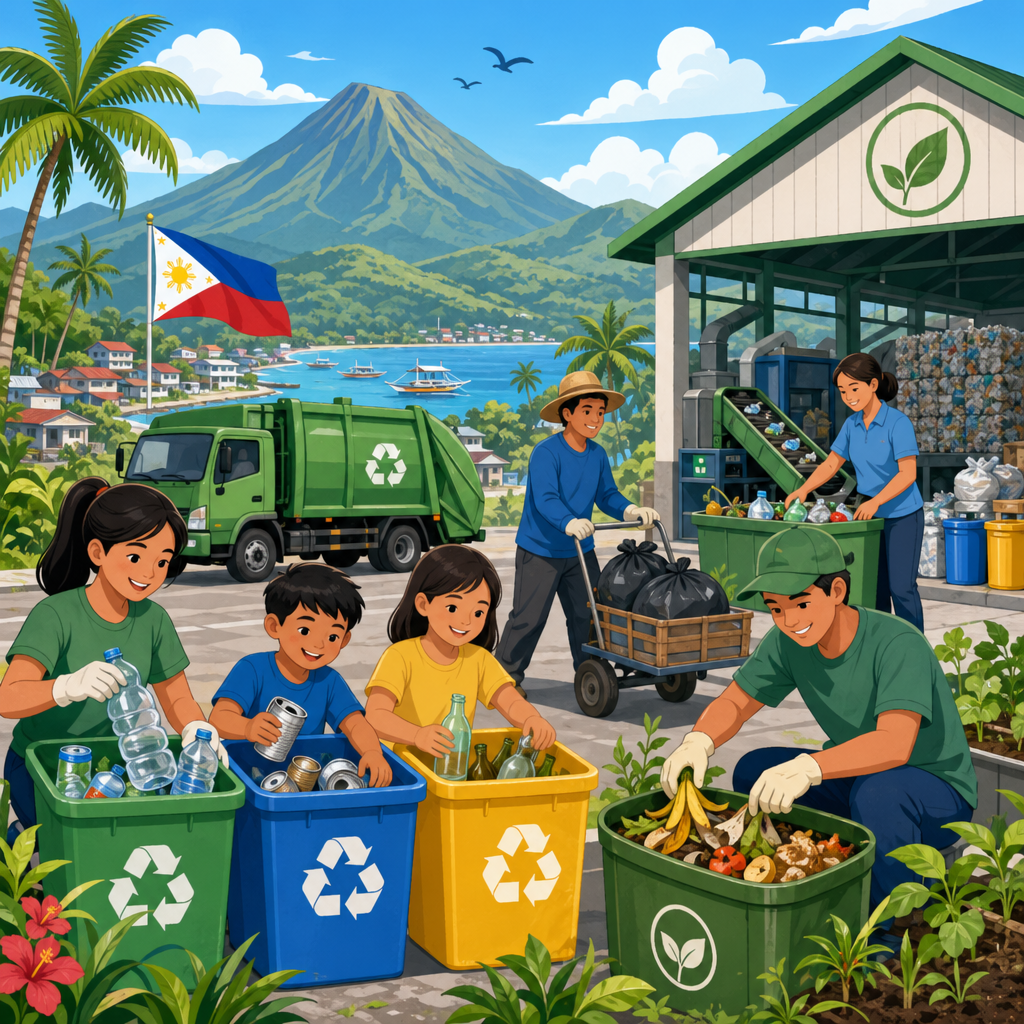
Rapid urbanization presents daunting challenges, especially regarding sanitation and waste management. As cities expand, traditional wastewater systems struggle to keep pace with population growth, resulting in inadequate sanitation facilities and potential health risks. Urban and peri-urban areas, often characterized by dense human settlements and inadequate infrastructure, are the most affected. Sustainable sanitation solutions, such as Ecological Sanitation (EcoSan), are emerging as viable options to address these challenges. EcoSan focuses on the recycling of human waste into fertile soil enhancers, transforming a waste management challenge into a nutrient resource opportunity. Embracing this approach requires understanding its fundamentals, implementation methods, and its profound potential in bridging the sanitation gap. This article aims to explore EcoSan’s role in urban and peri-urban settings, highlighting its benefits, mechanisms, challenges, and the transformative impact it offers in achieving sustainable urban development.
The growing interest in EcoSan arises from its ability to align with sustainability principles. Traditional sanitation approaches often rely heavily on water, leading to significant wastage and pollution. In contrast, EcoSan systems are designed to efficiently manage human waste, reduce water consumption, and mitigate environmental pollution. These systems prioritize closing the loop rather than the linear disposal of waste. By composting human excreta, EcoSan turns waste into a valuable resource, promoting nutrient cycling and soil fertility. This shift in perspective presents exciting opportunities to address urban sanitation challenges holistically, tackling not just waste disposal but also soil degradation and agricultural productivity. As urban planners and policymakers grapple with the complexities of rapid urban expansion, understanding EcoSan’s role becomes crucial in crafting sustainable and resilient urban frameworks.
Moreover, EcoSan initiatives present an opportunity to foster community engagement and empowerment. By involving local populations in the development and maintenance of EcoSan systems, there is potential for increased awareness and education on sanitation practices. Communities are more likely to embrace and sustain EcoSan solutions that directly benefit them. The resultant decentralized sanitation systems can enhance local capacity, resilience, and autonomy, reducing reliance on overstretched municipal services. This inclusion of community-driven processes fosters a sense of ownership and responsibility, essential for the long-term success of EcoSan implementations.
The article unfolds by examining the fundamental principles of EcoSan, how it can be successfully implemented in urban contexts, strategies for overcoming potential barriers, and case studies highlighting successful applications. A comprehensive understanding is necessary to truly appreciate the potential impact of EcoSan on urban sustainability and public health.
Understanding EcoSan Principles
Ecological Sanitation (EcoSan) operates on the principle of nutrient recycling. Instead of viewing human excreta as waste, EcoSan considers it a valuable resource. EcoSan systems aim to safely recover nutrients, organic matter, and water from human waste. This recovery process involves treatment methods like composting or urine diversion, transforming these materials into safe, usable products. By closing the nutrient loop, EcoSan aligns with the broader concept of a circular economy, which seeks to optimize resource use, minimize waste, and reduce environmental impact.
Core to EcoSan is the separation of urine and feces. Urine, which is nutrient-rich, can be used directly as a fertilizer after minimal processing, given its high nitrogen, phosphorus, and potassium content. Feces, on the other hand, require more treatment to ensure pathogen reduction, typically through processes like composting, which not only makes it safe but also enriches it as a soil conditioner. This separation is beneficial in managing pathogens and producing sanitized, nutrient-rich outputs.
EcoSan is inherently adaptable. It can be tailored to suit the specific needs of different communities, climates, and cultural contexts. Whether it’s the low-cost solutions suitable for informal settlements or more advanced systems for urban areas with robust infrastructure, EcoSan offers flexibility. This adaptability makes it a suitable candidate for addressing the diverse sanitation challenges in urban and peri-urban areas.
Implementing EcoSan in Urban and Peri-Urban Areas
Translating EcoSan principles into practical solutions in urban and peri-urban settings requires strategic planning and stakeholder engagement. Urban settings, with their complex infrastructure and governance frameworks, offer a unique challenge and opportunity for EcoSan integration. A phased approach, beginning with pilot projects and gradually scaling up based on successful results, can be effective in these contexts.
A critical component in implementing EcoSan is infrastructure development. Urban areas often lack the physical space required for traditional waste treatment facilities. EcoSan systems can be designed to fit into small spaces, making them ideal for densely populated areas. Technologies such as urine-diverting dry toilets or composting toilets can be integrated within existing household structures without extensive modifications.
Financial considerations also play a significant role in EcoSan implementation. Although initial setup costs can vary, EcoSan systems often prove cost-effective in the long run due to reduced water use and the production of valuable fertilizers. Financing models, including public-private partnerships and community financing schemes, can be explored to support EcoSan projects, ensuring wider accessibility and sustainability.
Public perception and acceptance are also paramount. Awareness campaigns and educational initiatives can play a significant role in changing mindsets about human waste and its potential as a resource. Involvement of local communities from the inception phase ensures that solutions are culturally acceptable and meet user needs. This participatory approach can drive adoption and enhance the sustainability of EcoSan initiatives.
Overcoming Challenges in EcoSan Implementation
Like any innovative approach, EcoSan faces several challenges. Technical, social, and institutional barriers must be addressed to ensure successful implementation. Technical challenges include the need for appropriate design and maintenance of EcoSan facilities to prevent malfunctions or health risks. Continuous research and development can drive the innovation needed to overcome these technical hurdles, ensuring that EcoSan remains a viable solution in varying urban contexts.
Social acceptance remains a significant challenge. Overcoming cultural sensitivities related to human waste handling requires targeted advocacy and education geared towards demonstrating the benefits and safety of EcoSan solutions. Highlighting successful case studies and involving respected community figures can bridge the gap between innovation and tradition.
Institutional barriers, such as policy and regulatory hurdles, also need to be addressed. Policymakers must develop clear guidelines that facilitate EcoSan integration into urban planning processes. Collaboration between government agencies, non-governmental organizations, and research institutions can lead to policies that support sustainable sanitation solutions and encourage widespread adoption of EcoSan systems.
Case Studies and Success Stories
Several cities and regions have successfully adopted EcoSan principles, serving as inspiring models for others. In Kenya, for instance, community-led initiatives have developed EcoSan systems in informal settlements, transforming sanitation challenges into opportunities for agricultural inputs, improving both public health and food security. This model has not only enhanced resilience but also demonstrated EcoSan’s socioeconomic potential.
In India, the city of Pune has piloted EcoSan solutions in peri-urban areas, creating a dual impact on sanitation and agriculture. Through urine diversion and subsequent use as fertilizer in urban farms, Pune’s EcoSan projects have improved soil fertility and agricultural productivity while addressing the city’s sanitation needs.
These case studies underscore EcoSan’s potential to deliver sustainable, community-focused sanitation solutions. They highlight the importance of local context, partnerships, and innovation in the successful implementation of EcoSan systems in urban and peri-urban areas.
Conclusion
EcoSan presents a transformative approach to urban and peri-urban sanitation challenges. By aspiring to turn waste into resources, EcoSan offers a pathway towards more sustainable cities. The principles of nutrient recycling and resource recovery inherent in EcoSan systems can significantly impact environmental sustainability, public health, and agricultural productivity. As cities continue to expand, incorporating EcoSan into urban planning frameworks can address multiple challenges simultaneously.
However, realizing the full potential of EcoSan requires overcoming substantial barriers. Technical innovations, community engagement, financial investment, and supportive policy frameworks are crucial elements for success. By learning from successful case studies and adapting to local conditions, cities can leverage EcoSan as a tool for sustainable urban development.
To bridge the gap in sanitation services effectively, stakeholders must work collaboratively. Urban planners, governments, NGOs, and communities must unite in rethinking conventional waste management and embrace a circular, resource-based approach. As cities evolve, so must our strategies for managing human waste, ensuring that EcoSan’s potential is harnessed to create healthier, more sustainable urban environments.
By embracing EcoSan, we have the opportunity to redefine urban living, creating cities that not only function efficiently but are also resilient to future challenges.
Frequently Asked Questions
1. What is EcoSan and how does it work in urban and peri-urban settings?
EcoSan, or Ecological Sanitation, is a sustainable approach to sanitation that seeks to close the loop between sanitation and agriculture. Traditional sanitation systems often treat human waste as mere waste, but EcoSan recognizes its potential as a resource. In urban and peri-urban settings, where rapid population growth strains existing sanitation infrastructures, EcoSan offers a practical solution.
EcoSan systems work by safely processing human waste into valuable resources like compost and fertilizers. They use methods such as composting toilets, which decompose waste with the help of microorganisms, and urine-diverting toilets, which separate urine for use as nutrient-rich fertilizer. Such systems are not only environmentally friendly but also help in nutrient recycling, reduce water use, and lessen pollution of water bodies. This approach is highly adaptable to dense urban environments where space is at a premium and conventional sewerage systems may not be feasible.
2. What challenges does EcoSan face in urban and peri-urban areas?
Implementing EcoSan in urban and peri-urban settings poses several challenges. One significant issue is the social acceptance and behavioral change required. Many people are not familiar with using or maintaining EcoSan systems, so there is a need for comprehensive education programs and community engagement to foster user compliance and enthusiasm.
Technical challenges also exist, such as the adaptation of EcoSan systems to urban infrastructure and the integration with existing waste management systems. Urban areas have space constraints, and finding suitable locations for EcoSan infrastructure can be difficult. Additionally, managing the collected resources, such as compost or urine, requires logistics and market development to ensure that they are safely processed and efficiently used or sold.
Moreover, there can be regulatory and policy challenges. Existing laws may not support the implementation of non-traditional sanitation systems like EcoSan, requiring revisions or new frameworks to enable their wider adoption and management.
3. How does EcoSan contribute to environmental sustainability in urban settings?
EcoSan plays a significant role in enhancing environmental sustainability within urban areas in several impactful ways. First, it contributes to water conservation by significantly reducing reliance on water for flushing toilets. Conventional sanitation systems use large amounts of clean water; EcoSan systems, however, either eliminate the need for water (as in dry sanitation approaches) or use it minimally.
By closing the nutrient loop, EcoSan systems convert waste into reusable resources. The produced compost and fertilizers not only reduce the demand for chemical fertilizers in urban agriculture but also help in enriching urban soils, promoting greener spaces, and supporting local food production.
Furthermore, EcoSan reduces pollution. Traditional wastewater systems often lead to untreated or poorly treated effluent being discharged into water bodies, causing contamination and ecosystem disruption. EcoSan circumvents this by treating waste on-site and preventing runoff. This mitigation of environmental pollution enhances urban biodiversity and reduces the overall ecological footprint of sanitation systems.
4. How cost-effective is the implementation of EcoSan solutions compared to conventional systems?
Cost-effectiveness is one of the standout benefits of EcoSan, especially in resource-constrained urban and peri-urban environments. While the initial installation cost of EcoSan systems might be comparable to, or sometimes higher than, conventional systems, the long-term savings make them an attractive investment.
EcoSan systems reduce operational expenses by cutting down on water use and minimizing the energy costs associated with water treatment facilities. They also generate economic benefits by producing sellable commodities like compost and fertilizers, which can create revenue streams for communities.
Moreover, the community-oriented aspect of EcoSan encourages local jobs in installation, maintenance, and resource management. This local involvement further reduces dependence on expensive centralized systems and external expertise, empowering communities to sustain their sanitation solutions economically over time.
5. How can cities encourage the adoption of EcoSan systems among residents?
Encouraging the adoption of EcoSan systems in urban settings requires a combination of strategic planning, policy support, and robust community engagement. Cities can begin by raising awareness through education campaigns that highlight the benefits and practicalities of EcoSan. Demonstration projects can serve as powerful tools to showcase the feasibility and success of EcoSan systems within local contexts.
Incentives such as subsidies or tax breaks for households and businesses that adopt EcoSan systems can also boost interest and investment. Policymakers should work on integrating EcoSan solutions into urban planning mandates and building codes, to create a favorable environment for their implementation.
Moreover, involving community leaders and local influencers in EcoSan initiatives can enhance trust and acceptance amongst residents. Training programs that empower people with the skills to install, maintain, and manage EcoSan systems will ensure community ownership and long-term sustainability. Ultimately, through collaborative efforts and supportive frameworks, cities can effectively bridge the sanitation gap using EcoSan systems in urban and peri-urban areas.