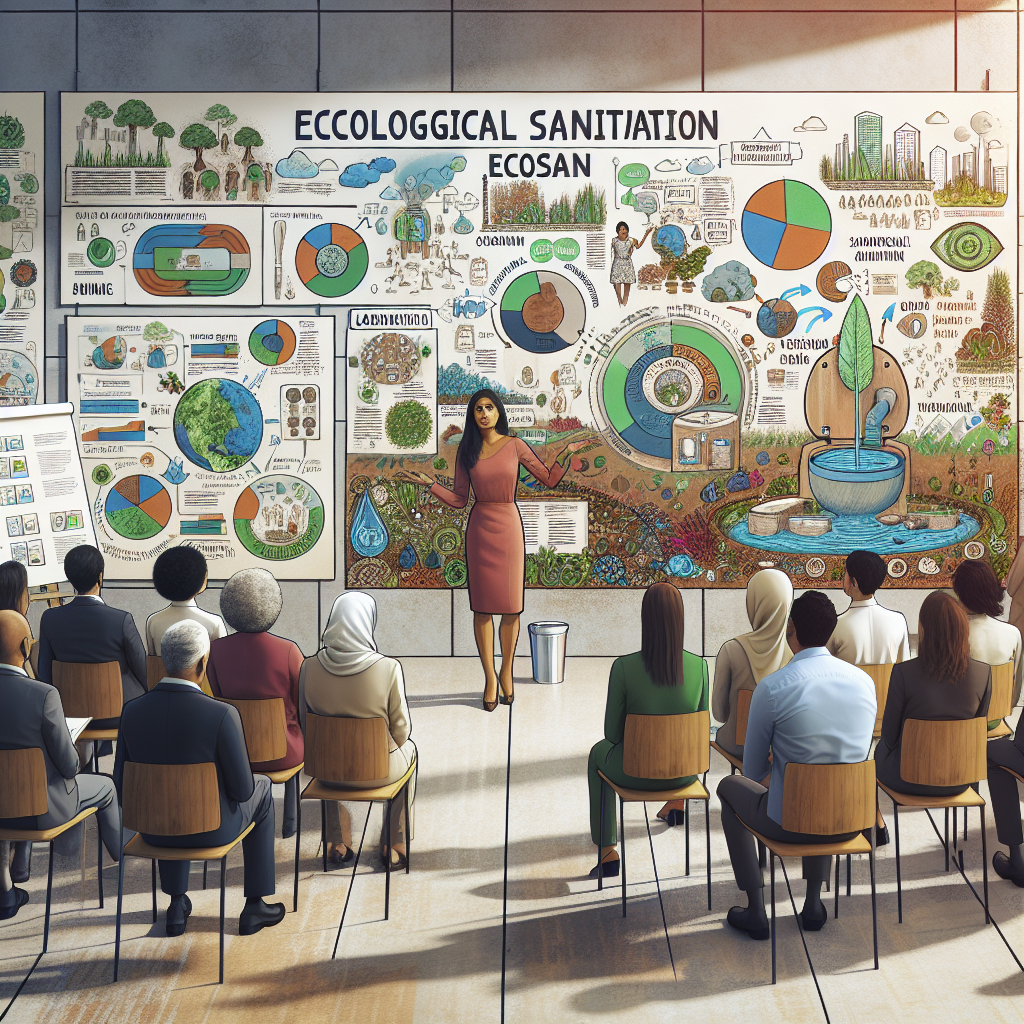
Ecological sanitation, commonly referred to as EcoSan, represents a paradigm shift from conventional sanitation practices. It aims to safeguard human health and the environment by recycling nutrients and organic matter. Unlike traditional systems that often lead to water contamination and waste of potential resources, EcoSan promotes the sustainable management of human excreta. The key philosophy behind EcoSan is to treat waste not as waste but as a resource, thereby contributing to environmental sustainability.
Utilizing local materials in the construction of EcoSan systems is imperative for several reasons. First, it significantly reduces the cost, making these systems affordable for communities with limited financial resources. Second, it fosters local employment and skill development, thus contributing to the local economy. Furthermore, the use of local materials minimizes the carbon footprint associated with transportation and production processes, aligning perfectly with the sustainable ethos of EcoSan.
Principles of EcoSan
EcoSan’s principles hinge on the safe recycling of human nutrients back into the ecosystem. Unlike traditional sanitation systems that primarily focus on the disposal and treatment of waste, EcoSan emphasizes resource recovery and minimal environmental impact. One primary principle is separation at source, meaning that urine and feces are separately collected to facilitate their distinct treatment and reuse. This separation enables the efficient recycling of nutrients – such as nitrogen, phosphorus, and potassium – found in urine, which can be used as fertilizer in agriculture.
Another fundamental principle is minimizing the pollution of water resources. By using dry or low-water systems, EcoSan significantly reduces the volume of wastewater generated. This is crucial in areas facing water scarcity or where water treatment facilities are inadequate. EcoSan systems also advocate for decentralized sanitation solutions, enabling communities to manage waste locally and sustainably without depending on expansive and energy-intensive infrastructure.
Components of EcoSan Systems
An EcoSan system typically comprises three main components: a sanitation facility, a treatment unit, and a nutrient recovery or reuse process. The sanitation facility can range from simple pit latrines to more sophisticated urine-diverting dry toilets (UDDTs). UDDTs are particularly noteworthy because they separate urine and feces at source, facilitating their distinct handling and processing.
The treatment unit is designed to sanitize and process the collected excreta. This can involve composting, vermicomposting, drying, or anaerobic digestion. Composting toilets, for instance, use aerobic decomposition to stabilize and sanitize feces, producing a valuable soil conditioner. Urine is often stored for a period in sealed containers to allow pathogens to die off before being applied as fertilizer.
The final component focuses on nutrient recovery and reuse. Compost products from treated feces can be applied to agricultural lands, improving soil fertility and structure. Similarly, sanitized urine can be used as a liquid fertilizer, providing essential nutrients for crop production. This closed-loop system ensures that valuable resources are recycled back into the environment, supporting sustainable agricultural practices.
Benefits of Using Local Materials
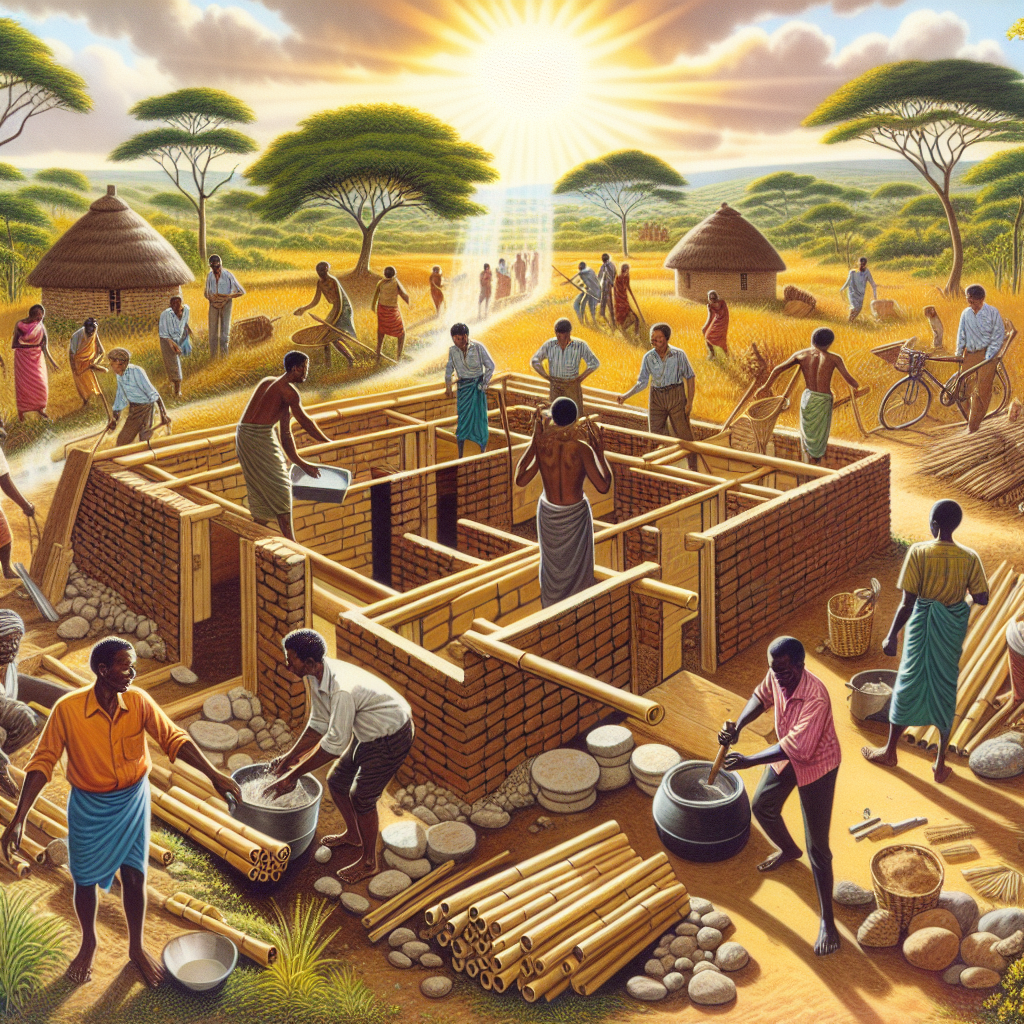
Using local materials in the construction of EcoSan systems offers numerous advantages. Cost-efficiency is perhaps the most significant benefit, as local materials are typically cheaper than imported ones. This affordability can enhance the accessibility of EcoSan systems for economically disadvantaged communities, promoting widespread adoption of sustainable sanitation practices.
Moreover, local materials are generally better suited to the climatic and environmental conditions of the area. For example, locally-sourced timber, bamboo, or stone can be more durable under local weather conditions compared to materials that are not native to the region. This improves the longevity and effectiveness of the EcoSan systems.
Employing local materials also reduces the environmental impact associated with transportation. The carbon emissions linked to transporting materials over long distances are significantly cut down, making EcoSan systems more environmentally friendly. Additionally, using local materials can foster community involvement and ownership, as local craftsmen and laborers are more likely to be involved in the construction process.
Examples of Local Materials
Numerous local materials can be effectively used in the construction of EcoSan systems. Some of the most common include:
- Bamboo: Bamboo is a sustainable and quickly-renewable resource that can be used in constructing structural components and sanitary facilities. Its natural resistance to pests and its strength make it a viable option for many regions.
- Clay and Stones: Clay and stones are often readily available in many regions and can be used to construct the foundations and walls of EcoSan units. They provide excellent durability and thermal insulation.
- Lumber: Locally-sourced wood is another popular choice. When treated correctly, it can provide a sturdy and long-lasting material for building different components of sanitation systems.
- Coconut Shells and Leaves: In tropical regions, the byproducts of coconuts can be utilized creatively for various construction purposes, including roofing and structural support.
Case Studies
Examining real-world applications of EcoSan systems employing local materials can provide valuable insights and inspiration for future projects.
In Kenya, for instance, a project led by a local non-governmental organization successfully integrated EcoSan toilets using locally sourced timber and stones. By engaging local communities, the project not only built sustainable sanitation facilities but also empowered residents with construction skills, thereby enhancing local employment opportunities.
Similarly, in the Philippines, an EcoSan initiative used bamboo and coconut leaves to construct urine-diverting toilets. The sustainable construction materials were complemented by community education programs on the benefits and maintenance of the EcoSan systems, leading to widespread adoption and improved public health standards.
These case studies highlight the feasibility and efficacy of employing local materials in EcoSan projects, illustrating that sustainable sanitation can be both practical and beneficial to communities worldwide.
Challenges and Solutions
Despite the numerous benefits, using local materials in EcoSan construction presents certain challenges that need to be addressed. One of the primary challenges is the variability in the quality and availability of local materials. Some regions may lack sufficient high-quality materials, hindering the construction process. To mitigate this, external expertise and resources may sometimes be necessary to supplement local materials.
Another challenge is the potential lack of local expertise in constructing EcoSan systems using unconventional materials. Comprehensive training programs and workshops are essential to equip local communities with the necessary skills and knowledge for successful implementation. Additionally, collaboration with NGOs, governments, and international bodies can bring in technical and financial support to overcome these obstacles.
Finally, ensuring the long-term sustainability and acceptance of EcoSan systems within communities can be challenging. Continuous education and community engagement are crucial to promoting the benefits and correct usage of EcoSan systems. Demonstrating the economic and environmental advantages of utilizing local materials can help garner support and ensure the longevity of the sanitation systems.
Conclusion
The integration of local materials in EcoSan construction embodies the principles of sustainable development, presenting a viable solution to the global sanitation crisis. By leveraging locally available resources, EcoSan systems become more accessible, affordable, and environmentally friendly. This approach not only promotes the recycling of nutrients and the conservation of water but also fosters local economic development and community empowerment.
While challenges undoubtedly exist, the advantages of using local materials far outweigh the drawbacks. Through concerted efforts in education, training, and community engagement, these obstacles can be overcome, paving the way for wider adoption of EcoSan systems globally. Case studies from various regions underline the success and potential of using local materials, proving that sustainable sanitation solutions are well within reach.
Adopting the principles of EcoSan and embracing local materials can create a ripple effect, improving public health, enhancing agricultural productivity, and conserving vital natural resources. As we move towards a more sustainable future, the role of EcoSan systems cannot be overstated. By viewing human waste as a resource and prioritizing local solutions, we can address some of the most pressing environmental and public health challenges of our time.