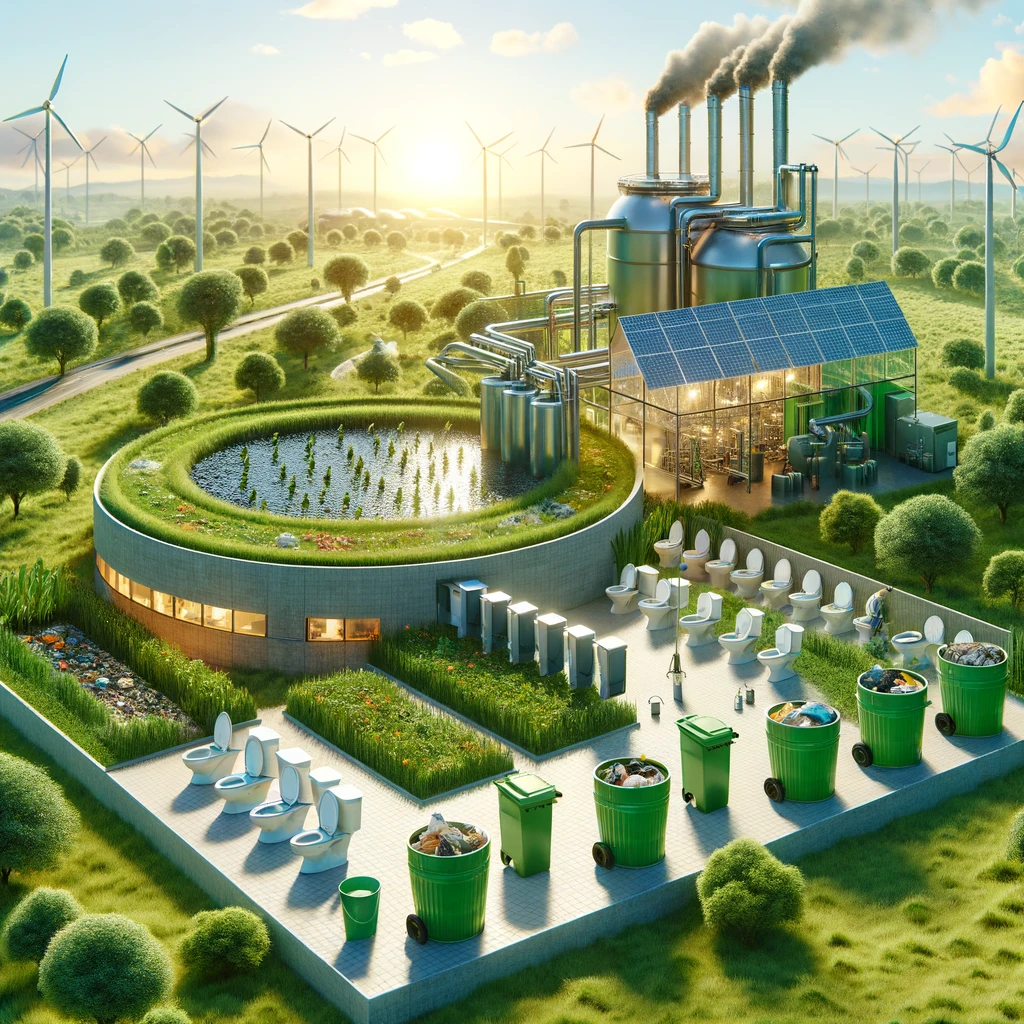
Welcome to a new era of waste management – one that’s not just about disposing of waste but transforming it into a resource. This is the world of Ecological Sanitation, commonly referred to as EcoSan.
What is Ecological Sanitation (EcoSan)?
Ecological Sanitation is an approach to waste management that views human waste not as a problem but as a valuable resource. This innovative concept aims to protect human health, preserve the environment, and recycle nutrients to aid in agriculture. Unlike traditional waste management, which often involves transporting waste away and treating it as a nuisance, EcoSan focuses on sustainable and resource-minded solutions.
Key Principles of EcoSan
- Waste as a Resource: EcoSan is grounded in the belief that human excreta and household wastewater are resources, not waste. These materials contain nutrients essential for soil health and plant growth.
- Sustainability: EcoSan aims to create a closed-loop system, minimizing waste and conserving resources. This approach not only reduces pollution but also helps in resource conservation.
- Health and Hygiene: Protecting human health is paramount. EcoSan systems are designed to safely process waste, preventing the spread of disease and contamination of water sources.
- Local Solutions: EcoSan encourages community-specific solutions, understanding that one size does not fit all in waste management. This local approach ensures that EcoSan systems are culturally acceptable and economically viable.
How Does EcoSan Work?
EcoSan systems vary widely but generally include the separation of waste at the source, composting, and the safe reuse of composted material. The core idea is to keep human excreta separate from wastewater, allowing for more effective treatment and reuse.
Urine-Diverting Dry Toilets (UDDTs)
A prime example of an EcoSan solution is the Urine-Diverting Dry Toilet (UDDT). These toilets separate urine from feces at the source. Urine, rich in nitrogen and phosphorus, can be used directly as a fertilizer, while feces are composted and later used in agriculture.
Greywater Treatment
Greywater, which comes from sources like sinks and showers, is less contaminated than sewage water. In EcoSan systems, this water is often treated and reused for purposes such as irrigation, reducing the demand for fresh water.
Benefits of EcoSan
Environmental Protection
EcoSan’s greatest strength is its environmental friendliness. By recycling waste, it reduces pollution, conserves water, and improves soil fertility. This sustainable approach aligns perfectly with global efforts to combat climate change and environmental degradation.
Health and Hygiene Improvements
By safely processing human waste, EcoSan systems reduce the risk of waterborne diseases. This is particularly crucial in areas lacking traditional sewage systems, improving overall community health.
Economic Advantages
EcoSan systems can be more cost-effective than conventional sewage systems, especially in rural or remote areas. The nutrient-rich compost and fertilizers produced can provide an additional source of income for communities.
Implementation Challenges and Solutions
While EcoSan offers numerous benefits, its implementation can face challenges.
Cultural Acceptance
One of the biggest hurdles is cultural resistance. Changing perceptions about waste can be challenging. Education and community involvement are crucial in overcoming this obstacle.
Technical Know-How
Implementing EcoSan requires a certain level of technical knowledge. Training and capacity building are essential for successful implementation.
Maintenance
EcoSan systems require regular maintenance. Ensuring local communities have the skills and resources to maintain these systems is vital for their long-term success.
EcoSan Around the World
EcoSan has seen successful implementation in various parts of the world, from rural communities in Africa to urban settings in Europe. These projects demonstrate the adaptability and effectiveness of EcoSan in different contexts.
Case Studies
- Sweden: Sweden has been a pioneer in implementing EcoSan, especially in rural areas. The country has numerous UDDT systems, which have proven effective in nutrient recycling and waste reduction.
- Rwanda: In Rwanda, EcoSan toilets have been instrumental in improving sanitation in rural schools, leading to better health and educational outcomes.
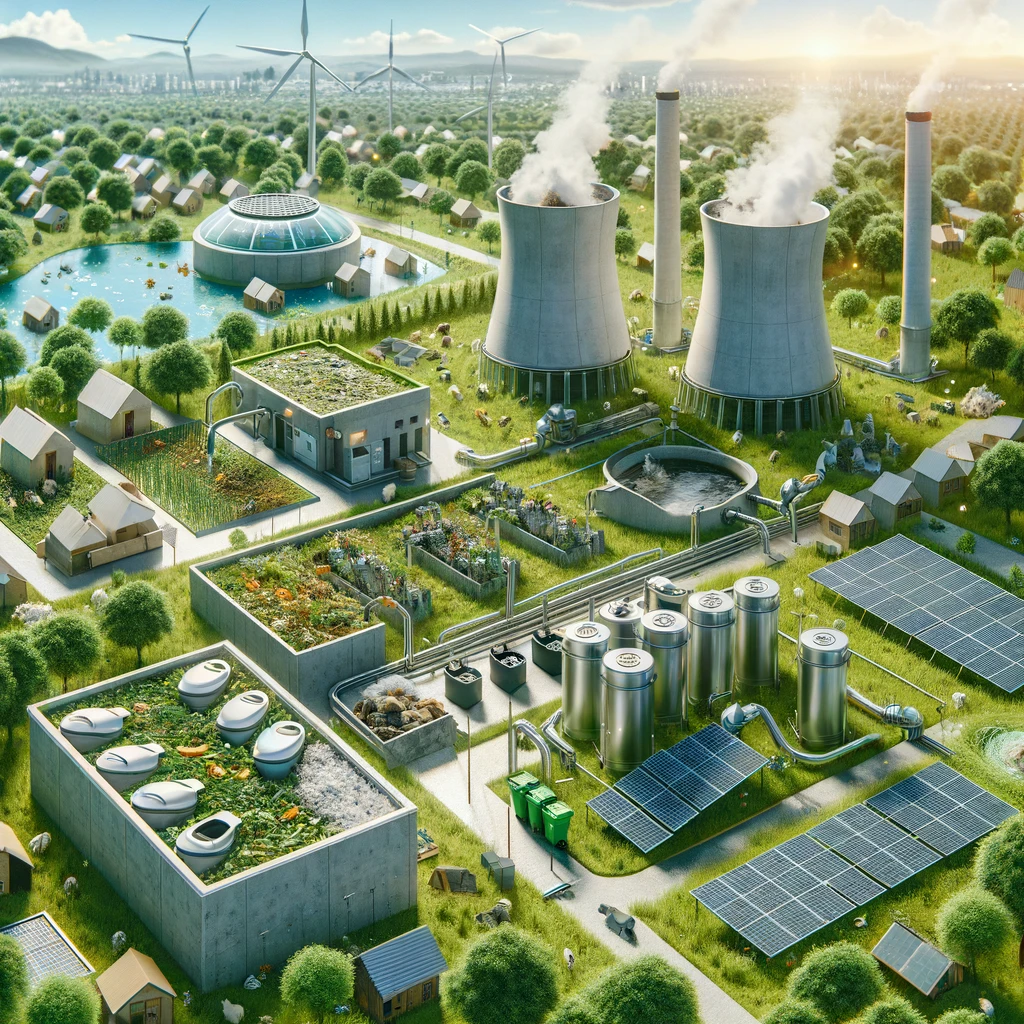
EcoSan and Global Sustainability Goals
EcoSan aligns perfectly with the United Nations Sustainable Development Goals (SDGs), particularly those related to clean water and sanitation, sustainable cities and communities, and responsible consumption and production. By adopting EcoSan, communities contribute to a broader global effort toward sustainability and environmental stewardship.
Bridging the Water and Sanitation Gap
In many developing countries, access to safe water and sanitation remains a significant challenge. EcoSan offers a viable solution to bridge this gap, providing a cost-effective and environmentally friendly alternative to conventional sanitation systems.
Public Health and EcoSan
The role of EcoSan in public health cannot be overstated. By safely managing waste, EcoSan reduces the prevalence of waterborne diseases, which are a major concern in many parts of the world. This proactive approach to sanitation has a ripple effect, improving community health standards and reducing healthcare costs.
Preventing Water Pollution
Conventional waste management often leads with global sustainability goals, particularly those set by the United Nations. It contributes to achieving clean water and sanitation (Goal 6), responsible consumption and production (Goal 12), and combating climate change (Goal 13). By reusing waste, EcoSan reduces greenhouse gas emissions and promotes a more circular economy.
Community Involvement in EcoSan
For EcoSan to be effective, community involvement is crucial. It’s not just about installing new systems but about changing mindsets. Communities need to understand the benefits of EcoSan and be actively involved in its maintenance and management.
Educational Programs
Education plays a key role in EcoSan implementation. Informative programs can help break down taboos and misconceptions about waste, highlighting its potential as a resource.
Women in EcoSan
Women, often the primary managers of household waste and hygiene, can be key drivers in the adoption of EcoSan. Empowering women through education and involvement in EcoSan projects can lead to better health and environmental outcomes.
EcoSan in Urban and Rural Settings
EcoSan’s versatility allows it to be adapted to both urban and rural settings.
Urban EcoSan
In urban areas, where space and resources are limited, EcoSan can be integrated into existing buildings. Solutions like composting toilets and greywater systems can significantly reduce the environmental impact of urban waste.
Rural EcoSan
In rural areas, where access to traditional sewage systems is often limited, EcoSan can offer a practical and sustainable solution. The use of compost and urine as fertilizers can directly benefit agricultural activities, providing a dual benefit.
The Future of EcoSan
As we look to the future, EcoSan has the potential to be a key component in sustainable development. Innovations in technology and design are continually improving the efficiency and accessibility of EcoSan systems.
Technological Advances
Advances in technology, such as more efficient composting methods and smarter waste separation techniques, can enhance the effectiveness of EcoSan systems. There’s also potential in integrating EcoSan with renewable energy sources, like biogas production.
Global Partnerships
Collaboration between governments, NGOs, and private entities is essential for promoting EcoSan. These partnerships can provide the necessary resources, expertise, and funding to scale up EcoSan initiatives.
Challenges Ahead
Despite its many benefits, EcoSan faces several challenges that need to be addressed.
Infrastructure
Building the necessary infrastructure for EcoSan, especially in underdeveloped areas, requires investment and planning.
Regulation and Policy
Effective regulation and supportive policies are crucial for the widespread adoption of EcoSan. Governments play a key role in setting standards and providing incentives for EcoSan initiatives.
Research and Development
Ongoing research is needed to optimize EcoSan systems and tailor them to different environmental and cultural contexts.
Engaging Stakeholders
To advance EcoSan, engaging a broad range of stakeholders is essential. This includes policymakers, environmentalists, health professionals, and the general public. By working together, we can create a sustainable and healthy future.
Role of Non-Profits and NGOs
Non-profits and NGOs are often at the forefront of promoting and implementing EcoSan projects. Their role in education, advocacy, and on-the-ground implementation is invaluable.
Private Sector Involvement
The private sector can play a significant role in EcoSan, especially in terms of technological innovation and investment. Public-private partnerships can be a powerful tool in advancing EcoSan initiatives.
Conclusion
Ecological Sanitation is more than just a method of waste management; it’s a philosophy that rethinks our relationship with nature. It challenges us to see waste not as an end product but as the beginning of a new cycle. By adopting EcoSan, we’re not only solving immediate health and environmental issues but also contributing to a more sustainable and resilient world. As we move forward, it’s essential to continue advocating, innovating, and educating about EcoSan, making it an integral part of our journey towards a sustainable future.