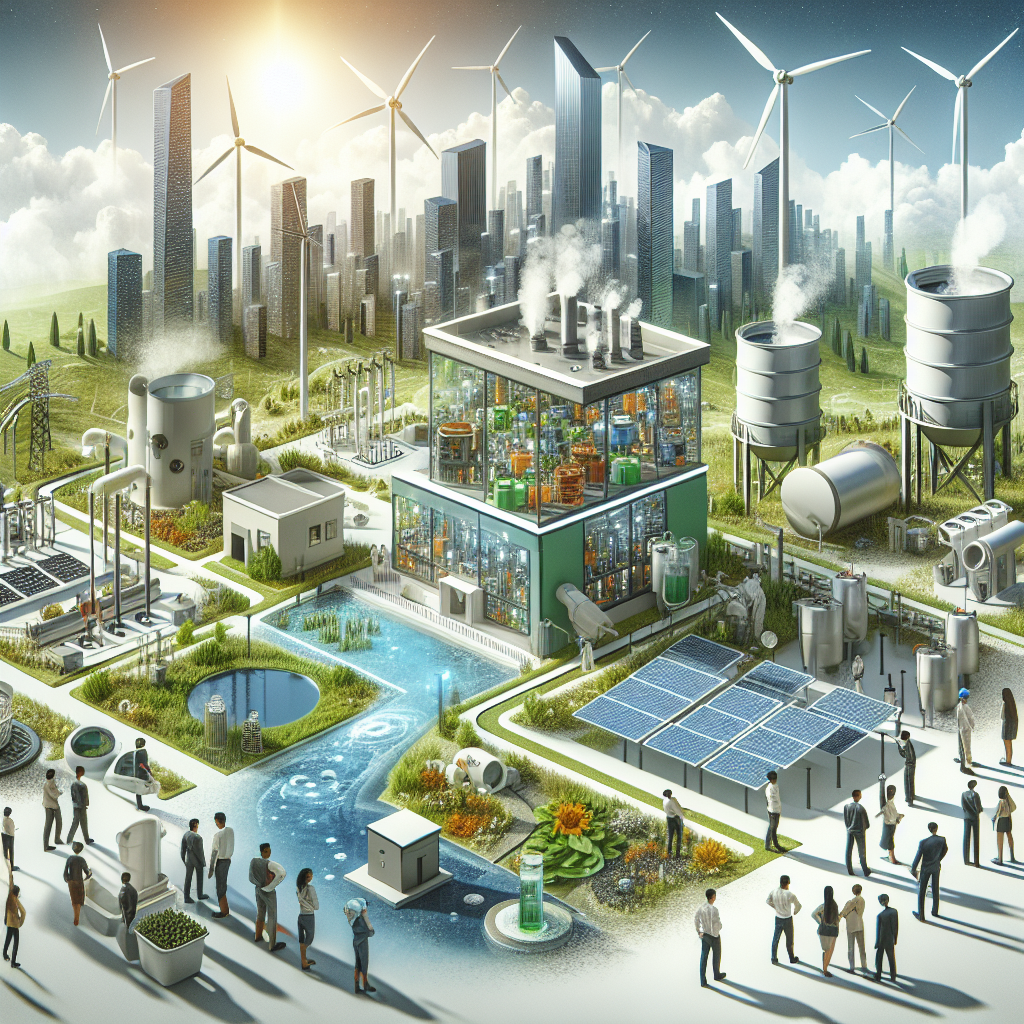
Ecological Sanitation (EcoSan) is a sustainable waste management system that promotes the safe reuse of human excreta and household wastewater as resources. Unlike conventional sewage treatments, which focus primarily on disposal, EcoSan emphasizes resource recovery, protecting the environment, and enhancing public health. This article delves into the principles of EcoSan, contrasts it with traditional sewage systems, and highlights its benefits.
EcoSan Principles and Concepts
EcoSan is grounded in several key principles aimed at sustainability and resource conservation. Here are the core concepts:
- Closing the Loop: EcoSan systems aim to ‘close the loop’ between sanitation and agriculture by recovering nutrients found in waste and returning them safely to the soil, thereby reducing the need for chemical fertilizers.
- Resource Recovery: Instead of treating excreta and wastewater as waste, EcoSan sees these materials as valuable resources for agriculture. Nutrients like nitrogen, phosphorus, and potassium are safely recycled.
- Health and Hygiene: Protecting human health by reducing the risk of disease transmission through the safe management of excreta.
- Ecological Protection: Minimizing the environmental impact of human waste by preventing pollution of water bodies, reducing greenhouse gas emissions, and conserving water.
- Social Acceptance and Community Involvement: Gaining community acceptance and promoting local involvement in designing and maintaining EcoSan systems.
How EcoSan Differs from Conventional Sewage Treatment
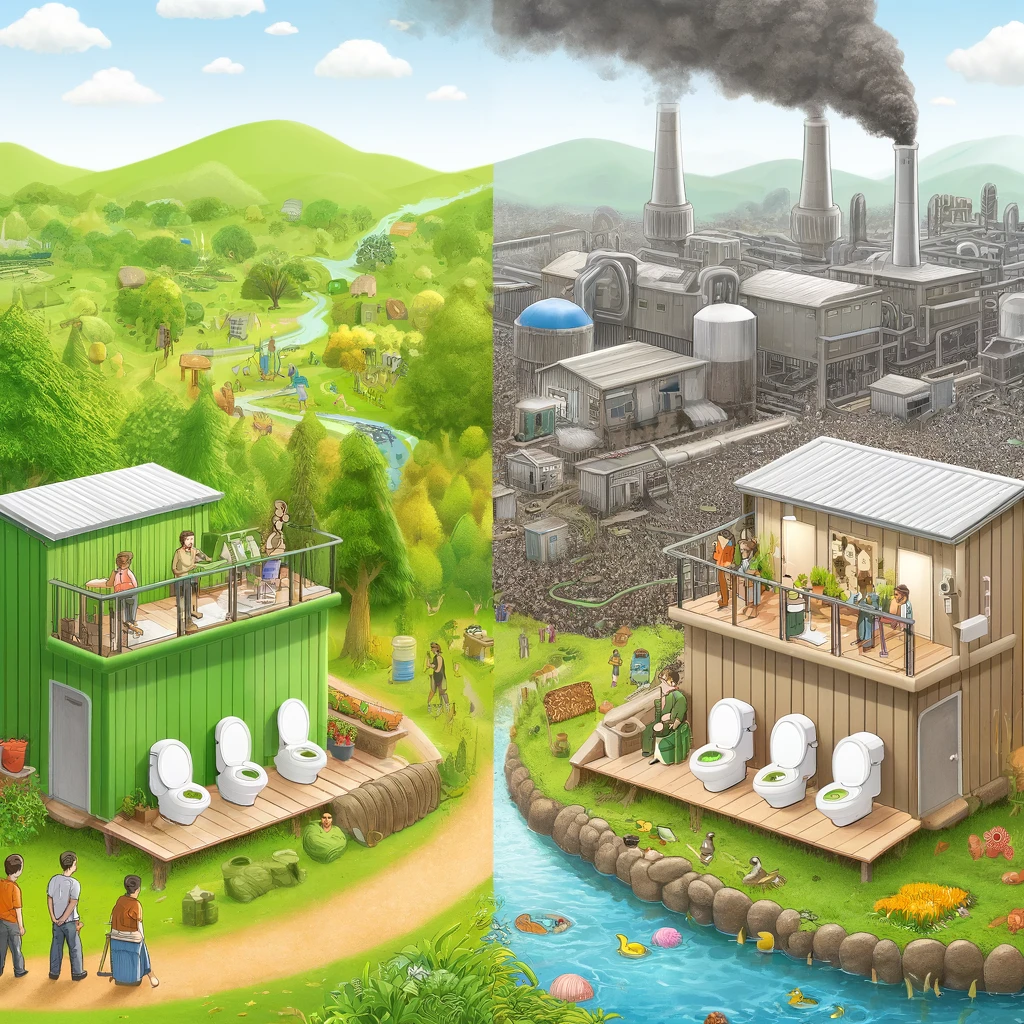
Traditional sewage treatments typically involve transporting wastewater away from where it is generated, treating it in central facilities, and then discharging it into the environment, often into water bodies. This approach can lead to several issues:
- Water Pollution: Nutrients and pathogens can still reach water bodies, leading to pollution and health hazards.
- High Energy and Infrastructure Costs: Conventional systems require extensive infrastructure and significant energy, which can be costly to build and maintain.
- Resource Loss: Essential nutrients in human waste are not recovered but are often lost in rivers and seas, which is a significant waste of resources.
In contrast, EcoSan systems use a variety of technologies to handle waste on-site and recover nutrients. These systems can range from simple composting toilets to more sophisticated setups that include urine diversion and the treatment of greywater (water from sinks, showers, and kitchens). The main differences are:
- Reduced Water Use: Many EcoSan systems are dry or use minimal water, conserving this vital resource.
- On-Site Treatment: By managing waste locally, EcoSan reduces the need for extensive sewage networks and large-scale treatment plants, lowering infrastructure costs.
- Nutrient Recovery: EcoSan transforms waste into compost or other forms of organic fertilizers, aiding in agricultural productivity and soil health.
Benefits of EcoSan
Environmental Benefits: EcoSan systems significantly reduce the ecological footprint of human waste management. By avoiding the pollution of water bodies and reducing greenhouse gas emissions associated with conventional sewage treatment, EcoSan contributes to a cleaner, more sustainable environment.
Health Benefits: Properly managed EcoSan systems minimize the risk of pathogen transmission, improving community health. By reducing the contamination of water resources, EcoSan also decreases the incidence of waterborne diseases.
Economic Benefits: EcoSan can be more cost-effective than traditional sewage systems, especially in rural or undeveloped areas. The reduction in water and energy use, along with lower infrastructure and maintenance costs, makes EcoSan an economically viable alternative.
Social Benefits: EcoSan promotes community involvement and empowerment by engaging local populations in the management of their sanitation systems. This involvement helps tailor solutions to specific local needs and enhances the sustainability of the sanitation system.
Implementing EcoSan
Successful implementation of EcoSan requires careful planning and community engagement. It involves educating communities about the benefits of EcoSan, training them in the construction and maintenance of systems, and continuously monitoring and adapting the systems based on feedback and environmental changes.
EcoSan offers a sustainable, resource-efficient alternative to conventional sewage treatment systems. By prioritizing resource recovery, ecological protection, and community involvement, EcoSan not only addresses the deficiencies of traditional sewage systems but also contributes to a sustainable future. Embracing EcoSan can lead to significant environmental, health, economic, and social benefits, making it an essential component of sustainable development.
Global Application of EcoSan
Ecological Sanitation has seen varying degrees of implementation around the world, with notable success in both developing and developed countries. In regions where water scarcity is a critical issue, or where traditional sewage infrastructure is lacking, EcoSan has provided an effective solution that aligns with local environmental and social conditions.
Examples from Around the World:
- Sweden: A pioneer in implementing EcoSan, Sweden has numerous projects where urine and feces are separated at the source, treated, and reused in agriculture. This has reduced the nutrient load entering the Baltic Sea from agricultural runoff.
- Rwanda: In response to both economic and environmental challenges, Rwanda has adopted EcoSan to improve sanitation in rural areas, promoting the reuse of human waste in agriculture and contributing to food security.
- India: Various projects across India have implemented EcoSan toilets to prevent the pollution of local water bodies and to provide farmers with a source of cheap, effective fertilizer.
These examples show that EcoSan can be adapted to different geographic, economic, and cultural contexts, proving its versatility and broad applicability.
Challenges in Adopting EcoSan
Despite its benefits, EcoSan faces several challenges that can hinder its adoption:
- Cultural Barriers: In many cultures, the concept of reusing human excreta, even if treated, can be a significant barrier. Social acceptance is crucial and requires targeted education and awareness programs to shift perceptions.
- Regulatory Hurdles: Many countries lack the regulatory framework to support EcoSan. Governments need to develop standards and guidelines that facilitate the safe reuse of human waste materials.
- Technical Challenges: Designing and maintaining EcoSan systems can be complex, requiring specific technical knowledge that may not be readily available in all regions.
- Economic Investment: While EcoSan can be more cost-effective in the long term, initial investments in training, infrastructure, and community engagement can be substantial.
Strategies for Overcoming Challenges
To overcome these challenges, several strategies can be employed:
- Education and Advocacy: Raising awareness about the environmental and health benefits of EcoSan through community workshops, educational programs, and public campaigns.
- Policy Support: Governments can play a crucial role by integrating EcoSan into national sanitation policies, providing subsidies, or tax incentives for EcoSan projects, and setting up regulatory frameworks that ensure safety and efficacy.
- Technical Training: Building local capacity through training programs that equip individuals and communities with the skills needed to construct, operate, and maintain EcoSan systems.
- Collaboration: Engaging a wide range of stakeholders, including NGOs, environmental groups, and the private sector, can facilitate knowledge exchange and financial support for EcoSan initiatives.
Conclusion
As the world faces increasing environmental challenges, the adoption of sustainable technologies like EcoSan becomes ever more critical. By addressing both the waste management and agricultural needs of communities, EcoSan provides a holistic solution that enhances environmental sustainability, public health, and economic viability. Its implementation, however, requires a concerted effort from all sectors of society to overcome cultural, technical, and economic barriers. With continued advocacy, education, and policy support, EcoSan has the potential to transform the way we think about and manage sanitation globally.
Embracing EcoSan not only preserves our natural resources but also paves the way for a sustainable and prosperous future for communities around the world.