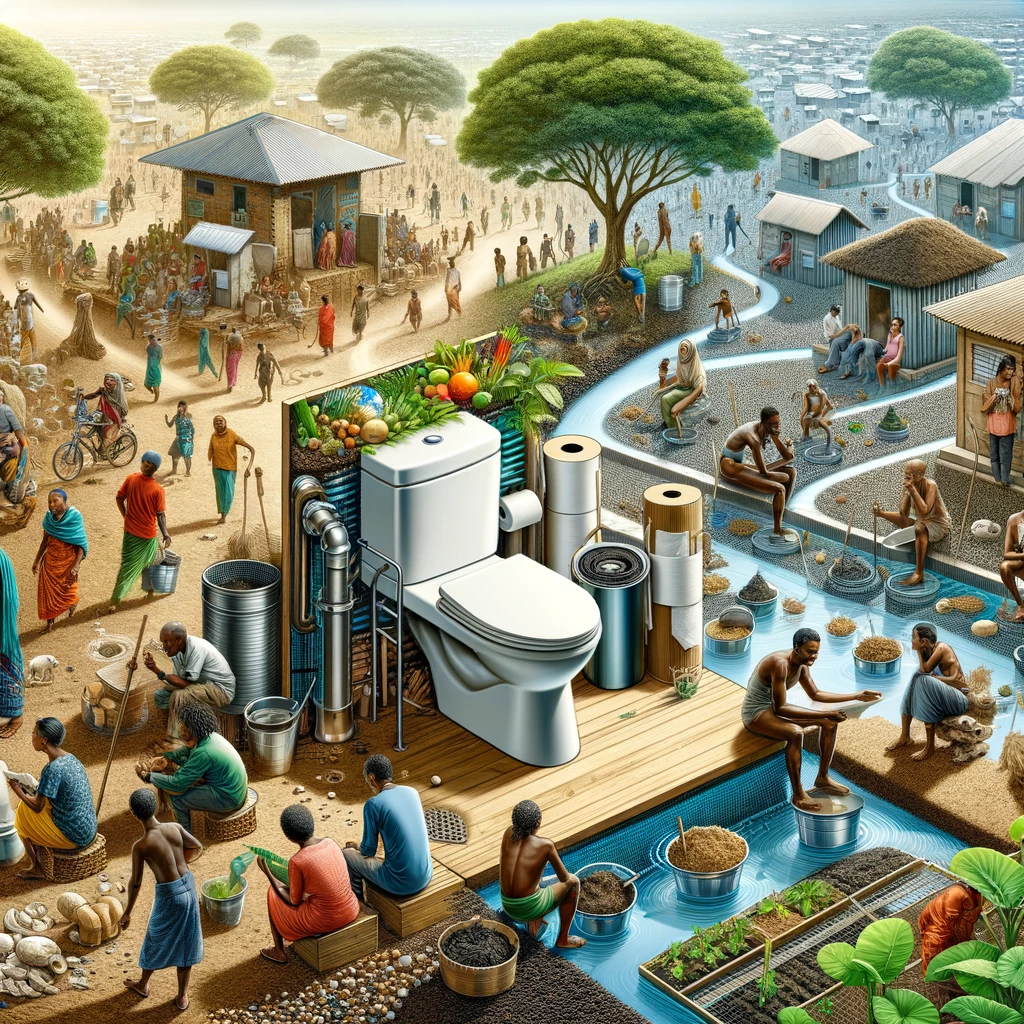
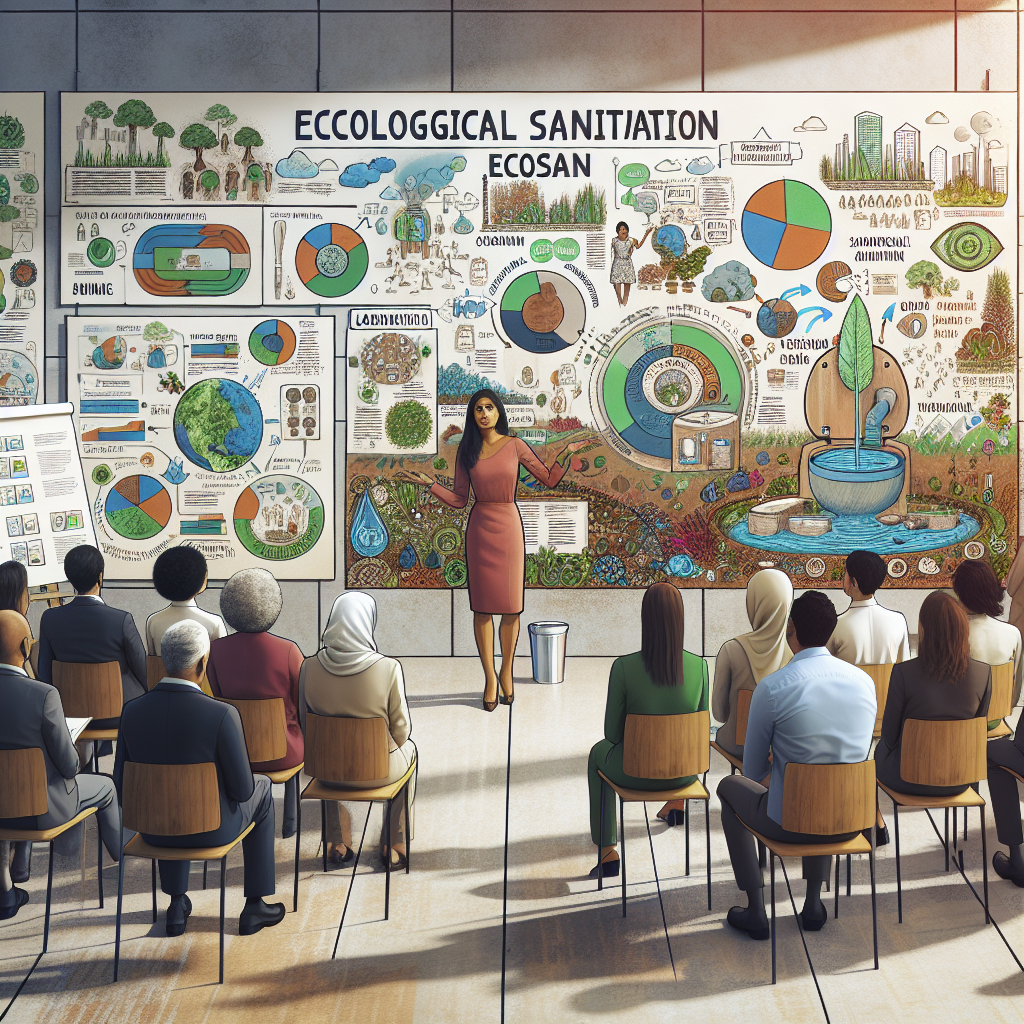
In recent decades, there has been a growing global awareness of the importance of sustainable environmental practices. Among these, Ecological Sanitation (EcoSan) stands out as an innovative approach that emphasizes the recycling of nutrients and the safe management of human waste. EcoSan not only addresses sanitation needs but also contributes to agriculture and environmental preservation by converting waste into valuable resources. Although the principles and benefits of EcoSan are evident, their widespread adoption lags behind. One significant factor that can accelerate the acceptance and implementation of EcoSan is education. Educating communities, policymakers, and future generations about EcoSan principles creates a foundation for more sustainable practices.
EcoSan’s foundational concepts revolve around the safe closure of the nutrient cycle, minimizing pollution, enhancing agricultural productivity, and ensuring public health. By treating human waste as a valuable resource rather than a disposable byproduct, EcoSan systems can transform how communities handle sanitation. However, to shift from traditional sanitation systems to EcoSan, there is a need for comprehensive and accessible education programs. These programs must address not just the technical aspects of EcoSan but also its environmental and social implications.
This article delves into the role of education in promoting EcoSan, examining how different educational strategies can make a significant impact. We explore the contents of effective educational programs, the importance of community involvement, the role of schools and universities, and how governmental policies can support educational initiatives. Through education, we can pave the way for a future where sustainable sanitation systems become the norm rather than the exception.
Understanding EcoSan Through Community Involvement
One of the most effective ways to promote EcoSan is through community-based educational approaches. These methods engage local populations, ensuring that they understand and appreciate the principles behind EcoSan. Community involvement provides a platform for practical learning experiences, making the concepts of EcoSan tangible. Workshops, seminars, and hands-on training sessions can be organized within communities to demonstrate the construction, maintenance, and benefits of EcoSan systems.
Engaging local leaders and influencers is crucial in such community-driven initiatives. These individuals can champion the cause, helping to disseminate information and increase acceptance. When community leaders advocate for EcoSan, it creates a ripple effect, encouraging wider participation and support. Additionally, community-based projects often highlight success stories from within, showcasing real-life benefits and fostering a sense of ownership and pride.
Learning by example is a powerful educational tool. When communities observe the positive outcomes of EcoSan systems firsthand, they are more likely to embrace the change. This experiential learning not only solidifies theoretical knowledge but also builds trust in EcoSan principles. Furthermore, community-involved education ensures that the EcoSan systems are tailored to local needs and conditions, enhancing their effectiveness and sustainability.
For community involvement to be successful, it is imperative to develop culturally sensitive educational materials. These materials should be in the local language and consider cultural attitudes towards sanitation and waste management. By respecting local customs and traditions, educational programs can foster a more inclusive and effective learning environment.

The Role of Schools and Universities
Educational institutions, particularly schools, and universities, play a pivotal role in promoting EcoSan principles. Integrating EcoSan education into the curriculum ensures that future generations grow up with an awareness of sustainable sanitation practices. Such integration can start at the primary level, with age-appropriate materials that introduce basic concepts of hygiene, sanitation, and environmental stewardship.
At the secondary and tertiary levels, education can delve deeper into the technical, environmental, and social aspects of EcoSan. Programs can include detailed studies on the design and functioning of EcoSan systems, the science behind nutrient recycling, and the broader implications for public health and agriculture. Research projects and practical assignments can provide hands-on experience, allowing students to apply theoretical knowledge in real-world scenarios.
Universities can also act as hubs for EcoSan innovation and research. By encouraging academic research on EcoSan, universities can develop new technologies and methodologies that enhance the effectiveness of EcoSan systems. Collaboration between academic institutions and local communities can lead to the development of site-specific solutions, ensuring that EcoSan practices are not only sustainable but also adaptable.
Incorporating EcoSan education into schools and universities creates a generation of informed citizens who value and practice sustainable sanitation. Moreover, students who are educated about EcoSan are more likely to advocate for these practices in their professional and personal lives, driving broader societal changes.
Governmental Policies Supporting EcoSan Education
For EcoSan education to have a lasting impact, it must be supported by robust governmental policies. Governments play a crucial role in establishing frameworks that promote and facilitate EcoSan education. Policies can mandate the inclusion of EcoSan principles in educational curricula at all levels. Additionally, funding for educational projects that focus on EcoSan can accelerate their implementation and reach.
Governments can also support teacher training programs that equip educators with the necessary knowledge and skills to teach EcoSan principles effectively. By providing resources and support, governments can ensure that EcoSan education is not just a theoretical concept but a practical, actionable part of the education system.
Furthermore, governmental policies can encourage public-private partnerships to support EcoSan education initiatives. Collaboration between government bodies, educational institutions, NGOs, and private organizations can lead to comprehensive and multi-faceted educational programs. These partnerships can pool resources, expertise, and reach, making EcoSan education more accessible and impactful.
Regulatory frameworks that incentivize the adoption of EcoSan systems can also encourage educational institutions and communities to embrace these practices. By creating an enabling environment through policies and incentives, governments can drive the widespread acceptance and implementation of EcoSan principles.
Success Stories and Case Studies
Examining successful case studies and real-life examples of EcoSan implementation can offer valuable insights and inspiration for education. These success stories serve as proof of concept, demonstrating the tangible benefits of EcoSan systems. They provide concrete evidence that EcoSan principles are not only feasible but also highly beneficial.
One notable example is the implementation of EcoSan systems in rural areas of India. By educating local communities about the benefits of nutrient recycling and sustainable agriculture, several villages have successfully adopted EcoSan practices. The result has been improved sanitation, increased agricultural productivity, and enhanced community health. Such success stories highlight the importance of education in driving change.
In Sweden, educational campaigns have facilitated the widespread adoption of urine-diverting toilets. These campaigns included school programs, public awareness initiatives, and community workshops. The successful integration of EcoSan systems in Swedish households underscores the effectiveness of targeted education in promoting sustainable practices.
Case studies from around the world provide valuable lessons on the best practices for EcoSan education. They demonstrate the importance of tailored educational approaches that consider local contexts, cultures, and needs. By learning from these examples, educators and policymakers can develop more effective EcoSan education programs.
Innovative Educational Approaches
Traditional educational methods are not the only way to promote EcoSan. Innovative approaches can make EcoSan education more engaging and impactful. For instance, leveraging technology and digital platforms can extend the reach of educational programs. Online courses, webinars, and interactive modules can provide accessible and flexible learning opportunities for a wider audience.
Gamification is another innovative approach that can make learning about EcoSan principles fun and engaging. Educational games and simulations allow learners to interact with EcoSan concepts in a hands-on manner. By turning education into an interactive experience, gamification can enhance understanding and retention of EcoSan principles.
Educational campaigns that use storytelling can also be powerful. Sharing narratives about how EcoSan systems have positively impacted real communities can resonate on an emotional level, making the principles more relatable and memorable. Storytelling can humanize the benefits of EcoSan, making the abstract concepts more concrete and personal.
Collaborative learning approaches, such as group projects and eco clubs, can foster a sense of community and collective responsibility. By working together on EcoSan-related projects, learners can share knowledge, support each other, and amplify their impact. Such collaborative efforts can reinforce the sense that sustainable sanitation is a shared goal that benefits everyone.
Challenges in EcoSan Education
Despite the numerous benefits, promoting EcoSan education comes with its challenges. One significant barrier is the initial resistance to change. Many communities are accustomed to traditional sanitation systems and may be skeptical of new approaches. Overcoming this resistance requires persistent and targeted education efforts that address concerns and demonstrate the advantages of EcoSan.
Another challenge is the lack of resources in some regions. Educational institutions in low-income areas may struggle with limited funding, inadequate facilities, and a shortage of trained educators. Addressing these resource gaps is essential to ensuring that EcoSan education is inclusive and effective. International aid, grants, and partnerships can play a crucial role in bridging these gaps.
Cultural attitudes towards sanitation and waste management can also pose challenges. In some cultures, discussions about human waste are taboo, making it difficult to introduce EcoSan concepts. Educators need to be culturally sensitive and find respectful ways to discuss these topics. Tailoring educational programs to align with local values and beliefs can help overcome cultural barriers.
Additionally, there is the challenge of ensuring sustained interest and participation in EcoSan education. Continuous engagement and refresher training are necessary to keep the momentum going. Without ongoing support and reinforcement, initial enthusiasm may wane, and progress may stagnate. Long-term commitment from all stakeholders is essential to the lasting success of EcoSan education initiatives.
Conclusion
Education is a powerful tool for promoting EcoSan principles and achieving sustainable sanitation solutions. Through community involvement, schools and universities, governmental support, innovative approaches, and by addressing challenges, we can create comprehensive and effective EcoSan education programs. These programs not only impart knowledge but also inspire action, driving the adoption of EcoSan systems on a broader scale.
The integration of EcoSan principles into education at all levels is crucial for fostering a more sustainable future. By educating communities, students, policymakers, and professionals, we can ensure that the benefits of EcoSan are widely recognized and implemented. The success stories and innovative approaches serve as a testament to the potential of education in achieving environmental and public health goals.
As we move towards a more sustainable world, the role of education in promoting EcoSan becomes increasingly important. It is through education that we can change mindsets, build knowledge, and drive the adoption of practices that safeguard our environment and improve our quality of life. Therefore, investing in EcoSan education is not just an investment in sanitation, but an investment in a healthier and more sustainable future for all.