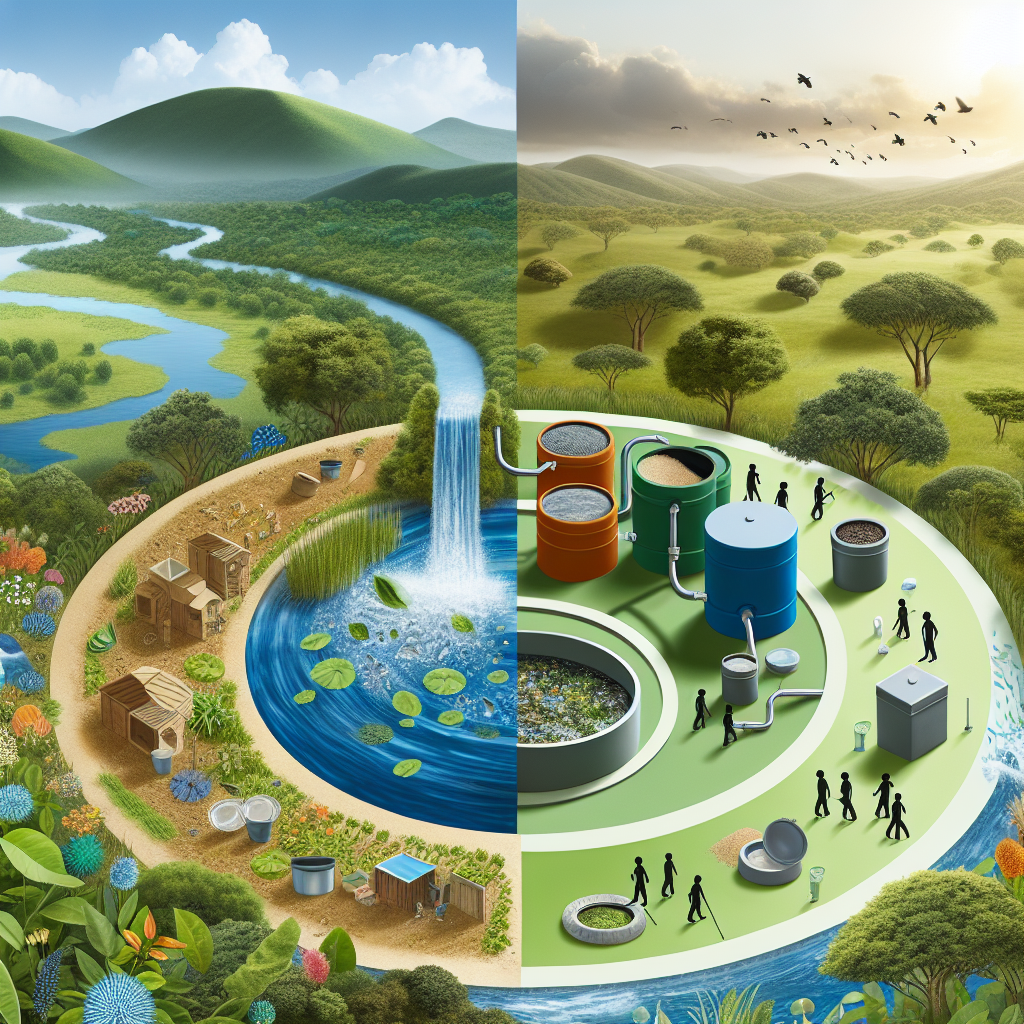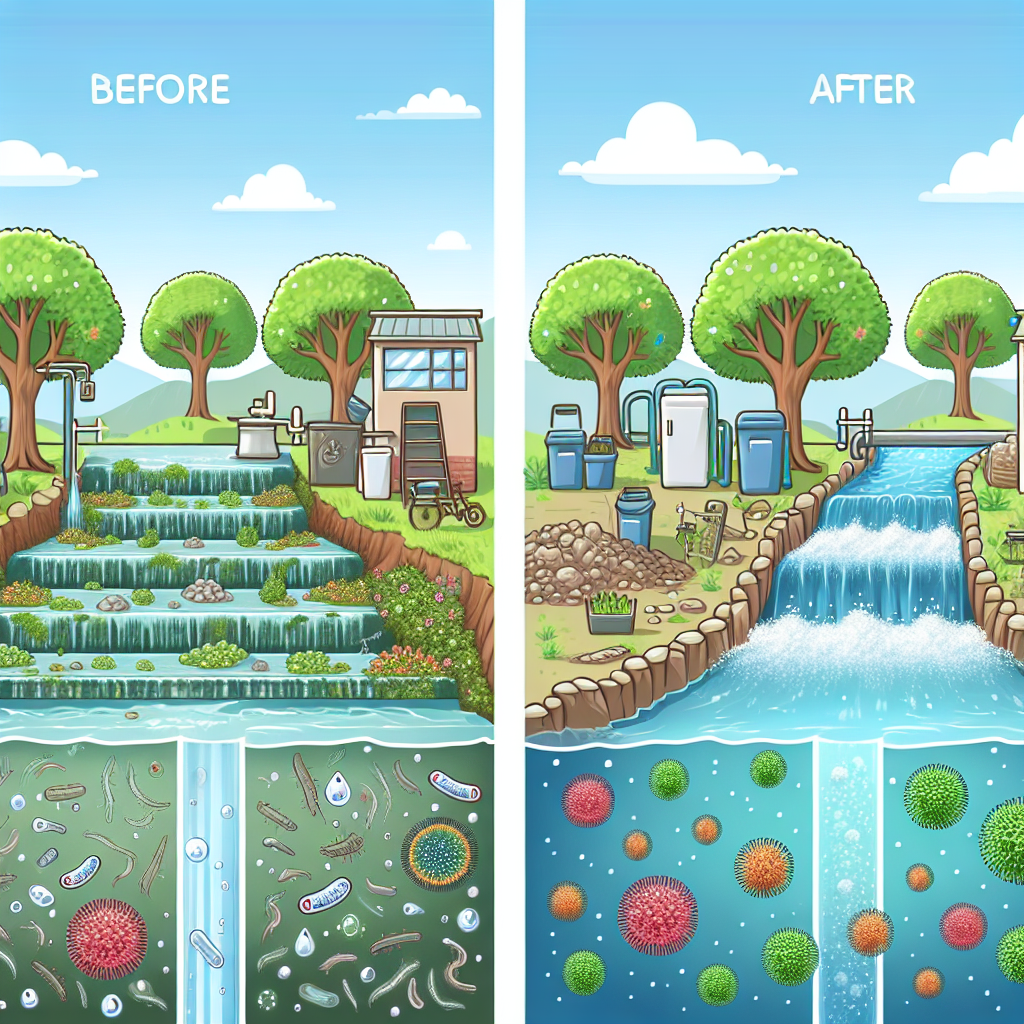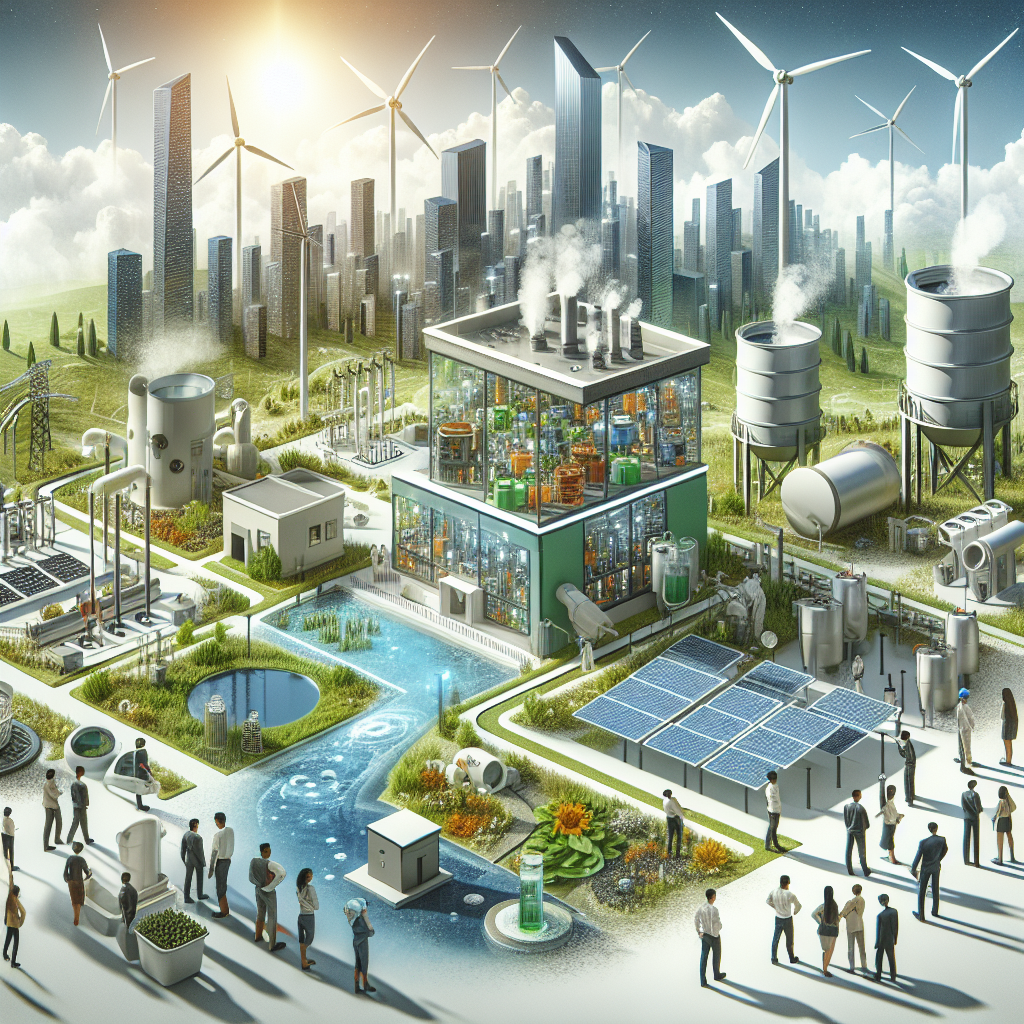
Ecological Sanitation, commonly referred to as EcoSan, is a sustainable approach to sanitation based on closing the nutrient and water cycle. It leverages natural processes to transform human excreta into a more stable, hygienic, and productive form that can then be reused in agriculture, promoting environmental health and sustainability. The increasing emphasis on environmental conservation and the ever-growing population pressures have necessitated a re-evaluation of our traditional sanitation systems. Conventional systems often lead to the depletion of resources and pollution of water bodies. EcoSan provides a refreshing alternative by focusing on resource recovery.
By encapsulating human waste management within a regenerative framework, EcoSan addresses the sanitation needs of communities without compromising ecological integrity. This holistic approach ensures the protection of natural resources, reduces the ecological footprint, and promotes the sustainable use of waste. Communities in various parts of the world have successfully implemented EcoSan technologies, showcasing that it is possible to manage sanitation in a way that supports both human and environmental health. It’s not just about waste disposal; it’s about transforming waste into valuable resources. In this comprehensive article, we delve into the principles of EcoSan, explore its innovative technologies, and highlight its benefits and challenges.
Principles of EcoSan
At its core, EcoSan is guided by a few fundamental principles that differentiate it from traditional sanitation systems. One of the key tenets is the separation of waste at the source. By designing systems that segregate urine, feces, and greywater, EcoSan minimizes contamination and makes it easier to process and recycle these waste streams. Another principle of EcoSan is the safe treatment and reuse of human excreta. Instead of viewing waste as a problem to be disposed of, EcoSan transforms it into a valuable asset. Through methods like composting and anaerobic digestion, human waste is converted into safe, nutrient-rich products that can be used to enhance soil fertility and crop production.
Additionally, EcoSan prioritizes the conservation of water — a critical resource in many parts of the world. Traditional sanitation systems, such as flush toilets, can consume large amounts of water. EcoSan, on the other hand, aims to minimize water usage and often incorporates dry or composting toilets that require little to no water. Finally, EcoSan acknowledges the importance of community involvement and education. Successfully implementing EcoSan systems requires the active participation and support of the community. Educational programs play a crucial role in demonstrating the benefits of these systems and ensuring that they are used and maintained correctly.
EcoSan Technologies
There are a variety of EcoSan technologies available, each designed to effectively manage and recycle human waste. One widely used technology is the Urine Diversion Dehydration Toilet (UDDT). These toilets separate urine from feces, directing each to different compartments for treatment and reuse. The urine can be diluted and used as a fertilizer, while the feces dry out and decompose into a safe, soil-like product. Another innovative EcoSan technology is the composting toilet. These toilets create a controlled environment where bacteria and other microorganisms break down waste into compost. The composting process generates heat, which helps to kill pathogens and ensures the final product is safe to handle.
Biogas toilets are another fascinating EcoSan innovation. These systems treat human waste anaerobically, producing biogas and a nutrient-rich slurry as by-products. The biogas can be used as a source of renewable energy, while the slurry, which is high in nutrients, can be employed as a fertilizer. Constructed wetlands and artificial reed beds are also employed in EcoSan systems. These natural treatment systems use plants and microorganisms to treat waste as it passes through the wetland. The treated water can be reused for irrigation or safely returned to the environment. Each of these technologies has its unique advantages and can be selected based on the specific needs and circumstances of the community.

Benefits of EcoSan
EcoSan offers a multitude of benefits that extend beyond the realm of sanitation. One of the most significant advantages is its positive impact on public health. By promoting the safe treatment and reuse of waste, EcoSan minimizes the risk of waterborne diseases and improves overall hygiene. It also contributes to food security through the recycling of nutrients. The urine and compost generated by EcoSan systems can be used to fertilize crops, leading to higher yields and more sustainable agricultural practices. Another notable benefit is resource conservation. EcoSan systems typically use less water than conventional sanitation systems, making them ideal for arid regions facing water scarcity.
Environmental protection is another key advantage. Traditional sanitation systems often lead to pollution of water bodies due to the discharge of untreated wastewater. EcoSan, however, treats and reuses waste on-site, preventing contamination of natural water systems. Furthermore, the generation of biogas from certain EcoSan systems provides a renewable energy source, reducing reliance on fossil fuels and lowering greenhouse gas emissions. Lastly, EcoSan empowers communities by involving them in the sanitation process. Educational initiatives help communities understand the benefits of EcoSan and encourage active participation, leading to more sustainable and resilient systems.
Challenges and Limitations
Despite its numerous benefits, the implementation of EcoSan is not without challenges. One of the primary hurdles is the initial cost and complexity of some EcoSan technologies. While they may offer long-term savings, the upfront investment can be a barrier for many communities, particularly in low-income regions. Another challenge is the cultural acceptance of EcoSan practices. In areas where traditional sanitation systems are deeply ingrained, transitioning to EcoSan can require significant changes in mindset and behavior. Effective community education and engagement are crucial to overcoming these barriers. Maintenance and management of EcoSan systems also pose challenges. Regular maintenance is essential to ensure the systems function correctly and safely.
Without proper management, there is a risk of odor, pest infestations, and potential health hazards. Furthermore, the reuse of human waste products, while beneficial, requires careful handling and monitoring to ensure safety. The perception of human waste as something dirty or dangerous can also hinder its acceptance as a valuable resource. Lastly, the varied climate and geographical conditions present in different regions require tailored EcoSan solutions. What works well in one area may not be feasible or effective in another, demanding flexibility and innovation in design and implementation. Addressing these challenges requires a multidisciplinary approach and ongoing collaboration between engineers, health professionals, community leaders, and policymakers.
Case Studies
Numerous successful case studies around the world highlight the potential of EcoSan systems. In rural areas of Sweden, farmers have been using urine-diverting toilets for decades. The urine collected is treated and used as fertilizer, significantly boosting crop yields and reducing the need for chemical fertilizers. In urban Kenya, the organization Sanergy has implemented self-contained eco-toilets that process waste into organic fertilizer and biogas. These systems not only improve sanitation in densely populated areas but also create economic opportunities for local residents by generating income from the sale of compost and biogas.
In India, the Auroville community has adopted a range of EcoSan technologies, including composting toilets and constructed wetlands. These systems have greatly improved water management and reduced pollution, showcasing how EcoSan can be integrated into sustainable community development. Another compelling example is the work being done in rural Bangladesh, where communities have implemented a combination of pit latrines and biogas systems. The biogas produced is used for cooking, reducing deforestation and indoor air pollution, while the slurry is applied as a fertilizer in agriculture. These case studies demonstrate that with the right approach and community engagement, EcoSan systems can be successfully implemented in diverse settings, providing tangible health, environmental, and economic benefits.
Future Directions
The future of EcoSan looks promising as technological advancements and growing environmental awareness drive innovation in the field. One exciting development is the integration of digital technology into EcoSan systems. Smart sensors and monitoring tools can enhance the management of sanitation systems, allowing for real-time data collection and analysis. This can help in promptly addressing maintenance issues and improving the efficiency of waste treatment processes. Additionally, there is increasing interest in the development of modular and scalable EcoSan technologies that can be easily adapted to different contexts and needs. These systems are designed for flexibility, facilitating rapid deployment in emergency situations or in areas with limited infrastructure.
Research is also being conducted on enhancing the nutrient recovery from human waste, maximizing the agricultural benefits of EcoSan. Innovations in microbial treatments and composting techniques are making it possible to produce higher quality compost and fertilizers more quickly and safely. The integration of renewable energy technologies, such as solar-powered biogas digesters, is another area of interest. These systems can generate clean energy while treating waste, contributing to both energy security and sustainable sanitation. Partnerships between governments, NGOs, private sector players, and local communities will be essential in scaling up EcoSan solutions and ensuring their sustainability. By continuing to innovate and collaborate, EcoSan can play a pivotal role in achieving global sanitation targets and promoting environmental resilience.
Conclusion
Ecological Sanitation represents a transformative shift in the way we view and manage human waste. By turning waste into a valuable resource, EcoSan not only addresses sanitation needs but also contributes to broader environmental and social goals. Its principles of waste separation, safe treatment and reuse, water conservation, and community involvement are foundational to its success and sustainability. The variety of EcoSan technologies available today, from urine diversion toilets to biogas systems, offer versatile solutions that can be customized to meet specific community needs. While challenges such as cost, cultural acceptance, and maintenance exist, they can be overcome through education, innovation, and collaboration.
The benefits of EcoSan are numerous, ranging from improved public health and food security to environmental protection and resource conservation. Successful case studies from around the world demonstrate the practicality and effectiveness of EcoSan systems in diverse settings. As we look to the future, advancements in technology and a growing commitment to sustainability will continue to drive the evolution of EcoSan. By embracing ecological sanitation, we can create healthier communities, preserve our natural resources, and build a more sustainable future for all. EcoSan is more than just a sanitation solution; it is a pathway to resilience and regeneration, bringing us closer to a world where the health of people and the planet are inextricably linked and mutually supported.