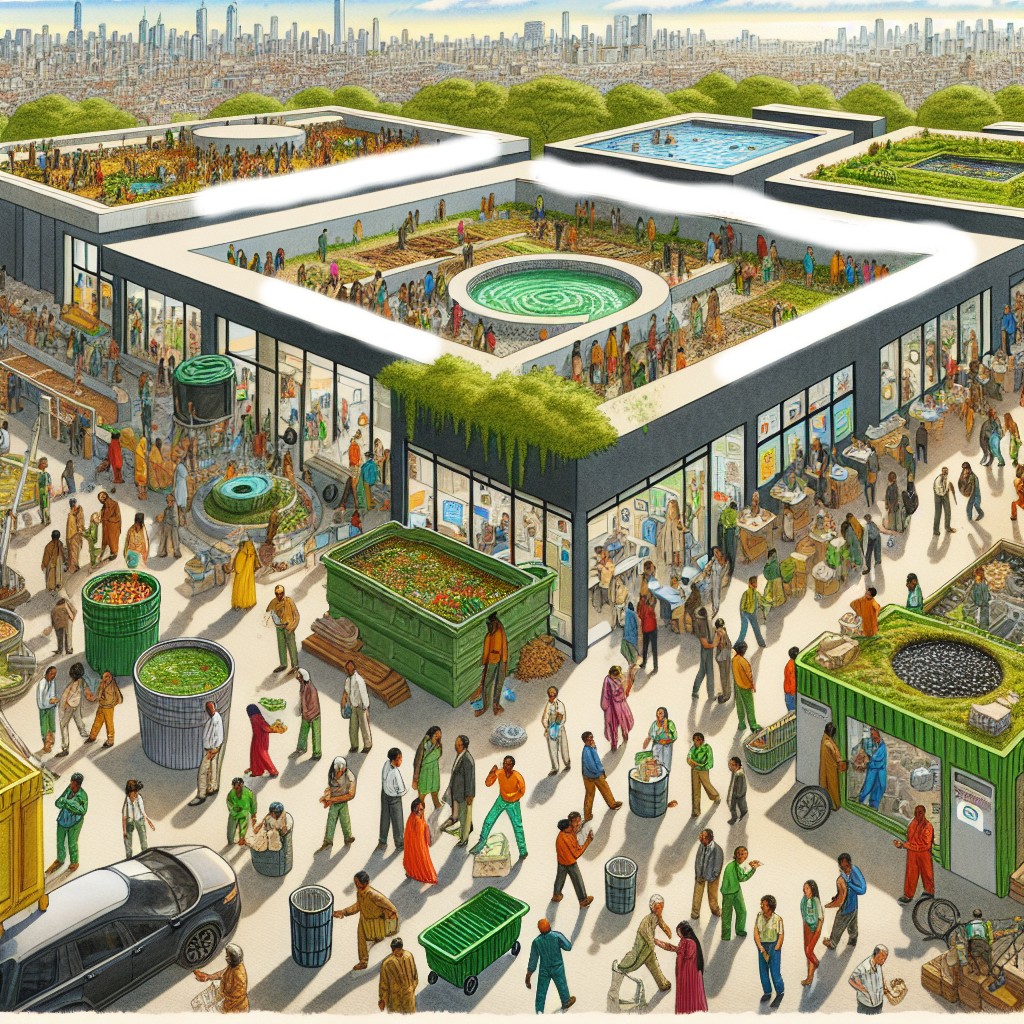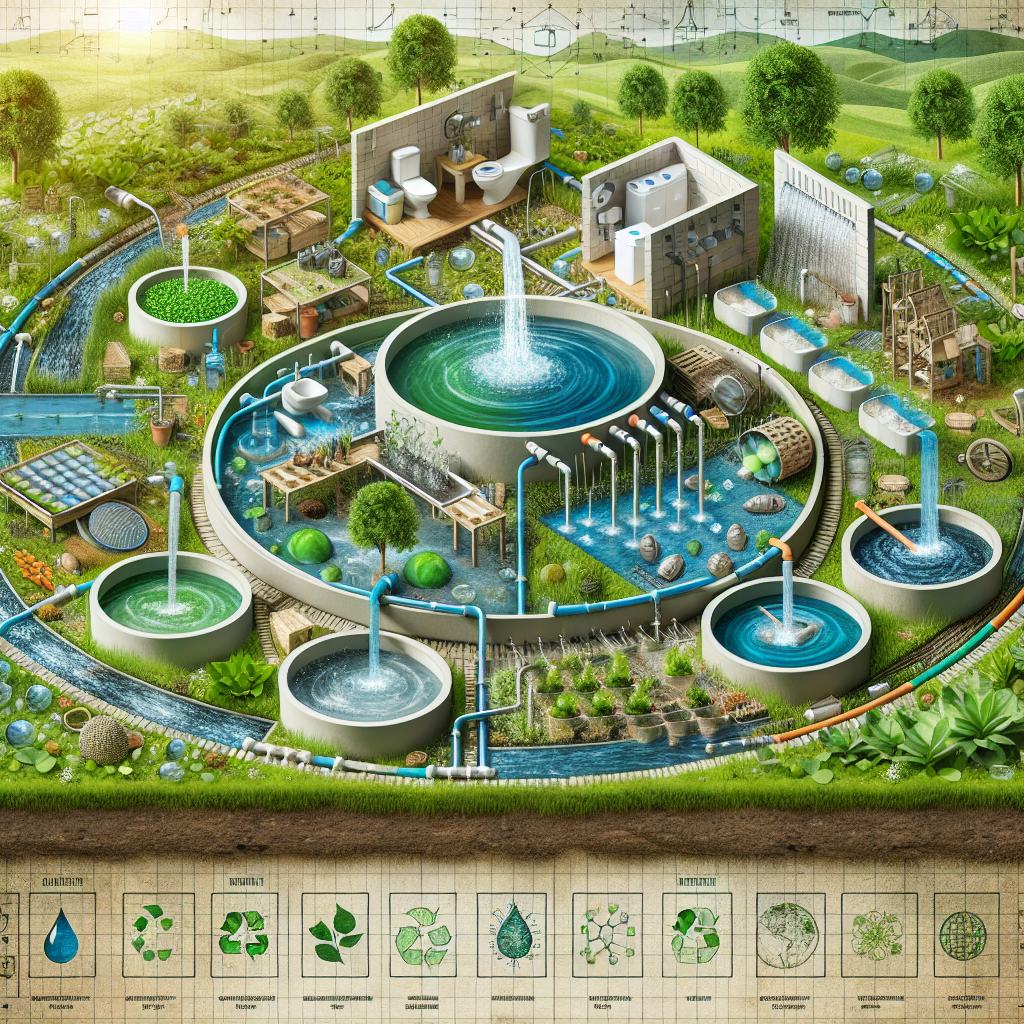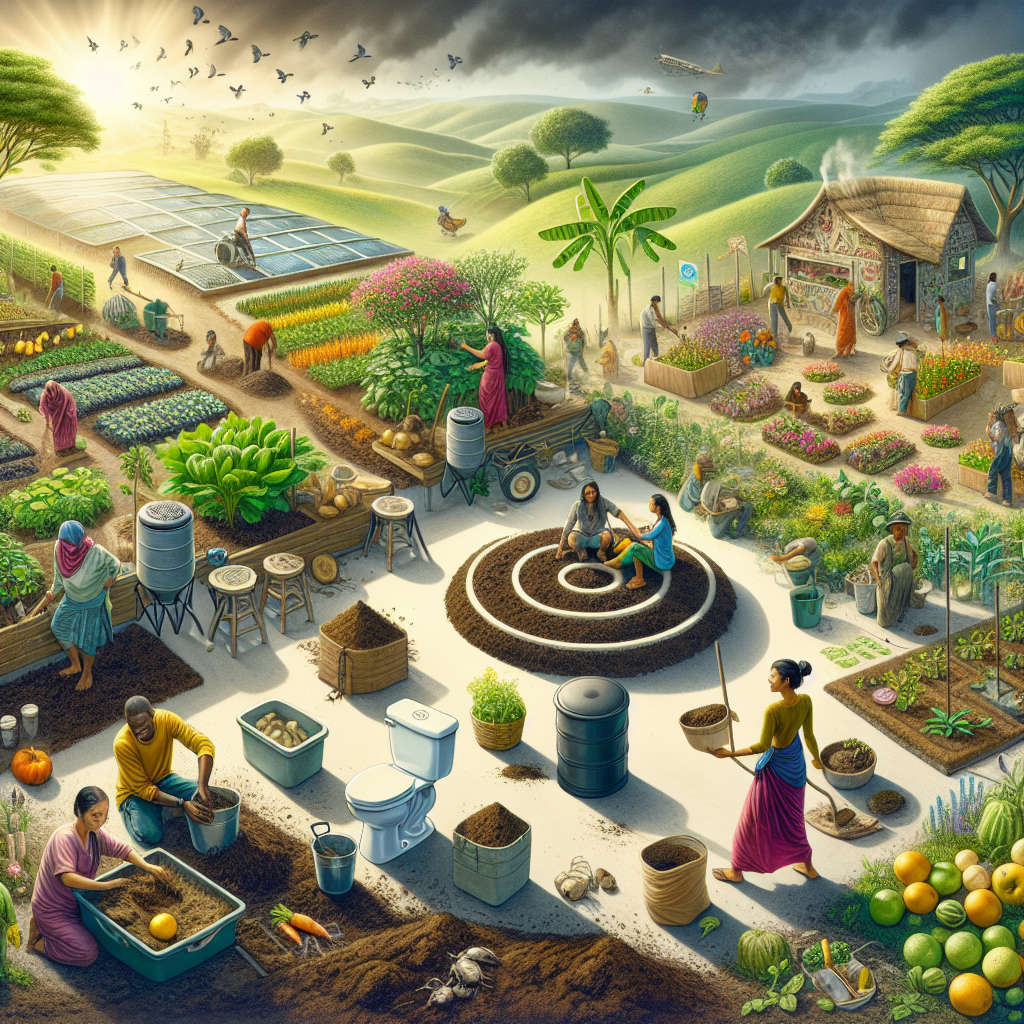
In a world grappling with escalating environmental challenges, the principles of Ecological Sanitation (EcoSan) and permaculture offer hope for a sustainable future. Both disciplines share a common vision: to create systems that are environmentally regenerative, economically viable, and socially equitable. EcoSan, a holistic approach to sanitation, emphasizes the treatment and recycling of human excreta, transforming waste into valuable resources such as nutrients, soil conditioners, and energy. Meanwhile, permaculture is a design philosophy focused on the creation of resilient and self-sustaining ecosystems by mimicking the patterns found in nature. The convergence of these two practices can create a profound synergy, enhancing the efficacy of both and providing a robust framework for sustainable living.
This article delves into the key principles and concepts of EcoSan and explores how they align with and enhance permaculture practices. By examining various aspects of this synergy, we aim to illustrate how adopting these integrated approaches can lead to more sustainable and resilient communities. From nutrient cycling and soil health to water conservation and food security, the interplay between EcoSan and permaculture principles facilitates holistic solutions to the pressing issues of our time.
Understanding the basics of EcoSan is essential before exploring its synergy with permaculture. Essentially, EcoSan systems treat human waste not as a problem to be disposed of but as a resource to be managed. By separating waste at its source, these systems allow for the effective capture and treatment of both urine and feces, which can then be safely processed and used to enrich soil and crops. This closed-loop system not only mitigates pollution but also supports the regeneration of natural resources.
Permaculture, on the other hand, takes inspiration from natural ecosystems to design sustainable and productive landscapes. It integrates land, resources, people, and the environment through mutually beneficial relationships. The principles of permaculture promote biodiversity, enhance soil health, and encourage efficient resource use, all of which align perfectly with the tenets of EcoSan.
Principles of Ecological Sanitation (EcoSan)
Ecological Sanitation (EcoSan) is founded on three core principles: nutrient recovery and reuse, compartmentalization of waste streams, and resource management. These principles drive the design and implementation of sanitation systems that are not only effective in managing human waste but also contribute to environmental sustainability and resource conservation.
1. Nutrient Recovery and Reuse: One of the primary objectives of EcoSan is to recover valuable nutrients from human excreta and reuse them in agricultural practices. Human waste contains essential nutrients like nitrogen, phosphorus, and potassium, which are crucial for plant growth. By treating and sanitizing excreta, these nutrients can be safely recycled back into the soil, reducing reliance on synthetic fertilizers and enhancing soil fertility.
2. Compartmentalization of Waste Streams: EcoSan systems emphasize the separation of different waste streams at the source. By segregating urine and feces, treatment processes can be tailored to the specific characteristics of each waste type. Urine, being rich in nutrients but relatively low in pathogens, can be easily treated and used as a fertilizer. Feces, on the other hand, require more extensive treatment to ensure pathogen removal before being safely applied to soil.
3. Resource Management: Effective management of resources is central to EcoSan practices. This involves using low-cost, locally available materials for construction and maintenance of sanitation systems, as well as leveraging renewable energy sources for waste treatment processes. By minimizing resource consumption and optimizing the use of renewable inputs, EcoSan systems promote long-term sustainability and resilience.

Permaculture: Designing for Resilience and Sustainability
Permaculture, a term derived from “permanent agriculture” and “permanent culture,” is a design approach that seeks to create sustainable and self-sufficient ecosystems by emulating natural processes. Developed by Bill Mollison and David Holmgren in the 1970s, permaculture integrates principles from ecology, landscape design, and traditional knowledge to develop systems that promote biodiversity, conserve resources, and enhance community well-being.
1. Observation and Interaction: Permaculture begins with a deep observation of natural systems and their interactions. By understanding the local environment, climate, and existing ecosystems, permaculture designers can create interventions that align with natural processes and enhance ecological stability.
2. Catch and Store Energy: Efficient energy use is a cornerstone of permaculture. This includes harnessing solar energy, capturing rainwater, and utilizing wind power to meet the energy needs of a site. By storing and making the most of available resources, permaculture systems reduce dependency on external inputs and increase resilience.
3. Obtain a Yield: Permaculture emphasizes the importance of producing tangible yields from the land, such as food, fiber, and medicinal plants. This principle ensures that the designed system provides for the needs of its inhabitants, thereby encouraging self-reliance and food security.
4. Apply Self-Regulation and Accept Feedback: Resilient systems are those that can self-regulate and adapt to changing conditions. Permaculture designs incorporate feedback loops that allow for continuous monitoring and adjustment, ensuring that the system remains balanced and productive over time.
EcoSan and Permaculture: A Symbiotic Relationship
The integration of EcoSan principles with permaculture designs can lead to the creation of highly efficient and sustainable ecosystems. The following are key areas where the synergy between these two approaches becomes evident:
1. Nutrient Recycling: By incorporating EcoSan systems into permaculture designs, the nutrients in human excreta can be effectively recycled back into the soil. This not only improves soil fertility but also reduces the need for chemical fertilizers and enhances soil health. Ecosystems that can maintain their own fertility through closed-loop nutrient cycling are more sustainable and resilient.
2. Water Efficiency: The separation of waste streams in EcoSan systems enables more efficient water use. Urine can be diluted and used as a liquid fertilizer, while composted feces require minimal water for processing. Integrating these water-efficient systems into permaculture practices supports water conservation, a critical aspect of sustainable agriculture.
3. Soil Health: Permaculture emphasizes the importance of healthy soil as the foundation of any productive ecosystem. EcoSan contributes to this by providing nutrient-rich compost and fertilizers that enhance soil structure and microbial activity. Healthy soil not only supports plant growth but also improves water retention and reduces erosion.
4. Biodiversity and Resilience: Both EcoSan and permaculture promote biodiversity by creating diverse and interconnected systems. Through the recycling of organic waste and the adoption of polycultural planting strategies, these practices support the development of resilient ecosystems capable of withstanding environmental stresses and shocks.
Case Studies: Implementing EcoSan in Permaculture Projects
The practical implementation of EcoSan within permaculture projects provides valuable insights into the synergistic potential of these approaches. Here, we present a couple of case studies that highlight successful integrations:
1. Aranya Agricultural Alternatives, India: Aranya Agricultural Alternatives, a permaculture project in India, has successfully integrated EcoSan systems to manage human waste and enhance soil fertility. Human excreta are separated, treated, and converted into compost, which is then used to fertilize agricultural fields. This approach has led to improved crop yields, reduced chemical fertilizer use, and enhanced soil health. Additionally, the project has raised awareness about sustainable sanitation practices within the local community.
2. Solheimar Eco-Village, Iceland: Solheimar Eco-Village is a renowned example of sustainable living, where EcoSan and permaculture principles are seamlessly integrated. The village employs urine-diverting toilets to separate and treat human waste, utilizing the resulting compost and liquid fertilizer to support the growth of fruit trees and vegetable gardens. This closed-loop system not only reduces environmental pollution but also fosters a sense of community and collective responsibility for resource management.
These case studies underscore the potential of combining EcoSan and permaculture to create productive, resilient, and sustainable ecosystems. They demonstrate the tangible benefits of such integrations, including improved soil health, efficient resource use, and enhanced community well-being.
Steps to Implement EcoSan in Permaculture Projects
For those interested in integrating EcoSan principles into permaculture projects, the following steps can serve as a guide:
1. Site Assessment and Planning: Conduct a thorough assessment of the site to understand the local environment, existing systems, and potential challenges. Identify the most suitable locations for EcoSan facilities and plan for efficient resource management.
2. Community Engagement: Engage with the local community to raise awareness about the benefits of EcoSan and permaculture practices. Involving community members in the planning and implementation process fosters ownership and ensures the long-term success of the project.
3. Design and Construction: Design EcoSan facilities that are appropriate for the site and meet the needs of the community. Use locally available materials and consider incorporating renewable energy sources for waste treatment processes.
4. Operation and Maintenance: Develop clear guidelines for the operation and maintenance of EcoSan systems. Regular monitoring and maintenance are crucial to ensure the systems function effectively and safely.
5. Integration with Permaculture Practices: Integrate the outputs of EcoSan systems, such as compost and liquid fertilizer, into permaculture practices. Use these resources to enhance soil fertility, support plant growth, and promote biodiversity within the permaculture design.
Conclusion
The integration of EcoSan and permaculture represents a powerful approach to sustainable living. By combining the principles of nutrient recovery, waste stream compartmentalization, and resource management with permaculture’s emphasis on resilience, biodiversity, and resource conservation, we can create systems that are not only environmentally regenerative but also economically viable and socially equitable.
The synergy between EcoSan and permaculture offers tangible benefits, including enhanced soil health, improved water efficiency, increased food security, and greater community resilience. By adopting these holistic approaches, we can address some of the most pressing environmental challenges of our time and pave the way for a more sustainable and just future.
As we move forward, it is essential to continue exploring the intersections between EcoSan and permaculture, sharing knowledge and experiences, and adapting practices to local contexts. Through collaboration and innovation, we can create thriving ecosystems that support the well-being of both people and the planet.