When we think about advancements in technology and society, sanitation might not be the first thing that comes to mind. However, the evolution of sanitation is a critical part of our history and a vital aspect of sustainable living. This journey brings us to ecological sanitation (EcoSan), a method that is not only about dealing with human waste but doing it in a way that benefits the earth.
The Ancient Roots of Sanitation
The story of sanitation begins in ancient times. Civilizations like the Indus Valley and Roman Empire had systems to manage waste. But these were primarily about removing waste from human habitats, not necessarily treating or reusing it. The concept of sanitation for the health of the environment and people was not a major concern.
The Middle Ages and Beyond
In the Middle Ages, sanitation practices declined significantly, leading to unsanitary conditions in many urban areas. However, by the 19th century, with the advent of the industrial revolution and increasing urbanization, the need for improved sanitation became evident. This era saw the development of the first sewer systems, significantly changing the landscape of waste management.
The Birth of Ecological Sanitation
EcoSan emerged as a response to the limitations of traditional sewer systems. The primary aim of EcoSan is to safely recycle human excreta, turning it into resources such as fertilizer and soil conditioner. This idea sprang up in the early 20th century but gained significant attention in the latter half, especially with rising environmental awareness.
Principles of Ecological Sanitation
- Waste as a Resource: Viewing human excreta not as waste but as a valuable resource is central to EcoSan. This principle is rooted in creating a circular economy where waste from one process becomes input for another.
- Preventing Pollution: EcoSan focuses on preventing the pollution of water and soil, which is a common issue with traditional sanitation systems.
- Health and Hygiene: Ensuring that the sanitation process is hygienic and does not pose health risks is a critical aspect of EcoSan.
- Sustainability: The aim is to create systems that are sustainable in terms of environment, economy, and society.
Modern EcoSan Practices
Today, EcoSan is implemented in various forms:
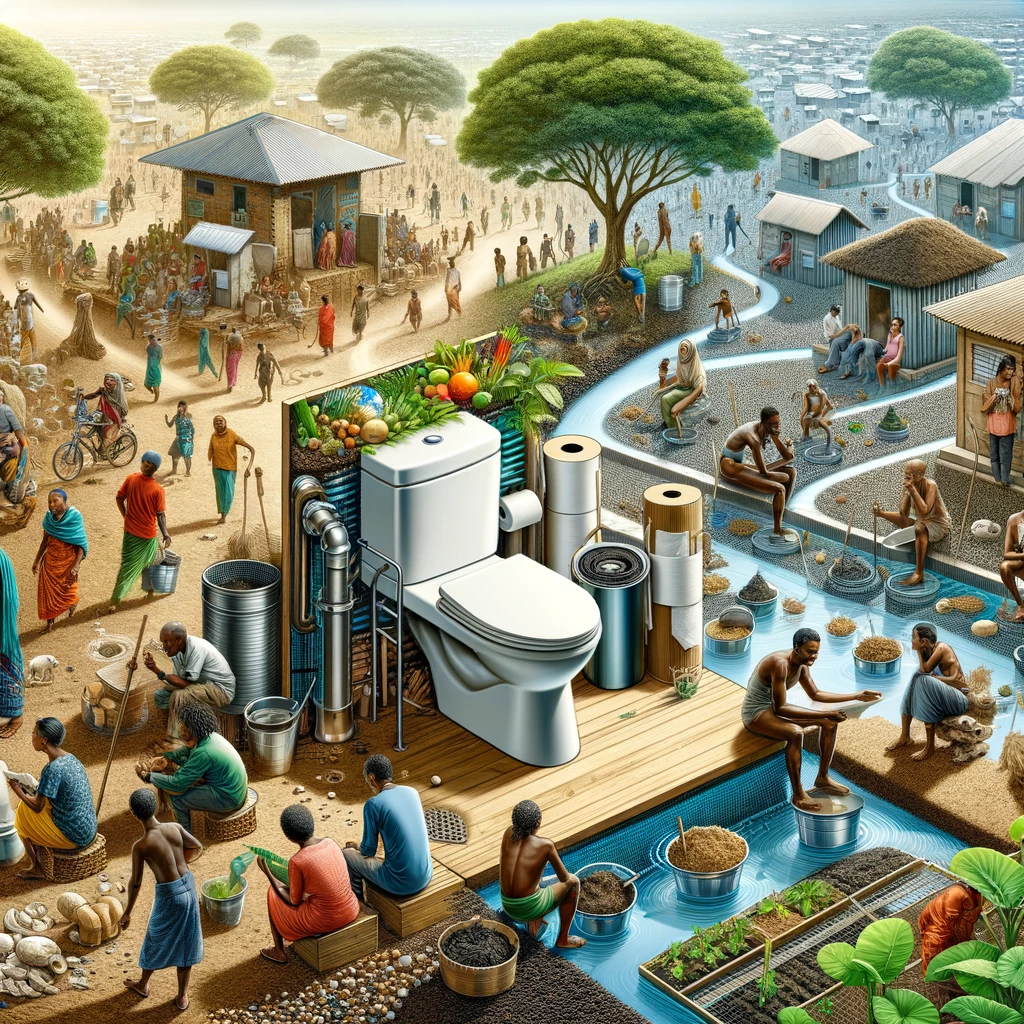
- Composting Toilets: These toilets decompose waste through a biological process, turning it into compost.
- Urine-Diverting Dry Toilets (UDDTs): These toilets separate urine from feces. Urine, rich in nitrogen and phosphorus, can be used as fertilizer.
- Constructed Wetlands: These are engineered systems that mimic natural wetlands to treat wastewater.
EcoSan Around the World
EcoSan has seen diverse applications globally. In Sweden, for instance, EcoSan has been integrated into many households and communities. In developing countries, EcoSan provides a sustainable solution to sanitation challenges, improving health and agricultural productivity.
Challenges and Opportunities
The journey of EcoSan is not without challenges. Cultural and social acceptance, technical knowledge, and financial aspects are significant hurdles. However, the growing awareness of environmental issues and sustainability is turning EcoSan from a niche concept into a mainstream solution.

The Global Impact of EcoSan
The adoption of ecological sanitation has a significant impact on global environmental and health issues. In regions where access to clean water and sanitation is a challenge, EcoSan provides a practical and cost-effective solution. For example, in rural areas of African and Asian countries, the implementation of EcoSan has led to improved hygiene, reduction in waterborne diseases, and enhanced soil fertility through the use of composted waste.
Technological Innovations in EcoSan
The evolution of EcoSan is closely linked to technological advancements. New materials and methods have made EcoSan systems more efficient and adaptable to different environments. Innovations such as biodegradable additives that speed up the composting process, or more efficient urine-diverting designs, are making these systems more practical and appealing to a broader audience.
EcoSan in Urban Environments
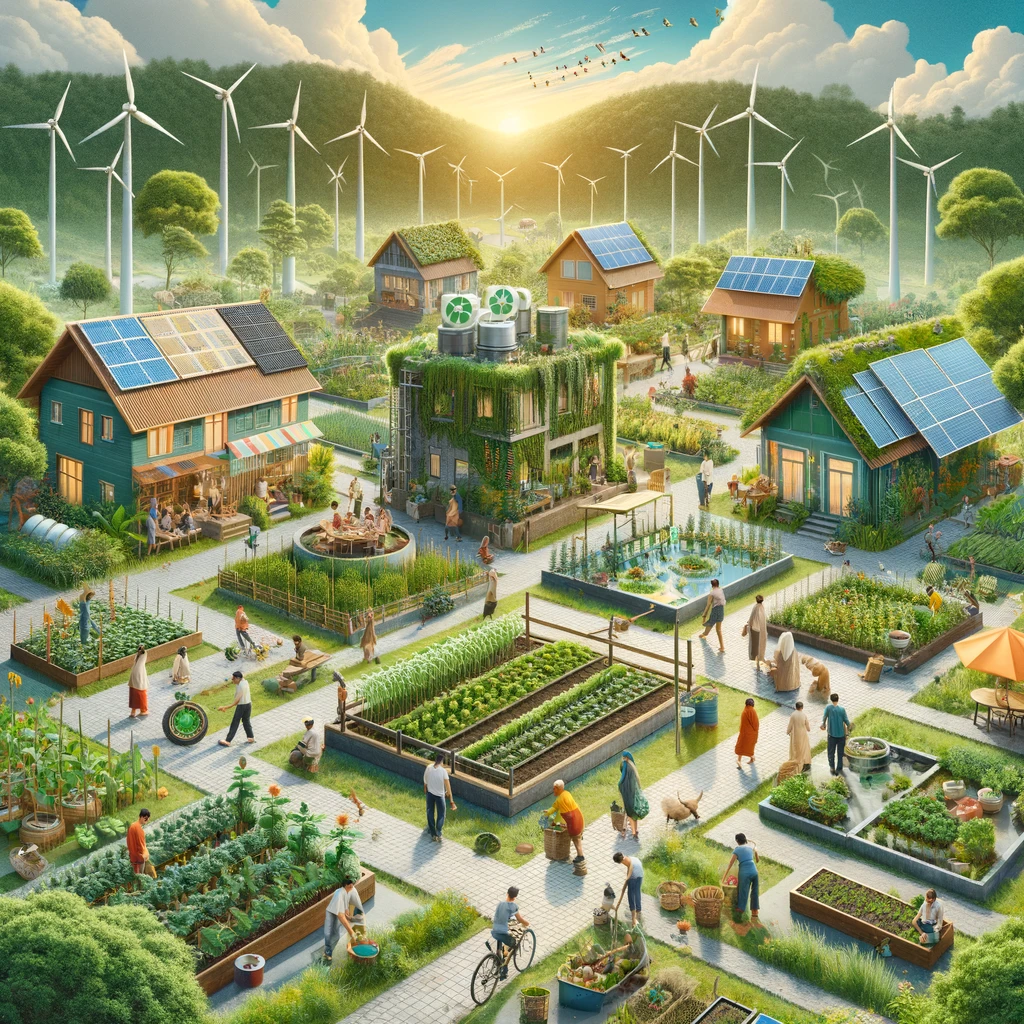
While EcoSan has seen significant adoption in rural areas, its application in urban settings is equally important. Cities face unique challenges in waste management due to high population densities. EcoSan offers solutions that reduce the load on existing sewage systems and contribute to urban agriculture. Rooftop gardens using composted waste or greywater recycling systems in buildings are examples of how EcoSan principles can be integrated into urban infrastructure.
Education and Awareness
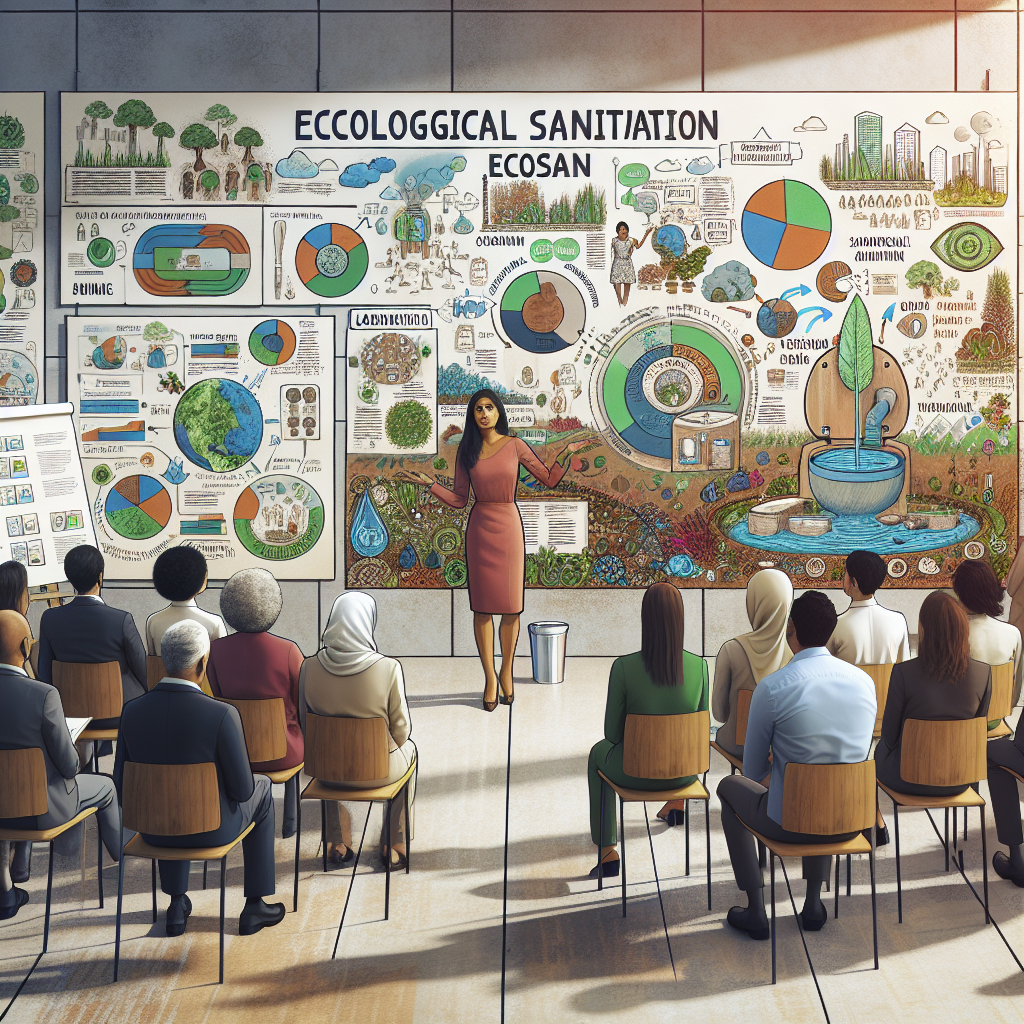
One of the critical factors in the spread of EcoSan is education and awareness. People need to understand the benefits of ecological sanitation, not just for the environment but for their health and economy. Various NGOs and government initiatives around the world are focusing on educating communities about the benefits of EcoSan, overcoming cultural barriers, and demonstrating its practicality and effectiveness.
Policy and Regulation
The role of policy and regulation cannot be understated in the propagation of EcoSan. Governments play a crucial role in setting standards, providing incentives, and facilitating research in ecological sanitation. Policies that encourage sustainable waste management practices and provide support for EcoSan projects can significantly impact their adoption.
The Future of EcoSan
Looking towards the future, EcoSan is not just a sanitation solution but a critical component of sustainable living. As we face challenges like water scarcity, climate change, and soil degradation, the principles of EcoSan offer a pathway to mitigate these issues. The integration of EcoSan with other sustainable practices like renewable energy (biogas production from waste) and water conservation strategies presents a holistic approach to sustainability.
Case Studies: Success Stories
Illustrating the success of EcoSan, several case studies stand out:
- In Haiti, post-earthquake, EcoSan toilets provided a solution to sanitation issues in temporary camps.
- In China, the EcoSan project in rural areas has turned waste into a resource for agricultural land, improving crop yields.
- In Sweden, the city of Stockholm has implemented EcoSan in various forms, showcasing its viability in a modern urban environment.
Community Involvement and Empowerment
A crucial aspect of EcoSan’s success is community involvement. When communities are engaged in the design and maintenance of EcoSan systems, it ensures that these solutions are adapted to local needs and sustainable in the long term. This empowerment also leads to innovation at the local level, adapting EcoSan principles to diverse cultural and environmental contexts.
Challenges Ahead
Despite its many benefits, EcoSan faces challenges. Acceptance and cultural norms around waste handling can be significant barriers. Additionally, initial costs and maintenance requirements of EcoSan systems can be deterrents. However, with increasing environmental awareness and technological advancements, these challenges are gradually being overcome.
Conclusion
Ecological sanitation represents a convergence of ancient wisdom and modern technology, a solution that respects both human needs and the environment’s integrity. Its evolution from basic waste disposal to a sophisticated system of resource recovery and environmental protection reflects our growing understanding of the interconnectedness of human activities and the natural world. As we move forward, EcoSan stands as a symbol of sustainable development, a beacon guiding us toward a future where human progress is in harmony with the planet we call home.