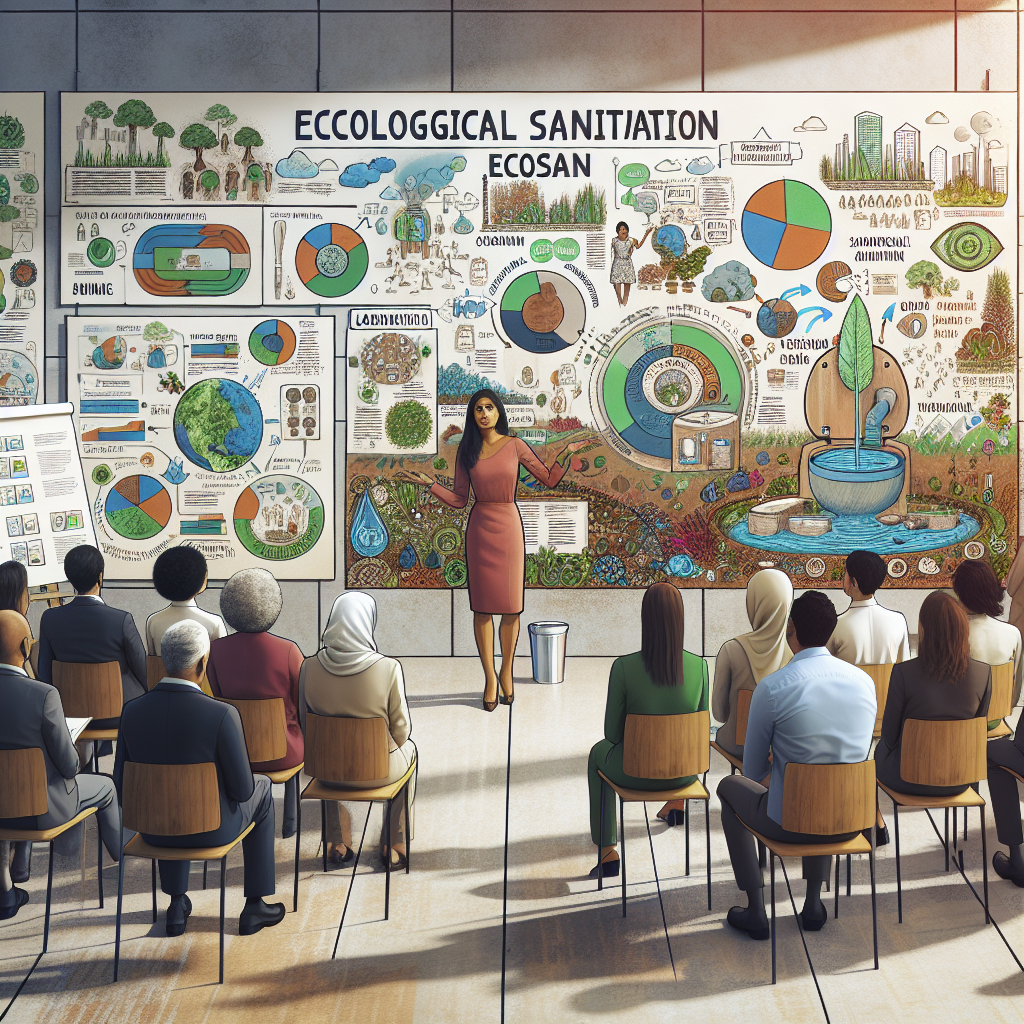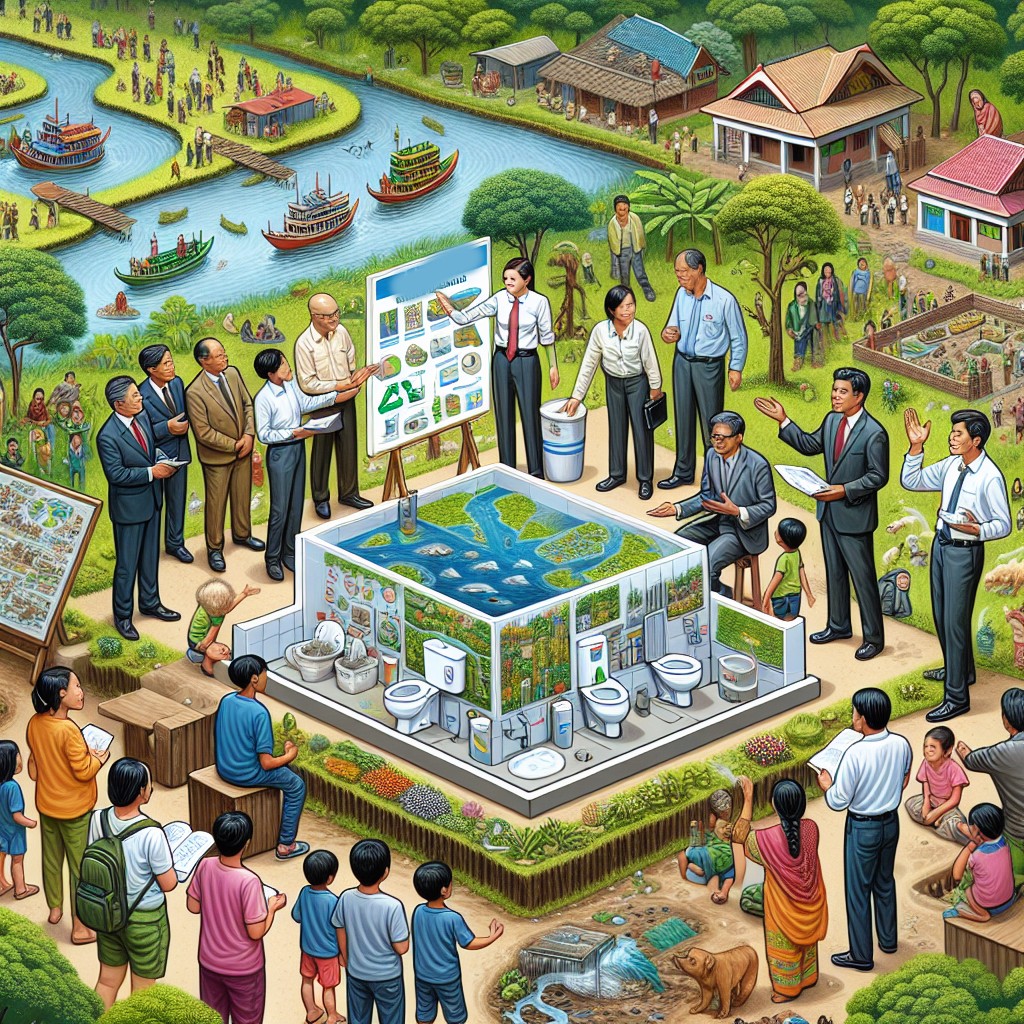
Ecological Sanitation, commonly referred to as EcoSan, is a sustainable approach to sanitation that aims to convert human waste into a valuable resource. This concept stands in stark contrast to conventional sanitation systems which often contribute to environmental pollution, water wastage, and the loss of potential nutrients. EcoSan systems are designed to safely and hygienically treat human excreta, converting them into nutrients that can be reused in agriculture, thus closing the loop between sanitation and food production.
The principles of EcoSan include the separation at source of human urine and feces, the safe treatment and reuse of these wastes, and the minimization of water usage in the sanitation process. By doing so, EcoSan not only addresses hygiene and public health issues but also contributes to soil regeneration, increased crop yields, and reduced dependency on chemical fertilizers.
Non-Governmental Organizations (NGOs) play a pivotal role in promoting and implementing EcoSan systems. They act as vital intermediaries between local communities, governments, and international bodies. NGOs are often at the forefront of introducing EcoSan principles to rural and underserved communities, where conventional sanitation solutions are either non-existent or inadequate. The role of NGOs is multifaceted, involving community education, infrastructure development, policy advocacy, and fostering partnerships. This article explores how NGOs contribute to the proliferation of EcoSan solutions globally.
Engaging Local Communities
One of the primary roles of NGOs is to engage and educate local communities about the benefits of EcoSan systems. This involves conducting workshops, seminars, and hands-on training sessions that demonstrate the functionality and advantages of EcoSan over traditional sanitation methods. NGOs often focus on building trust and understanding within communities before implementing new systems, ensuring that there is a willingness to adopt and maintain EcoSan practices.
These grassroots efforts are crucial because they empower communities with the knowledge and skills needed to manage EcoSan systems independently. NGOs typically employ local staff and volunteers who are more attuned to the cultural and social dynamics of the community, facilitating smoother communication and greater acceptance.
Moreover, educational programs provided by NGOs help dismantle myths and misconceptions surrounding human waste management. They emphasize the health benefits, environmental advantages, and economic incentives of EcoSan. For example, NGOs highlight how treated human waste can be used as a natural fertilizer, which can improve crop yields and reduce the need for costly chemical fertilizers. This approach not only addresses sanitation issues but also supports local agriculture and food security.
Infrastructure Development
Beyond education, NGOs often take on the complex task of developing EcoSan infrastructure. This includes the design, construction, and maintenance of EcoSan toilets and treatment facilities. NGOs leverage their expertise and resources to create practical, cost-effective, and context-specific EcoSan solutions. In many cases, they collaborate with engineers, architects, and local craftsmen to build systems that are both functional and culturally appropriate.
In regions where resources are limited, NGOs play a critical role in securing funding and materials necessary for EcoSan projects. They often partner with international donors, governmental agencies, and private sector stakeholders to mobilize financial and technical support. The implementation phase also involves training community members on how to properly use and maintain the EcoSan systems to ensure their sustainability and longevity.
Additionally, NGOs monitor and evaluate the performance of installed EcoSan systems, collecting data on usage, maintenance issues, and overall effectiveness. This information is vital for refining designs and improving future projects. Continuous engagement with the community ensures that any emerging issues are promptly addressed, and best practices are shared for the benefit of other regions or communities.

Policy Advocacy
NGOs also play a significant role in advocating for policies that support the widespread adoption of EcoSan practices. They work at local, national, and international levels to influence sanitation policies, standards, and regulations. This advocacy is essential for creating an enabling environment where EcoSan can thrive.
At the local level, NGOs may engage with municipal authorities to incorporate EcoSan into urban planning and development projects. They often present case studies and evidence from successful EcoSan projects to demonstrate the viability and benefits of this approach. By doing so, NGOs help integrate EcoSan into public health strategies and environmental management plans.
On a broader scale, NGOs participate in global forums and networks focused on water, sanitation, and hygiene (WASH). They contribute to policy discussions, share best practices, and advocate for increased funding and support for EcoSan initiatives. Through these efforts, NGOs help shape international guidelines and secure commitments from governments and international organizations to prioritize sustainable sanitation solutions.
Furthermore, NGOs often collaborate with academic institutions and research organizations to conduct studies that validate the effectiveness and benefits of EcoSan. This research supports their advocacy efforts by providing empirical evidence to back their claims and recommendations.
Fostering Partnerships
Collaboration is at the heart of effective EcoSan implementation, and NGOs excel at fostering partnerships among diverse stakeholders. These partnerships are essential for pooling resources, sharing expertise, and scaling up EcoSan initiatives.
NGOs often serve as a bridge between local communities and external partners, ensuring that the needs and perspectives of the community are adequately represented in project planning and execution. They facilitate collaboration between community leaders, government agencies, academic institutions, private companies, and international donors.
For instance, NGOs may partner with universities to conduct research on EcoSan technology and practices, or collaborate with private companies to develop innovative sanitation products and services. These partnerships enable the development of more effective and sustainable EcoSan solutions, benefiting from the combined knowledge and resources of all parties involved.
Successful partnerships also lead to the creation of broader networks and platforms for knowledge exchange. NGOs often organize conferences, workshops, and forums where stakeholders can share experiences, discuss challenges, and explore new opportunities. These events help build a community of practice around EcoSan, contributing to the continuous improvement and adaptation of technologies and approaches.
Challenges and Future Directions
Despite the significant contributions of NGOs, the promotion and implementation of EcoSan systems face several challenges. One of the primary obstacles is the cultural stigma associated with human waste. Overcoming deeply ingrained taboos requires sustained educational efforts and the demonstration of the tangible benefits of EcoSan systems.
Another challenge is the initial cost of constructing EcoSan infrastructure. Although EcoSan systems can be cost-effective in the long run, the upfront investment can be a barrier for many communities. NGOs must continue to innovate and find ways to reduce costs, such as using locally available materials and leveraging community labor.
Sustainability is another critical issue. Ensuring that EcoSan systems are properly maintained and utilized over the long term requires ongoing support and capacity-building. NGOs need to focus on developing robust monitoring and evaluation frameworks to track the performance of EcoSan projects and make necessary adjustments.
Looking forward, NGOs can play a crucial role in scaling up EcoSan initiatives by leveraging digital technology and social media for wider outreach and education. Virtual platforms can facilitate knowledge sharing and capacity-building across different regions, breaking down geographical barriers.
Additionally, integrating EcoSan with other sustainable development goals (SDGs), such as clean water and sanitation (SDG 6), good health and well-being (SDG 3), and sustainable cities and communities (SDG 11), can enhance the impact and visibility of EcoSan initiatives. NGOs should advocate for a holistic approach that considers the interconnections between various SDGs and positions EcoSan as a key component of sustainable development.
Conclusion: The Way Forward
The role of NGOs in promoting and implementing EcoSan systems is indispensable. Their efforts in community engagement, infrastructure development, policy advocacy, and partnership-building have significantly advanced the adoption of sustainable sanitation solutions worldwide. By addressing the multifaceted challenges of traditional sanitation systems, NGOs are helping to create healthier communities and more resilient ecosystems.
To continue making progress, it is essential for NGOs to foster innovation, leverage technology, and build strong, collaborative networks. The integration of EcoSan with broader development goals and policies will ensure that it remains a priority in the quest for sustainable development. Moreover, continued advocacy and education efforts are crucial for overcoming cultural barriers and demonstrating the long-term benefits of EcoSan systems.
As we move forward, the collective efforts of NGOs, governments, communities, and other stakeholders will be vital in scaling up EcoSan solutions and achieving a more sustainable and equitable future. Together, we can transform human waste into a resource that benefits people, economies, and the environment.