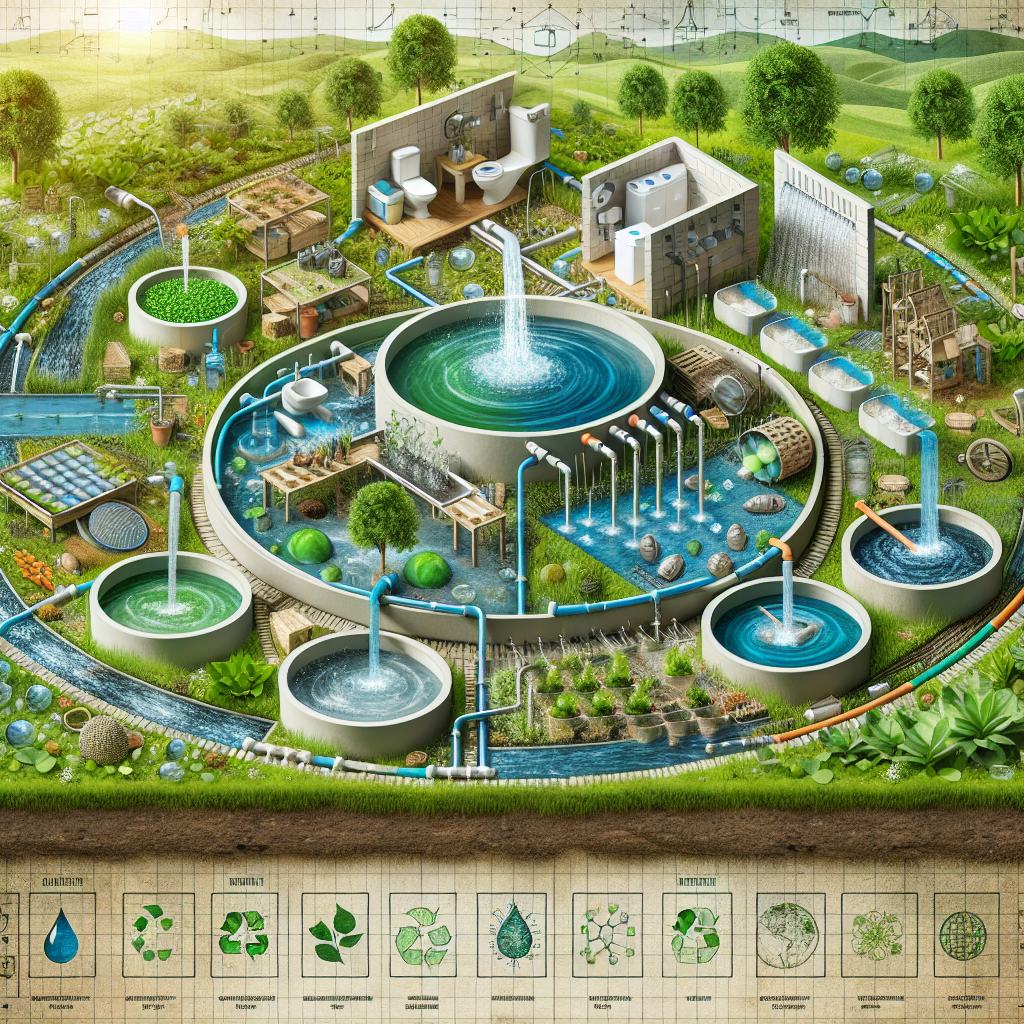
Ecological sanitation (EcoSan) embraces sustainable ways of managing human waste and wastewater to turn them into resources. One of the core aspects of EcoSan involves managing greywater in a way that promotes ecological integrity and sustainability. Greywater, which originates from sinks, showers, and washing machines, is relatively less polluted compared to blackwater from toilets. This article will delve into the principles and practices of greywater systems within the context of EcoSan, ensuring an in-depth understanding of how these systems can be effectively implemented for maximum environmental benefit.
Introduction to Greywater Systems
Greywater is an often underestimated resource in the realm of sanitation. In most households and establishments, greywater constitutes a significant proportion of the total wastewater generated. Unlike blackwater, which contains human excreta and requires rigorous treatment, greywater can be more readily treated and reused, making it a valuable asset for sustainable water management.
EcoSan principles emphasize closing the loop between sanitation and agriculture, aiming to transform waste into a resource. Greywater systems align perfectly with this ethos by suggesting ways to recycle water and nutrients back into the environment. Understanding the characteristics of greywater is crucial. Typically, it contains low levels of pathogens but can have various organic compounds, soaps, detergents, and nutrients like nitrogen and phosphorus. Efficient greywater treatment seeks to remove or reduce these pollutants to make the water safe for reuse in non-potable applications such as irrigation, toilet flushing, and even landscape restoration.
Incorporating greywater systems into EcoSan requires a holistic approach, considering factors like source segregation, suitable treatment processes, regulatory requirements, and user education. By doing so, we can minimize environmental impacts, reduce freshwater demand, and enhance sustainability. In the sections that follow, we will explore the various aspects of greywater systems, their fundamental principles, different treatment methods, and practical applications within EcoSan frameworks.
Principles of Greywater Systems
Implementing greywater systems in EcoSan involves adhering to several guiding principles that ensure effectiveness and sustainability:
- Source Separation: Separating greywater from blackwater at the source is a fundamental principle in greywater systems. This simplifies treatment processes as greywater is typically less contaminated.
- Decentralized Treatment: Employing decentralized treatment systems allows for localized management and reuse of greywater. This can reduce the strain on centralized sewer systems and make water recycling more efficient.
- Efficient Treatment: Employing sustainable and efficient treatment methods to remove pollutants from greywater is crucial. This can include physical, biological, and chemical processes tailored to the specific characteristics of the greywater generated.
- Safe Reuse: Ensuring that treated greywater is safe for its intended use. Different applications have different standards for water quality, which must be adhered to for safe and effective reuse.
- Regulatory Compliance: Abiding by local and international regulations governing greywater use. This includes obtaining the necessary permits and ensuring the system adheres to public health and environmental protection standards.
- Public Awareness: Educating users about the benefits and best practices of greywater use. This helps in gaining public acceptance and ensuring the system is operated responsibly.
Greywater Treatment Methods
The effectiveness of a greywater system largely depends on the method of treatment employed. There are several treatment technologies available, each with its own advantages and applications:
- Primary Treatment: This involves basic filtration and sedimentation processes to remove larger particles and debris from greywater. Simple screens, settling tanks, and grease traps are typical components of primary treatment.
- Biological Treatment: Leveraging microbial action to degrade organic pollutants forms the basis of biological treatment methods. Constructed wetlands, aerobic and anaerobic bioreactors, and biofilters fall into this category. These systems mimic natural processes and can effectively treat greywater for various reuse applications.
- Physical-Chemical Treatment: Techniques such as coagulation, flocculation, and membrane filtration can be employed to remove finer particles, pathogens, and other contaminants. Advanced oxidation processes and disinfection methods like UV treatment or chlorination ensure the safety of treated greywater.
- Sand Filtration: This method uses sand filters to remove particulate matter. It is effective for greywater that contains relatively low concentrations of organic pollutants.
- Electrocoagulation: This involves applying an electrical current to remove pollutants through coagulation. It’s effective for treating greywater with high levels of oils and fats.
The choice of treatment method depends on factors such as the volume and quality of greywater, the intended reuse applications, and the local environmental regulations.
Applications of Treated Greywater
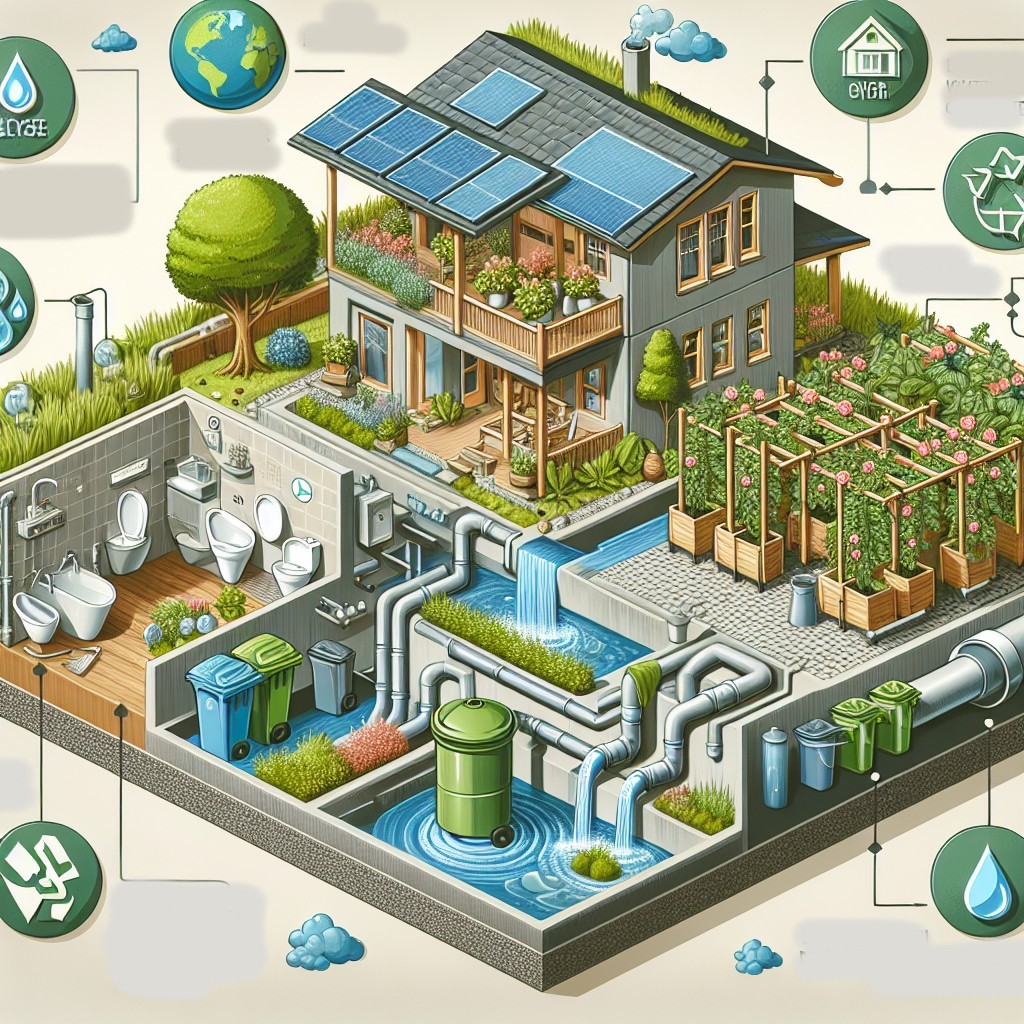
Once treated, greywater can be reused in various applications, contributing to significant water savings and environmental sustainability. Common applications include:
- Irrigation: Treated greywater is ideal for irrigating landscapes, gardens, and agricultural fields. Nutrients present in greywater can benefit plant growth, reducing the need for chemical fertilizers.
- Toilet Flushing: Reusing greywater for flushing toilets can drastically reduce freshwater consumption in residential and commercial buildings. This application is particularly effective in areas facing water scarcity.
- Industrial Uses: Industries can use treated greywater for processes such as cooling, washing, and other non-potable applications. This can significantly cut down their freshwater usage and wastewater discharge.
- Groundwater Recharge: In regions where groundwater levels are depleting, treated greywater can be used to replenish aquifers, ensuring sustainable water availability.
- Fire Protection: Treated greywater can be stored and used for fire-fighting purposes, especially in urban areas where water supply for emergencies is crucial.
Each application requires specific treatment standards to ensure the safety and suitability of the greywater. By leveraging greywater for these purposes, we can significantly reduce the overall demand for freshwater resources and enhance environmental sustainability.
Challenges and Considerations
Implementing greywater systems in EcoSan frameworks is not without challenges. Some of the key considerations include:
- Health Risks: Even though greywater is less contaminated than blackwater, it can still pose health risks if not treated properly. Pathogens and harmful chemicals can be present, necessitating stringent treatment and monitoring protocols.
- System Maintenance: Greywater systems require regular maintenance to function efficiently. Blockages, system failures, and the buildup of sediments can compromise the effectiveness of the system.
- Public Perception: There can be a stigma associated with using recycled water, even if it is treated. Public education and awareness campaigns are essential to garner acceptance and support for greywater reuse.
- Regulatory Hurdles: Navigating the regulatory landscape for greywater systems can be complex. Different regions have varying standards and requirements, which can pose challenges in system implementation and operation.
- Economic Viability: The cost of installing and maintaining greywater systems can be a deterrent for many users. However, the long-term benefits and potential savings on water bills can offset initial expenses.
Addressing these challenges requires a collaborative effort between policymakers, engineers, educators, and the public to ensure the successful implementation and operation of greywater systems within EcoSan frameworks.
Case Studies and Success Stories
Real-life examples of successful greywater systems can provide valuable insights and inspiration for implementing similar initiatives. Here are a few notable case studies:
- California, USA: Facing severe droughts, several municipalities in California have implemented greywater recycling systems for residential and commercial use. These systems have significantly reduced water demand and contributed to sustainable water management practices.
- Jordan: In water-scarce regions of Jordan, greywater recycling projects have been implemented in rural communities to irrigate crops and produce food sustainably. Local innovations in greywater treatment have improved food security and resource management.
- South Africa: In Cape Town, greywater systems have been integrated into urban planning to combat water shortages. These systems have successfully reduced the city’s water consumption and promoted resilience against water crises.
- Australia: Perth has adopted large-scale greywater reuse systems for irrigation and industrial applications. This has helped the city cope with its arid climate and minimize freshwater usage.
These case studies highlight the diverse applications and benefits of greywater systems, showcasing their potential to address water challenges in different contexts.
Conclusion
Greywater systems play a crucial role in the broader framework of EcoSan by promoting sustainable water management and resource recovery. By adhering to the principles of source separation, decentralized treatment, efficient purification, and safe reuse, we can harness the potential of greywater to reduce our dependence on freshwater resources and mitigate environmental impacts.
However, successfully implementing greywater systems requires careful consideration of technical, regulatory, and social factors. Addressing health risks, maintaining the systems, gaining public acceptance, and navigating regulatory hurdles are essential for realizing the full benefits of greywater recycling.
The growing number of successful case studies around the world provides ample evidence of the viability and advantages of greywater systems. By learning from these examples and fostering a collaborative approach, communities and policymakers can build more resilient and sustainable water management systems.
In essence, greywater systems embody the principles of EcoSan by transforming potential waste into a valuable resource. As we continue to face global water challenges, embracing greywater recycling can pave the way for a more sustainable and environmentally conscious future.