
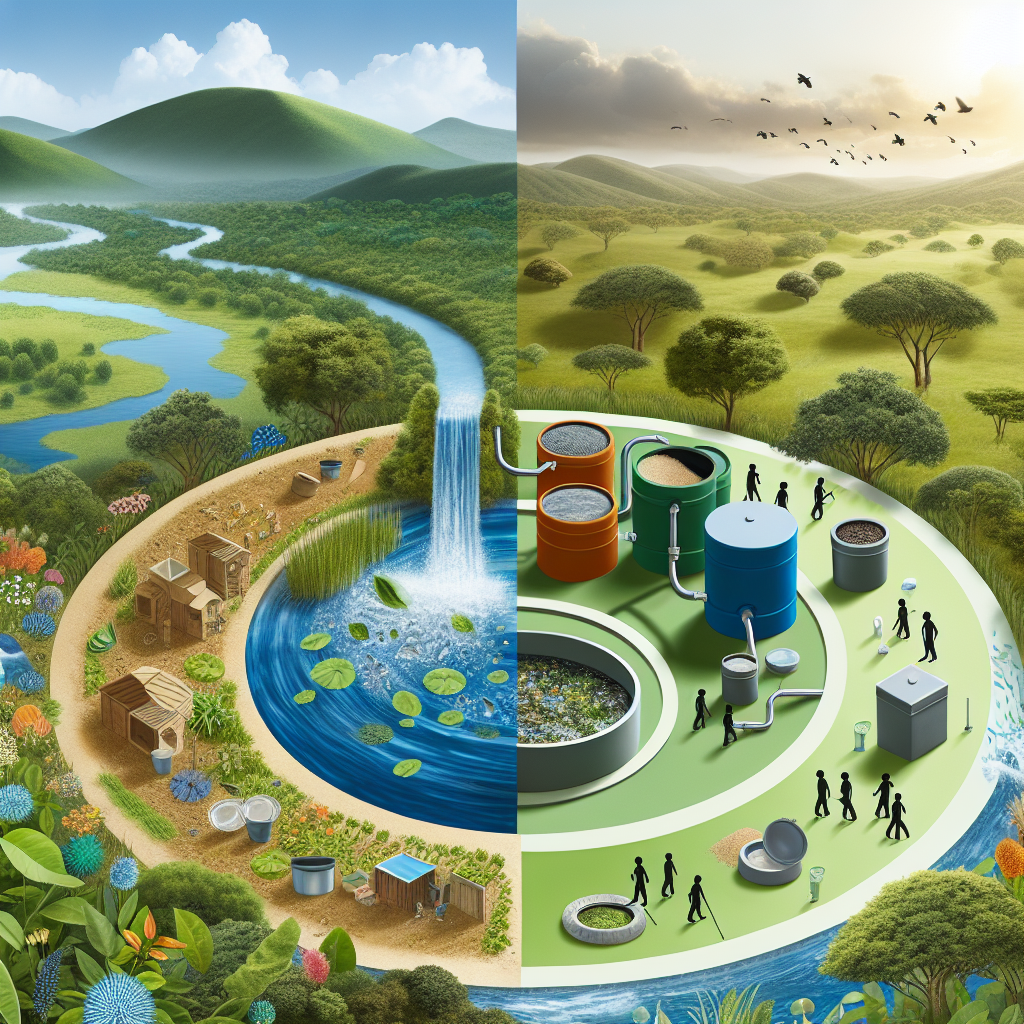
The increasing stress on global water resources is compelling communities and policymakers to reassess traditional approaches to water and sanitation. Enter Ecological Sanitation (EcoSan), a transformative framework designed to conserve water and recycle nutrients back to the environment. As urbanization and industrial activities intensify, water security becomes a critical priority, particularly in water-scarce regions. EcoSan principles not only ensure sustainable sanitation but also mitigate water pollution, enhance soil fertility, and contribute to overall public health. This comprehensive article delves into the fundamental principles of EcoSan and their pivotal role in bolstering water security.
Introduction
As the global population swells, the strain on water resources is more pronounced than ever. Adequate sanitation is crucial for human health, but traditional sanitation methods often rely on water-intensive processes that exacerbate the depletion of freshwater resources. The need for innovative solutions that balance health requirements with environmental sustainability is paramount. Ecological Sanitation (EcoSan) emerges as a potent alternative to conventional systems, prioritizing water conservation and nutrient recycling.
EcoSan operates on the principle that human waste is not merely waste but a valuable resource that can be safely processed and reused. This paradigm shift is facilitated through systems that minimize water usage, thereby preserving precious freshwater supplies. By integrating EcoSan principles, communities can transform sanitation into a resource-generating endeavor that tackles water scarcity, reduces pollution, and promotes agricultural productivity.
This article provides an in-depth exploration of EcoSan principles and their implications for water security. It also examines practical applications and case studies that underscore the transformative potential of ecological sanitation. As we navigate the intricacies of water management in the 21st century, EcoSan offers a framework that aligns human health with environmental stewardship.
Understanding EcoSan Principles
Ecological Sanitation is founded on several core principles that distinguish it from traditional sanitation methods. At its heart, EcoSan seeks to close the loop between sanitation and agriculture by safely recycling human waste into the environment. This approach is grounded in three primary principles: hygienic safety, environmental sustainability, and resource recovery.
1. Hygienic Safety: EcoSan systems are designed to protect public health by treating human waste to remove pathogens. Techniques such as composting and dehydration ensure that human waste is rendered safe before being returned to the environment. This aspect is crucial for preventing the spread of diseases and ensuring community well-being.
2. Environmental Sustainability: One of the standout features of EcoSan is its emphasis on minimal water usage. Unlike flush toilets that consume significant amounts of water, EcoSan toilets use little to no water. This conserves freshwater resources and prevents the pollution of water bodies with untreated sewage.
3. Resource Recovery: EcoSan transforms human waste into a resource for agriculture. Through processes like composting and anaerobic digestion, nutrient-rich by-products such as compost and biogas are produced. These products can be used to enhance soil fertility and provide renewable energy, thereby supporting sustainable agricultural practices and reducing dependence on chemical fertilizers.
EcoSan Technologies and Systems
A variety of EcoSan technologies and systems have been developed to implement these principles effectively. The choice of system often depends on local conditions, cultural preferences, and available resources. Below are a few prominent EcoSan technologies:
1. Composting Toilets: Composting toilets process human waste through aerobic decomposition. These systems do not require water and produce compost that can be used as a soil conditioner. Composting toilets are particularly suitable for rural areas and regions with limited water supplies.
2. Urine Diversion Dry Toilets (UDDTs): UDDTs separate urine from feces, enabling the separate treatment and reuse of these waste streams. Urine, which is rich in nitrogen, phosphorus, and potassium, can be used as liquid fertilizer after appropriate treatment. The dry fecal matter can be composted or otherwise processed to ensure pathogen removal.
3. Biogas Toilets: These systems utilize anaerobic digestion to convert human waste into biogas and nutrient-rich slurry. The biogas can be harnessed as a renewable energy source, while the slurry can be used as agricultural fertilizer. Biogas toilets are advantageous for communities seeking energy solutions alongside sanitation improvements.
4. Constructed Wetlands: Constructed wetlands are engineered systems that treat wastewater through natural processes involving plants, soil, and microorganisms. These systems can treat greywater and blackwater, producing treated effluent that meets quality standards for reuse in irrigation or landscape irrigation.
Benefits of EcoSan for Water Security
The implementation of EcoSan systems offers numerous benefits, particularly in the context of water security. Some key advantages include:
1. Water Conservation: By drastically reducing or eliminating the need for water in sanitation processes, EcoSan systems help conserve freshwater resources. This is particularly important in arid regions or places experiencing water stress.
2. Pollution Reduction: Traditional sanitation systems often result in untreated or partially treated sewage being discharged into water bodies, leading to pollution and waterborne diseases. EcoSan systems prevent this by ensuring that waste is treated and safely returned to the environment in a non-toxic form.
3. Nutrient Recycling: EcoSan systems promote the recovery and reuse of nutrients from human waste. This decreases the reliance on chemical fertilizers, which can be detrimental to water bodies due to nutrient runoff causing eutrophication. EcoSan-generated compost and fertilizers enrich soils sustainably.
4. Enhanced Agricultural Productivity: The compost and treated urine produced by EcoSan systems can significantly enhance soil fertility, leading to better crop yields. This not only supports food security but also creates a more resilient agricultural sector.
Challenges and Solutions for Implementing EcoSan
While EcoSan principles offer many benefits, their implementation is not without challenges. Addressing these challenges requires a multifaceted approach:
1. Cultural Acceptance: In some regions, the idea of reusing human waste can face cultural resistance. Public education and awareness campaigns are essential to shift perceptions and highlight the benefits of EcoSan.
2. Technical Complexity: Some EcoSan systems, particularly biogas and constructed wetlands, can be technically complex and require skilled operation and maintenance. Training and capacity-building initiatives are crucial to ensure these systems’ long-term viability.
3. Initial Investments: The upfront cost of installing EcoSan systems may be higher than conventional alternatives. However, the long-term savings in water and fertilizer costs can offset these initial investments. Governments and NGOs can play a role in providing financial support and incentives.
4. Policy and Regulation: The successful implementation of EcoSan requires supportive policies and regulatory frameworks. Governments must establish clear standards for ecological sanitation, facilitate infrastructure development, and provide guidelines for the safe use of EcoSan by-products.
Case Studies of Successful EcoSan Projects
Several successful case studies highlight the effectiveness of EcoSan systems in enhancing water security and promoting sustainability:
1. Lofthouse, Sweden: The Lofthouse community in Sweden implemented urine diversion dry toilets (UDDTs) to address water scarcity. The community successfully reduced water consumption and utilized treated urine as a fertilizer for local crops, significantly improving agricultural productivity.
2. Orangi Pilot Project, Pakistan: The Orangi Pilot Project in Karachi deployed low-cost composting toilets to address the lack of sanitation infrastructure in informal settlements. The project not only improved hygiene and reduced water usage but also generated compost that supported local agriculture.
3. Naivasha, Kenya: In Naivasha, Kenya, NGOs implemented constructed wetlands to treat wastewater from local communities. The treated water was reused for irrigation, alleviating the pressure on freshwater resources and enhancing agricultural output in the area.
Future Directions and Innovations in EcoSan
The future of EcoSan holds exciting possibilities, particularly as new technologies and innovative approaches continue to emerge:
1. Integration with Smart Technologies: The development of smart EcoSan systems equipped with sensors and data analytics can optimize waste treatment processes, monitor system performance, and enhance resource recovery efficiency.
2. Scaling Up Urban EcoSan: As urban populations grow, there is a need for scalable EcoSan solutions for cities. Innovations such as decentralized treatment units and hybrid systems combining biogas and composting processes can cater to urban needs while promoting sustainability.
3. Climate-Resilient EcoSan: Integrating EcoSan systems into climate resilience strategies can mitigate the impacts of climate change on water resources. For example, leveraging EcoSan for flood-prone areas can reduce water pollution during extreme weather events.
4. Policy Integration: Advocates for EcoSan must continue to push for the integration of ecological sanitation principles into national and international policies. Encouraging governments to recognize the interconnectedness of water security, sanitation, and agriculture is essential for holistic sustainable development.
Conclusion
As the world grapples with mounting challenges related to water security, ecological sanitation (EcoSan) emerges as a beacon of hope. By rethinking human waste as a resource and adopting principles that prioritize hygienic safety, environmental sustainability, and resource recovery, EcoSan offers transformative solutions that align with the urgent need for sustainable water management.
From conserving freshwater to enhancing soil fertility, the benefits of EcoSan are manifold. Although there are challenges to its implementation, the success stories from various parts of the world illustrate the feasibility and potential of EcoSan systems. Looking ahead, the integration of innovative technologies and supportive policies will be crucial in scaling EcoSan solutions to meet the demands of growing populations and climate change.
Ultimately, EcoSan is more than just a sanitation solution; it is a holistic approach that champions the symbiosis between humans and the environment. By embracing EcoSan principles, we can move closer to a future where water security is ensured, public health is safeguarded, and ecological balance is maintained.


