Ecological Sanitation, commonly referred to as EcoSan, has emerged as a revolutionary approach in addressing the multifaceted challenges associated with waste management, sanitation, and environmental sustainability. In essence, EcoSan is more than just a sanitation technology; it is a holistic system designed to treat human excreta as a resource rather than waste. This eco-friendly methodology emphasizes the disconnection of waste from the traditional water-based sanitation systems, opting for an approach that not only protects but also rejuvenates our ecosystems. In this article, we delve into the principles and concepts of EcoSan and explore its significant contributions to ecosystem restoration.
Understanding EcoSan Principles
The foundational principle of EcoSan is the safe, closed-loop cycle of nutrients, ensuring that nothing goes to waste. This concept revolves around the idea that human excreta, when processed correctly, can be transformed into valuable resources such as fertilizers and soil conditioners. By doing so, EcoSan aims to eliminate the environmental and health hazards associated with untreated human waste.
One of the core tenets of EcoSan is separation at the source. This process involves the separation of urine from feces, facilitating their individual treatment. Urine, rich in nitrogen, phosphorus, and potassium, becomes an excellent fertilizer after minimal treatment. On the other hand, feces are subjected to composting or other treatment processes to eradicate pathogens, resulting in a safe and nutrient-rich compost for agricultural use.
EcoSan Technologies: Innovation at its Best
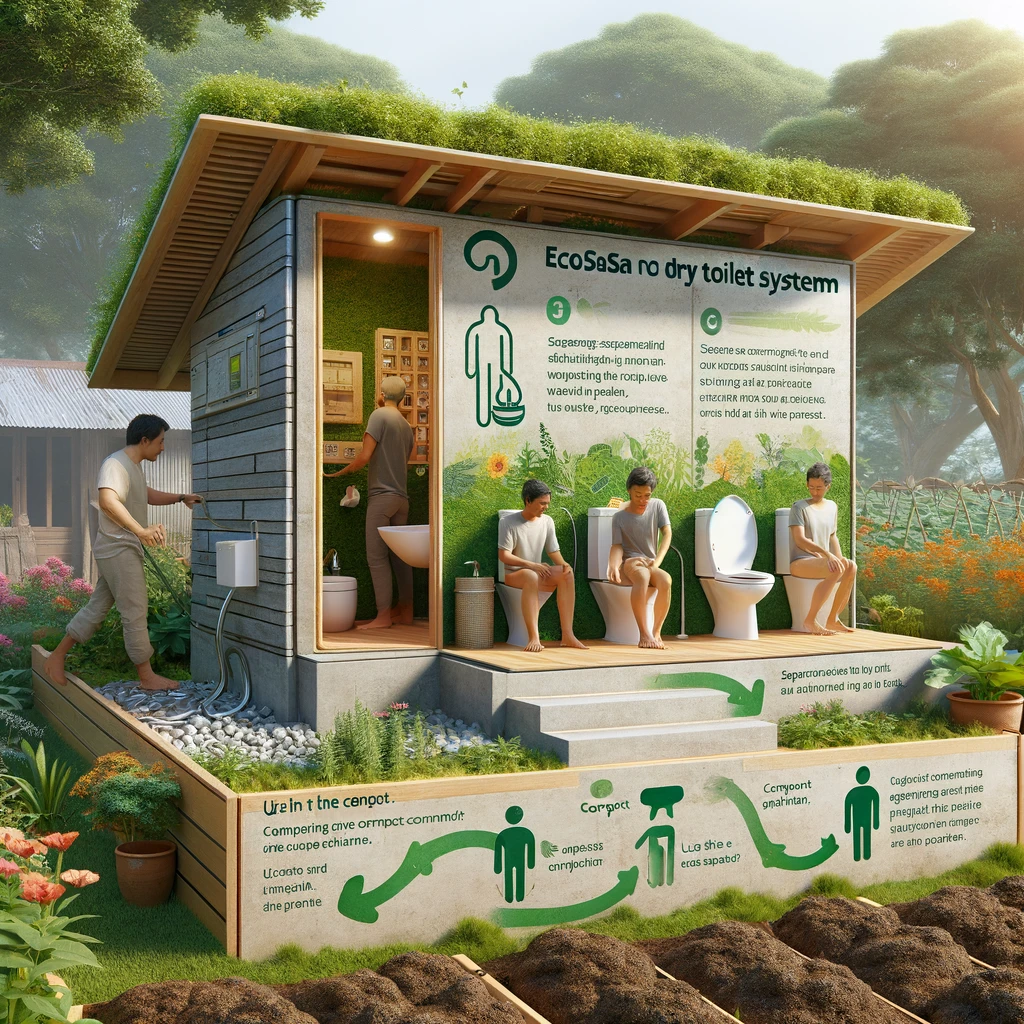
Various technologies embody the principles of EcoSan, each tailored to different environmental and socio-economic contexts. The most common EcoSan systems include composting toilets, urine-diverting dry toilets (UDDTs), and anaerobic digesters.
Composting toilets offer a digestible method of transforming feces into humus through aerobic decomposition. These toilets are designed to handle waste with minimal water usage, thus conserving valuable water resources.
Urine-diverting dry toilets (UDDTs) take a slightly different approach by separating urine and feces at the point of origin. This separation simplifies the treatment process, allowing for the efficient recycling of urine and safe composting of feces.
Anaerobic digesters, though more complex, are effective in converting organic waste into biogas and nutrient-rich slurry. This technology supports the production of renewable energy while simultaneously producing valuable soil conditioners.
EcoSan and Public Health
One of the major benefits of EcoSan is its positive impact on public health. Traditional sanitation methods often contribute to the contamination of water sources, fostering the spread of waterborne diseases. In contrast, EcoSan technologies are designed to reduce the risk of pathogen transmission by ensuring the safe handling and treatment of human waste.
Additionally, EcoSan approaches help to alleviate the pressure on limited water supplies, particularly in arid regions where water scarcity is a significant concern. By utilizing low-water or waterless sanitation systems, EcoSan conserves water while providing effective sanitation solutions.
Through improved sanitation and hygiene practices, communities can experience a reduction in diseases such as cholera, diarrhea, and other waterborne illnesses. This, in turn, contributes to higher overall public health standards and enhanced quality of life.
EcoSan and Agricultural Benefits
The transformation of human waste into valuable agricultural inputs is one of the standout advantages of EcoSan. By converting excreta into fertilizers and soil conditioners, EcoSan not only reduces the environmental burden of waste but also supports sustainable agriculture.
The nutrients recovered from human excreta, particularly nitrogen, phosphorus, and potassium, are essential for plant growth. When applied to agricultural fields, these nutrients can enhance crop yields, improve soil health, and reduce the dependence on synthetic fertilizers. This practice promotes agroecological farming methods, which are vital for sustainable food production and ecosystem health.
Furthermore, the use of treated human waste as a fertilizer closes the nutrient loop, ensuring that valuable resources are returned to the soil. This approach not only supports agricultural productivity but also minimizes environmental pollution caused by nutrient leaching and runoff from synthetic fertilizers.
EcoSan’s Role in Climate Change Mitigation
EcoSan is a powerful tool in the fight against climate change. Traditional waste management practices, such as the use of pit latrines and open defecation, contribute to the release of methane, a potent greenhouse gas. By adopting EcoSan technologies, communities can significantly reduce methane emissions.
Additionally, the production of biogas through anaerobic digestion of organic waste offers a renewable energy source. Biogas can replace fossil fuels for cooking, heating, and electricity generation, thus reducing carbon dioxide emissions and dependence on non-renewable energy sources.
The use of treated excreta as a soil amendment also enhances soil carbon sequestration. Healthy soils have a higher capacity to store carbon, which helps mitigate climate change by reducing the concentration of greenhouse gases in the atmosphere.
Challenges and Future Directions of EcoSan
Despite its numerous benefits, the widespread adoption of EcoSan faces several challenges. These include cultural acceptance, initial costs, maintenance requirements, and the need for proper education and awareness.
Cultural acceptance of handling human excreta as a resource can be a significant barrier. Overcoming this requires comprehensive education and the promotion of the benefits of EcoSan technologies. Community engagement and participatory approaches are essential in building societal acceptance.
EcoSan systems can also have higher upfront costs compared to conventional sanitation solutions. However, these costs can be offset by the long-term benefits such as reduced water bills, improved health outcomes, and increased agricultural productivity. Governments and organizations need to provide financial incentives and support to encourage the adoption of EcoSan technologies.
To ensure the sustainability of EcoSan systems, regular maintenance and proper management are crucial. Training programs on the operation and maintenance of EcoSan technologies can empower communities to take responsibility for their sanitation needs.
Conclusion
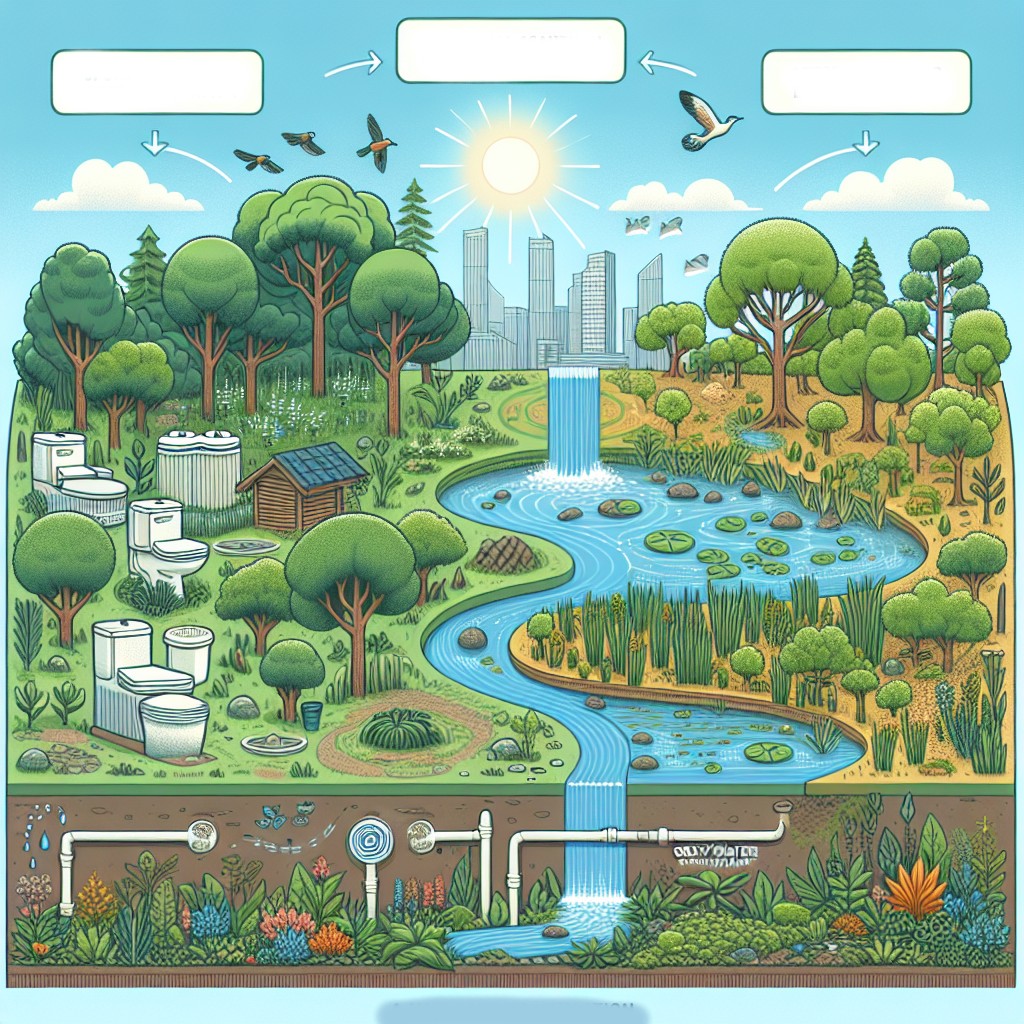
EcoSan represents a paradigm shift in the way we view and manage sanitation. By treating human excreta as a valuable resource rather than waste, EcoSan offers a sustainable solution to the intertwined challenges of waste management, public health, and environmental sustainability. Through nutrient recovery, water conservation, renewable energy production, and soil enhancement, EcoSan significantly contributes to ecosystem restoration.
By embracing EcoSan principles and technologies, communities can transform their sanitation practices, leading to healthier environments and more resilient ecosystems. The future of sanitation lies in sustainable, closed-loop systems that prioritize the health of both people and the planet. As we move towards a more sustainable future, EcoSan stands out as a beacon of innovation and hope, showcasing the potential for human ingenuity to harmonize with nature.