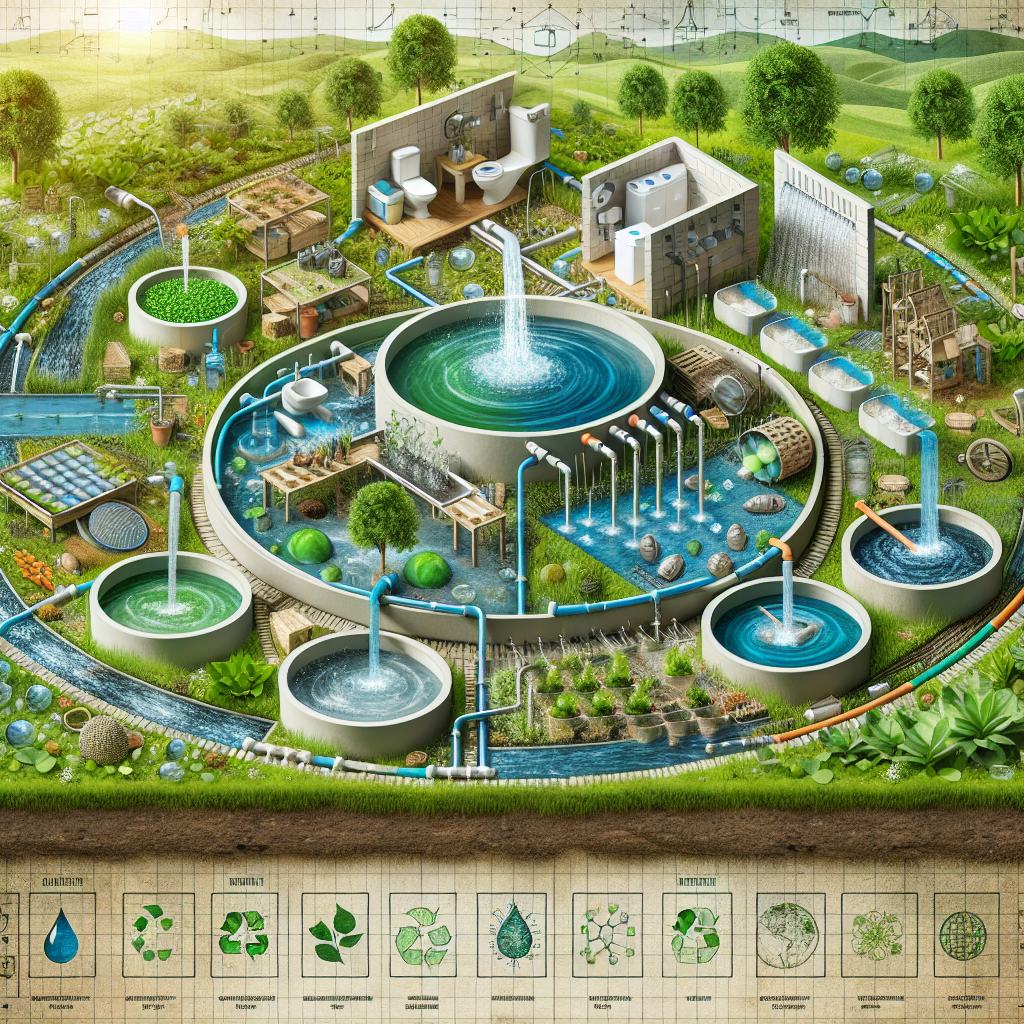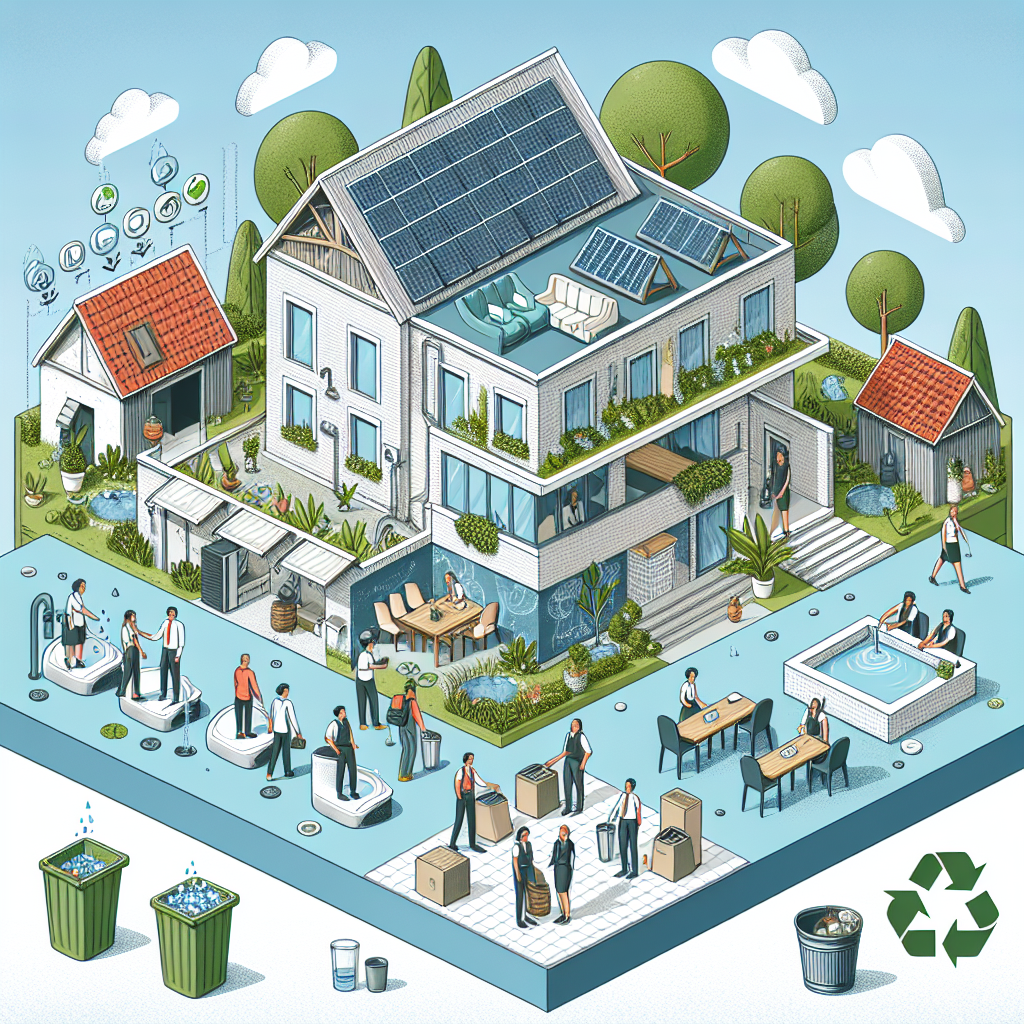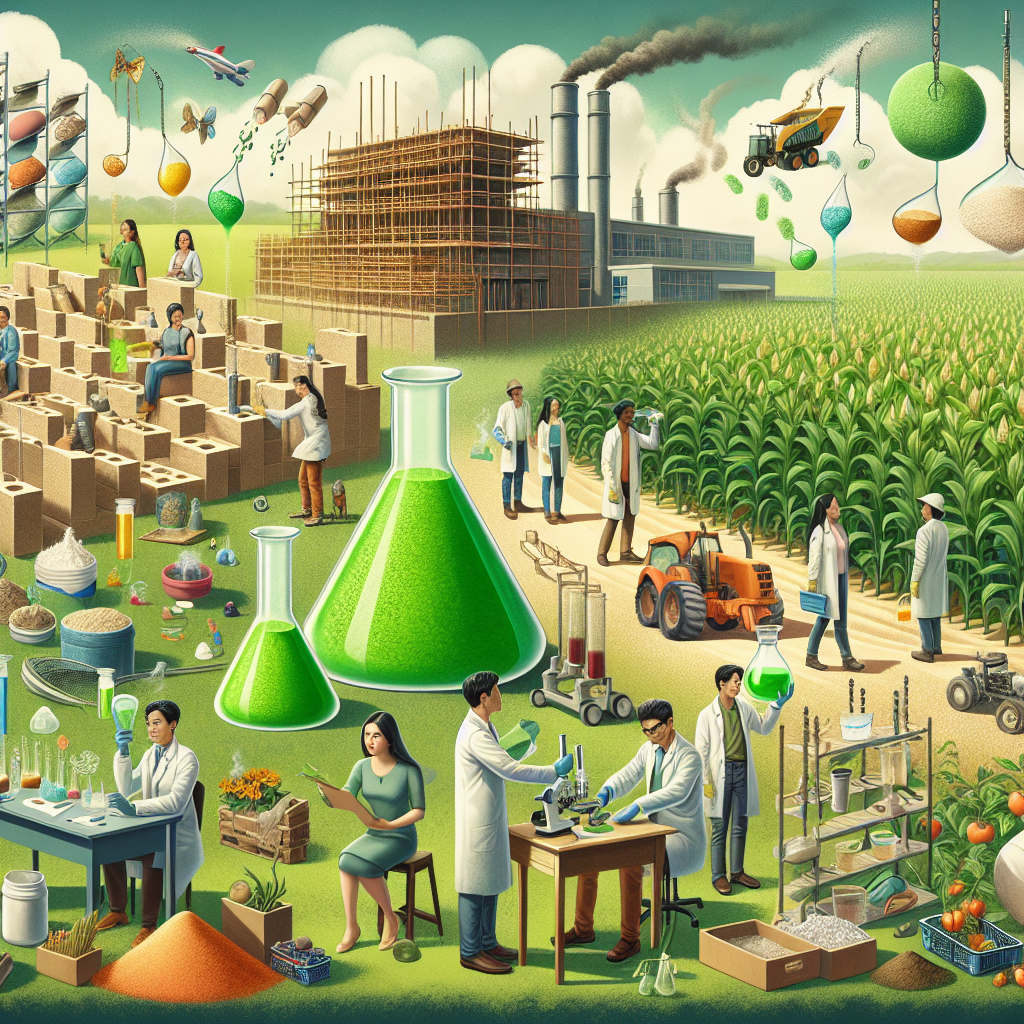
In the quest for sustainable development and environmental conservation, ecological sanitation (EcoSan) has emerged as an innovative solution that bridges sanitation, resource management, and environmental protection. EcoSan approaches sanitation as a resource recovery process rather than mere waste disposal. This paradigm shift advocates separating human excreta at the source and transforming it into valuable resources such as fertilizers, water, and biofuels.
Traditionally, sanitation methods have posed significant environmental and health hazards. Conventional systems like septic tanks and sewerage infrastructure often lead to water contamination, greenhouse gas emissions, and significant energy and resource consumption. EcoSan principles counter these adverse effects by promoting the safe recycling of nutrients and organic matter in human waste.
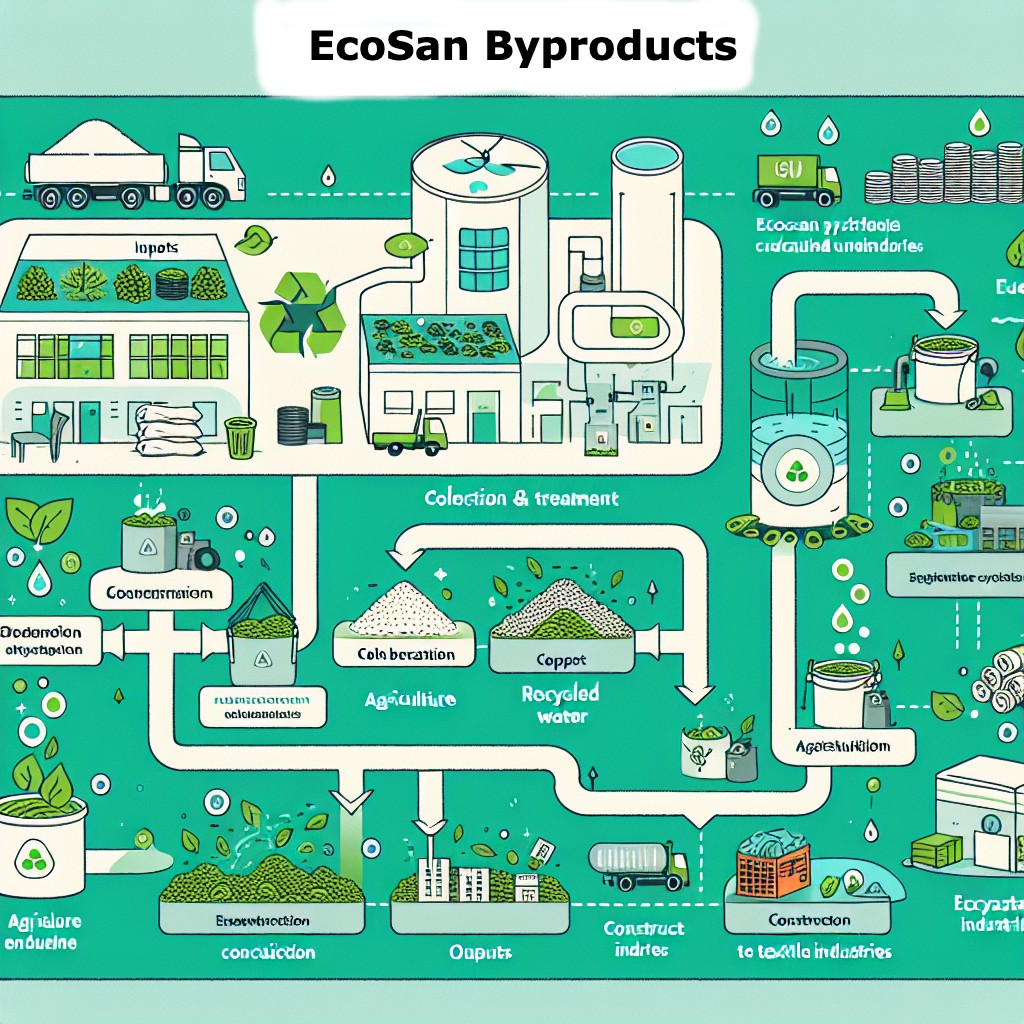
In this article, we delve into the major principles of EcoSan, and more importantly, highlight how EcoSan byproducts can be utilized across various industries to create economic and environmental benefits. The potential for transforming what was once considered waste into valuable materials offers numerous opportunities for innovative applications.
From agriculture to energy production, EcoSan byproducts have diverse applications. This comprehensive guide will discuss how these byproducts can be harnessed effectively to foster environmental sustainability and economic growth across different sectors.
EcoSan Principles and Concepts
The foundation of EcoSan rests on three primary principles: containment, sanitization, and recycling. Containment involves safely capturing human excreta in a way that prevents environmental contamination. This can be achieved using various technologies such as composting toilets, urine-diverting dry toilets, and biogas digesters. These systems isolate pathogens and reduce immediate health risks.
Following containment, sanitization is critical to ensuring that the byproducts are safe for reuse. Techniques like composting, fermentation, and anaerobic digestion play pivotal roles in breaking down pathogens and stabilizing organic matter. Effective sanitization methods make the end products safe for handling and application.
The final principle, recycling, involves re-introducing the treated byproducts into natural or industrial cycles. This approach not only mitigates waste but also recovers valuable nutrients like nitrogen, phosphorus, and organic carbon. Proper recycling transforms human waste from a disposal problem into an asset for sustainable development.
Together, these principles underpin EcoSan’s mission to create closed-loop systems where waste is continuously repurposed, minimizing environmental impact and promoting resource efficiency. Understanding these principles is essential for appreciating the potential applications of EcoSan byproducts.
EcoSan Byproducts in Agriculture
One of the most significant applications of EcoSan byproducts is in agriculture, where nutrient-rich composts and fertilizers can replace synthetic alternatives. Urine, for instance, is a valuable source of nitrogen, phosphorus, and potassium—key nutrients for plant growth. When properly sanitized, urine can be directly applied to crops as a liquid fertilizer or processed into struvite, a more stable, slow-release fertilizer.
Faecal matter, after undergoing appropriate composting processes, transforms into a nutrient-rich soil conditioner that improves soil structure, water retention, and organic matter content. Farmers benefit from increased yields and reduced dependence on chemical fertilizers, which deplete soil health over time and pose environmental risks due to runoff.
Furthermore, application of EcoSan-derived fertilizers contributes to carbon sequestration in soils. Organic farming practices using these byproducts trap carbon in the soil, mitigating climate change impacts. The closed-loop nature of EcoSan systems ensures that nutrients are cycled back into the soil, fostering sustainable agricultural practices and enhancing food security.
By adopting EcoSan principles in agriculture, farmers can harness cost-effective, environmentally friendly alternatives to conventional fertilizers, promoting a sustainable food production system that benefits both the environment and the economy.
EcoSan in Bioenergy Production
EcoSan byproducts also hold significant potential in the realm of bioenergy production. Anaerobic digestion of human waste produces biogas, a renewable source of energy comprising methane and carbon dioxide. Biogas can be used for cooking, heating, and electricity generation, providing a sustainable energy solution that reduces reliance on fossil fuels.
Additionally, the digestion process yields digestate, a nutrient-rich slurry that can be used as a biofertilizer in agriculture. This dual benefit of generating energy while producing useful byproducts exemplifies the efficiency of EcoSan systems.
Biogas production through EcoSan not only addresses energy needs but also contributes to waste management and greenhouse gas reduction. Methane, a potent greenhouse gas, is captured and utilized rather than being released into the atmosphere. By integrating biogas systems, communities can achieve energy self-sufficiency and sustainable waste management.
In rural and underserved areas, where access to energy and sanitation is limited, EcoSan-based biogas systems offer a transformative solution. These technologies can be scaled to meet the needs of small communities, providing affordable and sustainable energy while improving sanitation infrastructure.
EcoSan and Water Resource Management
Another critical application of EcoSan principles is in water resource management. Conventional waste disposal methods often lead to water contamination, contributing to water scarcity and public health risks. EcoSan approaches, however, prioritize water conservation and protection.
By separating urine and faeces at the source, EcoSan systems significantly reduce the volume of wastewater. Urine-diverting toilets, for example, ensure that urine can be safely collected and treated, minimizing pollutants in wastewater streams. This reduction in wastewater volume eases the burden on treatment plants and limits the risk of waterborne diseases.
EcoSan systems can also incorporate greywater recycling. Greywater, which is relatively less contaminated than blackwater, can be reused for irrigation and toilet flushing after minimal treatment. This approach conserves freshwater resources by reducing demand for potable water in non-drinking applications.
The integration of EcoSan principles into water resource management leads to more sustainable and efficient use of water. It reduces the environmental footprint of sanitation practices and contributes to the broader goals of water security and sustainable development.
EcoSan in Building and Construction
The byproducts of EcoSan processes, particularly composted faecal matter, can find innovative applications in the building and construction industry. Organic materials derived from properly processed waste can be used to produce eco-friendly building materials such as bio-bricks and soil-stabilizing additives.
Bio-bricks are created by mixing biosolids with other organic and inorganic materials, forming durable and sustainable building blocks. These bricks boast comparable strength to conventional bricks while offering environmental benefits through waste repurposing and carbon sequestration.
Additionally, composted faecal matter can enhance soil stabilization in construction projects. When incorporated into soil, it improves soil structure and stability, making it a valuable addition to landscaping and infrastructure development.
By leveraging EcoSan byproducts in construction, the industry can move towards more sustainable building practices. These applications not only provide cost-effective and sustainable materials but also demonstrate the versatility and practicality of EcoSan systems beyond traditional waste management.
Conclusion
The principles and applications of ecological sanitation (EcoSan) offer a revolutionary approach to managing human waste while generating valuable byproducts that contribute to sustainability across various industries. By reimagining waste as a resource, EcoSan transforms the sanitation sector, offering benefits that reach far beyond environmental protection.
From enhancing agricultural productivity and producing renewable energy to conserving water resources and developing sustainable construction materials, the potential applications of EcoSan byproducts are vast and diverse. Embracing these applications necessitates a shift in perspective—viewing human waste not as a disposal problem but as an asset for sustainable development.
Successful implementation of EcoSan principles requires collaboration between governments, communities, industries, and researchers. Policies and incentives that promote EcoSan technologies and practices can catalyze widespread adoption and innovation. Education and awareness campaigns are also crucial in changing public perceptions and encouraging participation.
In conclusion, the future of sustainable development lies in innovative solutions that embrace resource recovery and environmental stewardship. EcoSan principles and concepts, through the effective utilization of byproducts, offer a promising pathway to achieving these goals. By fostering circular economies and reducing environmental footprints, EcoSan paves the way for a more sustainable and resilient world.