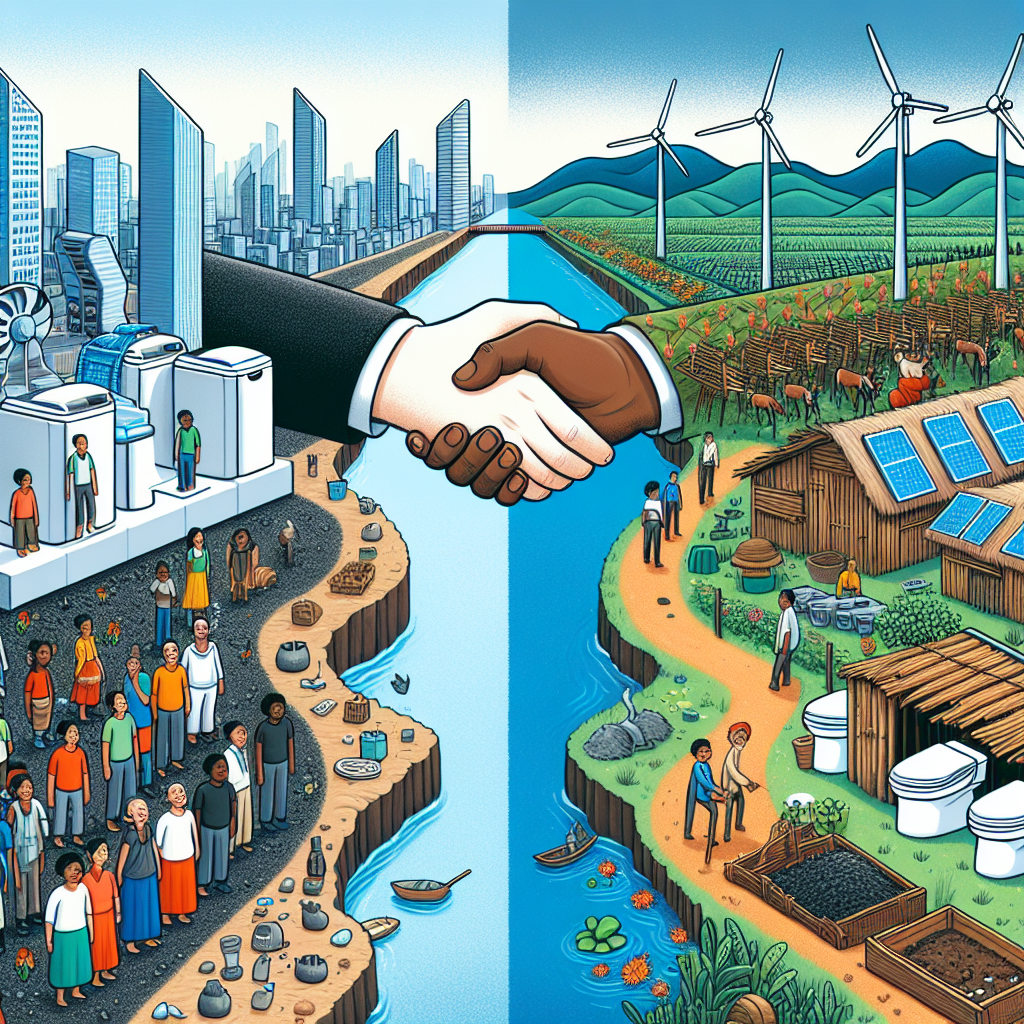
With a rapidly increasing global population and urbanization, traditional sanitation systems are proving to be inadequate and unsustainable. Ecological Sanitation (EcoSan) emerges as a promising alternative, aiming not only to manage waste but to transform it into valuable resources. This approach stands out by addressing environmental, economic, and social aspects, thus forging a holistic solution to the world’s sanitation challenges. As we look forward to 2030 and beyond, it is crucial to understand and embrace the principles and concepts of EcoSan to ensure a sustainable future.
EcoSan is not just about managing human waste; it involves a paradigm shift toward recognizing and utilizing human excreta as a resource. This approach supports the principles of environmental sustainability by reducing pollution and conserving water. Moreover, EcoSan contributes to food security by recycling nutrients back into the soil, closing the nutrient loop, and enhancing soil fertility. As we move towards the next decade, the integration of EcoSan systems will be essential in addressing not only sanitation needs but also broader environmental challenges.
The growing interest in EcoSan can be attributed to its multiple benefits. It addresses the pressing need for improved hygiene and sanitation in developing regions while also appealing to eco-conscious individuals and organizations worldwide. Furthermore, EcoSan systems can be adapted to a wide range of settings, from rural to urban areas, making it a versatile solution. By exploring the current trends and future directions of EcoSan, we can better understand how to implement these systems effectively and maximize their benefits.
EcoSan Principles and Concepts: A Circular Approach
Central to the concept of EcoSan is the principle of closing the loop. Traditional sanitation practices often result in the disposal and contamination of valuable nutrients and water resources. In contrast, EcoSan promotes the recovery and recycling of nutrients found in human waste, transforming it into safe, usable products such as fertilizers and soil conditioners. This circular approach reduces environmental pollution and enhances resource efficiency.
The core principles of EcoSan include minimizing resource use, maximizing nutrient recovery, promoting hygiene and health, and ensuring environmental protection. By designing and managing systems that uphold these principles, it is possible to achieve sustainable sanitation that benefits both people and the planet. Furthermore, EcoSan systems are designed to be adaptable and resilient, capable of functioning in diverse climatic and socio-economic conditions.
A key component of EcoSan is the separation of urine and feces at the source. This separation simplifies treatment and enables the safe reuse of nutrients. Urine, which contains a significant portion of the nutrients, can be directly used as a fertilizer after simple treatment, while feces undergo composting or other processes to ensure safe pathogen removal. By maintaining strict hygiene standards, EcoSan systems protect public health while promoting sustainability.
Innovative Technologies: Shaping the Future of EcoSan
Technological advancements are playing a pivotal role in the evolution and implementation of EcoSan systems. Innovations such as dehydrating toilets, urine-diverting systems, and bio-digesters are transforming how we manage human waste. These technologies not only enhance the efficiency of nutrient recovery but also improve user convenience and system sustainability. As we look forward to 2030, continued innovation will be crucial in scaling EcoSan solutions and making them accessible to a wider population.
Dehydrating toilets, for instance, use minimal water and convert feces into dry, odorless material that can be easily handled and treated. This approach is particularly valuable in water-scarce regions, providing a sustainable alternative to traditional flush toilets. Urine-diverting systems, on the other hand, allow for the separate collection and treatment of urine and feces, optimizing nutrient recovery and reducing the risk of contamination.
Bio-digesters represent another promising technology, converting human and organic waste into biogas and nutrient-rich sludge. The biogas can be used for cooking or electricity generation, while the sludge serves as an effective fertilizer. These systems not only address sanitation needs but also contribute to renewable energy and food security. As technological innovations continue to advance, EcoSan solutions will become even more efficient, user-friendly, and sustainable.

Integrating EcoSan in Urban Planning
With the majority of the world’s population expected to live in urban areas by 2030, integrating EcoSan principles into urban planning will be essential. Urban EcoSan systems must be designed to address the unique challenges of densely populated areas, such as limited space, high water demand, and complex waste management. By incorporating EcoSan into urban infrastructure and planning, cities can enhance sustainability, resilience, and public health.
One effective approach is the development of decentralized sanitation systems, which treat waste close to the source and reduce reliance on extensive sewer networks. These systems can be integrated into housing developments, schools, and public facilities, providing localized solutions that are easier to manage and maintain. Additionally, decentralized systems can be tailored to the specific needs and conditions of each community, ensuring greater efficiency and effectiveness.
Urban planning efforts should also prioritize green infrastructure, such as constructed wetlands and rooftop gardens, which can work in tandem with EcoSan systems to treat waste and enhance urban ecosystems. These green solutions not only improve sanitation but also provide additional benefits such as air and water purification, temperature regulation, and recreational spaces. By adopting a holistic approach to urban planning, cities can create sustainable and livable environments for their residents.
Community Engagement and Education
Successful implementation of EcoSan systems requires active community engagement and education. It is essential to involve local communities in the planning, design, and management of EcoSan projects to ensure their acceptance and long-term sustainability. By fostering a sense of ownership and responsibility, communities are more likely to maintain and utilize EcoSan systems effectively.
Education plays a critical role in raising awareness about the benefits and practices of EcoSan. Community education programs should focus on hygiene, proper use and maintenance of EcoSan systems, and the safe handling and reuse of treated waste products. By providing clear and accessible information, communities will be better equipped to adopt and sustain EcoSan practices.
Additionally, partnerships with local organizations, governments, and NGOs can enhance the reach and impact of EcoSan initiatives. These partnerships can provide technical expertise, financial support, and advocacy, helping to overcome barriers and drive widespread adoption. By working together, stakeholders can create a supportive environment for the growth and success of EcoSan systems.
Policy and Legislation: Driving Change
To achieve widespread adoption of EcoSan systems, supportive policies and legislation are essential. Governments play a critical role in creating an enabling environment for EcoSan by enacting laws and regulations that promote sustainable sanitation practices. This includes setting standards for the design, construction, and operation of EcoSan systems, as well as providing incentives for their adoption.
Policymakers should prioritize the integration of EcoSan principles into national and regional sanitation strategies. By recognizing EcoSan as a viable and sustainable alternative to traditional systems, governments can allocate resources and funding to support its implementation. Moreover, policies should promote research and development of new EcoSan technologies, ensuring continued innovation and improvement.
Effective legislation should also address challenges related to the safe handling and reuse of treated waste products. Clear guidelines and regulations are needed to ensure that these practices protect public health and the environment. By establishing a robust legal framework, policymakers can foster confidence and trust in EcoSan systems, encouraging their acceptance and use.
Conclusion: Embracing EcoSan for a Sustainable Future
As we approach 2030 and beyond, it is clear that Ecological Sanitation offers a viable solution to the world’s sanitation challenges. By embracing the principles and concepts of EcoSan, we can transform waste into valuable resources, reduce environmental pollution, and promote public health. The integration of innovative technologies, thoughtful urban planning, community engagement, and supportive policies will be crucial in driving the adoption and success of EcoSan systems.
The future of sanitation lies in sustainable and holistic approaches that recognize the interconnectedness of human, environmental, and economic well-being. EcoSan embodies this vision by providing a flexible, adaptable, and resilient framework that can be tailored to diverse settings and needs. By investing in EcoSan, we are investing in a healthier, more sustainable future for all.
Ultimately, the widespread adoption of EcoSan principles and systems will depend on our collective efforts and commitment. Governments, organizations, communities, and individuals all have a role to play in driving this transformation. As we look ahead to 2030 and beyond, let us embrace the potential of EcoSan and work together to create a cleaner, greener, and more sustainable world.