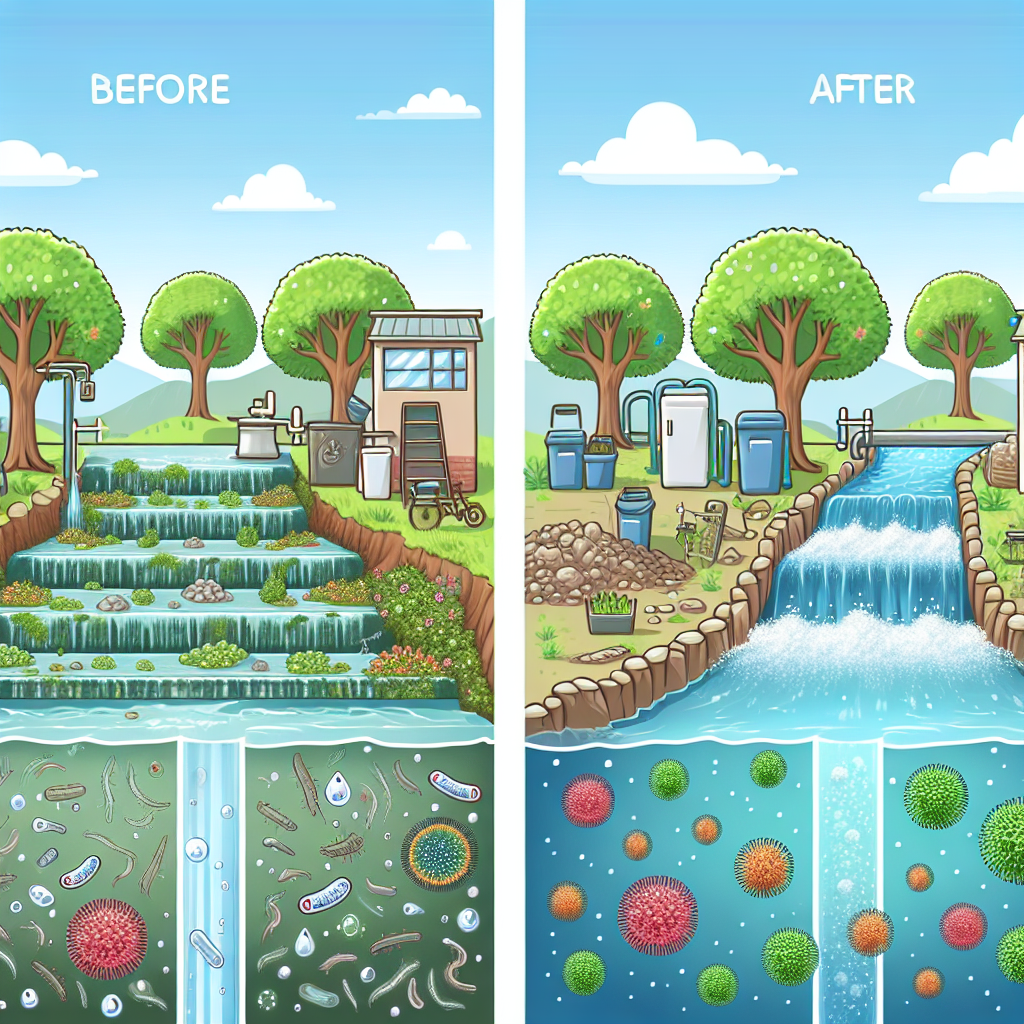
Sanitation is an essential aspect of human life, playing a crucial role in maintaining health, safeguarding the environment, and ensuring the dignity of all individuals. As populations grow and urbanize, traditional sanitation systems are undergoing increasing strain, often leading to inefficiencies and health hazards. Meanwhile, conventional wastewater treatment processes have significant environmental impacts, including water pollution, energy consumption, and emissions. In response to these challenges, one promising approach is Ecological Sanitation, commonly known as “EcoSan.”
EcoSan is not just a technological solution but a holistic approach that redefines our relationship with human waste, considering it a valuable resource rather than simply something to dispose of. It fundamentally shifts the paradigm from waste treatment and disposal to a resource-oriented management strategy. The philosophy behind EcoSan encompasses principles like the safe recycling of nutrients to agriculture, the reduction of water pollution, and minimizing environmental impact. While the functional aspects of EcoSan are critical, aesthetics play a crucial yet often overlooked role in the successful implementation and acceptance of these systems.
An aesthetically pleasing design can significantly enhance user acceptance and bring additional value to EcoSan projects. Visually appealing sanitation solutions can break the stigma associated with toilets as unpleasant places and elevate them to thoughtfully designed, eco-friendly spaces that people appreciate. This article will delve into the principles and concepts of EcoSan, with a particular focus on how good design can make these solutions more appealing, efficient, and effective.
The Foundation of EcoSan Principles
Before diving into the aesthetic aspects, it’s essential to understand the foundational principles of EcoSan. At its core, EcoSan revolves around the concept of closing the loop, which means recycling human excreta safely back to the soil as a resource. This cycle ensures that nutrients are efficiently utilized rather than wasted.
One of the primary principles of EcoSan is to recover and use nutrients. Human excreta contain valuable nutrients necessary for plant growth, such as nitrogen, phosphorus, and potassium. By processing and using these nutrients effectively, EcoSan systems can contribute to agricultural productivity and reduce the need for chemical fertilizers.
Another critical principle is the minimization of water use. Conventional sanitation systems, especially flush toilets, require significant amounts of water. In contrast, EcoSan solutions promote the separation of urine and feces, treating and reusing each fraction individually. This approach not only conserves water but also enables more efficient nutrient recovery.
Lastly, EcoSan emphasizes the protection of public health and minimizing environmental pollution. By treating human waste safely and preventing its direct discharge into water bodies, EcoSan systems help to avoid waterborne diseases and environmental contamination. The proper design of EcoSan infrastructure plays a vital role in achieving these objectives.
Design Fundamentals in EcoSan
Design in EcoSan is more than just functional; it involves an aesthetic dimension that can significantly impact user acceptance and system effectiveness. Traditional sanitation systems often suffer from negative perceptions due to poor design and maintenance. Addressing these issues requires a fresh perspective on the design of EcoSan facilities.
Firstly, integrating EcoSan solutions with local architecture and cultural preferences is essential. Regional aesthetic values, styles, and materials should be considered to make the facilities more inviting and acceptable to the community. This integration can range from the use of locally sourced building materials to incorporating traditional design elements that resonate with the users’ cultural context.
Secondly, the user experience should be front and center in EcoSan design. The aim is to create sanitary facilities that are not only functional but also pleasant to use. Features such as good ventilation, natural lighting, and ease of maintenance can significantly enhance the user experience. Additionally, considering the needs of different user groups, such as children, elderly, and disabled individuals, ensures inclusivity and accessibility.
Moreover, aesthetics in EcoSan design can serve educational purposes. Attractive and well-designed sanitation facilities can foster a sense of pride and ownership among users, encouraging them to maintain cleanliness and proper usage. Educational elements such as signage, posters, and diagrams can be aesthetically integrated into the design to promote awareness and understanding of EcoSan principles.

Innovative Materials and Techniques
The choice of materials in EcoSan construction is critical, both for functionality and aesthetics. Innovative materials that are sustainable, cost-effective, and aesthetically pleasing can enhance the overall appeal of EcoSan systems.
One such material is rammed earth, which is gaining popularity in EcoSan construction. Rammed earth involves compacting a mixture of subsoil, water, and a stabilizing agent (like cement or lime) into a mold to create strong, durable walls. This technique not only produces visually appealing structures with natural textures and colors but also has excellent thermal properties, making the facilities comfortable in various climates.
Another promising material is bamboo, known for its strength, flexibility, and rapid growth. Bamboo can be used for various structural and decorative elements in EcoSan facilities. Its natural look and feel can create warm, inviting spaces, while its sustainability aligns with the ecological goals of EcoSan.
Additionally, recycled materials can play a significant role in EcoSan design. Utilizing recycled plastics, glass, and metal not only reduces waste but can also bring creative and unique aesthetic elements to the facilities. These materials can be incorporated into walls, flooring, and fixtures, adding both visual interest and promoting sustainability.
Moreover, green roofs and vertical gardens can be integrated into EcoSan designs to provide additional environmental benefits and aesthetic appeal. These features can improve air quality, provide insulation, and create a pleasant, natural environment around the facilities.
Case Studies: Successful EcoSan Implementations
Exploring real-world examples of successful EcoSan implementations provides valuable insights into how aesthetics and functionality can coexist harmoniously. Here are a few notable case studies:
1. The EkoFarmer Ecological Toilet, Sweden: Located in the scenic Kullaberg Nature Reserve, the EkoFarmer is a dry composting toilet designed to blend seamlessly with its natural surroundings. The structure, made from locally sourced timber, features a green roof that enhances its aesthetic appeal while providing insulation and supporting biodiversity. The facility effectively manages human waste, transforming it into compost used for local agriculture.
2. The Floating Gardens of Xochimilco, Mexico: This UNESCO World Heritage site combines traditional agricultural practices with innovative EcoSan solutions. The floating gardens, or “chinampas,” utilize composting toilets that convert human waste into valuable compost for the agricultural plots. The toilets are designed with vibrant colors and patterns that reflect the local culture, making them an integral and visually appealing part of the landscape.
3. The UDDT School Program in Uganda: In several schools across Uganda, Urine-Diverting Dry Toilets (UDDTs) have been implemented to address sanitation challenges and promote eco-friendly practices. These toilets are designed with bright, colorful exteriors and educational murals that teach students about hygiene, sanitation, and the benefits of nutrient recycling. The aesthetic design makes the facilities inviting and helps to instill a sense of pride and responsibility among the students.
Community Engagement and Education
Effective EcoSan projects require active community engagement and education. Aesthetic design plays a crucial role in these efforts by making EcoSan facilities more approachable and promoting positive attitudes towards their use.
Community involvement in the design process is essential. Engaging local artists, architects, and craftsmen can ensure that the facilities reflect the community’s cultural identity and aesthetic preferences. This collaborative approach fosters a sense of ownership and pride among community members, increasing the likelihood of proper usage and maintenance.
Education is another key component. Attractive and well-designed EcoSan facilities can serve as educational tools, showcasing the benefits of ecological sanitation and encouraging sustainable practices. Informative and visually appealing signage, murals, and interactive displays can educate users about the value of resource recovery, the importance of sanitation, and how to properly use and maintain the facilities.
Moreover, using schools and community centers as platforms for EcoSan education can have a ripple effect, spreading awareness and knowledge beyond the immediate users of the facilities. Involving teachers, community leaders, and local organizations in the educational efforts can amplify the impact and foster a culture of sustainability within the community.
Future Prospects and Challenges
As EcoSan continues to gain traction worldwide, there are promising prospects for the future of ecological sanitation. Advances in technology, innovative materials, and growing awareness of sustainability are driving the development of even more efficient and appealing sanitation solutions.
Emerging technologies such as decentralized wastewater treatment systems, solar-powered sanitation units, and advanced composting techniques are expanding the possibilities for EcoSan designs. These innovations are making EcoSan systems more adaptable, scalable, and user-friendly, enabling their implementation in a wider range of contexts and settings.
Additionally, the integration of digital tools and smart technologies can enhance the functionality and management of EcoSan facilities. For example, remote monitoring and data collection can provide valuable insights into usage patterns, maintenance needs, and system performance, enabling proactive management and optimization of the facilities.
However, challenges remain. Ensuring the affordability and accessibility of EcoSan solutions for low-income communities is a critical concern. Efforts must be made to develop cost-effective designs and financing models that make EcoSan systems attainable for all. Additionally, cultural and behavioral barriers to the acceptance of EcoSan technologies need to be addressed through ongoing education and community engagement.
Another challenge is the need for supportive policies and regulations that promote the adoption and scaling of EcoSan solutions. Governments, NGOs, and international organizations have a role to play in creating enabling environments that encourage investment in and implementation of ecological sanitation systems.
Conclusion
The aesthetics of EcoSan go beyond mere visual appeal; they encompass functionality, cultural relevance, and user experience. By focusing on design principles that integrate sustainability, community engagement, and education, EcoSan facilities can become more than just sanitation solutions—they can be symbols of innovation, resilience, and ecological stewardship.
Successful EcoSan implementations show that it is possible to create sanitation facilities that are not only effective in managing human waste but also visually appealing and culturally significant. These examples serve as inspirations for future designs, demonstrating that ecological sanitation can be embraced by communities worldwide.
As we look towards the future, it is essential to continue pushing the boundaries of EcoSan design, leveraging new technologies, materials, and approaches. By doing so, we can create sanitation solutions that are beautiful, functional, and sustainable, contributing to a healthier and more resilient world.