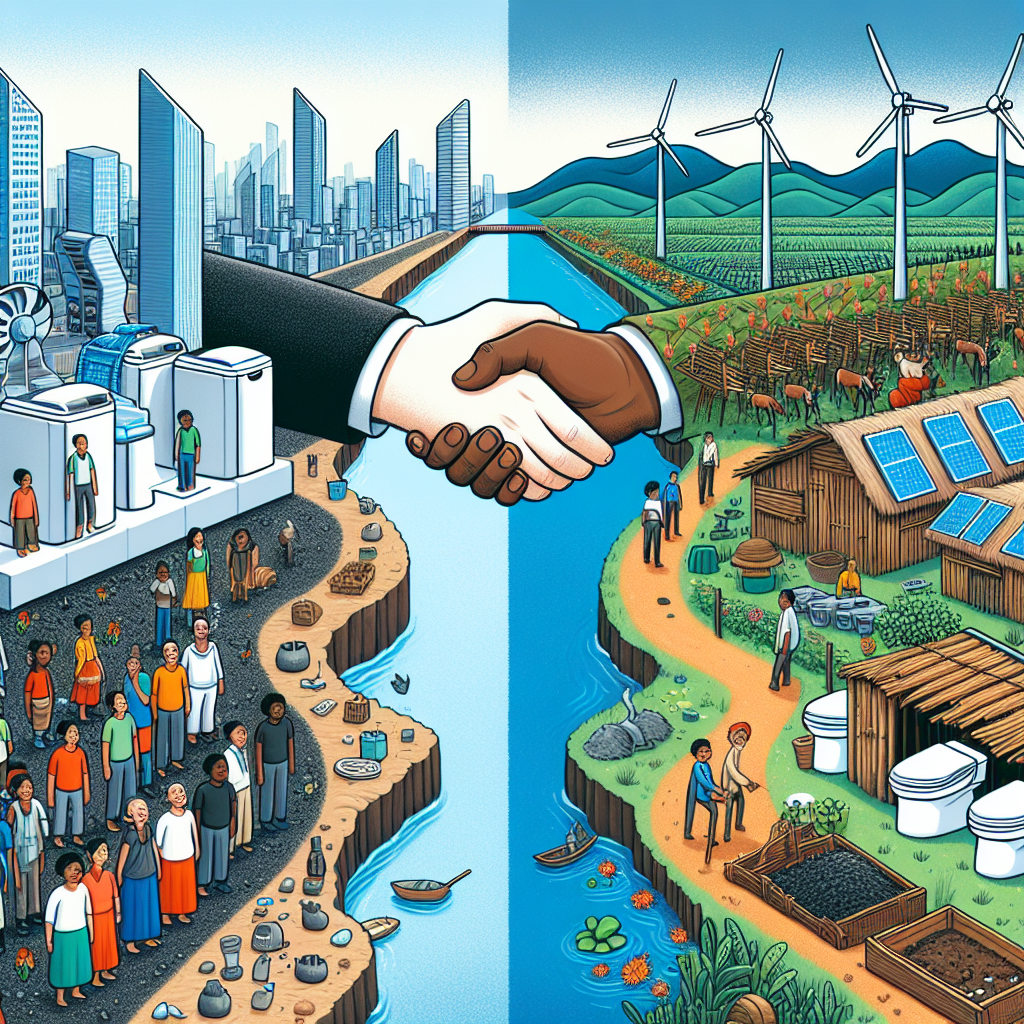
Ecological sanitation (EcoSan) is an innovative approach focused on promoting sustainable and ecological sanitation practices. EcoSan principles emphasize the need to recycle nutrients, minimize water usage, and protect natural water sources from contamination. While the concept promises significant environmental benefits and resource efficiency, implementing EcoSan projects often faces notable regulatory challenges.
The regulations governing sanitation systems have typically been shaped by conventional sewage management paradigms. Transitioning to EcoSan methods entails navigating a maze of existing laws and standards, which were not designed with these innovative systems in mind. Understanding these regulatory hurdles and learning how to address them effectively is crucial for the successful implementation of EcoSan projects.
This article explores the major regulatory barriers that EcoSan projects encounter and provides practical strategies for overcoming these obstacles. Whether you are a policy-maker, a project planner, or an eco-enthusiast, this guide aims to equip you with the necessary insights to maneuver through the regulatory landscape effectively.
Understanding Regulatory Frameworks
National and local regulations play a pivotal role in shaping how sanitation systems are designed and operated. These rules are often stringent and based on health and safety concerns predominant in traditional sewage systems. Understanding the existing regulatory framework is the first step in identifying potential obstacles to EcoSan implementation.
Regulations related to water quality, waste management, and public health are typically the most pertinent to EcoSan projects. These laws mandate specific water quality standards, prohibit the use of certain materials, and impose strict guidelines on waste disposal methods. For example, in many areas, the reuse of human waste is strictly regulated or outright prohibited, presenting a significant challenge for EcoSan, which relies on nutrient recycling.
However, these regulations are not insurmountable. The key lies in comprehensive research and early engagement with regulatory bodies. Understanding the specific legislative environment in which you plan to implement your project can help you identify potential hurdles early and advocate for appropriate regulatory changes or exceptions.
Another critical aspect is compliance documentation. Familiarizing yourself with the necessary permits, required documentation, and the application processes can streamline your project’s progression within the regulatory framework.
Working with Regulatory Bodies
Engaging with regulatory authorities is crucial for the successful implementation of EcoSan projects. Often, regulatory bodies lack familiarity with EcoSan technologies, which can lead to overly cautious or outright prohibitive stances. Establishing transparent, informative, and collaborative relationships with these bodies is essential.
Start by organizing informational sessions or workshops to educate regulators about EcoSan principles and benefits. Highlight successful case studies from other regions or countries to demonstrate the practical viability and advantages of EcoSan systems. Providing evidence-based data on the environmental and public health benefits of EcoSan can enhance credibility and showcase your commitment to meeting health and safety standards.
Regular communication with regulators, including ongoing updates about your project’s progress and compliance measures, can also foster mutual trust and understanding. Developing a clear compliance strategy that outlines how your EcoSan project will meet or exceed regulatory requirements can help mitigate concerns from regulatory bodies.
Moreover, consider advocating for regulatory reforms that recognize and support innovative sanitation solutions. Collaborative efforts with other EcoSan proponents, environmental NGOs, and academic institutions can amplify your voice and drive policy changes that facilitate the broader adoption of EcoSan systems.

Addressing Community Concerns
Community buy-in is essential for the success of any EcoSan project. Local communities are often the direct beneficiaries of improved sanitation solutions, but they can also be the source of resistance due to unfamiliarity or distrust of new technologies.
Effective communication and education are your foremost tools in gaining community support. Conduct community meetings, workshops, and educational campaigns to explain the benefits of EcoSan and how it addresses common sanitation issues more sustainably. Transparency about project goals, expected outcomes, and how community members will be involved can also foster trust and cooperation.
Additionally, soliciting community feedback and addressing their concerns proactively can prevent potential conflicts and build a stronger, more inclusive project framework. People are more likely to support initiatives when they feel their voices are heard and their needs are considered.
Successful pilot projects can serve as tangible examples that reinforce community confidence in EcoSan systems. Demonstrating the practical benefits of EcoSan, such as improved hygiene, reduced water usage, and the economic value of nutrient recycling, can help shift public perception positively.
Navigating Financial Barriers
Securing adequate financing is another significant hurdle for EcoSan projects. Traditional sanitation projects often benefit from established funding mechanisms, whereas EcoSan initiatives may struggle to find similar financial support due to their unconventional nature.
Innovative financing solutions are essential for overcoming this challenge. One approach is to seek funding from organizations dedicated to environmental sustainability, such as environmental NGOs, green investment funds, or international development agencies. These entities are often more amenable to supporting projects that align with their mission of promoting sustainable practices.
Additionally, advocating for government grants, subsidies, or incentives designed to promote green technologies can provide crucial financial backing. Highlighting the long-term cost savings and public health benefits of EcoSan systems can make a compelling case for governmental support.
Public-private partnerships (PPPs) offer another viable avenue for financing. Collaborating with private sector stakeholders who have a vested interest in developing sustainable community solutions can bring in additional resources and expertise. Creating a strong business case that outlines the economic, environmental, and social benefits of EcoSan can attract investors looking for sustainable and impactful ventures.
Enhancing Technical Capacity
The technical complexity of EcoSan systems can pose a barrier to their adoption and successful implementation. Building technical capacity within your team and broader community is essential for overcoming this challenge.
Investing in specialized training and capacity-building programs for project implementers, local technicians, and community members can equip them with the necessary skills and knowledge to manage EcoSan systems effectively. Partnering with academic institutions, technical training centers, or experienced EcoSan practitioners can provide access to valuable expertise and resources.
Furthermore, developing detailed technical guidelines and standard operating procedures (SOPs) for installation, maintenance, and operation of EcoSan systems ensures consistency and reliability. These guidelines can serve as a reference for ongoing technical support and troubleshooting.
Promoting innovation and continuous improvement is also crucial for enhancing technical capacity. Encouraging collaborative research and development (R&D) efforts, piloting new technologies, and adopting best practices from successful EcoSan projects worldwide can drive technical advancements and optimize system performance.
Leveraging Policy Advocacy
Policy advocacy plays a critical role in addressing the systemic challenges faced by EcoSan projects. Effective advocacy efforts can lead to regulatory reforms, increased investment, and broader public support for EcoSan initiatives.
Advocacy begins with a clear understanding of the policy landscape and identifying key stakeholders who influence decision-making processes. Building coalitions with like-minded organizations, environmental groups, and community leaders can amplify your advocacy efforts and create a unified voice for EcoSan promotion.
Developing compelling advocacy messages that emphasize the environmental, economic, and social benefits of EcoSan is crucial. Utilizing data-driven evidence, real-world success stories, and expert testimonies can strengthen your arguments and resonate with policymakers and the general public.
Effective advocacy also involves engaging in policy dialogues, participating in public consultations, and contributing to relevant policy development processes. Maintaining an active presence in policy forums, sanitation conferences, and related events can keep EcoSan on the agenda and showcase your commitment to sustainable sanitation solutions.
Conclusion
Overcoming regulatory hurdles in EcoSan projects requires a multifaceted approach that combines research, education, engagement, and advocacy. Understanding the existing regulatory frameworks, working collaboratively with regulatory bodies, addressing community concerns, securing financing, enhancing technical capacity, and leveraging policy advocacy are critical strategies for navigating the regulatory landscape.
Ultimately, the success of EcoSan projects depends on a collective effort from all stakeholders, including governments, non-governmental organizations, private sector partners, and local communities. By working together and harnessing the benefits of ecological sanitation, we can create sustainable and resilient sanitation systems that protect public health, conserve resources, and contribute to environmental sustainability.
As EcoSan continues to gain recognition and support globally, overcoming regulatory barriers will become increasingly feasible, paving the way for widespread adoption and implementation of ecological sanitation solutions. Let us embrace the challenges and opportunities ahead, driving positive change in our pursuit of a sustainable and healthier future.