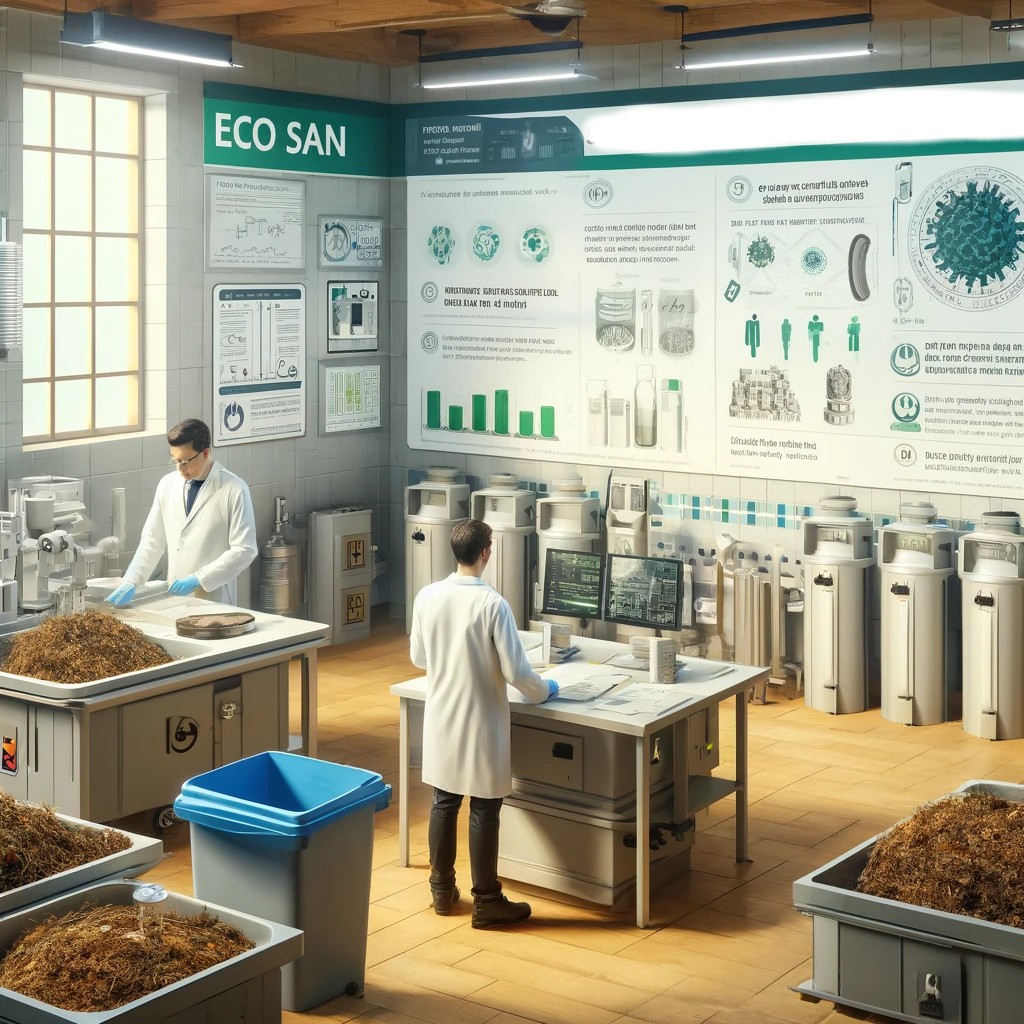
Ecological Sanitation, or EcoSan, is a sustainable approach to managing human waste that emphasizes resource recovery and environmental protection. Unlike traditional waste management systems where the primary goal is disposal, EcoSan transforms human waste into valuable resources like compost and biogas. This shift not only reduces pollution and conserves water but also creates economic opportunities and improves public health. Understanding and promoting EcoSan principles are essential for sustainable development.
The conventional methods of waste disposal such as pit latrines and flush toilets are increasingly becoming unsustainable due to rising populations, urbanization, and the threat to water resources. EcoSan offers a transformative solution by addressing these concerns head-on. It emphasizes the need for sanitation solutions that are ecologically sound and economically viable. Through a series of processes, EcoSan systems recycle nutrients back into the soil, producing food and energy in a closed-loop system.
However, merely understanding the principles of EcoSan is not enough. Implementation requires active community engagement and education. Successful EcoSan projects around the globe demonstrate that when communities are informed and involved, the adoption of these systems increases significantly. This article delves into real-world examples of effective community engagement in EcoSan projects, offering insights and inspiration for similar initiatives.
By examining case studies from different parts of the world, we can see how EcoSan is making a difference in diverse settings. From rural villages in Africa to urban slums in Asia, EcoSan systems are contributing to improved sanitation, environmental conservation, and community well-being. Join us as we explore EcoSan in action and learn how effective community engagement can drive the success of ecological sanitation initiatives.
EcoSan Principles and Benefits
EcoSan rests on core principles that differentiate it from conventional sanitation methods. These principles include the safe collection and treatment of human excreta, the recycling of nutrients, and the return of sanitized waste to the environment. This approach not only mitigates pollution but also fosters sustainability. For example, by transforming waste into compost, EcoSan reduces the dependency on chemical fertilizers, promoting healthier soil and improved crop yields.
One significant benefit of EcoSan is water conservation. Traditional flush toilets consume a substantial amount of water, a resource that is becoming scarcer in many parts of the world. EcoSan systems, such as dry toilets and urine-diverting toilets, function with minimal or no water, making them ideal for regions facing water scarcity.
Public health is another critical area where EcoSan makes a profound impact. Properly managed EcoSan systems reduce the risk of waterborne diseases by preventing the contamination of water sources. Moreover, by promoting hygiene education, these systems empower communities to adopt better sanitation practices, significantly improving public health outcomes.
Additionally, EcoSan can create economic opportunities. Through resource recovery, communities can produce and sell compost and biogas, generating income and promoting economic development. Engaging the community in the management and operation of EcoSan systems fosters ownership and sustainability of the projects.
Community-Centric Approaches
Successful EcoSan projects hinge on robust community engagement. A community-centric approach ensures that the needs, concerns, and aspirations of the people are at the forefront. This approach includes participatory processes where community members are involved in every stage—from planning and design to implementation and monitoring.
Community education is crucial. By raising awareness about the benefits of EcoSan and demonstrating the practical use of these systems, communities become more receptive and motivated to adopt them. Workshops, training sessions, and demonstration projects are effective strategies to educate communities about EcoSan.
Stakeholder involvement is another vital element. Engaging local leaders, schools, health workers, and other stakeholders creates a supportive network that can champion EcoSan initiatives. These stakeholders play a critical role in advocating for the adoption of EcoSan systems and ensuring their sustainability.
Through collaboration and shared ownership, communities can build EcoSan systems that are tailored to their unique needs and circumstances. This tailored approach not only enhances the effectiveness of the systems but also ensures that they are culturally and socially acceptable, leading to higher adoption rates.

Case Study: Success in Rural Malawi
In rural Malawi, EcoSan initiatives have demonstrated how effective community engagement can transform sanitation practices. The Malawi EcoSan project, spearheaded by local NGOs, focused on empowering community members through education and involvement. With the support of local leaders and health workers, the project provided training on the construction and maintenance of EcoSan toilets.
The community-centric approach led to widespread acceptance and adoption of EcoSan systems. Households were motivated by the potential to improve their health and generate additional income from the sale of compost. The project also facilitated the formation of community groups that managed and monitored the EcoSan systems, ensuring their sustainability.
The impact on public health was significant. With reduced waterborne diseases and improved hygiene practices, communities experienced a marked improvement in health outcomes. The EcoSan toilets also contributed to environmental conservation by preventing soil and water contamination.
Furthermore, the economic benefits were notable. Families used the compost to enhance their agricultural productivity, leading to better crop yields and food security. Selling surplus compost also provided an additional income stream, supporting the local economy.
Case Study: Urban Slums in India
In the densely populated urban slums of India, EcoSan systems have provided a viable solution to sanitation challenges. The Sulabh International Social Service Organization has been a pioneer in promoting EcoSan in urban areas. The organization’s approach focuses on community participation and education.
Addressing the urban sanitation crisis required innovative solutions and strong community involvement. Sulabh’s EcoSan toilets, designed to function with minimal water, were tailored to meet the needs of slum dwellers. The organization conducted extensive awareness campaigns and training sessions to educate the community about the benefits and use of EcoSan systems.
The involvement of women and youth was particularly effective in driving the adoption of EcoSan toilets. Women, responsible for household sanitation, became advocates for the systems, while youth participated in the construction and maintenance, gaining valuable skills and employment opportunities.
The EcoSan systems not only provided safe and dignified sanitation facilities but also contributed to environmental protection. By reducing open defecation, the project improved water quality and reduced pollution. The compost produced from the EcoSan toilets was used in urban agriculture, promoting food production and green spaces in the slums.
Engagement Strategies: Lessons Learned
Implementing EcoSan projects has yielded numerous lessons on effective community engagement. A key takeaway is the importance of early and continuous involvement of the community in the project lifecycle. This involvement fosters a sense of ownership and responsibility, which is vital for long-term sustainability.
Transparent communication is another critical strategy. Keeping the community informed about the project’s goals, progress, and challenges builds trust and ensures that everyone is on the same page. This open dialogue also provides a platform for community members to voice their concerns and contribute ideas.
Tailoring the EcoSan systems to fit the cultural and social contexts of the community is essential. Understanding local practices and preferences allows for the design and implementation of systems that are more acceptable and effective. Flexibility and adaptability in the approach can address specific community needs and barriers.
Providing ongoing support and training is also crucial. Even after the initial implementation, continuous education and capacity building help communities manage and sustain their EcoSan systems. This ongoing support can take the form of regular check-ins, refresher training, and technical assistance.
Policy Support and Collaboration
While community engagement is fundamental, policy support and collaboration with local governments and organizations amplify the impact of EcoSan projects. Policymakers play a vital role in creating an enabling environment for the adoption and scaling up of EcoSan systems.
Governments can support EcoSan initiatives through policies that promote sustainable sanitation practices and provide financial incentives for resource recovery. Subsidies, grants, and technical support can encourage communities to adopt EcoSan systems.
Collaborative efforts with NGOs, donor agencies, and private sector partners strengthen the implementation of EcoSan projects. These collaborations bring in additional resources, expertise, and innovation necessary for scaling up successful initiatives.
Integrated approaches that combine sanitation with other development goals such as health, education, and economic development can maximize the benefits of EcoSan projects. By linking EcoSan with broader sustainability agendas, communities can achieve multiple benefits, enhancing overall quality of life and environmental health.
Conclusion
The transformation of sanitation through EcoSan is not just about technology; it’s about people, communities, and sustainable practices. The principles of EcoSan—focusing on resource recovery, environmental protection, and public health—provide a robust framework for sustainable sanitation solutions.
Real-world examples from rural Malawi and urban India underscore the significance of community engagement in the success of EcoSan projects. By educating and involving community members, these projects have not only improved sanitation but also contributed to better health outcomes, environmental conservation, and economic development.
The lessons learned from various EcoSan initiatives highlight the importance of early and continuous involvement, transparent communication, culturally sensitive design, and ongoing support. These strategies, coupled with policy support and multi-stakeholder collaboration, can drive the widespread adoption of EcoSan systems.
In conclusion, EcoSan presents a transformative solution to global sanitation challenges. By leveraging the power of community engagement and sustainable practices, we can create a future where sanitation promotes health, protects the environment, and sustains livelihoods. As we move forward, let’s continue to learn from successful examples, innovate, and collaborate to make EcoSan a reality for all.