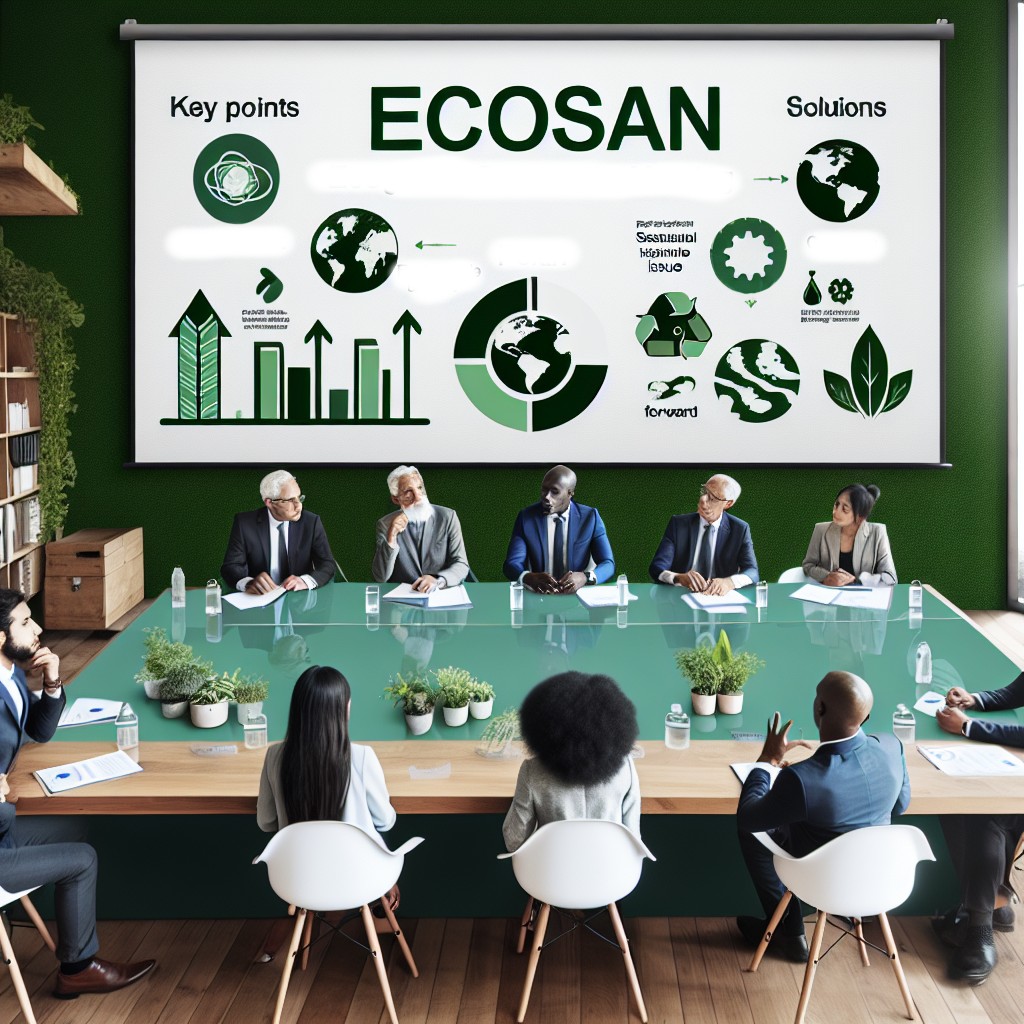
Ecological sanitation (EcoSan) is a sustainable approach to managing human waste by considering it a resource rather than waste. This philosophy integrates principles of public health protection, resource recovery, and environmental improvement. While the benefits of EcoSan are clear, its adoption varies greatly across different cultures and regions. This article delves into the worldwide acceptance and adaptation of EcoSan, exploring both the progress made and the challenges faced.
Understanding EcoSan Principles At its core, EcoSan aims to prevent pollution from human waste, reduce the use of water in sanitation systems, and recover nutrients for agriculture. EcoSan systems are designed to safely process and transform waste into usable resources such as compost and treated wastewater, which can be reused for agricultural or landscaping purposes.
Cultural Acceptance of EcoSan The acceptance of EcoSan depends significantly on cultural perceptions and local conditions. In some regions, the idea of reusing human waste in agriculture meets with resistance due to social taboos and health concerns. However, educational initiatives that focus on the safety and environmental benefits of EcoSan can help shift public opinion.
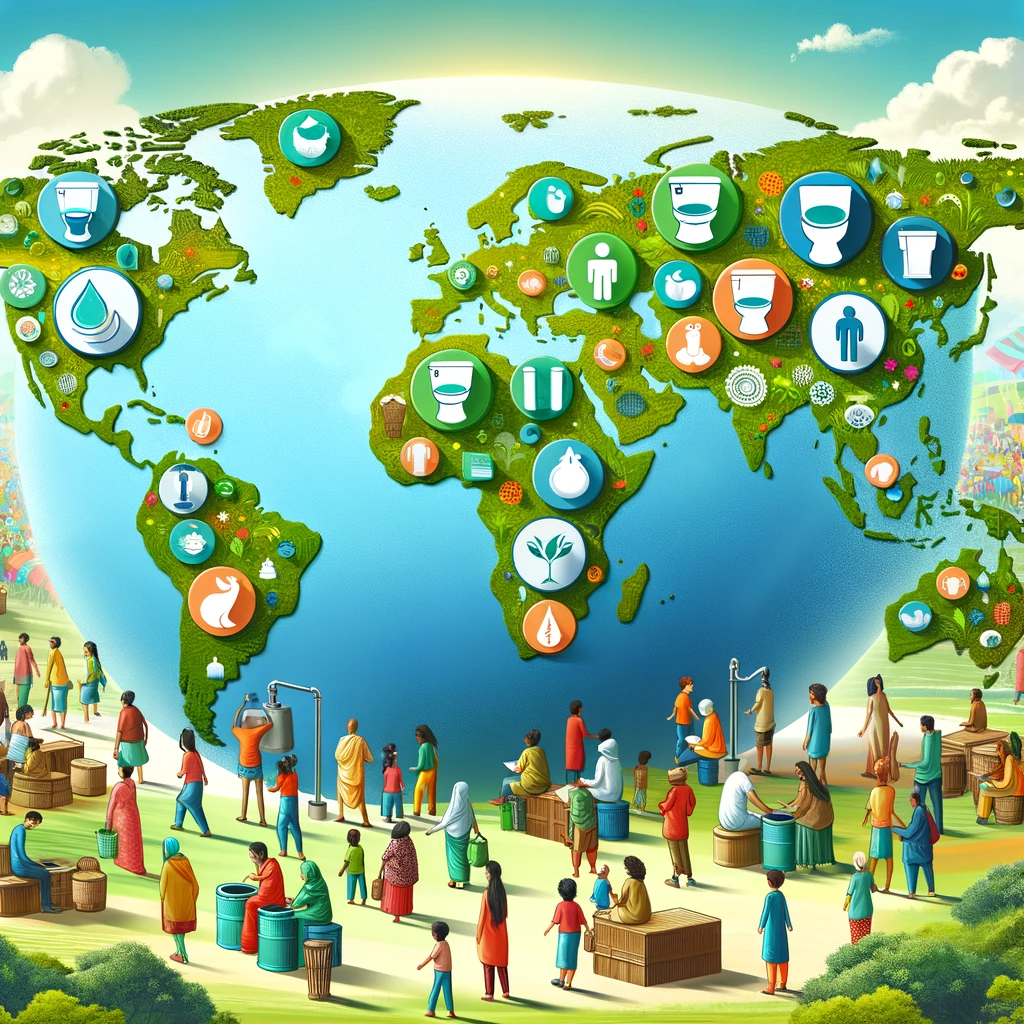
- Africa In many African countries, water scarcity and the need for sustainable agricultural practices have led to a relatively high acceptance of EcoSan. Projects in countries like South Africa and Uganda have successfully implemented EcoSan systems by working closely with local communities to design culturally appropriate and technically feasible solutions.
- Asia Asia presents a diverse picture, with countries like India and China at the forefront of integrating EcoSan into national policies. However, the challenge lies in large-scale implementation and overcoming historical preferences for traditional sanitation systems. Community-led total sanitation (CLTS) initiatives have been crucial in promoting acceptance.
- Latin America In Latin America, countries such as Brazil and Mexico have experimented with EcoSan, particularly in rural and peri-urban areas. The adaptation here often focuses on modifying EcoSan systems to fit local architectural styles and social norms.
- Europe and North America In Western countries, EcoSan is often seen through the lens of reducing water usage and carbon footprints. Here, the adoption is more about integrating EcoSan into existing modern infrastructure and promoting its use in new green building projects.
Technological and Resource Challenges Adopting EcoSan is not merely a cultural issue but also a technological and resource-based challenge. Many communities may lack the initial financial resources, technical expertise, or infrastructure to implement EcoSan systems effectively. Partnerships between governments, non-profit organizations, and international bodies are crucial in overcoming these hurdles.
Educational and Advocacy Efforts Education plays a pivotal role in the acceptance of EcoSan. By educating the public about the environmental and health benefits of EcoSan, as well as dispelling myths associated with the reuse of sanitized human waste, communities can make more informed decisions. Advocacy efforts also focus on policy changes at both local and national levels to support EcoSan initiatives.
Future Prospects Looking forward, the integration of EcoSan into more communities worldwide will likely depend on continuous educational efforts, technological innovations, and robust policy frameworks that promote sustainable practices. The increasing awareness of climate change and resource scarcity might also push more regions to consider EcoSan as a viable alternative to conventional sanitation systems.
The adaptation of EcoSan across different cultural landscapes shows a promising trend towards more sustainable sanitation practices. Despite the challenges, the progress made in various countries reflects a growing global recognition of the importance of resource recovery and environmental protection. As we move forward, it will be essential to continue fostering dialogue, sharing successful case studies, and developing adaptable EcoSan solutions that respect and integrate cultural values and practices.
Strategies for Enhancing EcoSan Acceptance
Despite varied progress across different regions, several strategies have proven effective in enhancing the acceptance and implementation of EcoSan worldwide. These strategies not only focus on overcoming cultural barriers but also address technical and financial challenges.
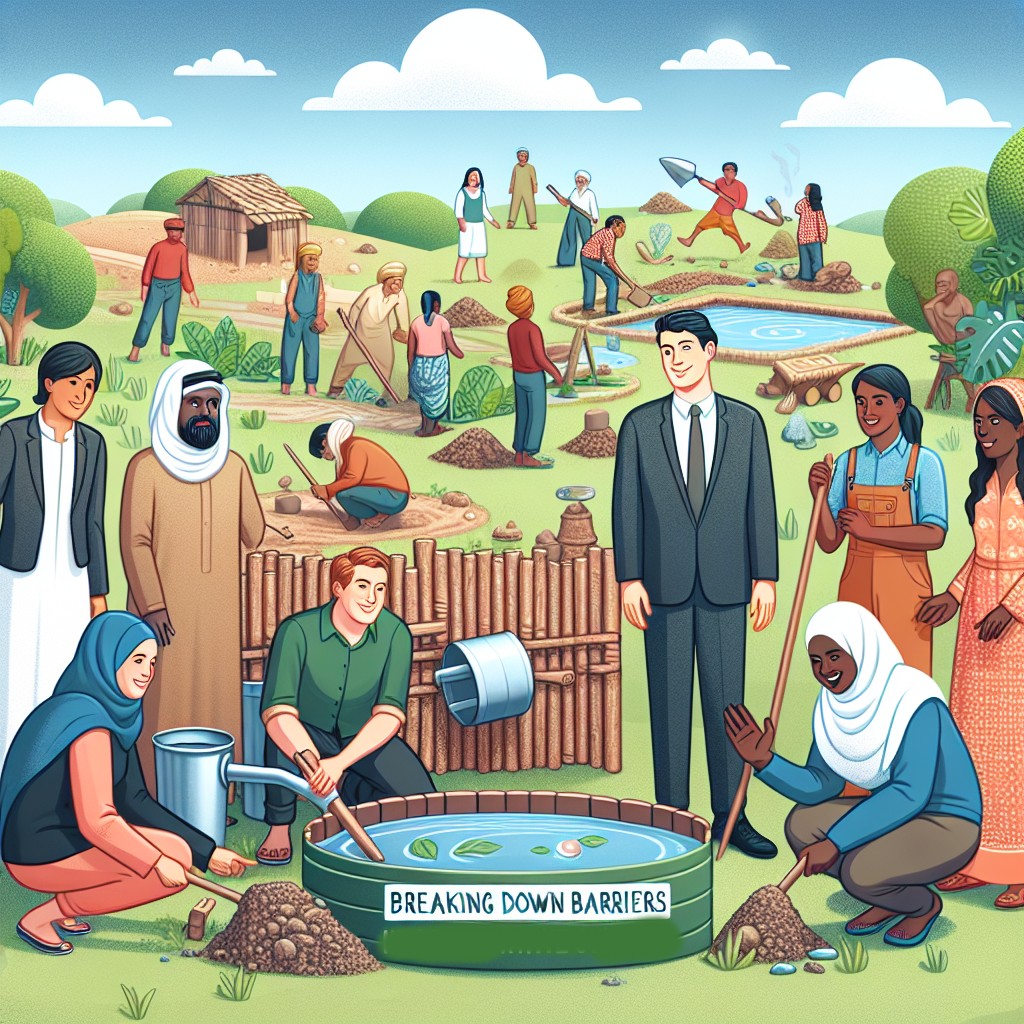
Community Involvement Involving the community in the planning and implementation process is crucial. When local residents are part of the decision-making process, they are more likely to accept and maintain new systems. For example, participatory workshops where community members can voice their concerns and contribute ideas can lead to designs that are better suited to local needs and preferences.
Case Studies and Pilot Projects Implementing pilot projects that serve as real-life examples of how EcoSan systems can benefit the community can be a persuasive tool. Seeing successful cases firsthand can help mitigate fears and misconceptions about the sanitation process. In regions like East Africa, pilot projects have successfully demonstrated how EcoSan can be integrated into local agriculture, leading to increased crop yields and improved soil health.
Integration with Local Practices Adapting EcoSan systems to align with existing practices and infrastructures can facilitate smoother adoption. For instance, in many parts of rural India, EcoSan toilets are designed to resemble traditional toilets to reduce the learning curve and increase acceptance among the elderly and other resistant groups.
Government Policies and Incentives Supportive government policies are vital for the widespread adoption of EcoSan. This includes subsidies for EcoSan technologies, regulations that favor sustainable sanitation solutions, and incentives for organizations that implement EcoSan systems. Such policies can lower the barriers to entry for communities considering EcoSan.
Education and Training Continuous education and training programs are essential to dispel myths and build capacity. This includes training on the maintenance of EcoSan systems and the safe handling of recovered resources. Educational programs in schools can also introduce young generations to the concepts of sustainable sanitation from an early age, fostering a culture of environmental consciousness.
Technology Adaptation and Innovation Technological innovations can make EcoSan systems more appealing and easier to adopt. For example, modern composting toilets are designed to be odor-free and can fit into the aesthetic of a conventional bathroom, which may be more acceptable in urban areas. Furthermore, advances in microbial technologies to ensure pathogen-free compost can increase trust and safety perceptions.
Global Partnerships and Knowledge Sharing Building global partnerships for knowledge sharing and support can accelerate the spread of EcoSan. International NGOs, research institutions, and governments can collaborate to share best practices, innovations, and lessons learned. Such cooperation can also lead to standardized guidelines that can be adapted for local use.
Challenges Ahead While the strategies above have led to significant progress, several challenges remain. These include overcoming deep-seated cultural taboos, ensuring long-term maintenance of EcoSan systems, and adapting to diverse climatic and geographical conditions. Additionally, as urbanization increases, integrating EcoSan solutions in densely populated urban areas presents a unique set of challenges.
Moving Forward The journey toward widespread acceptance of EcoSan is complex and multifaceted. It involves a delicate balance of respecting cultural norms while introducing new practices that offer significant health, environmental, and economic benefits. Continued advocacy, research, and community engagement are crucial as we aim to make sustainable sanitation a global reality.
Conclusion The cultural acceptance and adaptation of EcoSan across the globe illustrate a significant shift towards sustainability in sanitation practices. By understanding the unique challenges and opportunities in each region, stakeholders can better design and implement systems that not only protect the environment but also enhance the quality of life for countless individuals. With persistent effort and collaborative strategies, the future of EcoSan looks promising, promising a cleaner, more sustainable world for future generations.