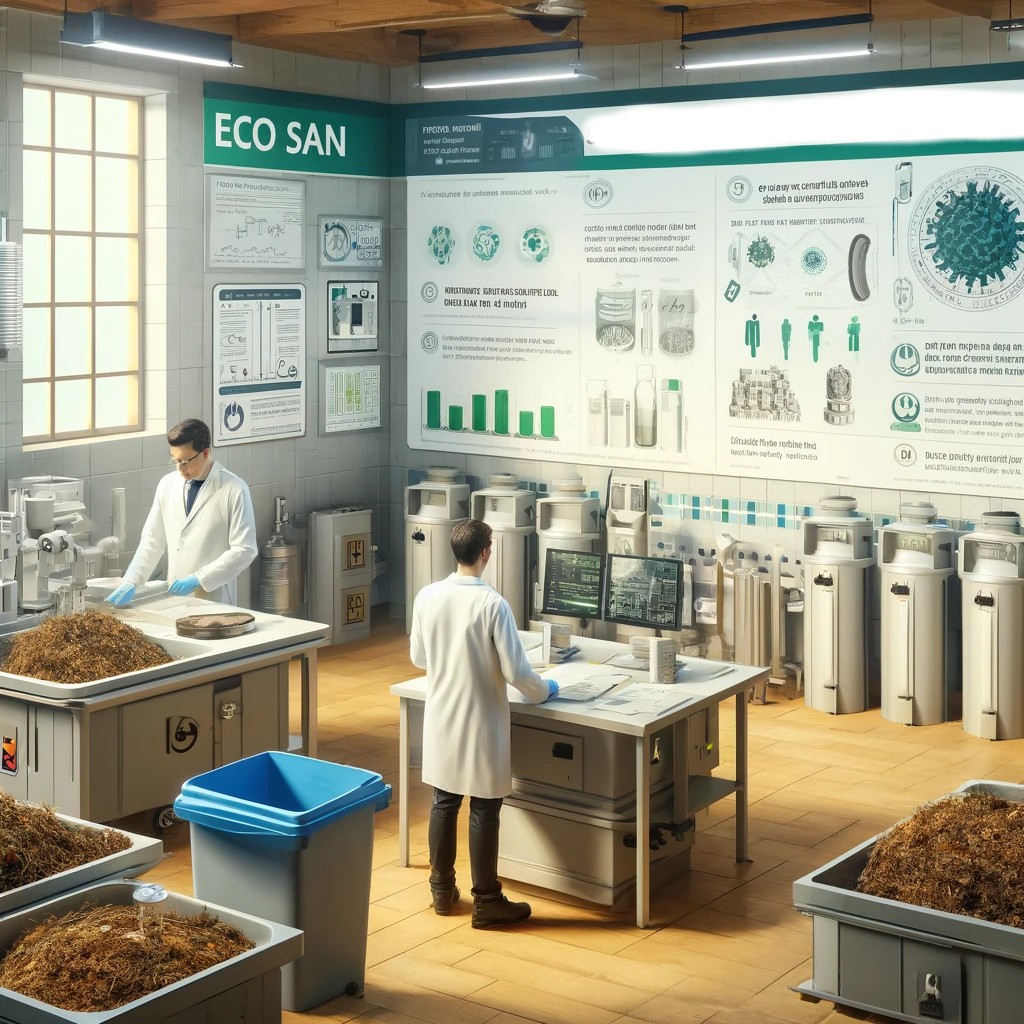
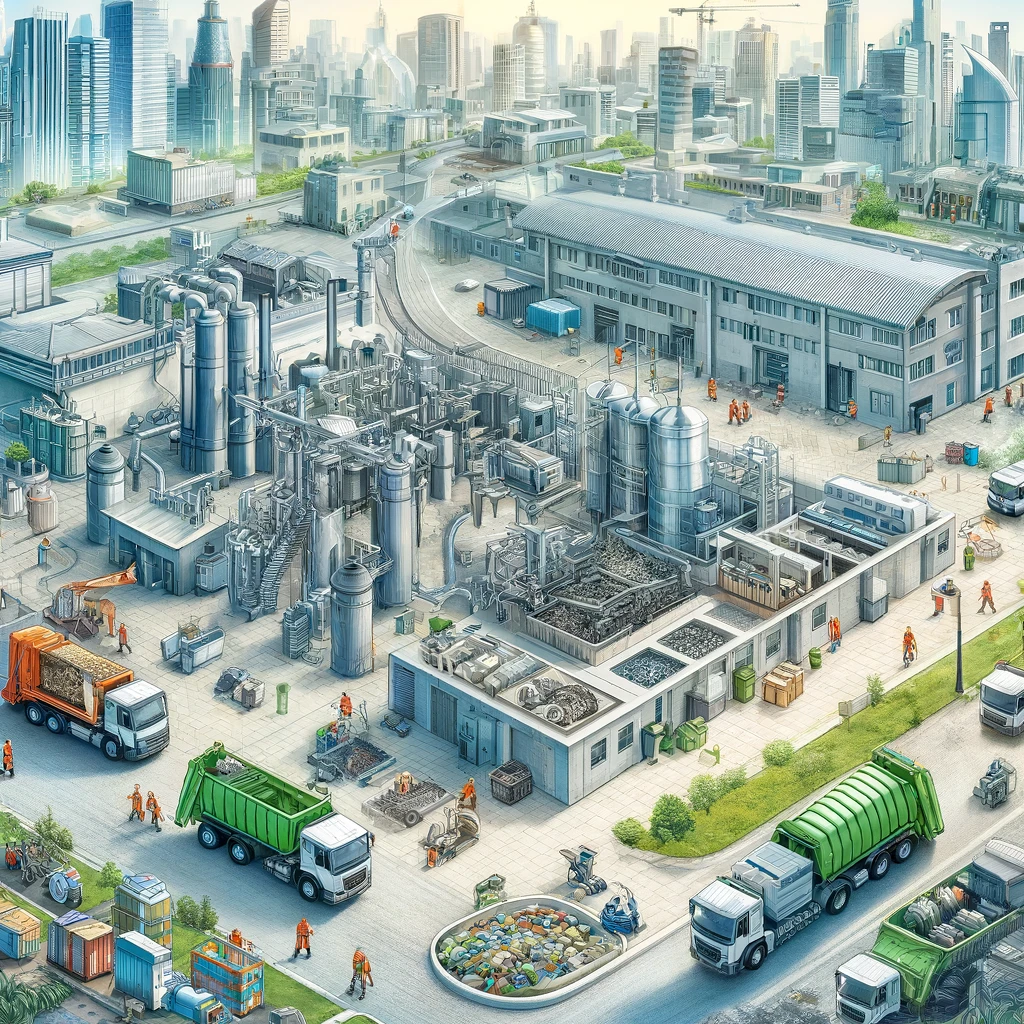
Ecological sanitation, often abbreviated as EcoSan, is an innovative and sustainable approach to sanitation that emphasizes the recycling of human waste for agricultural use, thereby closing the nutrient loop. One of the central principles of EcoSan is waste segregation, which involves the systematic separation of different types of waste to optimize their respective treatments and resource recovery processes. Effective waste segregation not only minimizes environmental pollution but also enhances the efficiency of composting, biogas generation, and nutrient recovery schemes. In practical terms, it facilitates the reuse of nutrients present in human excreta and other organic matter, ultimately promoting sustainable agriculture and environmental conservation.
EcoSan principles challenge the conventional “flush-and-forget” sanitation approach by advocating for the safe diversion, sanitation, and transformation of human waste into valuable resources. These principles are particularly pertinent in regions facing water scarcity, soil degradation, and nutrient depletion, where sustainable alternatives to traditional sanitation systems are crucial. Waste segregation within EcoSan systems ensures that fecal matter, urine, and graywater are managed separately, each being directed through the most appropriate treatment and recovery pathways.
The complexity of waste segregation in EcoSan stems from the need to address various waste streams with specific handling and processing requirements. In practice, implementing effective waste segregation involves understanding the distinct characteristics and uses of each waste type, developing suitable infrastructure and technologies, and promoting user compliance through education and community participation. This article explores practical strategies for effective waste segregation in EcoSan systems, providing insights into technical considerations, infrastructural setups, and community engagement approaches.
Selecting the Right Infrastructure:
The cornerstone of any effective EcoSan system is the infrastructure designed for waste collection, storage, and treatment. Selecting the appropriate infrastructure involves evaluating local conditions, available resources, and the specific needs of the community. There are several types of EcoSan toilet designs that facilitate waste segregation, each with its advantages and limitations. Popular designs include the urine-diverting dry toilet (UDDT), composting toilets, and biogas toilets.
The urine-diverting dry toilet (UDDT) is one of the most widely implemented designs in EcoSan projects due to its simplicity and effectiveness. It separates urine and feces at the source, preventing contamination and making it easier to manage each waste stream. The collected urine can be stored and treated for use as a nitrogen-rich fertilizer, while the feces are subjected to composting processes.
Composting toilets, another feasible option, also segregate fecal matter from urine and employ aerobic decomposition to convert human excreta into compost. This process involves the use of aerobic microbes that break down organic matter in the presence of oxygen, resulting in humus-like compost that can be safely used in agriculture. However, composting toilets require careful management of moisture levels, aeration, and temperature to ensure effective pathogen reduction and compost formation.
Biogas toilets represent another innovative solution, converting human waste into biogas through anaerobic digestion. These systems segregate solid and liquid waste and channel feces into digesters where they undergo anaerobic decomposition to produce methane-rich biogas. The biogas can be used for cooking or electricity generation, while the digested sludge can be further treated and used as a soil amendment. Choosing the right infrastructure hinges on understanding local requirements, climatic conditions, and economic considerations.
Promoting Community Participation and Education:
The success of waste segregation in EcoSan systems largely depends on the active participation and engagement of the community. Education and behavior change communication (BCC) play a crucial role in raising awareness about the benefits of EcoSan and empowering individuals to adopt proper waste segregation practices. Community involvement is essential not only for the adoption of EcoSan infrastructure but also for the long-term sustainability of these systems.
Effective educational campaigns should aim to demystify EcoSan concepts, providing clear instructions on how to use EcoSan toilets, segregate waste, and maintain hygiene. Outreach activities such as workshops, community meetings, and school programs can help disseminate knowledge and foster a sense of ownership among community members. It’s important to address any cultural or social barriers that may hinder the acceptance of EcoSan technologies and emphasize the environmental, health, and economic benefits.
In addition to education, involving the community in the design, implementation, and monitoring of EcoSan projects ensures that the solutions are context-specific and meet the needs of the users. Participatory approaches, such as community-led total sanitation (CLTS), can be employed to mobilize collective action towards improved sanitation practices. By fostering a community-driven approach, EcoSan initiatives can achieve higher compliance rates, enhance user satisfaction, and ensure the durability of waste segregation practices.
Technical Considerations for Effective Segregation:
Implementing effective waste segregation in EcoSan systems requires careful attention to technical aspects and operational protocols. One of the key challenges is ensuring the proper handling and storage of segregated waste to prevent contamination and maximize resource recovery. This involves standardizing the collection mechanisms and optimizing the treatment processes for each waste stream.
For urine diversion, it is crucial to have a sealed and leak-proof collection system to prevent spillage and odor issues. The collected urine should be stored in containers with adequate capacity and treated to neutralize pathogens before application as fertilizer. Technologies such as urine dehydration, struvite precipitation, and pasteurization can be employed to enhance the safety and usability of recycled urine.
Fecal matter requires a different set of handling and treatment procedures. The composting process needs to achieve adequate pathogen die-off while maintaining favorable conditions for decomposition. This involves controlling parameters such as carbon-to-nitrogen ratio, moisture content, aeration, and temperature. Advanced composting techniques, such as thermophilic composting and vermicomposting, can accelerate the degradation process and improve the quality of the final compost.
Graywater, which includes wastewater from domestic activities such as bathing and washing, also requires attention in EcoSan systems. Graywater can be treated through natural processes like constructed wetlands, bio-sand filters, and phytoremediation to produce water suitable for irrigation or groundwater recharge. Proper graywater management ensures that it does not contaminate drinking water sources or contribute to environmental pollution.
In summary, technical considerations for waste segregation in EcoSan involve robust design, precise collection and storage systems, and effective treatment processes tailored to the unique characteristics of each waste stream. Attention to these details is essential to ensure the efficiency and safety of EcoSan practices.
Monitoring and Evaluation:
Regular monitoring and evaluation are critical components of effective waste segregation in EcoSan systems. These practices help identify areas of improvement, ensure compliance with segregation protocols, and measure the impact on sanitation and resource recovery goals. Monitoring involves routine inspections, data collection, and analysis to track the performance and efficiency of EcoSan infrastructure and user practices.
Key performance indicators (KPIs) for monitoring EcoSan systems include the volume and quality of segregated waste, the efficiency of treatment processes, the safety and usability of recycled products, and user satisfaction. Environmental parameters such as soil health, water quality, and nutrient levels can also be monitored to assess the broader ecological impact of EcoSan practices.
Evaluation involves periodic assessments to review the overall effectiveness and sustainability of EcoSan projects. This includes examining the economic viability, social acceptance, and scalability of the implemented solutions. Evaluation can be conducted through surveys, interviews, and participatory methods to gather feedback from the community and stakeholders. By incorporating monitoring and evaluation into EcoSan projects, practitioners can make informed decisions, address challenges, and promote continuous improvement in waste segregation practices.
Moreover, documenting and disseminating the findings from monitoring and evaluation activities can provide valuable insights for future EcoSan initiatives. Sharing success stories, lessons learned, and best practices can inspire other communities and organizations to adopt similar approaches, contributing to the global advancement of sustainable sanitation solutions.
Conclusion:
Effective waste segregation is a fundamental component of ecological sanitation systems, ensuring that human waste is safely transformed into valuable resources. By adopting appropriate infrastructure, promoting community participation, addressing technical considerations, and implementing robust monitoring and evaluation practices, communities can enhance their EcoSan efforts and realize significant environmental and health benefits.
The principles and strategies discussed in this article highlight the importance of a holistic and context-specific approach to waste segregation. By understanding the unique characteristics and treatment needs of different waste streams, EcoSan practitioners can design systems that maximize resource recovery and minimize environmental impact. Collaborative efforts involving community members, local authorities, and technical experts are essential to the success and sustainability of EcoSan initiatives.
As the world grapples with challenges such as water scarcity, soil degradation, and nutrient depletion, EcoSan presents a viable solution to achieve sustainable sanitation and resource management. Effective waste segregation is not only a technical necessity but also a pathway to fostering environmental stewardship and resilience among communities. Embracing EcoSan principles and practices can pave the way for a healthier and more sustainable future for all.