Sanitation is a cornerstone of public health, yet the conventional systems we rely on come with a plethora of hidden costs. While they provide the essential service of waste management, they also contribute to environmental degradation, financial burdens, and public health risks. It is crucial to explore these hidden disadvantages to understand why shifting to more sustainable methods, like Ecological Sanitation (EcoSan), can be immensely beneficial.
Conventional sanitation systems are typically built around waterborne waste management. This method often involves the use of flush toilets connected to extensive sewer systems that lead to waste treatment plants. Despite the widespread utilization of these systems, they conceal several significant drawbacks. For instance, the immense water usage associated with flushing toilets exacerbates global water scarcity. Additionally, the infrastructure required for these systems is expensive to construct and maintain, posing a financial burden on communities and local governments.
Moreover, these systems are not foolproof. They can fail and cause serious environmental contamination. Overflowing sewers and inadequately treated wastewater can pollute rivers, lakes, and oceans, creating hazards for both humans and wildlife. Chemical treatments used to process wastewater can also have adverse effects on the environment.
Environmental Impact
One of the most pressing concerns of conventional sanitation systems is their environmental impact. Firstly, they are incredibly water-intensive. Each flush of a toilet uses several liters of water, cumulating into a significant portion of a household’s total water consumption. Given the global concerns over water scarcity, this is not a sustainable practice.
Additionally, sewer systems can emit methane, a potent greenhouse gas. Methane has over 25 times the ability to trap heat in the atmosphere compared to carbon dioxide, making it a significant contributor to climate change. Systems that rely on anaerobic processes to break down waste are particularly prone to emitting methane.
Another environmental concern is the potential contamination of water bodies. Overflowing sewer systems during heavy rains can lead to the discharge of untreated or partially treated human waste into natural water bodies. This not only harms aquatic ecosystems but also poses health risks to communities that rely on these water sources.
Financial Costs
Conventional sanitation systems are also associated with high financial costs. The construction and maintenance of sewer infrastructure require significant investment. Developing countries, in particular, often struggle to afford the initial capital needed to build these systems.
Even in developed countries, the costs of maintaining and upgrading aging infrastructure can be substantial. Municipalities frequently face budget constraints that make it difficult to keep up with the necessary repairs and improvements. These costs are often passed onto residents through taxes and utility bills, creating an ongoing financial burden.
Moreover, the treatment of wastewater involves recurring operational costs. Energy consumption is a major factor, as wastewater treatment plants are some of the largest consumers of electricity in many regions. Chemical treatments and the need for skilled labor further add to the expenses.
Public Health Risks
While conventional sanitation systems have significantly reduced the prevalence of waterborne diseases, they are not without their public health risks. Inadequate or failing systems can lead to outbreaks of diseases such as cholera and dysentery. Poorly treated or untreated wastewater can contaminate drinking water sources, posing severe health risks to communities.
Even functioning systems can have issues. For instance, the use of chemical disinfectants in wastewater treatment can lead to the formation of harmful byproducts. These byproducts can have long-term health effects on humans and can also affect aquatic life if discharged into natural water bodies.
Additionally, the spread of antibiotic-resistant bacteria through wastewater is becoming a growing concern. Wastewater treatment plants are not always equipped to fully remove these bacteria, which can then enter natural water systems and possibly human populations.
The Promise of Ecological Sanitation
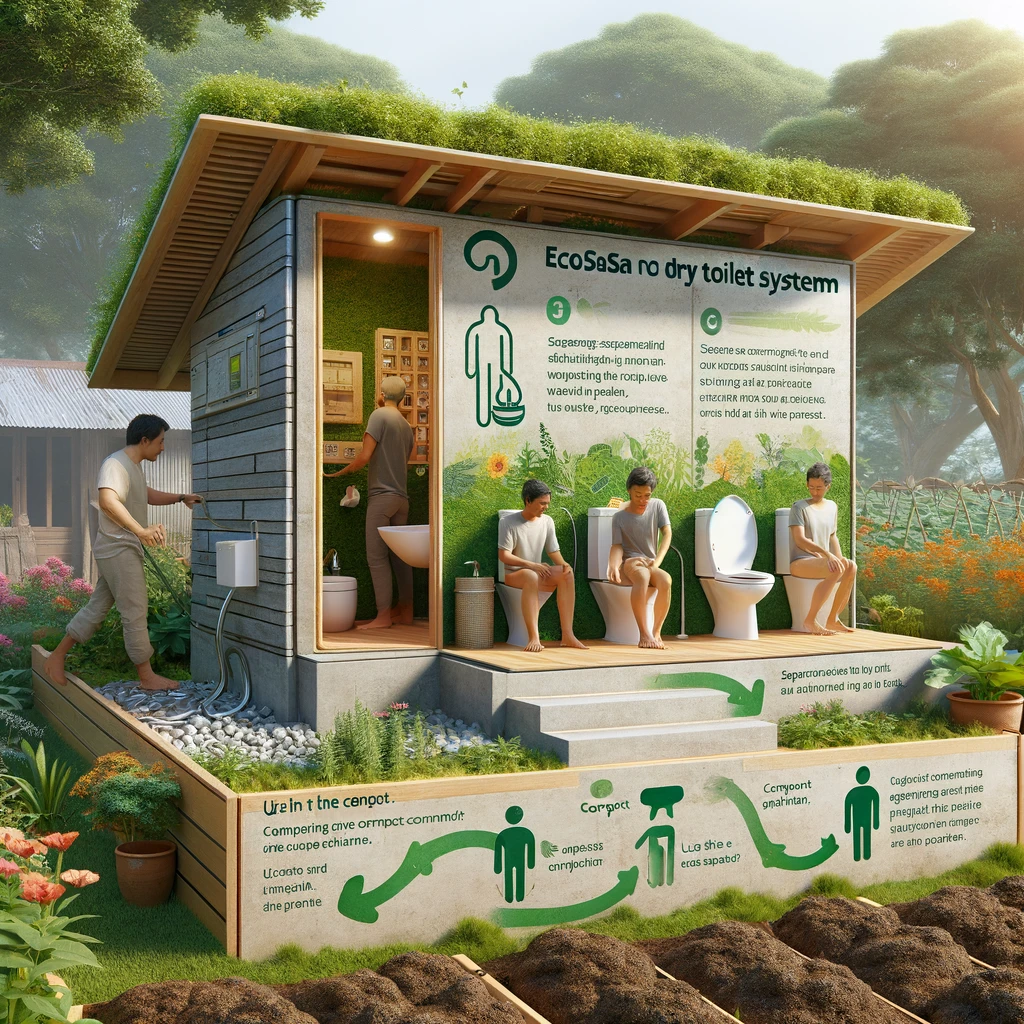
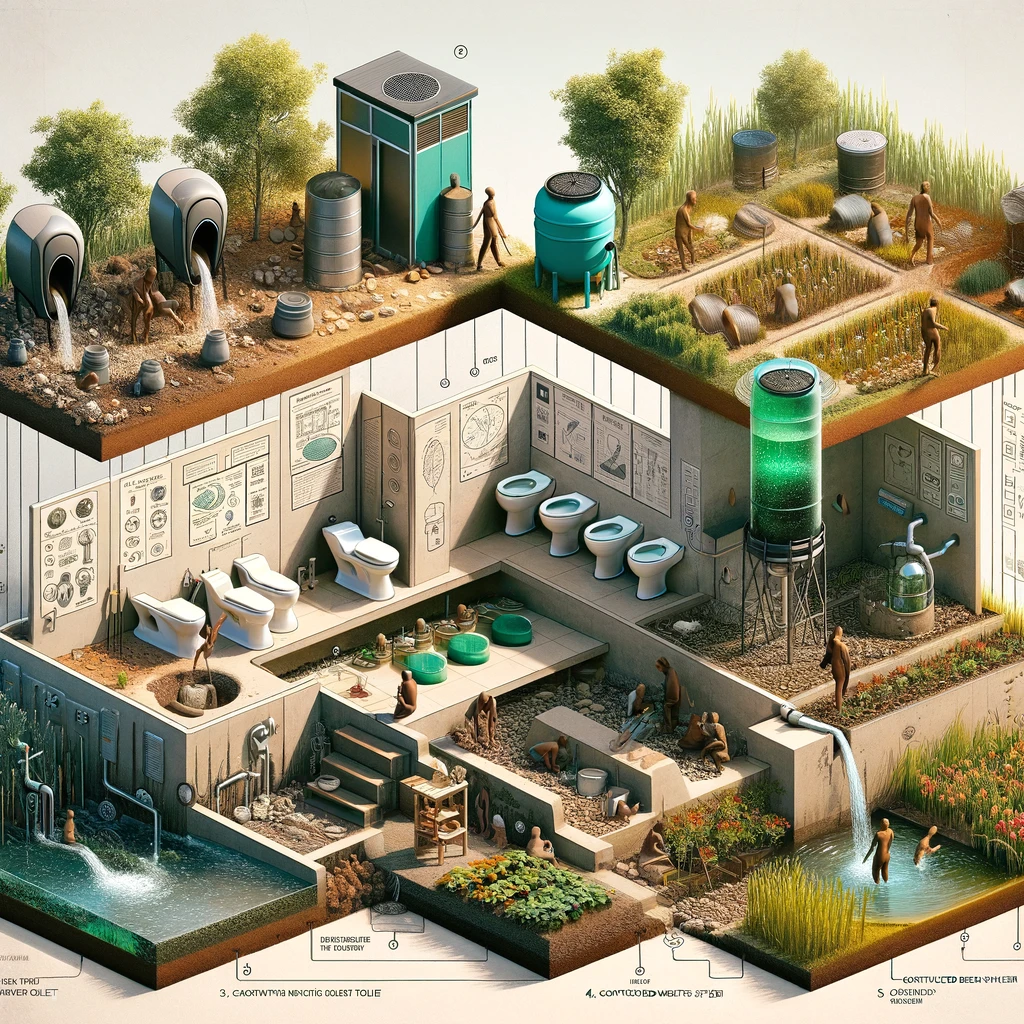
Ecological Sanitation (EcoSan) offers a sustainable alternative to conventional systems. The principle behind EcoSan is to safely recycle nutrients from human waste back into the environment. This not only reduces the environmental footprint but also conserves water and can enhance soil fertility.
EcoSan systems typically involve composting toilets, urine-diverting dry toilets, or other methods that do not rely on water for waste disposal. These systems can be particularly beneficial in areas where water is scarce. By eliminating the need for water-based waste transport, EcoSan can significantly reduce water usage.
Furthermore, the byproducts of EcoSan systems can be used as valuable resources. Treated human excreta can be converted into compost, which can then be used to enrich agricultural soils. This creates a closed-loop system that not only manages waste but also contributes to food security.
Challenges to Implementation
While EcoSan shows great promise, there are challenges to its widespread adoption. Cultural acceptance is one significant barrier. In many societies, there are strong taboos and stigmas associated with the use of human waste as a resource. Overcoming these cultural perceptions requires extensive education and community engagement.
Another challenge is the initial cost and technical knowledge required for implementing EcoSan systems. Building and maintaining these systems can require specialized knowledge and skills that may not be readily available in all communities. Training and capacity-building programs are essential to ensure that EcoSan systems are implemented correctly and sustainably.
Additionally, there are regulatory and policy hurdles. Many existing laws and regulations are designed around conventional sanitation systems and do not accommodate the unique requirements of EcoSan. Advocacy and policy reform are needed to create an enabling environment for the adoption of EcoSan solutions.
Success Stories and Best Practices
Despite the challenges, there are numerous success stories that demonstrate the potential of EcoSan. For example, in Sweden, urine-diverting toilets have been successfully implemented in both rural and urban areas. The collected urine is treated and used as fertilizer, contributing to sustainable agriculture.
In India, EcoSan systems have been introduced in water-scarce regions, significantly reducing the demand for water and improving sanitation. Local NGOs and community groups have played a crucial role in promoting these systems and educating the public about their benefits.
Best practices for successful EcoSan implementation include engaging local communities from the outset, providing education and training, and ensuring that systems are designed to meet the specific needs and conditions of the community. Collaborative efforts between governments, NGOs, and the private sector can create a supportive ecosystem that fosters the adoption of EcoSan solutions.
Conclusion
The hidden costs of conventional sanitation systems are substantial and multifaceted. Environmental degradation, high financial expenses, and public health risks all underscore the need for alternative approaches to waste management. EcoSan offers a promising solution that addresses many of these issues by promoting sustainable waste recycling, reducing water usage, and contributing to soil and food security.
However, the transition to EcoSan requires overcoming significant barriers, including cultural acceptance, technical expertise, and supportive policies. Success stories from around the world demonstrate that with the right approach, these challenges can be surmounted, and EcoSan can become a viable sanitation solution.
As we move forward in addressing global sanitation challenges, it is essential to recognize and address the hidden costs of conventional systems. By embracing sustainable alternatives like EcoSan, we can create healthier, more resilient communities while protecting our environment for future generations.