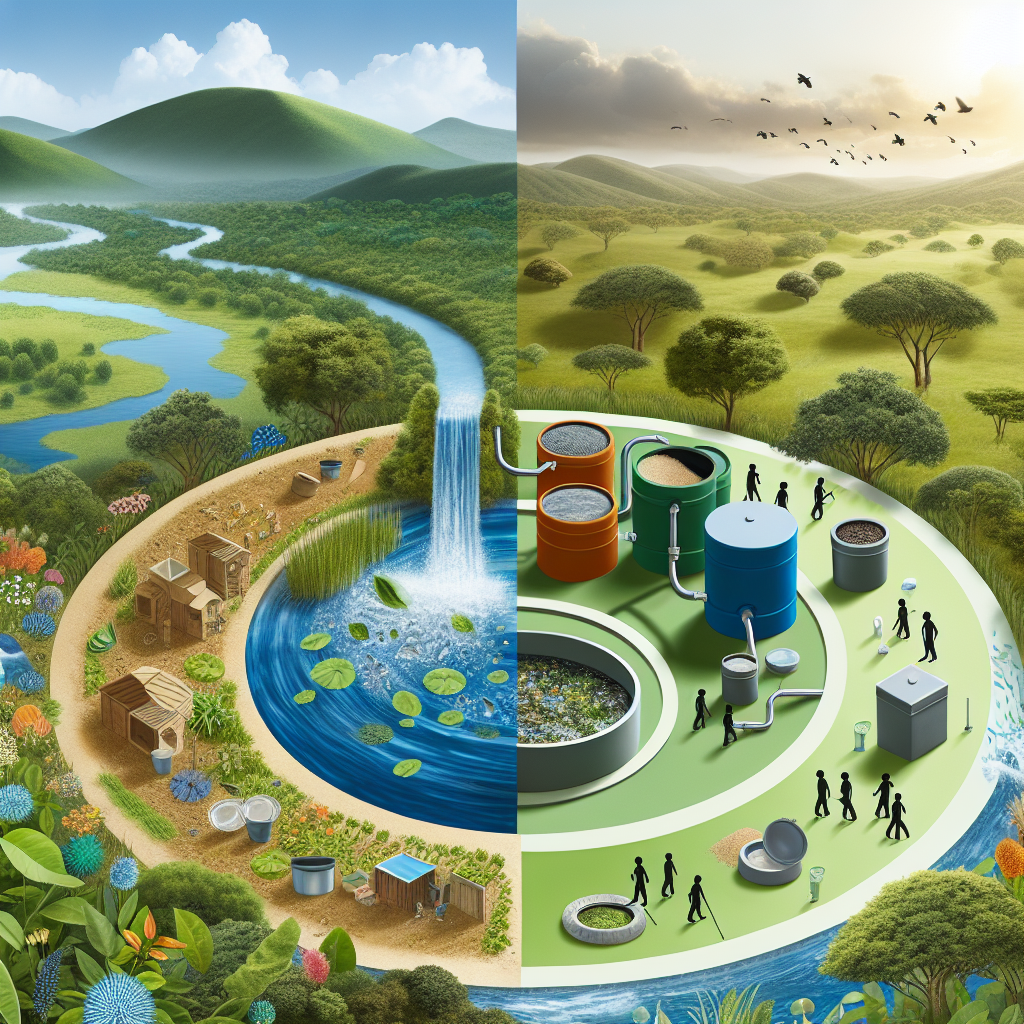
Ecological sanitation, commonly referred to as EcoSan, is a sustainable approach to sanitation that harnesses the natural power of microorganisms to transform human waste into valuable resources. At its core, EcoSan is not just about waste disposal but waste transformation, addressing both environmental sustainability and resource recovery. With global water shortages and pollution from traditional waste treatment methods in sharp focus, understanding the microbial world of EcoSan principles and concepts becomes imperative.
The cornerstone of EcoSan revolves around the efficient and safe conversion of human waste into pathogen-free, nutrient-rich compost or sanitized liquid fertilization via natural processes. This system doesn’t just safeguard public health from the adverse effects of untreated waste but offers a viable solution to nutrient depletion in soils, an issue plaguing agricultural practices worldwide.
The immediate allure of EcoSan lies in its promise of cost-effectiveness, water conservation, and nutrient recovery. Nonetheless, it is the microbial processes in these systems that make the real magic happen. Microorganisms effectively break down and stabilize waste materials, rendering them safe and beneficial for application in agriculture and landscaping. But what are the underlying microbial mechanisms, and how do they operate within EcoSan systems?
Understanding Microbial Decomposition
Microbial decomposition is the backbone of EcoSan systems. It relies on a diverse community of microorganisms—including bacteria, fungi, and protozoa—to break down human waste into less harmful substances. Within a well-functioning EcoSan system, these microorganisms perform critical tasks ranging from the degradation of organic matter to the inactivation of harmful pathogens.
Bacteria play a significant role in the initial stages of decomposition, rapidly consuming organic matter and converting it into simpler compounds. This initial breakdown is vital as it prepares the waste for further processing by other microbial agents. Aerobic bacteria thrive in the presence of oxygen, oxidizing organic compounds to produce carbon dioxide, water, and heat. This process, known as aerobic digestion, is crucial for reducing the volume of waste and eliminating foul odors.
Anaerobic bacteria, on the other hand, operate in oxygen-free environments. Their role in decomposing organic material is equally crucial, especially for systems designed to operate in low-oxygen conditions. Anaerobic digestion produces biogas, a mixture of methane and carbon dioxide, which can be harnessed as an energy source, making EcoSan not just a sanitation solution but also a potential contributor to renewable energy.
Pathogen Inactivation
One of the primary goals of EcoSan systems is the safe inactivation of pathogens to prevent the transmission of diseases. Pathogenic microorganisms, including bacteria, viruses, and parasites, can be present in human waste and pose significant health risks if not effectively neutralized. The microbial processes within EcoSan systems are tailored to create conditions that are hostile to these pathogens, thereby ensuring the safety of the end product.
The strategies for pathogen inactivation often rely on a combination of time, temperature, and microbial activity. Thermophilic conditions, where temperatures exceed 55°C, are particularly effective in killing pathogens. These high temperatures can be achieved in composting systems through the metabolic activity of thermophilic microorganisms. Extended retention times in compost piles or anaerobic digesters also contribute to pathogen die-off, as many harmful microorganisms cannot survive prolonged exposure to hostile conditions.
Moreover, certain microbial communities have antagonistic interactions with pathogens. For instance, some beneficial bacteria produce natural antibiotics that inhibit the growth of harmful microbes. Through competition and predation, these beneficial microbes help suppress pathogenic populations, further enhancing the safety of EcoSan-derived products.
Nutrient Recovery and Recycling
A significant advantage of EcoSan systems is their ability to recover and recycle nutrients from human waste, contributing to soil fertility and sustainable agriculture. Human waste contains essential nutrients like nitrogen, phosphorus, and potassium, which are crucial for plant growth. The microbial processes within EcoSan systems transform these nutrients into forms that can be readily absorbed by plants.
Composting, for example, breaks down organic matter into humus, a rich, nutrient-dense material that enhances soil structure and fertility. The microbial activity in composting systems mineralizes nutrients, converting them from complex organic forms into simpler inorganic forms that plants can uptake. This nutrient recycling closes the loop, diverting valuable resources from waste streams back into productive use.
Similarly, anaerobic digestion produces a nutrient-rich slurry known as digestate. This digestate can be applied to fields as a biofertilizer, providing a slow-release source of nutrients that improve soil health and crop yields. By returning these nutrients to the soil, EcoSan systems help mitigate the depletion of finite mineral reserves and reduce the reliance on synthetic fertilizers, which are associated with environmental degradation.
Design and Implementation of EcoSan Systems
The effective implementation of EcoSan systems requires careful design and consideration of local conditions. Factors such as climate, soil type, and community preferences play a crucial role in determining the most suitable EcoSan solution. Different EcoSan technologies have been developed to address various environmental and socioeconomic contexts, ensuring that the system is both effective and user-friendly.
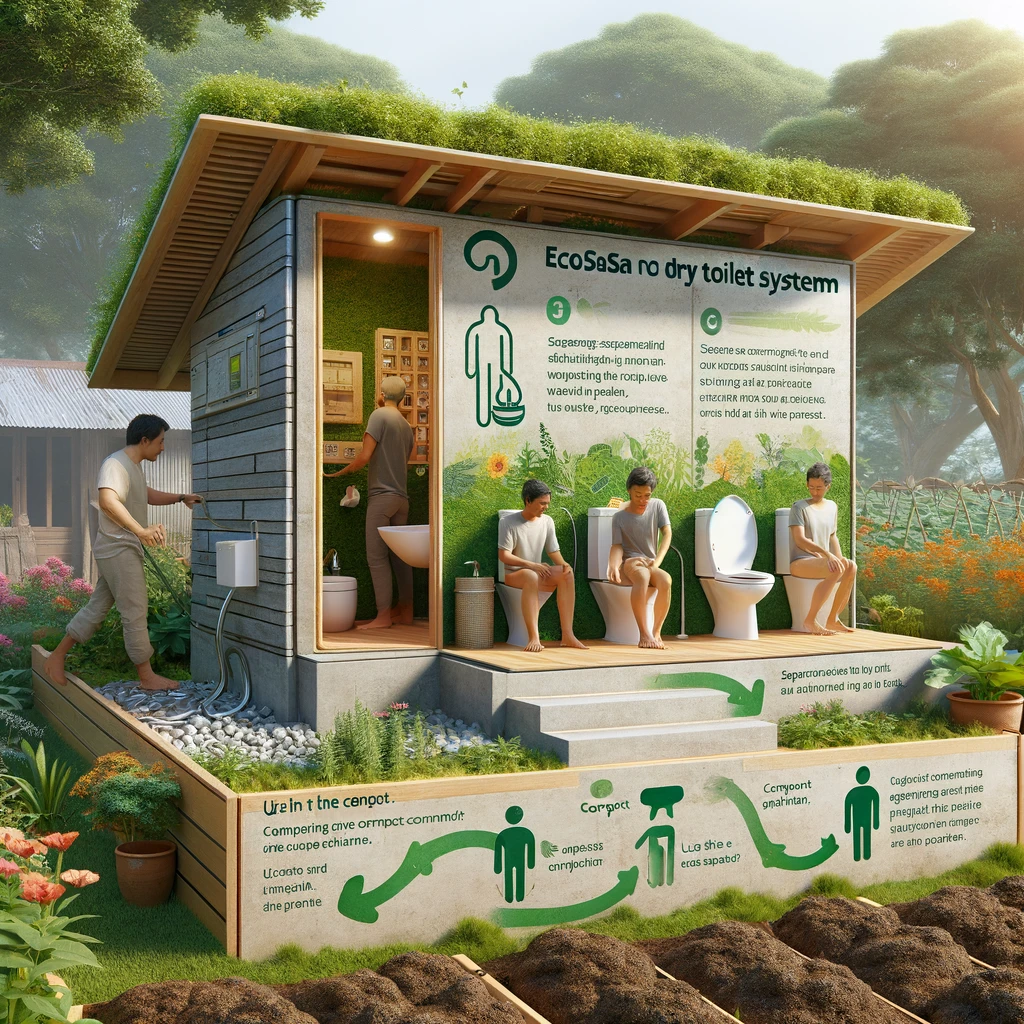
Dry composting toilets, urine-diverting dry toilets, and biogas systems are some of the common EcoSan technologies. Dry composting toilets rely on aerobic decomposition and can be used in areas with limited water availability. Urine-diverting dry toilets separate urine and feces, allowing for the separate treatment and reuse of these waste streams. Biogas systems, on the other hand, focus on anaerobic digestion to produce biogas and nutrient-rich slurry.
Community engagement and education are critical components of successful EcoSan implementation. Raising awareness about the benefits of EcoSan and providing training on system operation and maintenance ensure community buy-in and long-term sustainability. Additionally, addressing cultural preferences and ensuring the dignity and privacy of users are essential in promoting the adoption of EcoSan technologies.
Challenges and Considerations
While EcoSan offers numerous benefits, there are also challenges and considerations to address for successful implementation. One of the primary challenges is the perception and acceptance of using human waste-derived products. Overcoming the “yuck factor” requires concerted efforts in education and demonstration of the safety and effectiveness of EcoSan technologies.
Technical challenges, such as the appropriate design of treatment systems and ensuring consistent microbial activity, also need to be addressed. Poorly designed systems can lead to insufficient pathogen inactivation and nutrient recovery, defeating the purpose of EcoSan. Regular monitoring and maintenance are necessary to ensure the systems function optimally.
Additionally, the initial cost of setting up EcoSan systems can be a barrier, especially in low-income communities. However, when considering the long-term benefits, including reduced sanitation costs, improved public health, and enhanced agricultural productivity, EcoSan becomes a cost-effective solution. Innovative financing mechanisms and subsidies can help make EcoSan technologies more accessible to a wider range of communities.
Conclusion
The microbial world of EcoSan reveals the intricate and fascinating processes that underlie sustainable sanitation solutions. By harnessing the power of microorganisms, EcoSan systems not only provide safe and efficient waste treatment but also contribute to resource recovery and environmental sustainability. From microbial decomposition to pathogen inactivation and nutrient recycling, the principles and concepts of EcoSan demonstrate a holistic approach to sanitation that addresses both human health and ecological balance.
As the global community continues to grapple with water scarcity, soil degradation, and public health challenges, EcoSan offers a viable and forward-thinking alternative. Moving beyond traditional waste disposal methods, EcoSan embraces the concept of waste as a resource, closing the loop between sanitation and agriculture. By understanding and leveraging the microbial processes within EcoSan systems, we can pave the way for more resilient and sustainable communities, ensuring a healthier planet for future generations.
With an authoritative and conversational tone, this article aims to demystify the science behind EcoSan, making it accessible and engaging for readers. As we continue to explore and refine EcoSan technologies, it is essential to foster a broader understanding and appreciation of the microbial world that drives these systems. By doing so, we can collectively work towards a more sustainable and prosperous future.