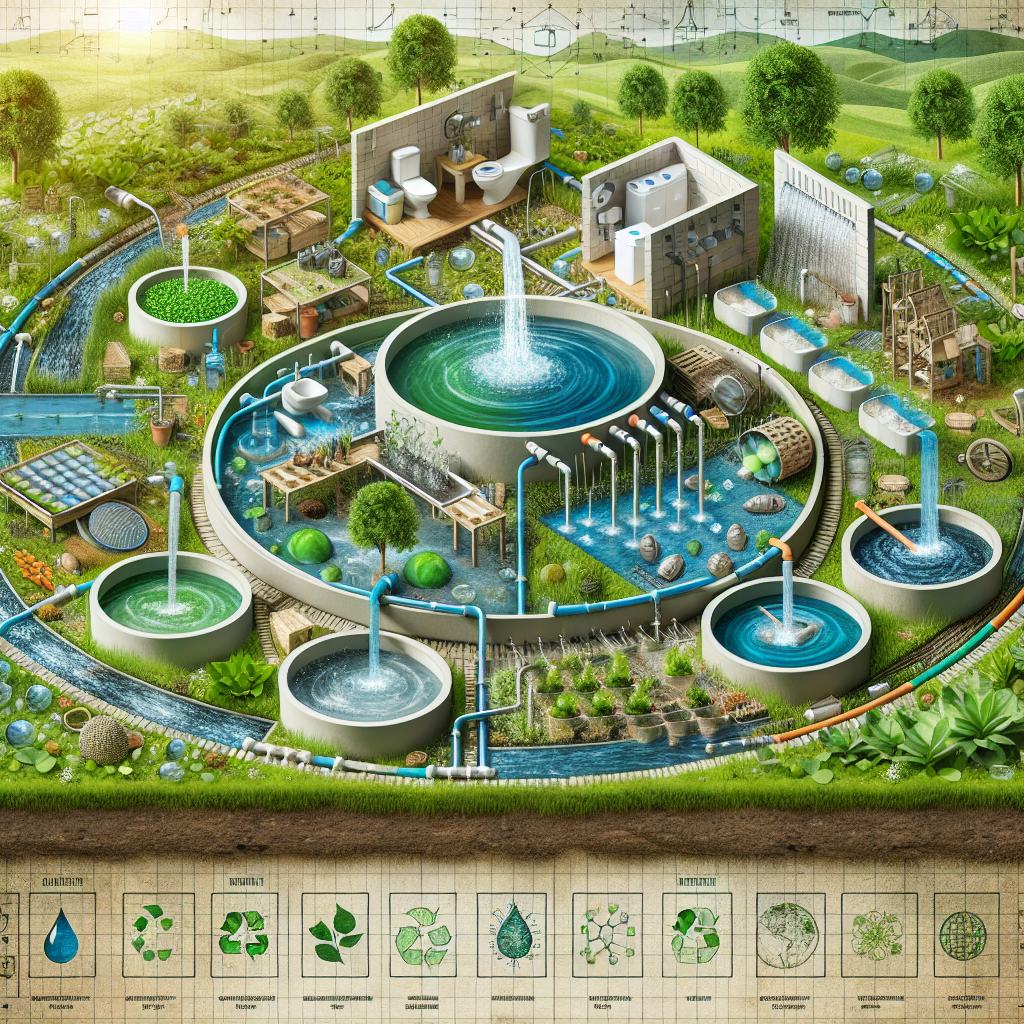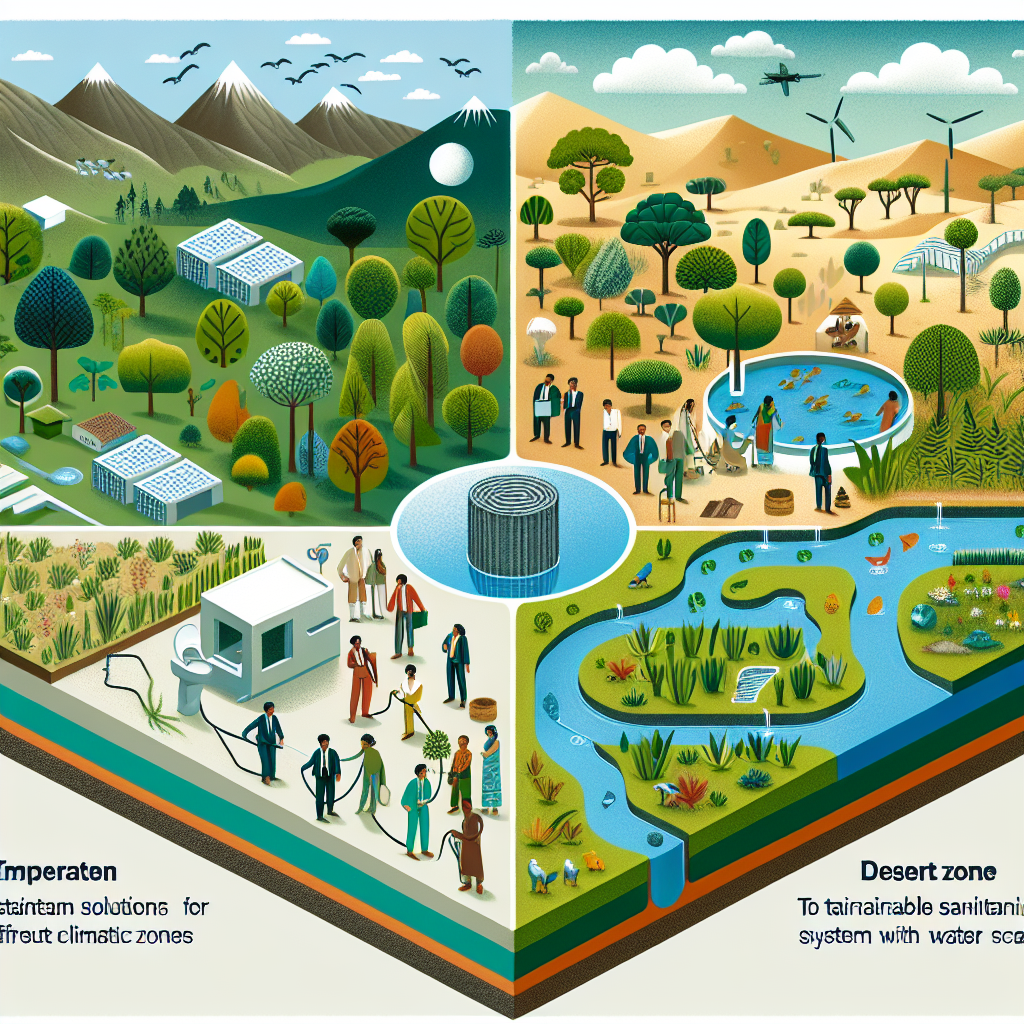
Ecological sanitation, often abbreviated as EcoSan, represents a new approach to human waste management. It aims to protect public health, minimize environmental degradation, recycle nutrients, and optimize the use of water resources. The principles of EcoSan revolve around the treatment and use of human waste as a resource rather than a problem. As our global population continues to rise, and climate change affects various parts of the world differently, a one-size-fits-all approach to sanitation simply doesn’t cut it. By focusing on EcoSan, we can construct systems that are sustainable, promote resource recovery, and can be adapted to various climatic zones, ensuring that they remain effective no matter where they are implemented.
While the central concept of EcoSan hinges on wastewater treatment and recycling, its application varies dramatically based on geographic and climatic differences. Factors such as temperature, precipitation, and humidity profoundly affect how these systems are designed and function. For example, an EcoSan system that works perfectly in a tropical rainforest might not be suitable for an arid desert region. Therefore, it’s essential to understand how to tailor EcoSan solutions to different climatic zones to maximize their efficiency and sustainability.
Understanding EcoSan: Principles and Fundamentals
The foundation of EcoSan rests on three core principles. The first principle is the separation of human waste at the source; this means segregating urine and feces. Urine contains the bulk of the nutrients, such as nitrogen, phosphorus, and potassium, that are useful for agriculture. The second principle involves the treatment and sanitization of human waste to remove pathogens and make it safe for reuse. Composting, dehydration, and thermal treatment are common methods. Finally, the third principle is the reuse of treated waste products. Nutrients from human waste can be converted into fertilizers, which can be used to boost agricultural productivity.
To successfully implement an EcoSan system, one must consider the specific needs of the local community, climate, and infrastructure. For example, the type of technology used and the level of treatment required can vary significantly. Technologies range from simple composting toilets to complex biogas reactors. Moreover, the treatment processes need to ensure that pathogens are adequately removed to prevent diseases. This requires a good understanding of the local environmental conditions, as they will directly impact the effectiveness of the treatment methods.
EcoSan in Tropical Climates
Tropical climates, characterized by high temperatures and significant rainfall, present unique opportunities and challenges for EcoSan systems. High temperatures can accelerate the decomposition of organic matter, making composting toilets an efficient option. However, high humidity can pose challenges for waste dehydration systems, which rely on dry conditions to remove moisture from waste.
In tropical regions, one effective EcoSan solution is the composting toilet. These systems benefit from the warm temperatures, which speed up the composting process, reducing the time required for waste to turn into compost. It’s crucial to ensure that the composting toilets are well-ventilated to cope with the high humidity levels. Additionally, rainwater harvesting systems can be integrated with these EcoSan systems to provide water for handwashing and flushing, making them more sustainable.
Effective management practices are also essential. Regular maintenance and monitoring are needed to ensure the systems function efficiently. This includes managing the moisture levels in composting toilets and ensuring that diversion urine systems do not overflow, contaminating the surroundings. Public education on how to use and maintain these systems is also crucial to their success.
EcoSan in Arid and Semi-Arid Climates
In arid and semi-arid climates, water scarcity is a significant concern, making waterless sanitation systems particularly valuable. The focus in these regions is on minimizing water usage, which aligns well with the principles of EcoSan.
One suitable technology for these regions is the Urine Diversion Dehydration Toilet (UDDT). UDDTs separate urine and feces, with the latter being dried to create a pathogen-free fertilizer. This system is highly effective in dry climates, where low humidity aids in the dehydration process. Another advantage is the reduced water requirement, as these toilets do not rely on water for flushing.
Additionally, solar desiccation can be a valuable method to treat human waste in these areas. Solar toilets use the sun’s energy to dry and sanitize fecal matter, transforming it into a safe, compost-like material. Solar desiccation toilets are particularly effective in arid climates with abundant sunlight.
Implementing EcoSan solutions in arid regions also involves addressing cultural and social aspects. Communities need to be educated on the benefits of these systems and trained in their maintenance. Local materials should be used to construct these systems wherever possible to reduce costs and increase community acceptance.
EcoSan in Temperate Climates
Temperate climates, which experience a moderate range of temperatures and precipitation, provide a balanced environment for various EcoSan systems. Both composting toilets and biogas systems can work effectively in these regions.
One of the key advantages in temperate climates is that they provide sufficient warmth to facilitate composting while also having enough rainfall to support biogas systems. However, care must be taken to protect these systems from extreme weather events, such as heavy snowfall in winter.
In temperate regions, integrating EcoSan systems with community-based agriculture can be highly effective. For example, biogas systems can produce methane, which can be used for cooking or heating, while the slurry can be used as fertilizer. Composting toilets can supply nutrients directly to community gardens, promoting local food production.
Community involvement is crucial in these regions. Creating a sense of ownership among local residents can help in the effective implementation and maintenance of EcoSan systems. Public awareness campaigns can educate people on the environmental and economic benefits of these systems, encouraging widespread adoption.
EcoSan in Cold Climates
Cold climates pose unique challenges for EcoSan solutions due to the low temperatures, which can slow down biological processes such as composting and pathogen die-off. However, this does not mean that EcoSan systems cannot be implemented in these areas; it simply requires appropriate adaptation and innovation.
One potential solution for cold climates is the use of insulated composting toilets or biogas reactors, which maintain higher internal temperatures to facilitate microbial activity even during colder months. These systems may rely on passive solar heating or integrate with household heating systems to ensure they remain functional throughout the year.
Thermal composting systems, which utilize additional heat sources such as solar panels or electric heaters, can also be effective in cold climates. These systems not only help in waste decomposition but also serve as heat sources for buildings, providing dual benefits.
Another consideration is the design of the sanitation infrastructure to withstand freezing temperatures. Pipes and storage units should be insulated to prevent freezing, and the systems should be designed for ease of maintenance during harsh weather conditions. Community engagement is crucial to ensure that residents know how to operate and maintain these adapted systems effectively.
Case Studies: Successful EcoSan Implementations
Examining successful case studies can provide valuable insights into how EcoSan solutions are effectively tailored to different climatic zones. One notable example is the implementation of EcoSan systems in rural parts of India, where water scarcity is a significant issue.
In these areas, UDDTs have been successfully introduced, providing a waterless sanitation solution that is both sustainable and environmentally friendly. Community engagement was a key factor in the success of these projects, with local residents being trained to maintain and operate the systems.
Another example is the adoption of composting toilets in rural Sweden, where cold winters pose challenges to waste management. Here, insulated composting toilets have been implemented, utilizing passive solar heating to maintain effective microbial activity even during the coldest months. These toilets have significantly reduced the environmental impact of human waste in these regions while providing valuable compost for local agriculture.
In Kenya, biogas systems have been integrated with agricultural practices, providing a sustainable energy source for cooking and heating while generating nutrient-rich fertilizer for crops. These systems have helped improve food security and reduce reliance on traditional fuels, demonstrating the holistic benefits of EcoSan solutions.
Conclusion: The Future of EcoSan in Diverse Environments
As we look to the future, the importance of EcoSan solutions in addressing global sanitation challenges cannot be overstated. The adaptability of EcoSan systems to different climatic zones is a testament to their potential to provide sustainable and effective waste management solutions worldwide.
Innovative technologies and practices continue to emerge, further enhancing the efficiency and effectiveness of EcoSan systems. For example, advancements in biochar production from human waste offer new opportunities for nutrient recycling and soil improvement, further expanding the benefits of EcoSan systems.
To maximize the potential of EcoSan, it’s essential to continue investing in research and development, particularly in areas with extreme climatic conditions. Collaboration between governments, NGOs, and local communities is critical to ensure the successful implementation and maintenance of these systems.
Ultimately, the key to successful EcoSan solutions lies in understanding and respecting the unique characteristics of each climatic zone. By tailoring EcoSan systems to the specific needs and conditions of different regions, we can create a more sustainable and resilient future for all.