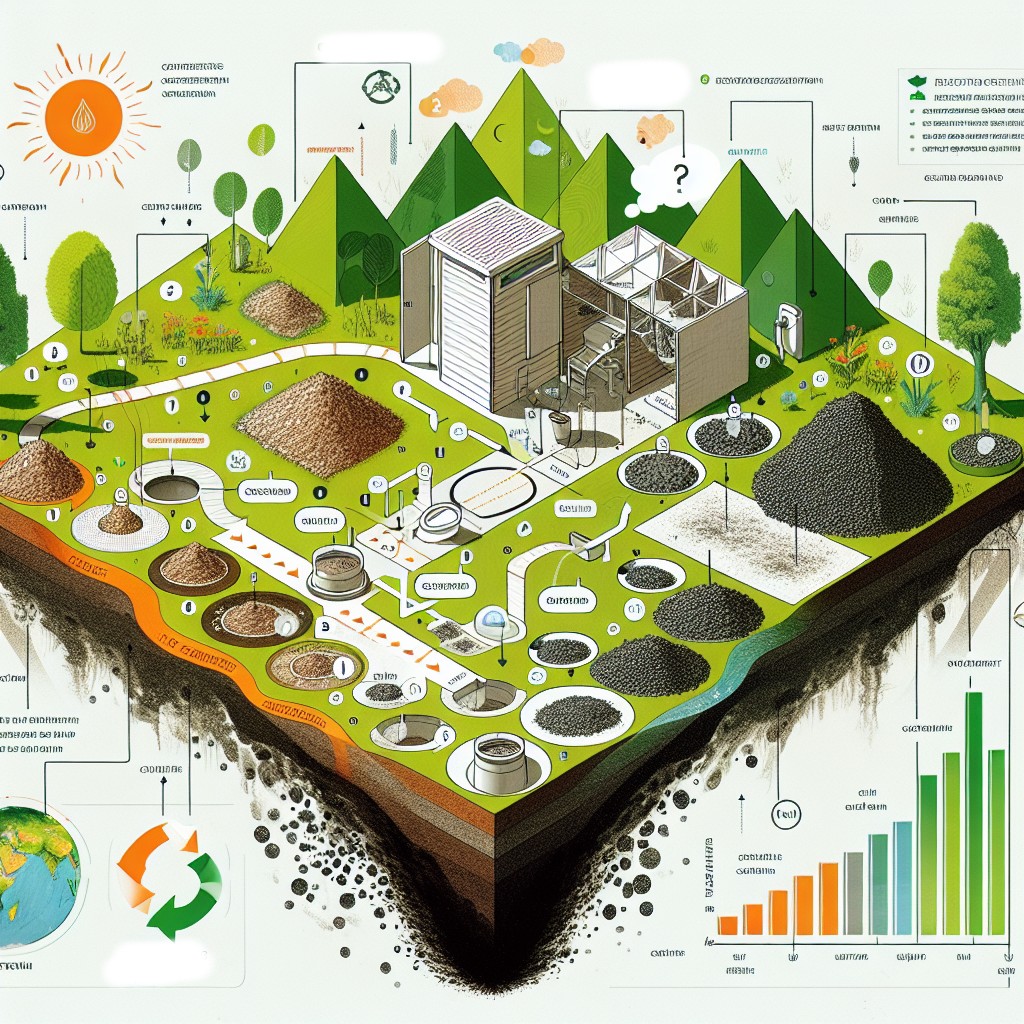
Ecological Sanitation, commonly referred to as EcoSan, is a progressive approach to managing human waste. Unlike traditional sanitation methods that largely focus on extracting waste from human environments and treating it as something to be discarded, EcoSan views waste as a valuable resource. This approach ensures that nutrients can be safely recovered and reused. By integrating this practice into daily life, EcoSan contributes significantly to reducing the overall carbon footprint, a driving issue in the modern fight against climate change.
EcoSan aims to close the loop between sanitation and agriculture sustainably. By employing methods such as urine diversion and composting, it treats human excreta to be safely used in agricultural processes. The benefits of EcoSan are multifold. Aside from providing nutrient-rich compost and fertilizers, it helps in reducing the greenhouse gas emissions associated with wastewater treatment and the production of synthetic fertilizers.
But how exactly does EcoSan help in reducing the carbon footprint? This article takes an in-depth look at the principles and concepts behind EcoSan, exploring its many environmental benefits. From the reduction in methane emissions to minimizing the energy required for sewage treatment, EcoSan offers a sustainable and ecological answer to some of our most pressing environmental problems.
Understanding EcoSan requires us to look beyond traditional sanitation infrastructure and to think innovatively about how we can turn human waste into a resource. Let’s delve deeper into the world of EcoSan and see how adopting these principles can make a significant impact on reducing our global carbon footprint.
Principles of EcoSan
At the core of EcoSan are several principles that prioritize sustainability, resource recovery, and minimal environmental impact. The first principle is to treat human waste as a resource rather than a waste product. This is achieved via processes like urine diversion and fecal composting, both of which allow for the safe and effective recycling of nutrients.
Secondly, EcoSan practices aim to protect public health by ensuring that pathogens are effectively removed from human excreta. This is typically achieved through thermal composting or prolonged storage times, which ensures that any harmful microorganisms are neutralized before waste products are used in agriculture.
Another crucial principle is the conservation of water. Traditional flush toilets and sewage systems consume a vast amount of water. In contrast, EcoSan systems often require minimal to no water for operation. For instance, dry composting toilets use sawdust or ash to cover waste, eliminating the need for water.
Finally, EcoSan embraces a decentralized approach to sanitation, reducing the reliance on large-scale sewage treatment facilities and the associated energy consumption and emissions. Instead, local, community-managed systems can be both more efficient and less environmentally taxing.
Technologies in EcoSan
Different technologies are used in EcoSan systems, each designed to maximize resource recovery while minimizing environmental impact. Composting toilets, for example, convert human feces into compost through aerobic decomposition. This compost can be used to enrich the soil, promoting healthier plant growth.
Another technology is the Urine Diverting Dry Toilet (UDDT). This system separates urine from feces, allowing each to be processed and used differently. Urine, rich in nitrogen, phosphorus, and potassium, can be used directly as a fertilizer after a period of safe storage. Feces, once decomposed, can be used as soil conditioner.
Biogas toilets represent another EcoSan technology, where human waste is converted into biogas through anaerobic digestion. This biogas can be used as a renewable energy source for cooking or heating, significantly reducing the reliance on fossil fuels.
Each of these technologies brings with it the promise of reduced carbon emissions, either by cutting down the need for energy-intensive sewage treatment or by replacing synthetic fertilizers with natural, recycled nutrients. Moreover, using biogas as an energy source can offset the use of non-renewable energy resources, further reducing our carbon footprint.
Environmental Benefits of EcoSan
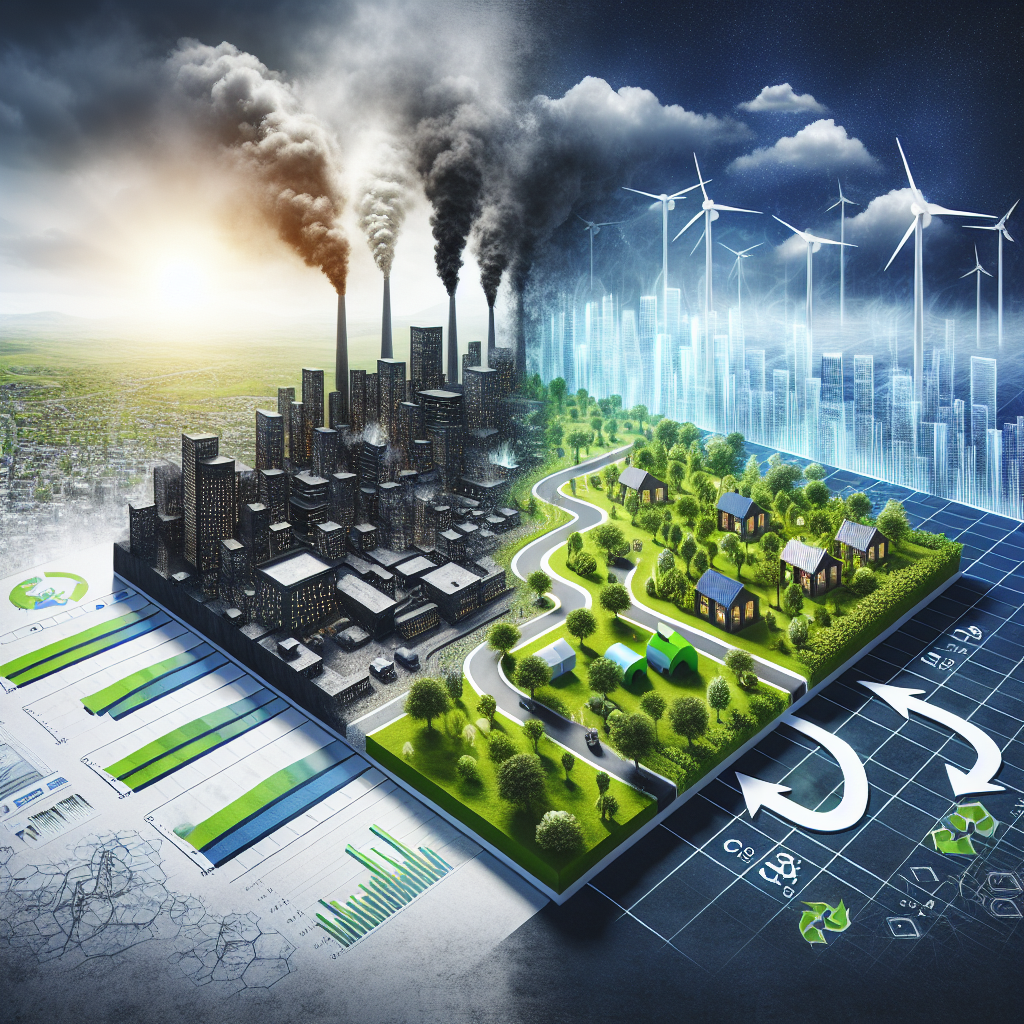
The environmental benefits of EcoSan are far-reaching and profound. The most significant advantage is the reduction in greenhouse gas emissions. Traditional wastewater treatment plants are significant sources of methane—a greenhouse gas considerably more potent than carbon dioxide. By opting for EcoSan systems, the production of these harmful emissions can be drastically reduced.
Additionally, by leveraging human waste as a resource for agriculture, EcoSan eliminates the need for chemical fertilizers. The production and transportation of synthetic fertilizers are energy-intensive processes that contribute to carbon emissions. Using human waste as an alternative not only cuts down on these emissions but also promotes healthier soils.
Another notable benefit is water conservation. Water is a precious resource, and EcoSan significantly reduces the water footprint associated with traditional sanitation systems. For example, urine diverting toilets can save upwards of 15,000 liters of water per person per year.
Finally, EcoSan systems can improve soil quality and promote biodiversity. The organic matter and nutrients found in human waste enhance soil structure and fertility, leading to more robust and diverse ecosystems. Healthier soils are better at sequestering carbon dioxide, further mitigating climate change.
Case Studies of EcoSan in Action
To understand the real-world impact of EcoSan, we can look at several case studies from around the globe. In Ethiopia, arid regions have adopted urine diverting toilets to tackle both sanitation and soil fertility challenges. With scarce water resources, these systems have provided a sustainable alternative, allowing communities to maintain hygiene standards while enriching their agricultural lands.
Another example is seen in India, where biogas toilets have been integrated into numerous rural homes. Not only do these toilets offer an effective sanitation solution, but they also produce biogas that families use for cooking—significantly reducing the need for firewood or LPG gas, both of which have considerable carbon footprints.
In Sweden, an advanced composting toilet system has been implemented in several municipalities. These systems emphasize pathogen reduction and nutrient reuse, demonstrating that modern infrastructures can successfully integrate EcoSan principles.
These case studies highlight the adaptability and effectiveness of EcoSan systems across different environmental and cultural contexts. They prove that EcoSan is not just a niche solution but a viable approach that can substantially contribute to global efforts to reduce carbon footprints and promote sustainability.
Challenges and Future Prospects
While the benefits of EcoSan are many, there are also challenges that need addressing. One significant hurdle is the social acceptance of using human waste as a resource. Cultural stigmas and lack of awareness often lead to resistance, making education and community engagement crucial components for successful EcoSan implementation.
Another challenge is the initial cost and maintenance of EcoSan systems. Although these systems can be economically beneficial in the long run, the upfront costs can be a barrier for communities with limited financial resources. Support from governments and NGOs can play a vital role in subsidizing these costs and providing necessary infrastructure.
Technological advancements and innovation in EcoSan methods can further enhance efficiency and ease-of-use. Researchers are continually exploring new ways to optimize resource recovery, pathogen reduction, and user convenience, which can make these systems more attractive and widely adopted.
Looking towards the future, EcoSan holds great promise. With growing concerns over water scarcity, soil degradation, and climate change, the holistic approach of EcoSan offers a sustainable pathway forward. By integrating these principles into global sanitation efforts, we can make significant strides in reducing our carbon footprint and promoting a healthier planet.
Conclusion
EcoSan represents a revolutionary shift in how we think about sanitation. Moving away from the conventional waste disposal mindset, EcoSan sees human excreta as a valuable resource to be cycled back into the environment safely and productively.
By adopting EcoSan principles and technologies, we can drastically cut down on greenhouse gas emissions, conserve precious water resources, and enhance soil health. This results not only in a reduced carbon footprint but also in more sustainable agricultural practices and more resilient ecosystems.
The successful implementation of EcoSan, as shown in various global case studies, proves its practicality and effectiveness. However, overcoming challenges related to social acceptance, initial costs, and technological optimization is essential for widespread adoption.
As we continue to address the urgent issues of climate change and resource depletion, EcoSan offers a vital and empowering tool for communities worldwide. By transforming waste into a resource, we can build a more sustainable and environmentally-friendly future for generations to come.