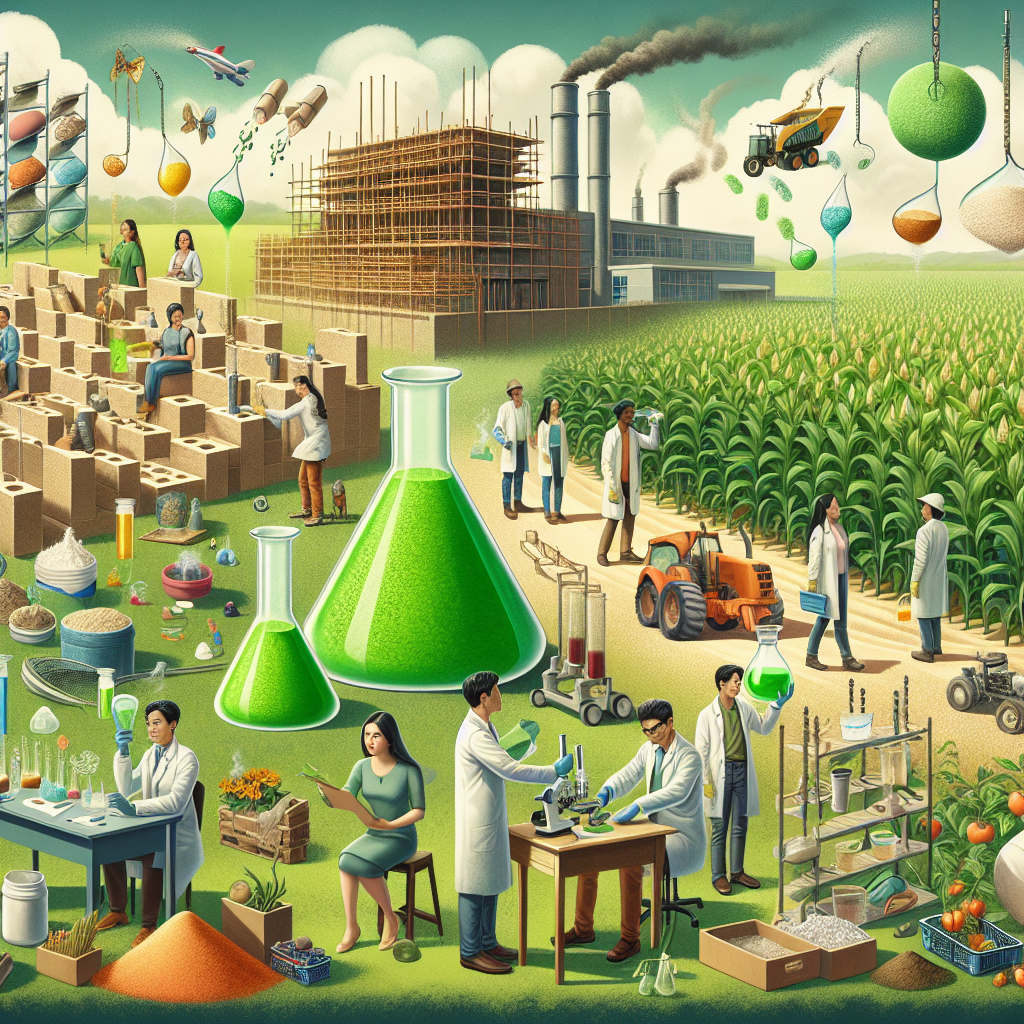
Ecological Sanitation (EcoSan) is a transformative approach to managing human waste by considering it not as a waste product to be disposed of but as a resource that can be recycled and reused in a manner beneficial to the environment. This philosophy not only underscores the importance of sustainability but also highlights an often-overlooked intersection: the relationship between EcoSan and renewable energy.
What is Ecological Sanitation?
Before diving into the nexus of EcoSan and renewable energy, it’s crucial to fully understand what EcoSan entails. At its core, EcoSan is based on the principle of recovering nutrients from waste, to not only ensure sanitation but also to contribute to agricultural productivity and the reduction of environmental pollution. This strategy prioritizes the conservation of resources, the restoration of natural cycles, and the health and well-being of all species.EcoSan systems vary widely, but they commonly include composting toilets, urine-diverting dry toilets (UDDTs), and constructed wetlands. Each of these systems treats human excreta on-site and transforms it into a sanitized form suitable for agricultural use, hence closing the loop between sanitation and agriculture.
Renewable Energy’s Role in EcoSan
The link between EcoSan and renewable energy emerges most evidently through the generation of biogas. Biogas technology, an integral part of innovative EcoSan solutions, utilizes anaerobic digestion, a process where microorganisms break down organic matter—such as human excreta—in the absence of oxygen. This process not only reduces the emission of greenhouse gases by preventing the decay of organic matter into more harmful gases but also produces methane. Methane is a potent energy source that can be used for cooking, heating, and even generating electricity.
The Synergy of Biogas and Solar Power
Incorporating solar power with biogas plants enhances the sustainability quotient of EcoSan further. In regions where sunlight is abundant, solar panels can power the mechanical components necessary for the functioning of biogas digesters, such as mixers and pumps. This integration not only reduces the operational costs associated with biogas production but also ensures a continuous production cycle, particularly in off-grid settings.
EcoSan in Off-Grid Communities
For remote and off-grid communities, EcoSan provides a double boon: addressing sanitation issues and contributing to energy self-sufficiency. In such contexts, the end products of EcoSan systems can significantly reduce dependency on external energy sources. For instance, biogas produced from community-led EcoSan systems can fuel community kitchens, support local schools, and power agricultural equipment, thereby fostering a self-sustaining cycle of energy generation and utilization.
The Environmental Impact
On the environmental front, the integration of EcoSan with renewable energy sources starkly contrasts with traditional sanitation systems that rely heavily on chemical treatments and energy-intensive wastewater management. By minimizing water usage and treating waste at the source, EcoSan systems paired with renewable energy technologies can substantially lower the carbon footprint of sanitation services.Furthermore, the nutrient-rich by-products of EcoSan systems (like compost and treated water) not only reduce the need for chemical fertilizers but also enhance soil health, promoting a more organic approach to agriculture. This not only secures food production but also curtails the runoff of chemicals into natural water bodies, thus protecting aquatic life and supporting biodiversity.
Looking Ahead
As the global community becomes increasingly aware of the critical linkages between sanitation, waste management, and renewable energy, EcoSan stands out as a promising solution to the intertwined challenges of environmental degradation, energy scarcity, and public health. Its ability to integrate seamlessly with renewable technologies invites innovation and encourages a rethinking of how communities globally manage waste and harness energy.Moving forward, the exploration of EcoSan in the context of renewable energy not only highlights its potential in energy generation but also reinforces its role in building resilient and sustainable infrastructures. By embracing these systems, societies can take significant strides towards achieving not only environmental sustainability but also economic and social resilience. The journey of EcoSan from a niche idea to a mainstream solution may well be paved by its synergy with renewable energy solutions. As we delve deeper into this relationship, it becomes clear that the future of sanitation might just be as bright as the energy it has the potential to harness.

Enhancing Community Engagement through EcoSan Initiatives
The integration of EcoSan with renewable energy not only presents an ecological stride but also serves as a vital catalyst for improved community participation and development. Engaging local communities in the design, operation, and maintenance of EcoSan systems ensures that these initiatives are not only sustainable but also socially inclusive.
Local Workforce Development
Implementing EcoSan systems provides an excellent opportunity for training local individuals in both the construction and operation of these systems. This educational component not only empowers residents but also fosters local employment and economic growth. By involving community members, EcoSan projects can alleviate poverty and enhance social cohesion, making these initiatives more than a mere technical solution but a comprehensive community development tool.
Educational Opportunities and Awareness Raising
Alongside employment, the establishment of EcoSan systems serves as an educational platform to raise awareness about sustainable living practices. By hosting workshops and field demonstrations, communities learn more about the importance of resource conservation and renewable energy, thereby fostering a culture of sustainability.These educational programs can particularly benefit schools. Incorporating EcoSan systems and the science behind them into school curriculums can ignite an early interest in renewable technologies and environmental stewardship among young learners. This approach not only educates a new generation about sustainable practices but also integrates these ideals into everyday community life.
Public Health Improvements and Women’s Empowerment
Perhaps one of the most significant benefits of EcoSan is its direct impact on public health. By reducing, and in some cases eliminating, the contamination of water sources from human waste, EcoSan systems significantly decrease the incidence of waterborne diseases. Healthier communities are more productive and better equipped to foster development on various fronts.Moreover, the introduction of EcoSan facilities can have a profound impact on the empowerment of women and girls, who often bear the burden of poor sanitation facilities. With safer and more accessible sanitation facilities, women have more time to engage in educational opportunities and community activities. Improved sanitation also provides a dignified environment for women to manage personal hygiene, which is particularly important during menstruation.
Innovation through Collaboration
The future of EcoSan intertwines with the readiness of communities to adopt and adapt these systems according to local environmental conditions and cultural practices. By collaborating with international bodies, local governments, and private entities, communities can tailor EcoSan solutions that fit their specific needs while maximizing the benefits of associated renewable energy technologies.This collaborative effort not only broadens the scope of EcoSan but also enhances the potential for innovative practices and solutions. As communities become more knowledgeable and enthusiastic about the possibilities of EcoSan, the global potential for these systems expands, paving the way for a sustainable future that harnesses the power of both human ingenuity and nature’s bounty.
Strengthening Resilience and Adaptability
EcoSan initiatives go beyond environmental benefits by enhancing the resilience of communities to adapt to climate change. As weather patterns become more unpredictable and water scarcity issues intensify, EcoSan systems offer a practical approach to managing and recycling water and nutrients efficiently. By reducing the reliance on traditional sanitation systems that consume high volumes of water, communities can conserve more clean water for drinking and agricultural purposes, securing their livelihoods and food sources against climate vulnerabilities.This resilience is further supported through the introduction of systems like constructed wetlands and solar-powered fecal sludge treatment, which not only purify waste but also regenerate local ecosystems. As communities learn to manage these systems, they gain valuable skills in resource management and ecological restoration, laying the groundwork for stronger, more sustainable local economies that can better withstand environmental stresses.This proactive approach to building community adaptability not only addresses immediate sanitation and health needs but also prepares populations for future environmental challenges, encouraging a forward-thinking mindset and proactive community strategies in global environmental conservation efforts. By embracing EcoSan, communities not only safeguard their environment but also cultivate a robust framework for enduring sustainability and resilience.
Conclusion
Embracing EcoSan systems is not merely about improving sanitation and managing resources sustainably; it is fundamentally about empowering communities to thrive amidst the evolving challenges of climate change. These systems cultivate a cycle of resilience that feeds back into local economies, health, and environmental stability by enabling efficient water and nutrient management. As we look to the future, the adaptability provided by EcoSan offers a blueprint for how communities worldwide can manage more than just their waste—they can effectively harness their collective capacity for resilience and proactive environmental stewardship.With each community that adopts EcoSan, we witness a step towards a more resilient global ecosystem. These community-driven efforts amplify the benefits of local adaptations and foster a sense of collaboration and empowerment that transcends geographical and cultural boundaries. It’s clear that strengthening community resilience is crucial for sustainable development, and EcoSan systems play a pivotal role in this process. As more communities integrate these eco-friendly practices into their daily lives, we build a more adaptable and resilient world—a world not only capable of meeting the challenges of today but also those of tomorrow.