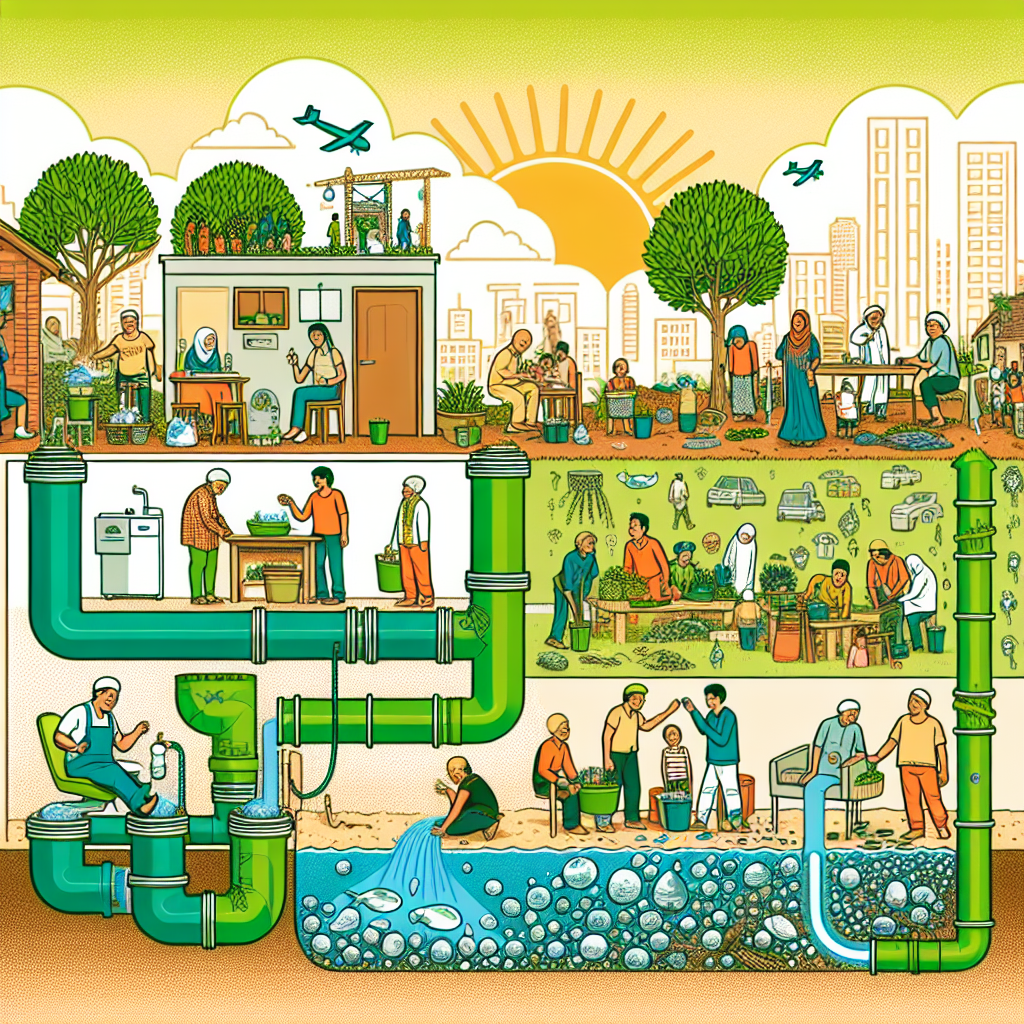
In the realm of ecological sanitation (EcoSan), functionality often takes the forefront, as it rightly should; after all, the primary goal of these systems is to safely process and recycle human waste without harming the environment. However, an often overlooked aspect of these sanitation solutions is their design aesthetics. The visual and experiential design of EcoSan systems can significantly impact their acceptance and success within communities. This is why aesthetics, far from being just a superficial afterthought, are crucial in the promotion and effectiveness of EcoSan solutions.
Understanding EcoSan Design Aesthetics
When we talk about aesthetics in EcoSan, we’re referring to the overall appearance and sensory perception of the sanitation facilities. This encompasses elements such as the materials used, the architecture, the color schemes, and even the landscaping around the facilities. But why is this important?Firstly, well-designed EcoSan facilities can help dissolve the stigma that often surrounds discussions of sanitation. In many cultures, topics related to human waste are taboo, and the facilities themselves are sometimes seen as unclean or undesirable places. By focusing on appealing, visually pleasing designs, EcoSan can transform the narrative, turning sanitation solutions into community landmarks that people respect and value rather than shun.
Breaking Down Resistance with Beauty
Consider the potential of an attractively designed toilet facility in a public park or a community center that doesn’t just serve a functional purpose but also blends seamlessly into the environment or even enhances it. Such facilities can help reduce the inherent resistance to discussing and dealing with waste management issues. People are generally drawn to beautiful things, and an aesthetically pleasing EcoSan facility can encourage more frequent use and promote positive attitudes towards sustainable sanitation practices.
Aesthetics and Usability
Moreover, thoughtful design doesn’t merely cater to the eyes; it also enhances usability and comfort, which are vital in encouraging the sustained use of EcoSan systems. For instance, consider the impact of natural lighting and ventilation, which can make EcoSan facilities more pleasant and healthier spaces for users. Integrating local art or cultural motifs can also create a sense of ownership and pride among community members, fostering a caretaking attitude towards these facilities.
EcoSan: A Tool for Social and Environmental Change
Beyond mere functionality, EcoSan systems designed with aesthetic sensitivity can serve as a tool for broader social and environmental change. By integrating green spaces, sustainable materials, and community-oriented designs, these facilities can contribute to urban beautification, provide a stimulus for local economies, and promote ecological awareness.In addition, aesthetically pleasing EcoSan solutions can act as public education tools. Well-designed informational displays and intuitive, user-friendly interfaces can teach users about the ecological cycles involved in waste processing and resource recovery. This educational aspect is crucial for building knowledgeable communities that can sustain environmental initiatives in the long run.
Incorporating Local Culture in EcoSan Design
Integrating local cultural elements into the design of EcoSan solutions can enhance their acceptance. When community members see familiar styles, materials, or symbols in the design of sanitation facilities, their sense of alienation reduces, and a feeling of inclusivity grows. This cultural consideration in design not only aids in the acceptance but also ensures that EcoSan solutions are viewed as a valuable part of the community’s heritage and future.
Leveraging Local Talents and Materials in EcoSan Design
Integrating local resources into the design of EcoSan systems not only supports the local economy but also enhances the environmental sustainability of these solutions. By using locally sourced materials and employing local artisans and builders, the ecological footprint of constructing sanitation facilities can be significantly reduced. Additionally, local materials often blend better with the natural and built environment, making the facilities feel more integrated and less intrusive.
Sustainability Meets Local Economy
The use of local materials such as bamboo, mud bricks, or reclaimed wood can lower transportation costs and emissions, and also provide a boost to local businesses and craftspeople. This approach not only makes EcoSan solutions more sustainable but also turns them into a catalyst for boosting local industries. When communities see economic benefits flowing from the adoption of EcoSan, the systems are more likely to be embraced and maintained.

Enhancing Local Engagement through Participatory Design
Engaging community members in the design process is another critical aspect. This participatory approach ensures that the end product is tailored to meet the unique needs and preferences of the local population. Workshops and design charrettes can be a great way to involve community members, gather their input, and make them feel invested in the project. This involvement not only improves the design but also strengthens community ties and ensures greater care and upkeep of the sanitation facilities once they are in use.
Tailoring Technologies to Fit Local Needs
It is also essential to consider the adaptability of EcoSan technologies to different environmental and cultural contexts. What works well in a wet climate may not be suitable in an arid area. Customizing solutions to fit local environmental conditions increases the efficiency and longevity of EcoSan systems. For instance, incorporating rainwater harvesting features in regions with plentiful rainfall, or optimizing for low water use in dryer areas, can make a significant difference in performance and acceptance.
Building Capacity and Fostering Sustainability
Capacity building is another critical component. Training local technicians to maintain and repair EcoSan facilities ensures their longevity and functionality. This not only contributes to the sustainability of the project but also empowers local individuals with new skills and potential income sources.By focusing on integrating local materials, engaging community members in the design process, adapting technologies to meet local needs, and building local capacities, EcoSan solutions can achieve greater sustainability and acceptance. This holistic approach not only addresses the ecological aspects of sanitation but also enhances the social and economic fabric of the communities they serve.
Fostering Local Innovation and Resilience
When communities actively participate in the EcoSan development process, they not only contribute valuable insights into the design but also foster a spirit of innovation and resilience. Local entrepreneurs and innovators can use their intimate knowledge of the region to develop new, sustainable materials and construction techniques that may further improve the efficiency and environmental footprint of EcoSan systems. This cultivates a local innovation ecosystem, where new ideas and adaptations can flourish, potentially leading to novel approaches that can be replicated in other contexts.Such a culture of innovation can extend beyond the immediate scope of sanitation and encourage a broader application of sustainable practices across community development initiatives. This benefits the entire community by creating a more cohesive, resilient, and adaptable environment, where creative solutions are celebrated and implemented. Additionally, the ongoing development and refinement of these technologies can offer insights and models that contribute to global sustainability efforts, making local successes internationally relevant.
Cultivating Sustainable Futures
In embracing EcoSan systems, communities are planting the seeds for a greener, more innovative future. The benefits of local involvement in such initiatives extend far beyond immediate environmental impacts or improvements in public health. This participatory approach nurtures a robust culture of resilience and innovation that permeates various facets of community life, potentially setting a global benchmark for sustainability.Key to this process is the empowerment of local populations. When community members are engaged in the planning, implementation, and refinement of EcoSan systems, they gain not only new skills but also a heightened sense of ownership and responsibility towards their environment. This empowerment fosters a proactive approach to challenges, turning obstacles into opportunities for innovation.Moreover, the ripple effects of such community-led innovations in sanitation can inspire similar initiatives across different sectors, from agriculture to education, further multiplying the benefits.
By providing a platform for local ingenuity, EcoSan initiatives help cultivate a mindset that values and seeks out sustainable solutions, thereby contributing to a more resilient global community.Through these efforts, small-scale local changes amass significant global impacts. The continuous cycle of feedback and adaptation that characterizes these initiatives provides valuable lessons on sustainability that transcend geographical and cultural boundaries. Ultimately, fostering local innovation through EcoSan not only enhances community resilience but also contributes to a larger narrative of global ecological and social sustainability.