

Ecological Sanitation, commonly known as EcoSan, is an innovative approach that aims to address the sanitation crises in a sustainable manner. Traditional sanitation methods, such as flush toilets and pit latrines, often create health risks and environmental pollution. In contrast, EcoSan emphasizes the recovery and safe reuse of nutrients and organic matter from human waste. By doing so, it helps in reducing water consumption, preventing contamination of water bodies, and returning valuable resources to agricultural fields.
This article delves into the principles and concepts behind EcoSan and its potential impact on community health. By examining various case studies and scientific findings, this piece will elucidate how EcoSan systems can significantly improve the health outcomes of communities, particularly in developing regions where traditional sanitation facilities are either insufficient or nonexistent.
The Principles of EcoSan
The core philosophy of EcoSan is to view waste as a resource rather than a problem. This paradigm shift is fundamental in addressing sanitation issues holistically. EcoSan operates on three main principles:
- Separation at Source: The separation of urine, feces, and greywater at the source to facilitate their treatment and reuse. This method helps in managing the waste effectively and minimizing pathogens.
- Resource Recovery: EcoSan aims to recover nutrients, organic matter, and water from human waste. These recovered resources can be used in agriculture, thus closing the nutrient loop and enhancing soil fertility.
- Safe Handling: Ensuring that the waste, once treated and converted into resources, is handled in a manner that poses no threat to human health. This involves adequate treatment processes to eliminate pathogens and promote safe use.
Adherence to these principles not only addresses health concerns but also contributes to environmental conservation and food security.
Case Studies of EcoSan Implementation
Several communities worldwide have successfully implemented EcoSan systems, demonstrating notable improvements in public health and environmental conditions. Here are a few illustrative examples:
1. The Philippines: In some rural areas of the Philippines, EcoSan toilets were introduced to alleviate the problem of open defecation. The results were significant, with a reduction in waterborne diseases and an increase in agricultural productivity due to the use of composted human waste.
2. Sweden: Sweden has a long history of using EcoSan systems, particularly urine-diverting dry toilets (UDDT). The separated and treated urine is frequently used as a fertilizer in agriculture, which has led to both improved crop yields and reduced use of synthetic fertilizers.
3. South Africa: In some low-income settlements, EcoSan systems have replaced inadequate sanitation facilities, leading to a noticeable decrease in diarrheal diseases and ground pollution.
These case studies show that, when implemented correctly, EcoSan can yield multiple benefits, including enhanced public health, improved agricultural outcomes, and environmental preservation.
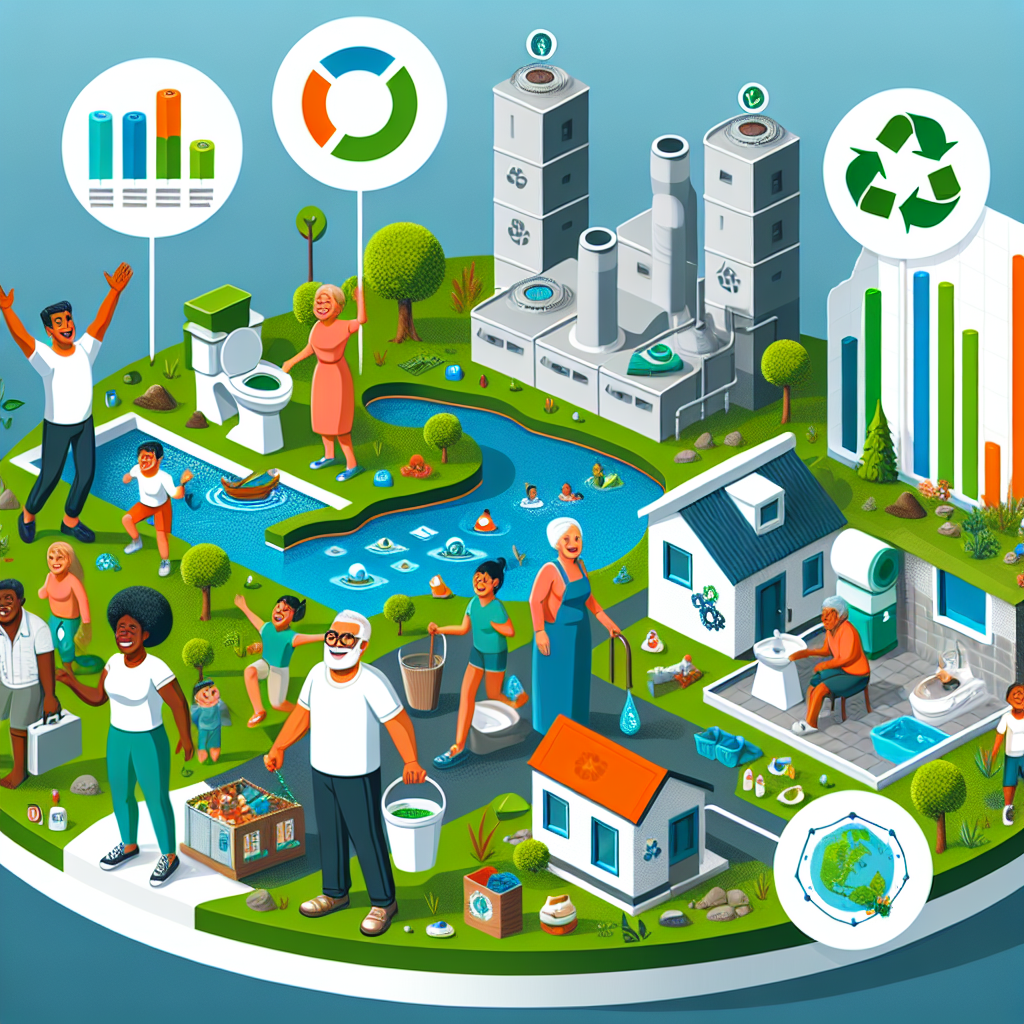
Health Benefits of EcoSan Systems
The health benefits of EcoSan systems are significant and multifaceted. By promoting the safe and sanitary treatment of human waste, EcoSan contributes to the reduction of disease transmission and enhances overall community health. Key health benefits include:
- Reduction in Waterborne Diseases: By preventing the contamination of water bodies, EcoSan systems help reduce the incidence of diseases such as cholera, dysentery, and typhoid, which are often associated with poor sanitation.
- Improved Nutritional Outcomes: The reuse of treated waste as a fertilizer can enhance soil fertility, leading to better crop yields and, consequently, improved nutritional outcomes for communities.
- Minimized Helminth Infections: Properly managed EcoSan systems can break the cycle of helminth transmission, which is common in areas with inadequate sanitation facilities.
- Enhanced Community Hygiene: By providing safe and effective sanitation solutions, EcoSan systems contribute to improved community hygiene and overall well-being.
These health benefits underscore the potential of EcoSan to transform the health landscape of underserved communities.
Environmental Impact of EcoSan Systems
The environmental benefits of EcoSan are equally compelling. By focusing on resource recovery and safe waste management, EcoSan contributes to environmental sustainability in several ways:
- Water Conservation: EcoSan systems often utilize less water compared to traditional flush toilets, making them particularly valuable in water-scarce regions.
- Reduced Pollution: By preventing the direct discharge of untreated waste into water bodies, EcoSan helps in reducing water pollution and protecting aquatic ecosystems.
- Soil Enrichment: The use of treated human waste as a fertilizer improves soil health, leading to more robust and sustainable agricultural practices.
- Decreased Carbon Footprint: The reduced need for chemical fertilizers and the conservation of water contribute to a lower carbon footprint, making EcoSan a climate-friendly sanitation solution.
These environmental gains illustrate the holistic benefits of EcoSan and its importance in promoting sustainable development.
Challenges in EcoSan Implementation
Despite the clear benefits, the implementation of EcoSan systems is not without challenges. Some of the main obstacles include:
- Cultural Acceptability: In many cultures, the use of human waste in agriculture is taboo, posing a significant barrier to the adoption of EcoSan systems.
- Initial Costs: The upfront costs of installing EcoSan systems can be relatively high, deterring communities with limited financial resources.
- Maintenance and Operation: Effective EcoSan systems require proper maintenance and operation, which can be challenging in areas with limited technical expertise and resources.
- Policy and Regulation: The lack of supportive policies and regulations can hinder the scaling up of EcoSan initiatives.
Addressing these challenges requires targeted efforts, including community education, financial support, capacity building, and effective policy formulation.
Future Prospects of EcoSan
The future prospects of EcoSan are promising, especially in the context of growing environmental awareness and the need for sustainable development. Innovations in EcoSan technology and design are continuously emerging, making these systems more efficient, user-friendly, and cost-effective. Some future trends include:
- Integration with Smart Technologies: The use of sensors and digital monitoring can enhance the efficiency and maintenance of EcoSan systems.
- Decentralized Sanitation Networks: Developing decentralized sanitation networks can make EcoSan more accessible and adaptable to different community needs.
- Cross-sectoral Collaboration: Collaboration between health, agriculture, and environmental sectors can amplify the benefits of EcoSan systems.
- Policy Advocacy: Strengthening policy advocacy for EcoSan can pave the way for more supportive regulatory frameworks and funding opportunities.
These prospects highlight the potential for EcoSan to contribute significantly to global health and environmental sustainability goals in the future.
Conclusion
EcoSan holds tremendous potential to revolutionize sanitation practices, particularly in underserved communities. By prioritizing the recovery and reuse of waste, it addresses health concerns, environmental challenges, and resource scarcity issues in a comprehensive manner. Communities that have adopted EcoSan systems have witnessed significant improvements in health outcomes, agricultural productivity, and environmental quality.
To maximize the benefits of EcoSan, it is crucial to address the challenges of cultural acceptance, initial costs, and maintenance. Moreover, supportive policies and regulations, along with continuous innovation and cross-sectoral collaboration, are essential to scaling up EcoSan initiatives.
As we move towards a more sustainable and health-conscious future, EcoSan presents an invaluable solution that aligns with the global goals of improving sanitation, ensuring food security, and protecting the environment. By embracing EcoSan principles, communities can pave the way for a healthier, more sustainable world.


