Ecological sanitation (EcoSan) presents a paradigm shift in the way we manage human waste. Unlike conventional sanitation systems that focus primarily on waste disposal, EcoSan aims at the safe reuse of human excreta, turning waste into a resource. This not only tackles the pressing issue of sanitation in resource-poor settings, but also addresses the broader environmental challenges. However, the adoption and implementation of EcoSan practices are significantly influenced by the legal landscape that governs them. The evolving legal frameworks play a crucial role in promoting sustainable sanitation practices while ensuring public health is not compromised. This article delves into the principles and concepts of EcoSan, explores the current legal landscape, discusses significant legal developments, and projects future directions for ecological sanitation. By understanding these dimensions, stakeholders can better navigate the complexities of EcoSan implementation.
Understanding EcoSan Principles and Concepts:
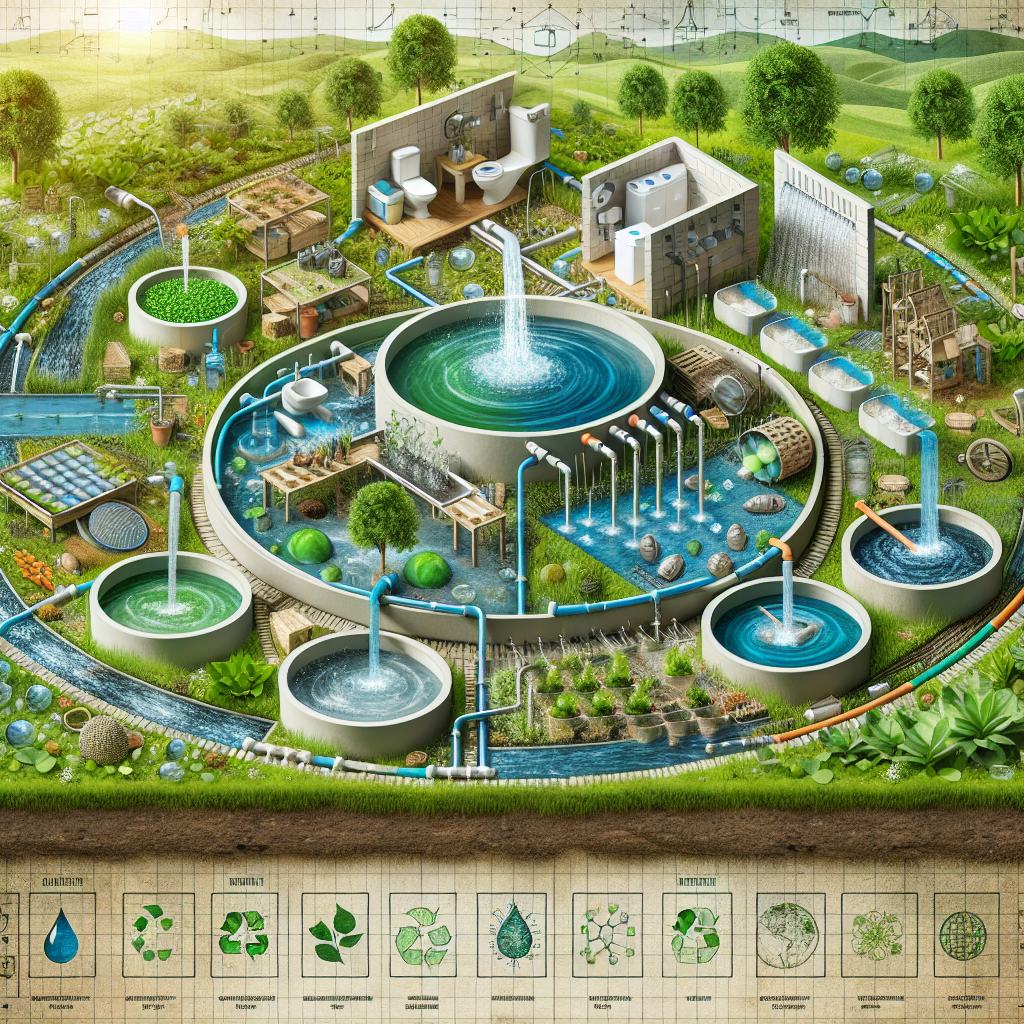
Ecological sanitation is built on the fundamental principle of closing the nutrient loop. It transforms the traditional perception of human waste as a contaminant to being an invaluable resource. EcoSan practices involve segregating, treating, and recovering nutrients from human waste. Urine-diverting dry toilets (UDDTs), composting toilets, and anaerobic digestion are some of the techniques used. These methods aim to harness the nutrients found in human excreta, using them as fertilizers for agriculture, thus promoting nutrient recycling and reducing dependency on synthetic fertilizers. Moreover, EcoSan solutions are designed to conserve water, making them particularly relevant for arid regions. The core objectives of ecological sanitation are to protect public health, promote environmental sustainability, enhance food security through nutrient recovery, and ensure socio-cultural acceptance of sanitation practices. These principles guide the design, implementation, and assessment of EcoSan initiatives across various contexts.
The Current Legal Landscape of Ecological Sanitation:
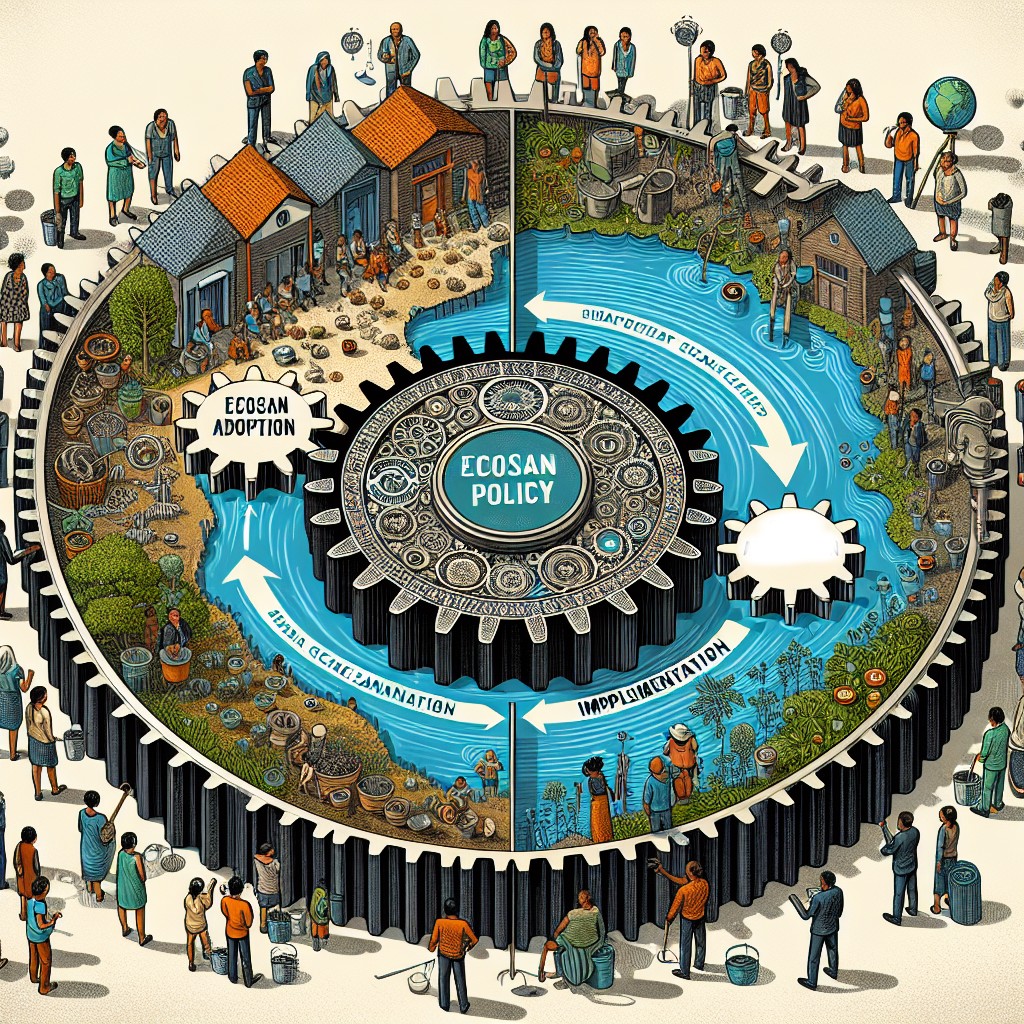
The legal frameworks that govern sanitation practices vary widely across different regions. In many countries, existing sanitation regulations were established with conventional sanitation systems in mind, and they often do not specifically address EcoSan technologies. In some regions, EcoSan is integrated into broader environmental laws, while in others, specific policies and guidelines have been developed to support its implementation. For example, countries like Sweden and Germany have recognized the potential of nutrient recovery from human waste and have enacted laws and policies that promote the use of EcoSan practices. In these countries, ecological sanitation is supported by incentives, regulatory standards, and public awareness campaigns. However, in other regions, legal barriers such as stringent waste disposal regulations, lack of recognition for EcoSan technologies, and insufficient guidelines for nutrient recovery can hinder the adoption of ecological sanitation practices. Addressing these legal discrepancies is essential for the widespread implementation of EcoSan systems.

Significant Legal Developments in EcoSan:
In recent years, there have been notable legal advancements that support the growth of ecological sanitation. The Sustainable Development Goals (SDGs), particularly Goal 6, emphasize the importance of sustainable water and sanitation management. This has spurred many countries to revisit their sanitation policies and incorporate sustainable practices. Several nations have introduced progressive legislation that not only recognizes the role of EcoSan but also provides a framework for its implementation. For instance, in India, the National Urban Sanitation Policy recognizes the importance of ecological sanitation for urban areas facing significant water stress. Additionally, the European Union has developed guidelines for the safe use of treated human waste in agriculture, setting standards for treatment and monitoring to ensure safety. These legal developments are crucial for creating an enabling environment for EcoSan, fostering innovation, and encouraging investments in sustainable sanitation technologies.
Challenges and Barriers in the Legal Framework:
Despite the progress, there are several challenges and barriers in the legal framework that need to be addressed to promote EcoSan practices effectively. A major challenge is the lack of harmonization in sanitation regulations across different jurisdictions. This can create confusion and inconsistency in the implementation of EcoSan projects. Additionally, there is often a gap between policy and practice. While policies promoting ecological sanitation may exist, their enforcement can be weak, and the lack of technical support or financial incentives further complicates the situation. Public perception and cultural acceptance of using human excreta in agriculture can also pose significant barriers. Another critical issue is the need for comprehensive guidelines and standards for treatment processes and nutrient recovery to ensure safety and public health. Addressing these challenges requires coordinated efforts from policymakers, regulatory bodies, and the sanitation sector.
Future Directions and Opportunities for EcoSan:
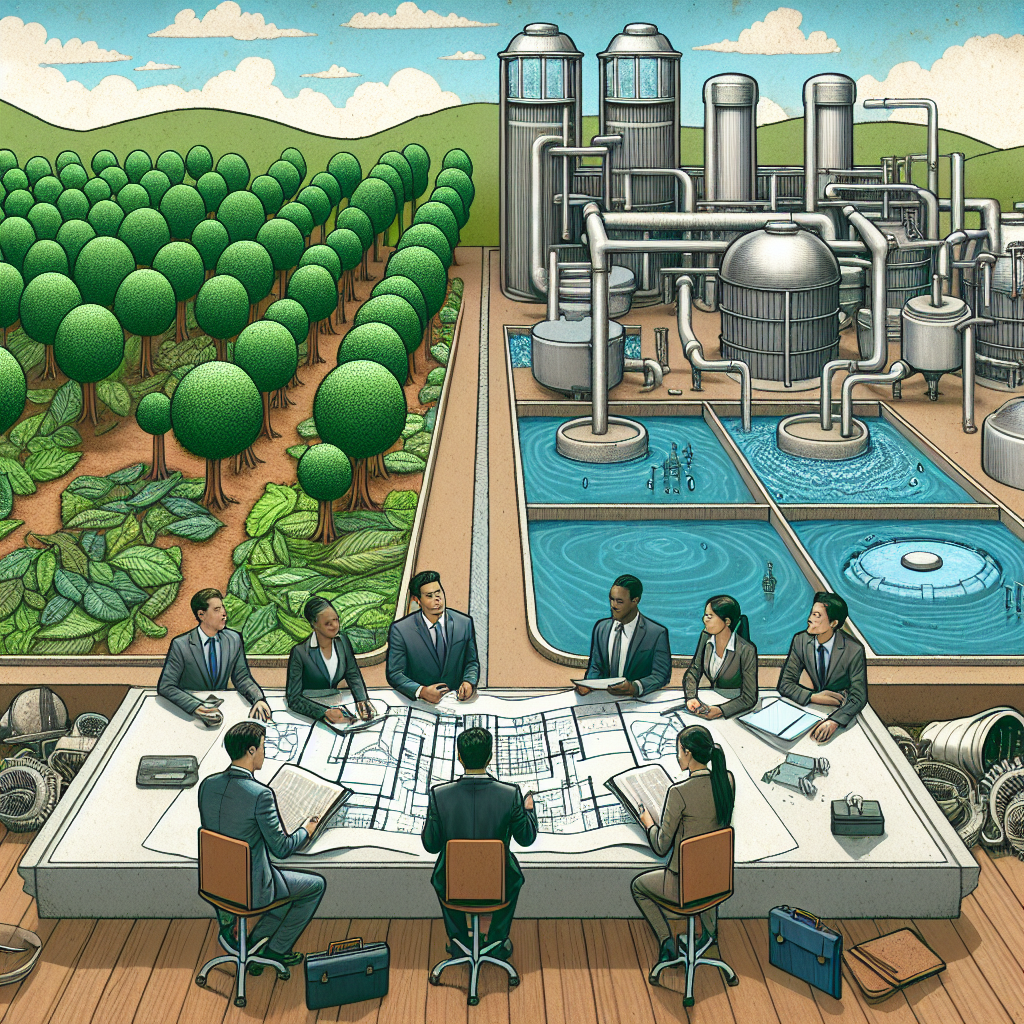
The future of ecological sanitation lies in the development of more robust and supportive legal frameworks that facilitate its adoption and implementation. Increasing awareness and understanding of the benefits of EcoSan among policymakers, practitioners, and the public is essential. Enhancing collaboration between the sanitation sector and agricultural stakeholders can also help in mainstreaming nutrient recovery practices. Innovations in EcoSan technologies, such as improved treatment processes and monitoring systems, can further drive adoption. Moreover, integrating EcoSan into climate change strategies and emphasizing its role in water conservation and sustainable agriculture can attract wider support. Financial mechanisms and incentives, such as subsidies, grants, and low-interest loans, can also play a pivotal role in promoting EcoSan projects. Moving forward, it is crucial for governments and international organizations to work together to update and harmonize sanitation laws and policies that recognize the potential of ecological sanitation.
Conclusion:
The evolving legal landscape of ecological sanitation holds the key to unlocking sustainable and resilient sanitation solutions. As EcoSan principles and concepts gain recognition and acceptance, it is imperative to address the legal barriers and create enabling environments for their implementation. The alignment of national and international goals, such as the SDGs, with EcoSan practices can drive significant progress. Ongoing legal developments, coupled with increased awareness and collaboration among stakeholders, can pave the way for scalable and impactful EcoSan solutions. However, the journey is far from over, and it requires persistent efforts to overcome challenges and seize opportunities. By continuing to evolve and adapt legal frameworks, we can ensure that ecological sanitation not only contributes to environmental sustainability and public health but also enhances food security and resource efficiency. Ultimately, a supportive legal landscape is the cornerstone of achieving sustainable sanitation for all.