Ecological sanitation, or EcoSan, represents a transformative approach to sanitation that aims to protect our environment while also turning waste into valuable resources. It is rooted in closing the nutrient loop by safely processing human waste, making it safe for agriculture and ecosystem restoration. With developing nations struggling with waste management and sanitation issues, the implementation of EcoSan principles can have significant positive impacts on public health, environmental conservation, and economic development.
The traditional concept of sanitation often involves wastewater treatment that can lead to water pollution and resource wastage. In contrast, EcoSan focuses on source separation of waste, its proper treatment, and its safe reuse, thereby transforming how we perceive and treat what we typically consider to be waste. In developing countries, where infrastructure may be lacking and sanitation-related diseases are prevalent, building capacity for EcoSan can play a defining role in sustainable development.
Below, we will explore the concepts and principles of EcoSan, the benefits it offers to developing nations, the strategies for its implementation, challenges faced, success stories from different parts of the world, and potential solutions to overcome the hurdles in its adoption.
Understanding the Core Principles of EcoSan
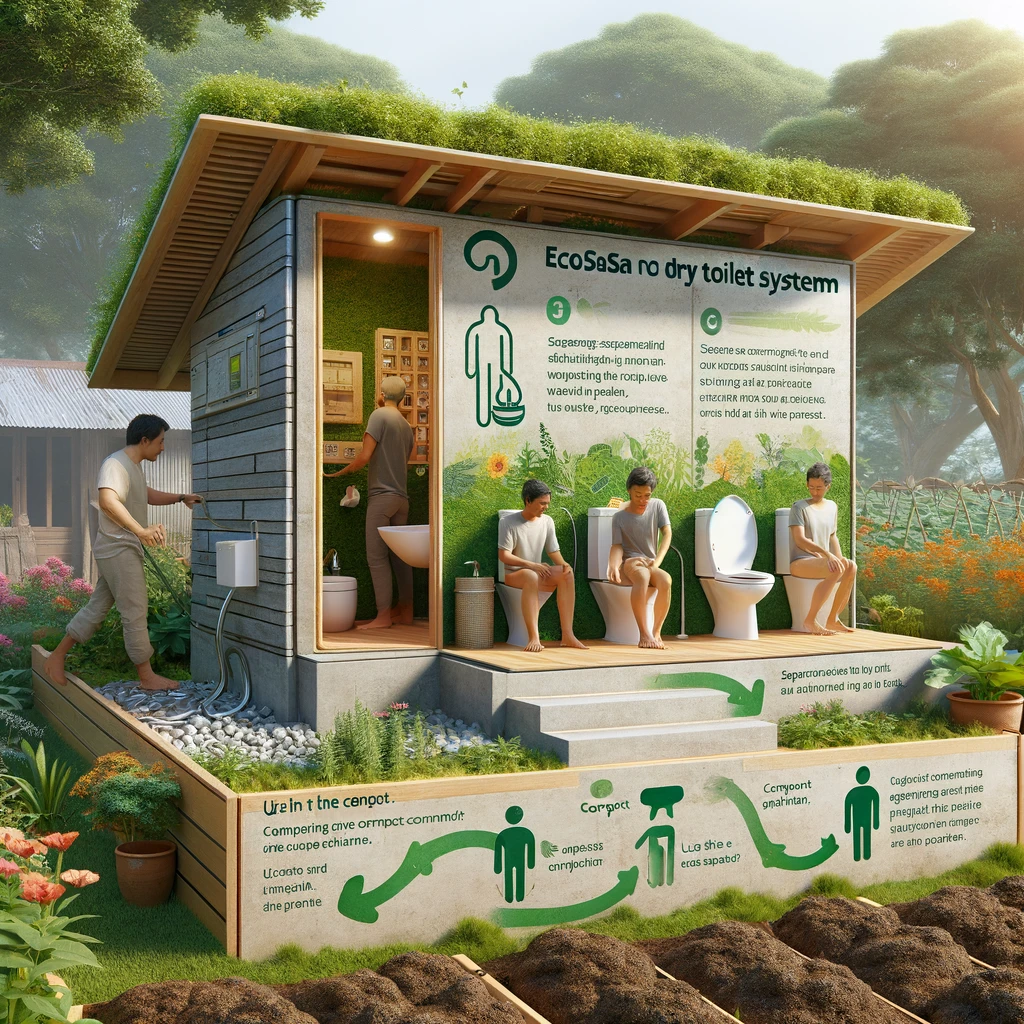
EcoSan is guided by several core principles aimed at creating a sustainable sanitation system. These principles are designed to protect the environment, conserve resources, and promote health and dignity. One of the key principles is the separation of urine and feces at the source. This separation is crucial because it allows for the independent treatment and reuse of the two waste streams.
Another foundational principle is nutrient recovery. EcoSan focuses on recovering nutrients such as nitrogen, phosphorus, and potassium from human waste, which can then be used as fertilizers in agriculture. This not only reduces the dependency on chemical fertilizers but also enhances soil fertility and agricultural productivity.
Hygiene and public health are also central to EcoSan. The treatments involved in EcoSan processes ensure that all pathogens are eliminated or reduced to safe levels, thereby preventing the spread of diseases. Furthermore, EcoSan promotes water conservation by offering dry sanitation alternatives and reducing the need for water-based toilets.
Finally, the principle of sustainability underpins all aspects of EcoSan. This includes the economic sustainability of low-cost and easily maintainable systems, the social sustainability of systems that are acceptable and beneficial to communities, and the environmental sustainability of systems that do not deplete or contaminate natural resources.
Benefits of EcoSan for Developing Nations
Developing nations grapple with numerous sanitation challenges, including limited access to clean water, poor sanitation facilities, and the prevalence of waterborne diseases. Implementing EcoSan can address these issues comprehensively.
One of the primary benefits is improved public health. By properly treating and reusing human waste, EcoSan systems can eradicate pathogens responsible for diseases such as cholera, dysentery, and diarrhea. This not only reduces healthcare costs but also improves the overall quality of life.
EcoSan also contributes to environmental protection. Traditional waste treatment methods often result in pollution of water bodies and soil; EcoSan, however, prevents this by ensuring that waste is converted into a safe, usable form. This helps in conserving natural ecosystems and promoting biodiversity.
On the economic front, EcoSan can lead to significant cost savings. The reuse of treated waste as fertilizer reduces the need to purchase chemical fertilizers, which can be prohibitively expensive for poor farmers. Additionally, the implementation of low-cost EcoSan systems reduces the financial burden on local governments tasked with waste management.
The concept of resource recovery encompassing nutrient reuse also leads to improved agricultural productivity and food security. Fertilizers produced from human waste are rich in essential nutrients and organic matter, which enhance soil health and crop yields.

Strategies for Implementing EcoSan Systems
To successfully implement EcoSan systems in developing nations, a multifaceted approach is required. One of the first steps is raising awareness and educating communities about the benefits of EcoSan. Public health campaigns and community engagement initiatives can help shift perceptions and garner support for EcoSan projects.
Capacity building activities are also crucial. Training local technicians, engineers, and community leaders ensures that there is a dedicated workforce capable of installing, monitoring, and maintaining EcoSan systems. This not only creates local employment opportunities but also fosters community ownership and sustainability of the projects.
Involvement of local governments and policymakers is another key strategy. Policies supporting EcoSan implementation, such as subsidizing construction costs or providing incentives for waste recycling, can accelerate adoption rates. Governments can also play a pivotal role in funding and facilitating research and development initiatives to improve EcoSan technologies.
Infrastructure development tailored to the specific needs of communities is essential. This includes designing and building EcoSan toilets that are culturally acceptable and meet local sanitation needs. Partnerships with NGOs and international organizations can provide both financial and technical assistance to support these efforts.
Challenges in the Adoption of EcoSan
Despite its numerous benefits, there are several challenges in the widespread adoption of EcoSan in developing nations. One of the main challenges is the cultural stigma associated with human waste. Changing entrenched attitudes and behaviors regarding sanitation and waste reuse requires targeted education and awareness campaigns.
Financial constraints are another significant barrier. While EcoSan systems are cost-effective in the long term, the initial investment costs can be high. Many developing nations lack the financial resources or access to credit required to fund these projects, necessitating external funding or innovative financing models.
Technological limitations can also hinder the implementation of EcoSan. Some rural or remote areas may not have the technical infrastructure or expertise needed to construct and maintain EcoSan systems. This highlights the need for simple, easy-to-deploy solutions and robust training programs.
Regulatory and policy challenges also exist. In many developing nations, existing sanitation policies do not support or incentivize the adoption of EcoSan. There is a need for comprehensive legislation that integrates EcoSan principles and facilitates their implementation.
Success Stories from Around the World
There have been several successful EcoSan projects worldwide, demonstrating its potential and applicability across diverse contexts. In India, for example, the Sulabh International Social Service Organization has implemented thousands of composting toilets, significantly improving sanitation and public health in rural areas. These toilets have also provided a source of organic fertilizer for local farmers.
In Ethiopia, the Sustainable Sanitation and Water Management Toolbox has been deployed to build capacity for EcoSan. This initiative has trained local communities in constructing and maintaining dry toilets, leading to improved sanitation and agricultural practices.
Similarly, in Uganda, the EcoSan program initiated by the Uganda Rainwater Association has successfully promoted the use of urine-diverting dry toilets. This project has not only improved sanitation but has also enhanced agricultural productivity through the use of waste-derived fertilizers.
These success stories highlight that with the right combination of education, funding, and local engagement, EcoSan can be a viable and sustainable sanitation solution. They also show that EcoSan can be adapted to fit various cultural and environmental contexts, proving its versatility and potential for global application.
Solutions to Overcome Adoption Hurdles
To overcome the hurdles associated with the adoption of EcoSan, several solutions can be pursued. Strengthening and expanding education and outreach programs is vital. These programs should focus on changing public perceptions about waste and illustrating the direct benefits of EcoSan in terms of health, economy, and environment.
Innovative financing models can help address financial barriers. This could include microfinancing options for individual households, government subsidies, public-private partnerships, and international development grants. Access to affordable financing will enable wider adoption of EcoSan systems.
Technological innovation is equally important. Developing low-cost, easy-to-use, and maintainable EcoSan systems can facilitate their adoption in resource-limited settings. Local fabrication and the use of indigenous materials can also reduce costs and enhance community engagement.
Creating supportive policies and regulatory frameworks can accelerate EcoSan adoption. This requires advocacy from non-governmental organizations, community groups, and international agencies to influence policymakers. Integrating EcoSan into national sanitation strategies and providing incentives for its adoption will be key drivers of change.
Building strong partnerships between governments, NGOs, the private sector, and local communities will also play a crucial role. Collaborative efforts can pool resources, share expertise, and create a supportive environment for EcoSan projects to thrive.
Conclusion
The adoption and implementation of EcoSan in developing nations hold incredible potential for improving public health, conserving natural resources, and driving sustainable development. By embracing the principles of waste separation, nutrient recovery, hygiene, water conservation, and sustainability, EcoSan offers a holistic solution to the sanitation challenges faced by many developing countries.
Success hinges on increased awareness, community engagement, capacity building, supportive policy frameworks, and innovative financing solutions. By learning from successful case studies and addressing the existing challenges, developing nations can harness the benefits of EcoSan to create healthier, more sustainable communities.
The journey towards widespread EcoSan adoption requires a collaborative effort from all stakeholders, including governments, NGOs, local communities, and the international community. Together, we can build the capacity for EcoSan in developing nations, leading to a brighter, healthier, and more sustainable future for all.