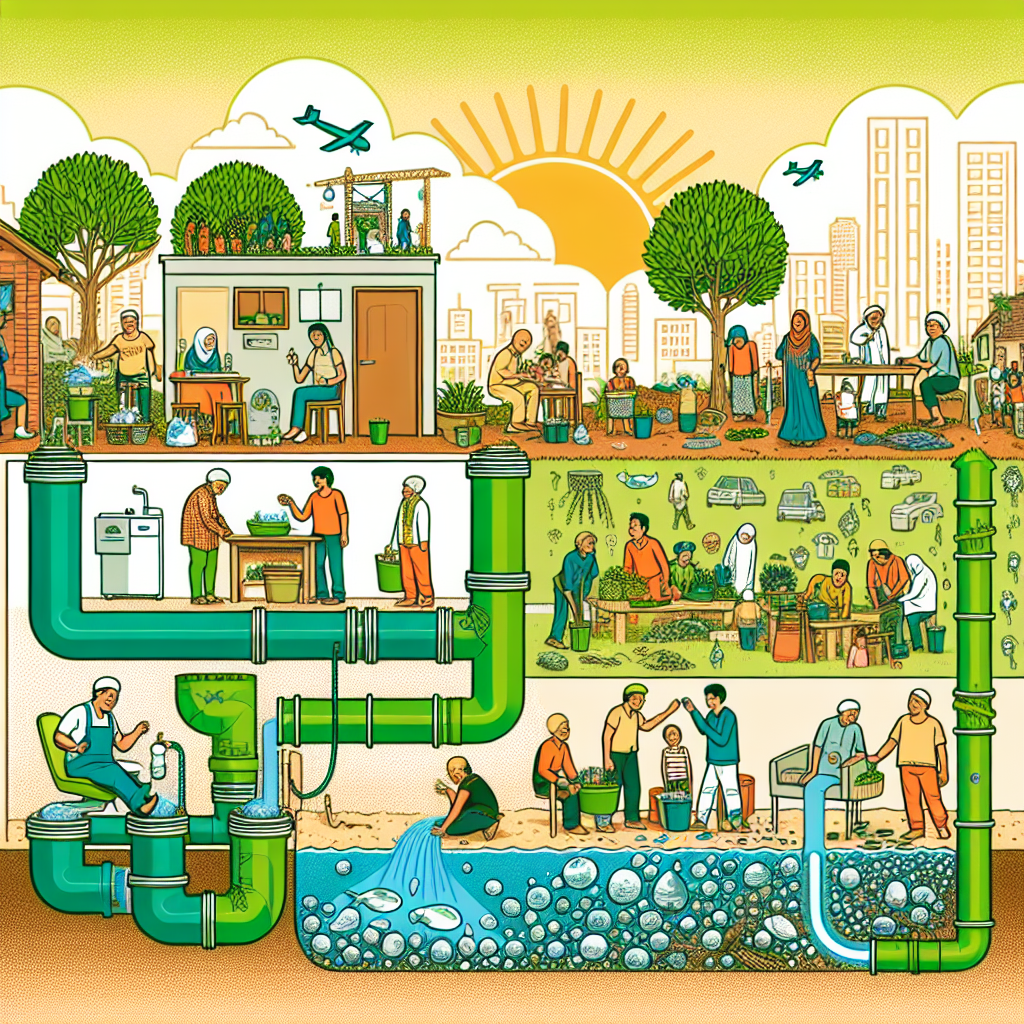
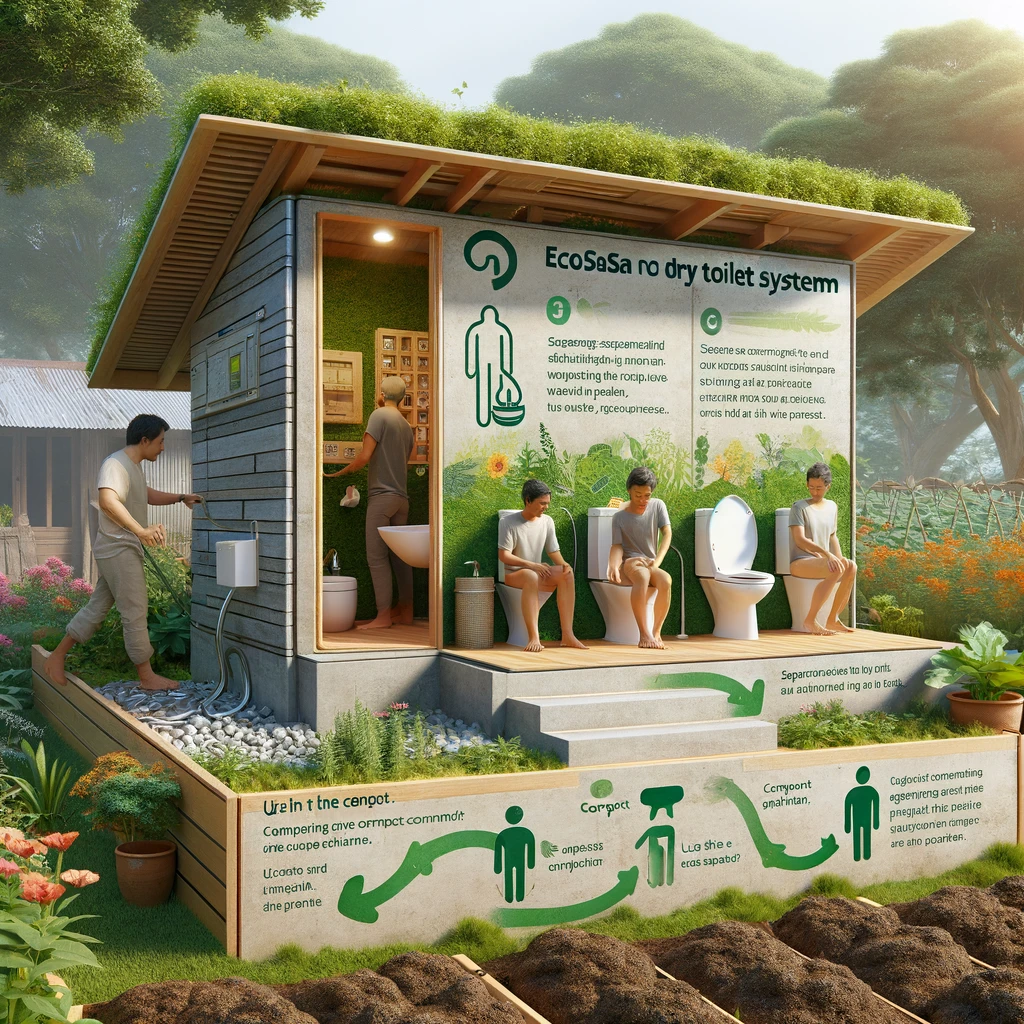
In the modern world, sanitation remains a critical concern with cascading effects on health, economic development, and environmental stability. Conventional sanitation systems, primarily focusing on waste disposal, often fall short of addressing these interconnected challenges. The concept of Ecological Sanitation (EcoSan) has emerged as a revolutionary approach by not just treating but positively utilizing human waste. By recycling nutrients and preserving water, EcoSan offers an integrative system that fosters both human and environmental health.
One fundamental aspect of EcoSan projects is the emphasis on building robust partnerships. These collaborations span across diverse stakeholders, including governments, NGOs, local communities, academic institutions, and private sectors. The importance of these partnerships lies not only in pooling resources and expertise but also in ensuring that the implemented solutions are culturally appropriate, economically viable, and environmentally sustainable. They also promote the critical need for holistic project management, community involvement, and continuous monitoring and evaluation. In this light, this article delves into the principles and concepts underpinning EcoSan, highlighting the importance of building partnerships for the sustainable success of EcoSan projects.
EcoSan Principles and Concepts
Ecological Sanitation operates on the fundamental principles of closing the nutrient loop and minimizing water usage. At its core, EcoSan aims to transform waste into a valuable resource rather than a pollutant. By treating human excreta through processes like composting and urine diversion, vital nutrients such as nitrogen, phosphorus, and potassium can be recovered and subsequently used in agriculture, thereby reducing reliance on synthetic fertilizers and mitigating environmental pollution.
Additionally, EcoSan systems are designed to operate with minimal or no water usage, which is critical in water-scarce regions. Traditional sanitation systems often rely heavily on water, contributing to the depletion of this precious resource. In contrast, EcoSan methods like dry composting toilets or urine-diverting dry toilets (UDDTs) conserve water by eliminating the need for flushing. These systems are not only environmentally sound but also offer substantial benefits in terms of reduced infrastructure costs and enhanced resilience to climate-induced water scarcities.
Role of Governments in EcoSan Projects
Governments play a crucial role in fostering the success of EcoSan projects. Their involvement can range from policy formulation to financial support and regulatory oversight. To create an enabling environment for EcoSan, governments must develop policies that encourage the integration of ecological sanitation into national and local development plans. This includes providing subsidies or financial incentives for EcoSan technology adoption, ensuring that regulations support innovative sanitation solutions, and facilitating capacity-building programs for communities and local authorities.
Moreover, governments can act as bridge-builders, connecting various stakeholders and promoting collaborative efforts. By organizing forums and workshops, governments can facilitate knowledge-sharing between different partners, ensuring that best practices and lessons learned are effectively disseminated. This collaborative approach can significantly bolster the implementation and scaling of EcoSan projects, making them more sustainable and impactful.

NGOs and Community Engagement
Non-Governmental Organizations (NGOs) are pivotal in implementing EcoSan projects, particularly at the grassroots level. NGOs often have deep connections with local communities and a nuanced understanding of their needs and challenges. This allows them to tailor EcoSan solutions that are culturally and contextually appropriate. By actively involving communities in the planning and implementation phases, NGOs ensure higher acceptance and ownership of the sanitation systems, which is crucial for their long-term sustainability.
Community engagement is a cornerstone of successful EcoSan projects. It involves conducting awareness campaigns to educate the public about the benefits of EcoSan, training local residents in the maintenance and operation of EcoSan systems, and fostering a sense of responsibility towards environmental stewardship. Engaged communities are not merely beneficiaries but active participants who can drive the project’s success and continuity. This grassroots involvement can lead to innovative local solutions and stronger resilience against challenges.
Academic and Research Institutions
Academic and research institutions play an indispensable role in advancing EcoSan technologies and methodologies. Through rigorous research and development, these institutions can innovate and refine ecological sanitation solutions to enhance their efficiency, affordability, and user-friendliness. By testing and validating new designs and technologies, they contribute to the continuous improvement of EcoSan systems and their adaptation to various environmental and socio-economic contexts.
Furthermore, academic institutions can facilitate capacity-building by providing technical training and educational programs for practitioners, policy-makers, and community members. They can also offer consultancy services, helping to design and implement EcoSan projects that are scientifically sound and technically robust. Research collaborations with international and local partners can enhance knowledge exchange and promote the global proliferation of successful EcoSan practices.
Private Sector Involvement
The private sector’s involvement is vital for the scalability and commercial viability of EcoSan projects. Private companies can contribute through investments in EcoSan technology development, production, and distribution. By adopting a business-driven approach, they can create products and services that are both environmentally sustainable and economically profitable. This can lead to wider acceptance and adoption of EcoSan solutions, particularly when they are market-driven and consumer-friendly.
Additionally, corporate social responsibility (CSR) initiatives can significantly bolster EcoSan efforts. Companies can support EcoSan projects through financial contributions, resource provision, and employee volunteer programs. By aligning their CSR goals with the objectives of EcoSan, private sector players can help extend the reach and impact of these projects, fostering sustainable development and improving public health outcomes.
Challenges and Solutions in Building Partnerships
Despite the potential benefits, building effective partnerships for EcoSan projects is fraught with challenges. These include bureaucratic red tape, misaligned priorities among stakeholders, cultural barriers, and funding constraints. To overcome these hurdles, a strategic and inclusive approach is essential.
One solution is to establish clear roles and responsibilities for each partner, ensuring transparent communication and accountability. Developing a shared vision and common goals can align the diverse objectives of different partners, fostering cooperation and mutual support. Additionally, leveraging technology for real-time collaboration and monitoring can enhance coordination and efficiency.
Funding challenges can be addressed by diversifying financial sources, combining public funds, private investments, and international aid. Capacity-building initiatives can help mitigate cultural and knowledge barriers, ensuring that all partners are well-equipped to contribute to the project’s success. Through continuous dialogues, feedback mechanisms, and adaptive management, partnerships can evolve and strengthen over time, leading to more sustainable and impactful EcoSan projects.
Conclusion
Ecological Sanitation represents a paradigm shift in how we perceive and manage human waste. By turning waste into a resource, EcoSan not only addresses sanitation issues but also contributes to environmental conservation and agricultural sustainability. The success of EcoSan projects hinges on the active collaboration of multiple stakeholders, including governments, NGOs, communities, academic institutions, and the private sector.
Building partnerships for sustainable EcoSan projects requires a concerted effort to align goals, share resources, and foster open communication. It demands innovative strategies to overcome challenges and a commitment to continuous improvement and adaptation. By working together, stakeholders can create sustainable, effective, and scalable EcoSan solutions that benefit both people and the planet.
As we move forward, the importance of these partnerships cannot be overstated. They are the foundation upon which sustainable EcoSan projects are built and thrive. Together, we can pave the way for a cleaner, healthier, and more sustainable future for all.