As we journey through the 21st century, global sanitation needs are evolving. Traditional waste treatment methods are proving inadequate against growing population pressures, climate change, and water scarcity. Enter Ecological Sanitation (EcoSan), a sustainable and innovative approach focusing on resource recovery and environmental conservation. This article explores the principles and concepts of EcoSan, predicting future trends and advancements in this critical field.
Introduction: The Need for Ecological Sanitation
Sanitation is a basic human need and a crucial factor in public health. Traditional sanitation systems, often involving water-intensive flush toilets and extensive sewer networks, are becoming unsustainable. They not only consume vast amounts of clean water but also often fail to adequately treat wastewater, leading to environmental pollution and health risks. According to the World Health Organization, over 2 billion people still lack access to safely managed sanitation, and this challenge is exacerbated in regions experiencing rapid urbanization and climate change.
Ecological Sanitation (EcoSan) offers a transformative solution by rethinking the entire sanitation process. Instead of viewing waste as a problem to be disposed of, EcoSan considers it a resource that can be safely reclaimed and reused. This closed-loop system aligns with the principles of sustainability, promoting the recovery of nutrients and energy from human waste. Let’s delve deeper into the principles and concepts underpinning EcoSan, and explore how this approach is shaping the future of sanitation.
Core Principles of EcoSan
At the heart of EcoSan are three core principles: containment, sanitization, and reuse. These principles ensure that human waste is managed in a way that protects public health and the environment, while also providing valuable resources for agriculture and energy production.
- Containment: The first step in EcoSan is the safe containment of human waste to prevent contamination of water sources and the environment. This often involves the use of dry toilets or urine-diverting toilets, which separate urine and feces at the source.
- Sanitization: The next step is to treat the waste to eliminate pathogens and make it safe for reuse. This can be achieved through various methods, such as composting, anaerobic digestion, or solar drying, which ensure that harmful microorganisms are neutralized.
- Reuse: The final step is to reuse the treated waste as a valuable resource. Urine and composted feces are rich in nutrients like nitrogen, phosphorus, and potassium, making them excellent fertilizers for agriculture. Additionally, biogas produced from anaerobic digestion can be used as a renewable energy source.
These principles not only address sanitation challenges but also contribute to sustainable resource management, enhancing food security and reducing the reliance on chemical fertilizers and fossil fuels.
Technological Innovations in EcoSan
Advancements in technology are driving the adoption and effectiveness of EcoSan systems. From low-tech solutions suitable for rural areas to high-tech innovations for urban environments, technology is making it easier to implement EcoSan principles. Some of the most notable technological innovations include:
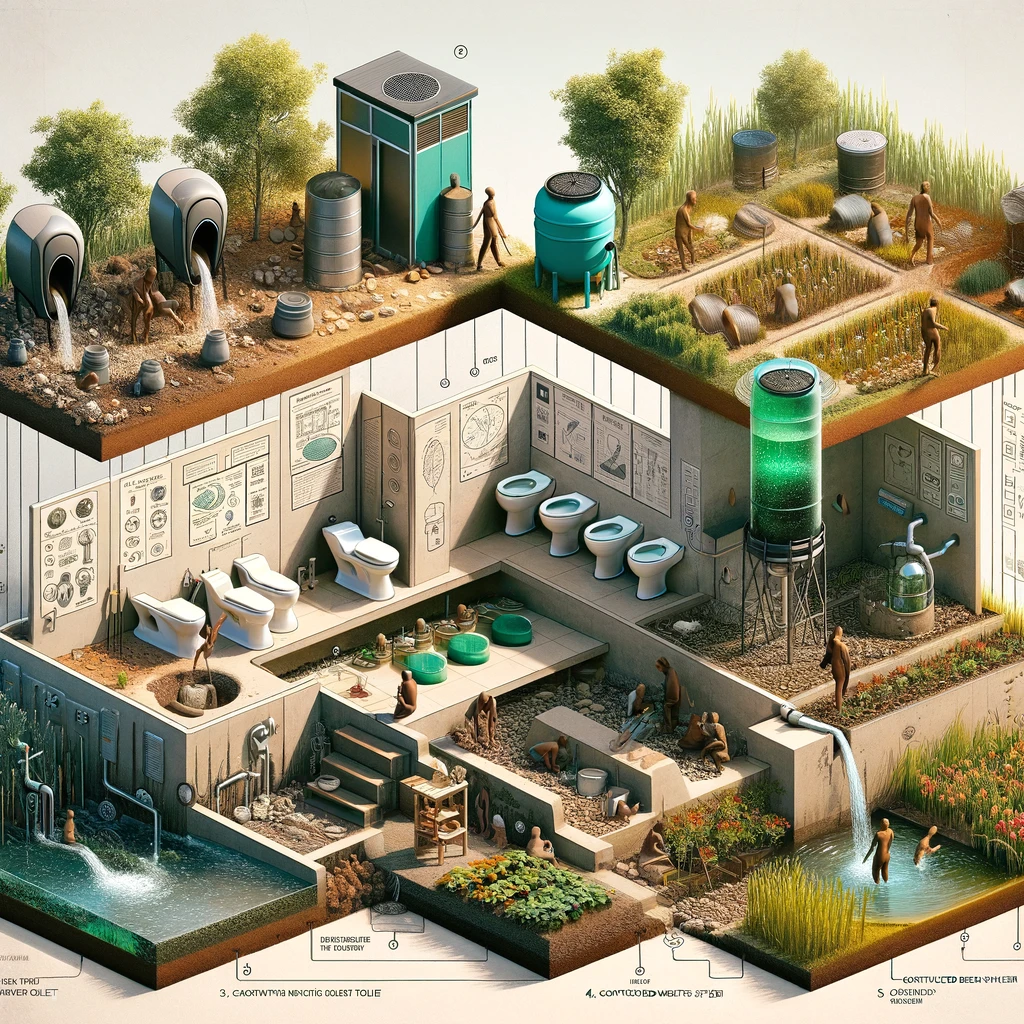
- Dry Toilets: These systems separate urine and feces, reducing water usage and making it easier to treat and reuse waste. Innovations in dry toilet design have made them more user-friendly and efficient.
- Composting Toilets: These toilets use aerobic processes to break down feces into compost, which can be used as a soil conditioner. Modern composting toilets are designed to be odor-free and require minimal maintenance.
- Biogas Systems: Anaerobic digesters convert organic waste into biogas, a renewable energy source, and digestate, a nutrient-rich fertilizer. These systems are becoming more compact and efficient, making them suitable for a wide range of applications.
- Constructed Wetlands: These engineered systems mimic natural wetlands to treat wastewater. They are effective in removing contaminants and can be integrated into urban landscapes as green infrastructure.
These technological innovations are making EcoSan systems more accessible, efficient, and appealing, driving their adoption in both developed and developing regions.

Social and Cultural Considerations
While technological innovations are crucial, the success of EcoSan systems also depends on social and cultural acceptance. Sanitation practices are deeply rooted in cultural norms and beliefs, and changing these practices requires careful consideration and community engagement.
One of the key strategies for promoting EcoSan is education. Raising awareness about the environmental and health benefits of EcoSan can help overcome resistance to change. Additionally, involving communities in the design and implementation of EcoSan systems ensures that they meet local needs and preferences.
Another important aspect is addressing gender considerations. Women and girls often bear the burden of inadequate sanitation, facing health risks and safety concerns. EcoSan systems that provide privacy, safety, and accessibility can significantly improve the quality of life for women and girls.
Ultimately, the success of EcoSan depends on a holistic approach that combines technology with community engagement, education, and cultural sensitivity.
Environmental and Economic Benefits
EcoSan offers numerous environmental and economic benefits that make it an attractive alternative to traditional sanitation systems. Some of the key benefits include:
- Resource Recovery: EcoSan systems recover valuable nutrients and energy from human waste, reducing the need for chemical fertilizers and fossil fuels. This contributes to a circular economy and promotes sustainable resource management.
- Water Conservation: By minimizing the use of water for flushing, EcoSan systems help conserve this precious resource. This is especially important in regions facing water scarcity.
- Pollution Reduction: Properly treated EcoSan systems prevent the release of harmful pathogens and pollutants into the environment, protecting water quality and public health.
- Cost Savings: EcoSan systems can reduce the costs associated with wastewater treatment and chemical fertilizers, providing economic benefits to communities and farmers.
These benefits make EcoSan a compelling choice for sustainable development, aligning with global goals such as the United Nations Sustainable Development Goals (SDGs).
Challenges and Barriers to Adoption
Despite its numerous benefits, the adoption of EcoSan faces several challenges and barriers. Some of the key challenges include:
- Initial Costs: The initial investment for EcoSan systems can be higher than traditional sanitation systems. However, these costs are often offset by long-term savings and benefits.
- Regulatory Barriers: In many regions, regulations and standards for sanitation do not adequately address EcoSan systems. Updating regulations to support EcoSan is crucial for its wider adoption.
- Maintenance and Management: EcoSan systems require proper maintenance and management to function effectively. Training and capacity building are essential to ensure that these systems are well-maintained.
- Behavioral Change: Changing established sanitation practices requires time and effort. Engaging communities and addressing cultural barriers are essential for successful adoption.
Addressing these challenges requires a concerted effort from governments, NGOs, and the private sector, as well as active participation from communities.
Future Trends and Predictions
The future of EcoSan is promising, with several trends and predictions indicating its growing relevance and impact. Some of the key trends include:
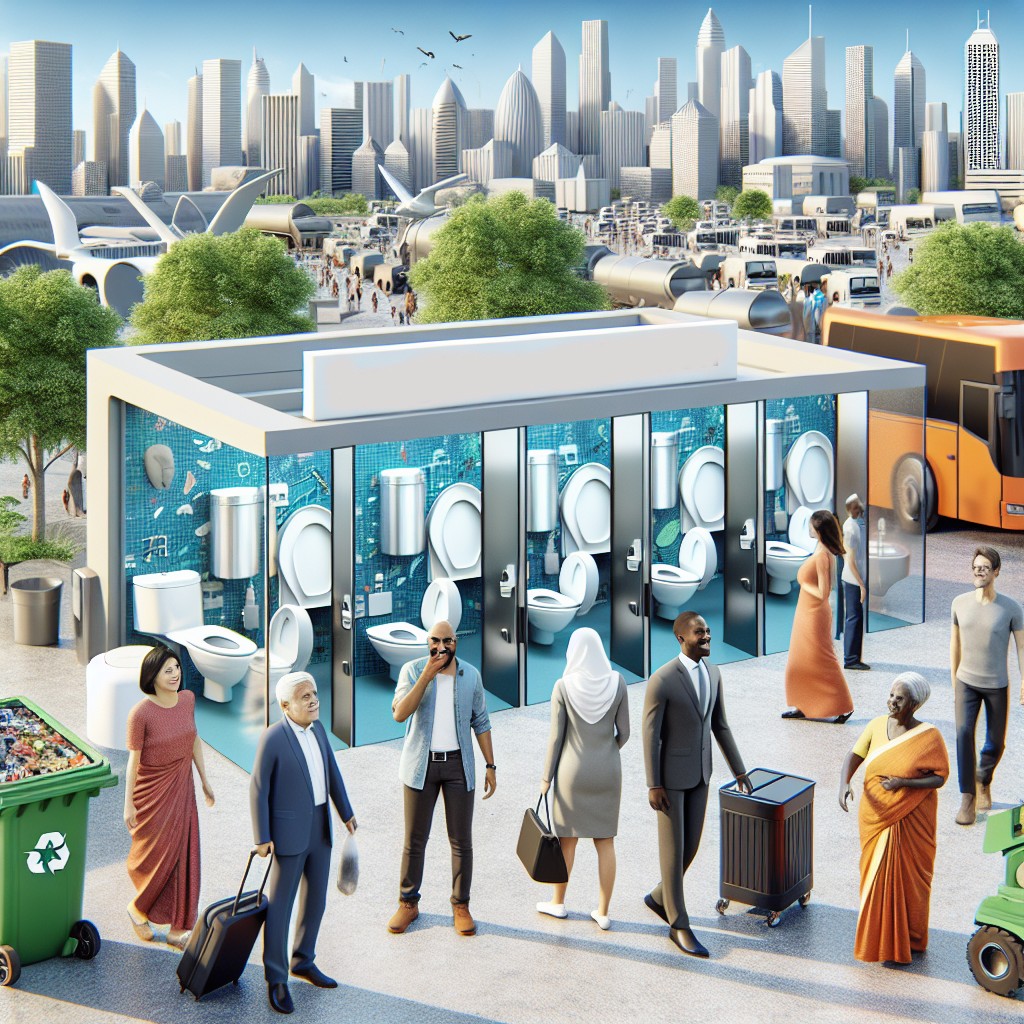
- Integration with Urban Planning: As cities grow, integrating EcoSan systems into urban planning and green infrastructure will become increasingly important. This includes incorporating EcoSan into public spaces, buildings, and agricultural systems.
- Circular Economy Approaches: EcoSan systems exemplify the principles of the circular economy, and their adoption will contribute to more sustainable and resilient communities. This includes the recovery of resources and the minimization of waste.
- Technological Advancements: Continued advancements in technology will make EcoSan systems more efficient, user-friendly, and cost-effective. Innovations such as smart sensors, data analytics, and automation will enhance the performance and management of EcoSan systems.
- Policy and Regulatory Support: Increasing recognition of the benefits of EcoSan will lead to more supportive policies and regulations. Governments and international organizations will play a key role in promoting EcoSan and providing the necessary frameworks for its adoption.
These trends indicate a bright future for EcoSan, with the potential to transform sanitation and contribute to sustainable development on a global scale.
Conclusion
The future of sanitation lies in innovative and sustainable approaches such as Ecological Sanitation (EcoSan). By rethinking waste as a resource and embracing the principles of containment, sanitization, and reuse, EcoSan offers a holistic solution to the challenges of sanitation, water scarcity, and environmental conservation.
Technological advancements, community engagement, and supportive policies are driving the adoption of EcoSan systems, making them more accessible and effective. The environmental and economic benefits of EcoSan, along with its alignment with sustainable development goals, make it a compelling choice for the future of sanitation.
As we look ahead, the integration of EcoSan into urban planning, the promotion of circular economy approaches, and continued technological innovation will shape the future of EcoSan. Addressing the challenges and barriers to adoption requires a collaborative effort from all stakeholders, ensuring that EcoSan systems are well-designed, well-maintained, and embraced by communities.
The future of sanitation is not just about technology but about creating systems that are equitable, sustainable, and resilient. Ecological Sanitation holds the promise of a cleaner, healthier, and more sustainable world, where human waste is no longer a problem but a valuable resource. The journey towards this future requires vision, innovation, and collective action, making EcoSan a vital part of the global sanitation landscape.