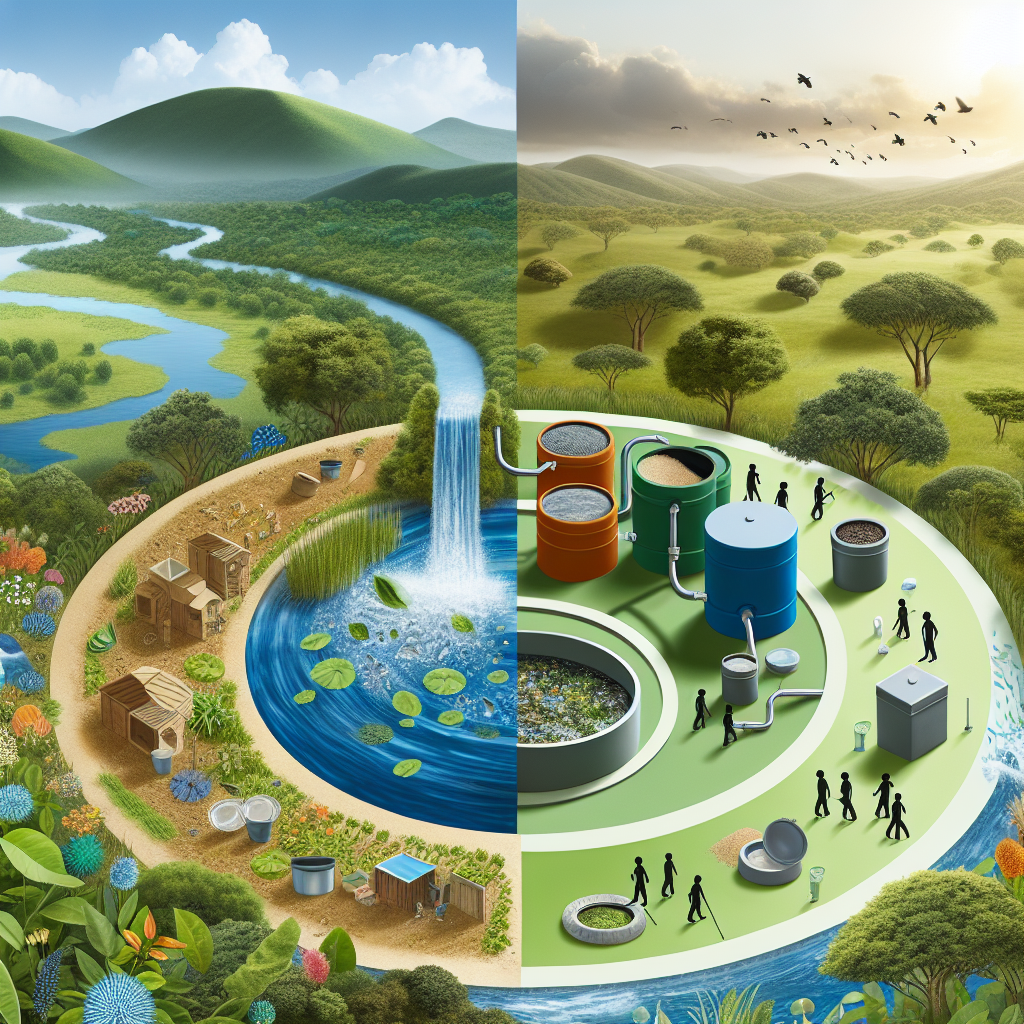
As urbanization continues to skyrocket, the pressure on cities to manage resources sustainably has escalated. The concept of ecological sanitation, popularly known as EcoSan, emerges as a critical component in this ongoing battle to create sustainable urban environments. EcoSan focuses on rethinking sanitation by transforming waste into valuable resources rather than viewing it as an ordeal that needs to be disposed of. This paradigm shift holds immense potential for not just waste management but also in addressing broader environmental issues such as water conservation and soil fertility.
With more than half of the world’s population now residing in urban areas, the necessity for efficient and sustainable sanitation systems is more pressing than ever. Conventional sewage systems often fail to meet the growing demand and can exacerbate environmental problems. EcoSan principles advocate for decentralized sanitation solutions that are optimized for resource recovery and reuse, making it a viable alternative to traditional systems.
This comprehensive article delves into the key principles and concepts of EcoSan and illustrates how their integration can help shape sustainable cities. We will explore the fundamental tenets of EcoSan, outline its benefits, examine real-world applications, and suggest strategies for implementation in urban planning.
Understanding the Fundamentals of EcoSan
Ecological sanitation (EcoSan) is grounded in several core principles designed to promote sustainability. At its heart, EcoSan aims to safely close the loop between sanitation and agriculture by recovering and reusing nutrients and water found in excreta and organic waste. This approach not only mitigates the environmental impact of waste but also enriches soil fertility and conserves water resources.
One of the pivotal principles of EcoSan is source separation. This involves segregating urine, feces, and greywater at the source to facilitate efficient treatment and reuse. Urine can be used as a nutrient-rich fertilizer, feces can be composted for soil amendment, and greywater can be treated and reused for irrigation or flushing toilets. This multi-stream approach ensures minimal wastage and maximal resource recovery.
Another fundamental principle is the safe handling and processing of human waste. Compliance with health standards and protocols is essential to ensure that the recovered products do not pose any health risks when reapplied into the environment. This includes proper storage, treatment processes like composting or anaerobic digestion, and quality monitoring.
EcoSan Benefits: More Than Just Waste Management
The benefits of EcoSan extend far beyond effective waste management. One of the most significant advantages is its potential for water conservation. Traditional sewage systems require vast amounts of water to flush waste, an unsustainable practice, especially in water-scarce regions. By treating greywater for non-potable uses, EcoSan systems drastically reduce the demand for fresh water.
Nutrient recovery is another critical benefit. Human waste is rich in nutrients like nitrogen, phosphorus, and potassium, which are essential for plant growth. Instead of letting these nutrients contaminate water bodies through untreated discharge, EcoSan systems recapture them for agricultural purposes. This symbiotic relationship between sanitation and agriculture contributes to enhanced food security and reduced dependency on synthetic fertilizers.
EcoSan also offers substantial environmental benefits by curbing pollution. Conventional waste disposal methods such as landfills and septic systems often lead to groundwater contamination and greenhouse gas emissions. On the other hand, EcoSan systems, with their emphasis on resource recovery and safe waste processing, minimize these harmful impacts.

Practical Applications of EcoSan in Urban Settings
Worldwide, numerous urban areas are already harnessing the power of EcoSan principles to build more sustainable cities. One notable example is the city of Durban in South Africa, where EcoSan toilets have been installed in informal settlements to address sanitation challenges while conserving water. These toilets separate urine and feces, which are then processed and used as fertilizers.
In Sweden, urine-diverting dry toilets have been implemented in various settings, from residential areas to public parks. The collected urine is sanitized and reused in agriculture, reducing the environmental footprint of human waste disposal and bolstering crop production. Similarly, cities in India and China have adopted community-based composting toilets to manage waste in densely populated areas.
These practical applications demonstrate the adaptability of EcoSan systems to different urban contexts. They underscore the feasibility of decentralized solutions that local communities can manage and benefit from, further promoting the principle of sustainability.
Strategies for Integrating EcoSan Into Urban Planning
Integrating EcoSan into urban planning requires a multi-stakeholder approach involving policymakers, urban planners, engineers, and local communities. Policymakers need to create and enforce regulations that encourage or mandate the use of EcoSan systems, especially in new developments and water-scarce areas. Financial incentives, like subsidies or tax breaks, can also spur the adoption of these systems.
Urban planners play a crucial role in designing infrastructure that supports EcoSan principles. This involves designing neighborhoods with decentralized treatment facilities, incorporating green spaces for community gardens, and ensuring that buildings are equipped with appropriate sanitation technologies.
Community involvement is equally important. Public awareness campaigns and educational programs can highlight the benefits of EcoSan, fostering community buy-in and participation in maintenance and monitoring. Engaging local communities in the decision-making process ensures that the implemented solutions are culturally and contextually appropriate.
Technological Innovations in EcoSan
Technological advancements are continually enhancing the effectiveness and efficiency of EcoSan systems. Innovative solutions such as biogas toilets and advanced composting techniques are revolutionizing the way human waste is treated and reused. For example, biogas toilets turn organic waste into renewable energy, providing a sustainable source of fuel for households.
Smart sanitation technologies are emerging as powerful tools for monitoring and optimizing EcoSan systems. Sensor-based systems can track the levels of waste and nutrients, ensuring timely collection and treatment. Additionally, mobile applications facilitate community reporting and maintenance, making decentralized sanitation more manageable.
The development and proliferation of cost-effective sanitation technologies are making EcoSan systems accessible to a broader audience. Innovations in low-cost toilet designs and treatment mechanisms are proving beneficial, especially in developing countries where resources are limited.
Challenges and Future Directions
Despite its many advantages, EcoSan faces numerous challenges that must be addressed to realize its full potential. Social acceptance remains a significant hurdle; many people are hesitant to embrace the idea of reusing human waste due to cultural stigmas and misconceptions.
Economic barriers can also impede the widespread adoption of EcoSan systems. Initial installation costs can be high, and there may be inadequate financial incentives for both individuals and communities to switch from conventional systems. Additionally, the lack of technical expertise and training can hinder effective implementation and maintenance.
Future directions for EcoSan research and development include focused efforts on public education to shift societal attitudes, increased financial and technical support from governments and international organizations, and ongoing innovation to make EcoSan systems more user-friendly and cost-effective. By addressing these challenges, the vision of fully sustainable urban sanitation can be achieved.
Conclusion
The integration of EcoSan principles and concepts forms a cornerstone for building truly sustainable cities. By transforming waste into valuable resources, EcoSan systems offer a multifaceted solution to urban challenges, from waste management and water conservation to nutrient recovery and pollution reduction. As urbanization continues to surge, embracing EcoSan is not just an ecological imperative but a pragmatic choice for fostering sustainable urban environments.
The path to widespread EcoSan adoption is fraught with challenges, including social, economic, and technical barriers. However, the potential benefits make the journey worthwhile. Through collaborative efforts involving policymakers, urban planners, communities, and innovators, EcoSan can transition from a niche solution to a mainstream practice, pivotal in the global quest for sustainability.
Thus, EcoSan represents more than a sanitation strategy; it is a holistic approach that integrates ecological and human health considerations into urban planning. By harnessing the principles of EcoSan, we can pave the way toward cities that not only withstand the demands of urban growth but thrive amidst them, fostering a healthier, more sustainable future for all.