The world is facing an increasing frequency of natural disasters, from hurricanes and earthquakes to floods and wildfires. These catastrophic events often lead to significant damage to infrastructure, including sanitation facilities. In the aftermath, inadequate sanitation can result in the spread of diseases, further compounding the disaster’s toll on human lives and health. This makes effective disaster management strategies, which incorporate sustainable and resilient practices, critical.
Ecological sanitation, or EcoSan, is a paradigm shift in the way we think about waste management. Instead of viewing waste as a problem, EcoSan sees it as a resource. With principles rooted in sustainability, EcoSan aims to safely reuse human excreta to improve soil fertility and agricultural productivity. The integration of EcoSan into disaster management strategies can offer robust, swift, and resilient sanitation solutions that not only address immediate needs but also facilitate long-term recovery and sustainable development.
This article explores the principles and concepts of EcoSan and delves into how these can be effectively incorporated into disaster management strategies. From enhancing community resilience to promoting public health, the integration of EcoSan is a transformative approach with far-reaching benefits.
Principles of Ecological Sanitation
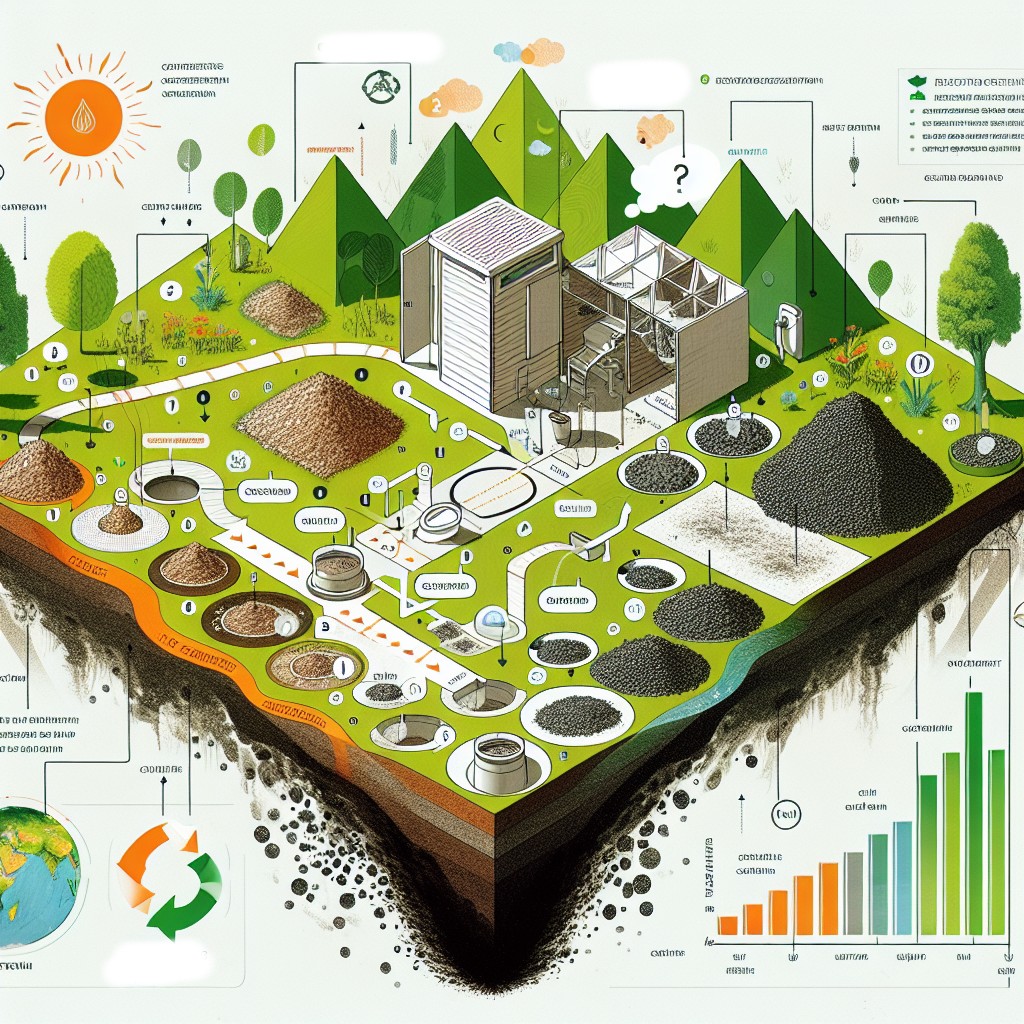
Ecological sanitation is based on a set of core principles designed to create sustainable and safe waste management systems. These principles, namely containment, sanitation, nutrient recovery and reuse, and water resource protection, guide the EcoSan approach in transforming waste into valuable resources.
Containment: The first principle of EcoSan is the safe containment of human excreta. This is crucial in preventing the spread of pathogens and protecting human health. In disaster scenarios, where conventional sanitation facilities may be unavailable or damaged, immediate containment is vital to controlling sanitation-related diseases.
Sanitation Treatment: After containment, the next step is to treat the waste to eliminate harmful pathogens. EcoSan systems often use natural processes such as composting or anaerobic digestion to treat the waste, ensuring that it is safe to handle and reuse.
Nutrient Recovery and Reuse: One of the hallmarks of EcoSan is converting human waste into safe, valuable resources such as fertilizers and soil conditioners. This not only reduces the need for chemical fertilizers but also closes the nutrient loop, promoting sustainable agriculture.
Water Resource Protection: EcoSan aims to minimize the use of water in sanitation processes, protecting water resources and reducing the risk of contamination. In disaster settings, where water scarcity may be a significant issue, EcoSan systems provide a hygienic and efficient alternative to conventional water-flushed sanitation systems.
EcoSan Systems in Practice
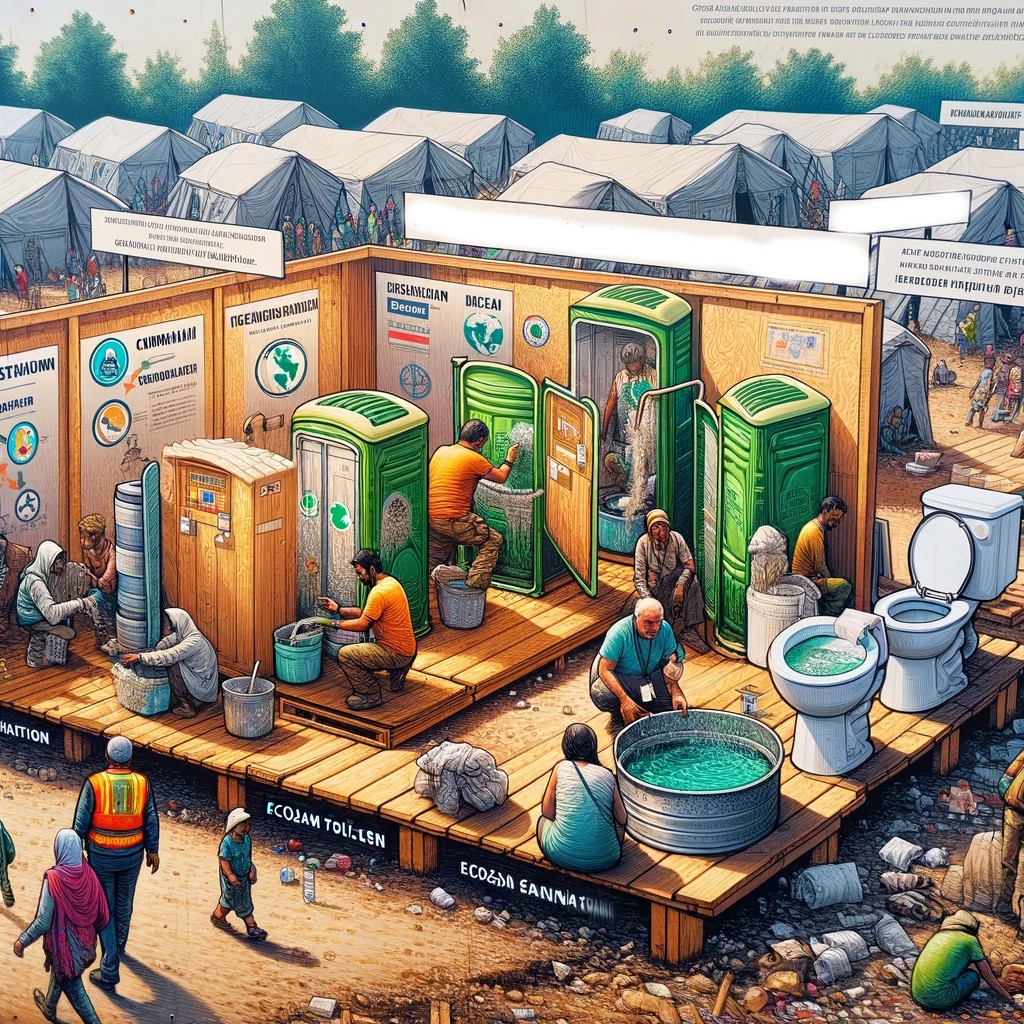
Ecological sanitation systems come in various forms, including dry toilets, composting toilets, urine-diverting dry toilets (UDDTs), and biogas systems. The choice of system depends on the specific context, including environmental conditions, cultural acceptance, and resource availability.
Dry Toilets: These systems do not require water for flushing, making them suitable for arid regions or areas with water shortages. Dry toilets can include simple pit latrines or more advanced designs like the UDDTs, which separate urine and feces for easier processing.
Composting Toilets: Composting toilets use aerobic processes to break down human waste, producing compost that can be safely used in agriculture. These systems can be used in both rural and urban settings and are ideal for disaster situations due to their simplicity and effectiveness.
Urine-Diverting Dry Toilets (UDDTs): UDDTs separate urine and feces, allowing for the treatment and reuse of both waste streams independently. Urine, which is rich in nutrients like nitrogen and phosphorus, can be used directly as a fertilizer, while feces can be composted.
Biogas Systems: These systems use anaerobic digestion to convert organic waste, including human excreta, into biogas and digestate. The biogas can be used for cooking or electricity generation, while the digestate serves as a nutrient-rich soil conditioner.
Implementing these systems in disaster scenarios requires careful planning and adaptation to the local context. Mobile and modular designs can be particularly advantageous, allowing for rapid deployment and flexibility to meet the evolving needs of affected populations.
Integrating EcoSan in Disaster Preparedness
Integrating EcoSan into disaster preparedness involves establishing robust systems before disaster strikes. This proactive approach not only ensures rapid deployment during emergencies but also builds resilience in vulnerable communities.
Community Training and Education: One of the first steps is educating communities on the principles and benefits of EcoSan. Training local populations in constructing and maintaining these systems can ensure they are functional and effective when needed. Additionally, fostering a sense of ownership among community members can enhance the sustainability of the systems.
Prepositioning Resources: Prepositioning materials and components for EcoSan systems in disaster-prone areas can significantly reduce response times. This includes having modular toilet units, composting additives, and safety gear readily available for rapid assembly and deployment.
Technical Assessments: Conducting technical assessments in disaster-prone regions helps to identify the most appropriate EcoSan solutions. These assessments take into account factors such as local soil conditions, water availability, and cultural practices, ensuring that the selected systems are suitable and effective.
Establishing Partnerships: Collaborating with local and international organizations, government agencies, and NGOs can strengthen disaster preparedness and response efforts. Partnerships can facilitate the sharing of knowledge, resources, and expertise, enhancing the effectiveness and reach of EcoSan initiatives.
By incorporating EcoSan principles into disaster preparedness plans, communities can improve their resilience to both immediate and long-term sanitation challenges.
Case Studies and Success Stories
Various successful implementations of EcoSan in disaster management highlight its potential and effectiveness. These case studies demonstrate how EcoSan can transform disaster impacts into opportunities for sustainable development and growth.
Haiti Earthquake Response: After the devastating earthquake in 2010, EcoSan systems were deployed to provide emergency sanitation. Organizations implemented UDDTs and composting toilets in affected areas, significantly reducing the incidence of sanitation-related diseases. The compost generated was used to rejuvenate impoverished soils, supporting local agriculture and food security.
Flood Response in Bangladesh: Bangladesh is prone to severe flooding, which disrupts traditional sanitation infrastructure. During flooding events, mobile EcoSan units were introduced to provide immediate relief. These units were equipped with UDDTs and biogas systems, ensuring safe waste management and energy production. The success of these units led to their incorporation into the country’s broader disaster management strategy.
Tsunami Response in Indonesia: Following the 2004 tsunami, affected communities in Indonesia faced significant sanitation challenges. EcoSan systems were deployed in emergency shelters, providing hygienic and environmentally sustainable sanitation solutions. Community-led efforts ensured the maintenance and operation of these systems, fostering resilience and self-reliance.
These examples underscore the value of EcoSan in disaster settings, where traditional sanitation solutions may fail. They highlight the adaptability and sustainability of EcoSan systems, proving their viability as a core component of disaster management strategies.
Challenges and Considerations
While the integration of EcoSan into disaster management offers numerous benefits, it is not without challenges. Addressing these challenges requires careful planning, innovation, and community engagement.
Cultural Acceptance: One of the significant barriers is the cultural acceptance of handling and reusing human excreta. Efforts to integrate EcoSan solutions must include comprehensive education and awareness campaigns to address misconceptions and promote acceptance.
Technical Skills: The effective operation and maintenance of EcoSan systems require technical skills. Training local communities and disaster response teams in the construction, use, and upkeep of these systems is essential for their success.
Resource Availability: Access to materials, such as composting additives or construction components, can be limited in disaster-stricken areas. Prepositioning resources and establishing supply chains can mitigate this issue.
Policy and Regulation: Ensuring that EcoSan systems are in compliance with local regulations and policies is critical. Engaging with policymakers to develop supportive frameworks can facilitate the integration of EcoSan into disaster response plans.
Environmental Considerations: The environmental context, such as soil type or water table levels, can impact the efficacy of EcoSan systems. Tailoring solutions to specific conditions is necessary to ensure optimal performance.
Addressing these challenges involves a holistic approach that includes technical, educational, and policy dimensions. By overcoming these obstacles, EcoSan can become an integral component of disaster management strategies worldwide.
Future Directions and Innovations
The future of EcoSan in disaster management holds promising potential, driven by innovations and advancements in technology and practices. Emerging trends and developments are enhancing the capabilities and effectiveness of EcoSan systems.
Smart Sanitation Solutions: The integration of digital technologies, such as IoT (Internet of Things) sensors, can optimize the monitoring and management of EcoSan systems. These innovations can enhance data collection, predict maintenance needs, and ensure efficient operation.
Modular and Portable Designs: Advancements in modular and portable EcoSan units are making it easier to deploy and assemble systems in disaster-affected areas. These designs offer flexibility, scalability, and rapid response capabilities.
Integrated Waste Management: Combining EcoSan with other waste management approaches, such as solid waste and greywater treatment, can create more comprehensive and resilient systems. Integrated solutions maximize resource recovery and minimize environmental impact.
Community-Led Innovations: Empowering communities to develop and implement their EcoSan solutions fosters innovation and ownership. Participatory approaches can yield context-specific and culturally appropriate designs that are more likely to be adopted and maintained.
Policy and Advocacy: Continued advocacy for EcoSan at local, national, and international levels can drive policy changes and increase investment in sustainable sanitation solutions. Collaborative efforts between governments, NGOs, and private sectors are crucial for scaling up successful initiatives.
By embracing these future directions and supporting ongoing innovations, the integration of EcoSan in disaster management can evolve to meet the challenges of a changing world.
Conclusion
The integration of ecological sanitation (EcoSan) into disaster management strategies represents a significant advancement in addressing the complex challenges posed by natural disasters. By transforming human waste into valuable resources, EcoSan not only provides immediate relief in emergency settings but also contributes to long-term resilience and sustainability.
The principles of EcoSan—containment, sanitation treatment, nutrient recovery and reuse, and water resource protection—offer a comprehensive framework for designing and implementing effective sanitation solutions. The success of various EcoSan systems in disaster contexts, such as dry toilets, composting toilets, UDDTs, and biogas systems, demonstrates their adaptability and effectiveness.
Integrating EcoSan into disaster preparedness involves community education, prepositioning resources, conducting technical assessments, and establishing partnerships. Overcoming challenges, such as cultural acceptance, technical skills, resource availability, policy compliance, and environmental considerations, is crucial for the successful deployment of EcoSan systems.
Looking ahead, innovations in smart sanitation solutions, modular designs, integrated waste management, community-led initiatives, and policy advocacy are paving the way for the future of EcoSan in disaster management. By embracing these advancements, we can create more resilient, sustainable, and healthier communities, better equipped to withstand and recover from the impacts of natural disasters.