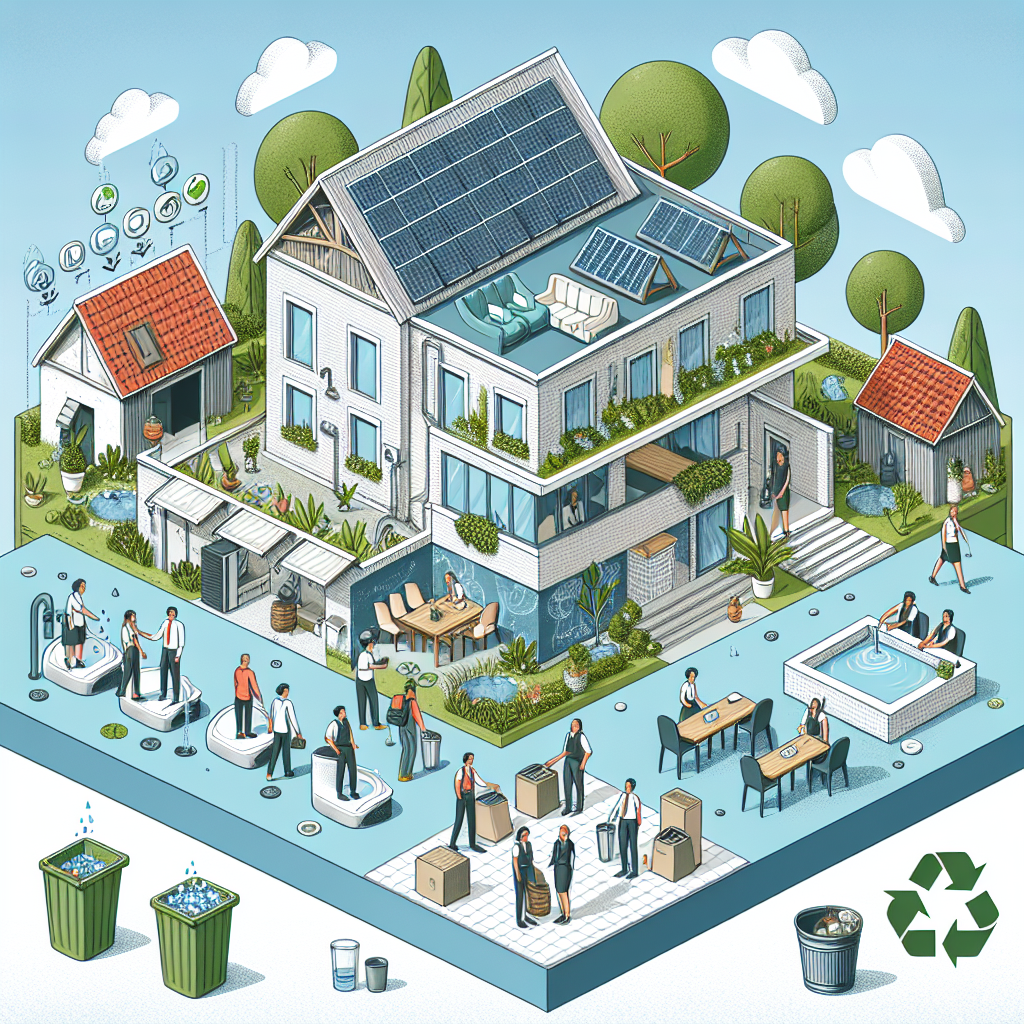
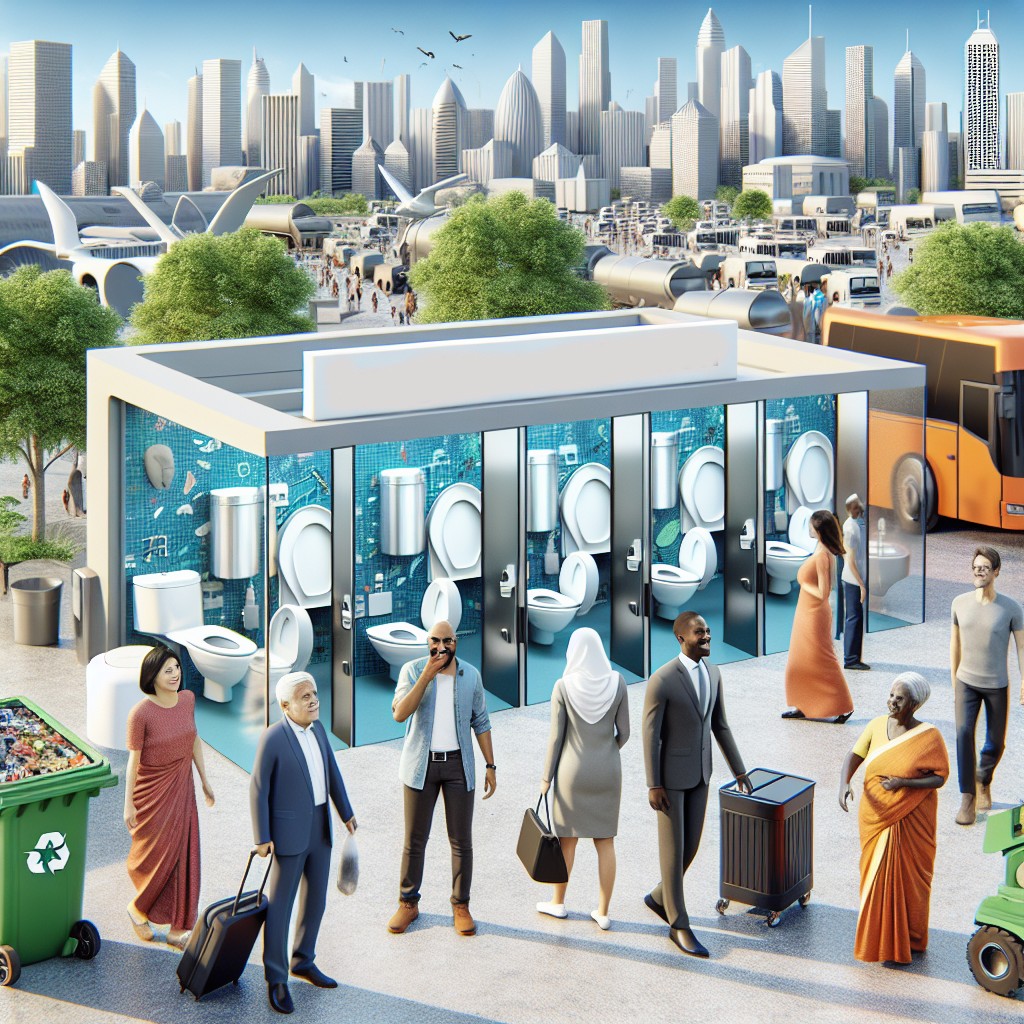
Ecological Sanitation (EcoSan) is a paradigm shift in the approach to human waste management. It redefines human excreta as a resource rather than waste, emphasizing the importance of protecting the environment and public health. The principles and concepts of EcoSan focus on closing the nutrient loop, thus transforming waste into valuable resources like fertilizers and soil conditioners. Despite the advantages, implementing EcoSan in low-income areas presents unique challenges. This article aims to explore solutions for making EcoSan accessible in these communities to enhance sanitation, promote health, and ensure environmental sustainability.
Sanitation issues in low-income areas are multifaceted and often exacerbated by inadequate infrastructure, financial constraints, and social stigmas. Traditional sanitation systems such as sewer networks and flush toilets are often unfeasible in these settings due to high costs and water scarcity. Moreover, poor sanitation practices can lead to severe health problems, including the spread of infectious diseases and contamination of water sources. Therefore, there is a dire need for innovative and sustainable sanitation solutions tailored to the needs of low-income communities.
EcoSan offers a promising alternative by treating and recycling human excreta on-site, minimizing water usage, and generating valuable by-products. The philosophy behind EcoSan is grounded on three core principles: sanitization and safe handling of excreta, recovery and reuse of nutrients, and environmental protection. These principles align with the broader goals of public health improvement, poverty alleviation, and environmental stewardship.
However, transitioning to EcoSan systems demands an understanding of local conditions, community involvement, and educational initiatives. The success of EcoSan in low-income areas hinges on integrating these factors into the planning and implementation processes. In the following sections, we will examine various strategies for promoting EcoSan accessibility in low-income areas, including technological innovations, financial mechanisms, and community-driven approaches.
Understanding EcoSan Principles and Concepts
EcoSan is based on a set of principles and concepts that distinguish it from conventional sanitation systems. These principles include:
- Resource Recovery: EcoSan systems are designed to recover resources from human excreta, transforming them into products like fertilizers, biogas, and soil ameliorants. This is achieved through technologies that separate urine from feces and treat each stream effectively.
- Sanitization: Ensuring the safe handling and treatment of human excreta is paramount. EcoSan systems utilize methods such as composting, dehydration, and anaerobic digestion to sanitize waste, reducing pathogens to safe levels.
- Environmental Protection: By minimizing water pollution and reducing reliance on water-intensive systems, EcoSan helps protect vital water ecosystems. The reuse of nutrients also reduces the dependency on chemical fertilizers, thereby promoting sustainable agriculture.
- User-Friendly Design: Successful EcoSan systems must be culturally acceptable and user-friendly, making it easier for communities to adopt and maintain them. This involves consideration of local customs, preferences, and the socio-economic context.
- Education and Training: Educating communities about the benefits and proper usage of EcoSan systems is crucial. Training programs help build local capacity and ensure the longevity and effectiveness of these systems.
Understanding and adhering to these principles is critical for the successful implementation of EcoSan technologies, particularly in low-income areas where challenges such as limited financial resources, illiteracy, and cultural barriers may exist.
Technological Innovations for Low-Income Areas
Various technological innovations play a pivotal role in adapting EcoSan systems for low-income areas. Considerations include cost-effectiveness, ease of maintenance, and cultural suitability. Some promising technologies include:
- Urine-Diverting Dry Toilets (UDDTs): UDDTs separate urine and feces at the source. Feces are collected in a dehydration chamber where they can be safely composted, while urine is stored separately for use as fertilizer. UDDTs require minimal water and are relatively simple to construct and maintain.
- Composting Toilets: These toilets promote aerobic decomposition of human waste, producing compost that can be used to enrich soil. They are effective in managing excreta without the need for water and can be constructed using local materials.
- Biogas Digesters: These systems convert human and animal waste into biogas through anaerobic digestion. The biogas generated can be used for cooking and lighting, while the digested material can be used as fertilizer. This not only improves sanitation but also provides a renewable energy source.
- Constructed Wetlands: These engineered wetlands treat wastewater through natural processes involving plants, soil, and microorganisms. Constructed wetlands are cost-effective, require low maintenance, and can improve local biodiversity.
Adopting these technologies in low-income areas requires technical support, financial resources, and collaboration with local communities. Pilot projects and field trials can help demonstrate the feasibility and benefits of these technologies, encouraging wider adoption.

Financial Mechanisms to Support EcoSan Implementation
Financial constraints are a significant barrier to the widespread adoption of EcoSan systems in low-income areas. However, several financial mechanisms can alleviate these challenges:
- Microfinancing: Microfinance institutions can provide small loans to households and communities to build and maintain EcoSan systems. Repayment terms can be structured to be affordable, leveraging the increased economic productivity from resource recovery.
- Subsidies and Grants: Governments and international organizations can offer subsidies and grants to support the construction and operation of EcoSan systems. Targeted funding can reduce the financial burden on impoverished communities and incentivize the adoption of EcoSan.
- Public-Private Partnerships: Collaboration between public entities and private companies can mobilize resources and expertise for EcoSan projects. Private companies can bring innovative solutions and efficiencies, while public entities can ensure that initiatives align with community needs and regulatory standards.
- Carbon Credits and Incentives: EcoSan projects that reduce greenhouse gas emissions can earn carbon credits under international schemes like the Clean Development Mechanism (CDM). These credits can be sold to generate revenue to fund further EcoSan initiatives.
Implementing these financial mechanisms requires an integrated approach involving various stakeholders, including governments, non-governmental organizations (NGOs), private sector companies, and community groups. Transparent governance and effective monitoring are essential to ensure that funds are used efficiently and equitably.
Community Engagement and Educational Programs
The success of EcoSan systems in low-income areas heavily depends on community engagement and educational programs. Strategies to foster community involvement include:
- Participatory Design: Involving community members in the planning and design of EcoSan systems ensures that the solutions are culturally appropriate and address local needs. Participatory approaches also foster a sense of ownership and responsibility among community members.
- Awareness Campaigns: Public awareness campaigns can educate communities about the benefits of EcoSan, proper hygiene practices, and the importance of environmental protection. Campaigns can utilize various media, including radio, television, social media, and community meetings.
- Capacity Building: Training programs for local residents, particularly youth and women, can build the skills needed to construct, operate, and maintain EcoSan systems. Capacity building also empowers communities to manage and sustain their sanitation infrastructure independently.
- School Programs: Integrating EcoSan concepts into school curricula can educate the younger generation about sustainable sanitation practices. School-based EcoSan projects can serve as practical demonstrations, fostering early adoption and community acceptance.
- Monitoring and Feedback: Establishing mechanisms for monitoring and feedback ensures that EcoSan systems are performing effectively and that community concerns are addressed promptly. Regular surveys, community meetings, and feedback forms can provide valuable insights for continual improvement.
Community engagement and educational programs cultivate a collaborative atmosphere where EcoSan principles can thrive, underpinning the sustainability and long-term success of these initiatives.
Case Studies: Successful EcoSan Projects in Low-Income Areas
Several case studies illustrate the successful implementation of EcoSan systems in low-income areas. These examples highlight innovative approaches and valuable lessons learned:
- Ethiopia – The South Gondar Project: In the South Gondar region of Ethiopia, a project implemented EcoSan through urine-diverting dry toilets. Community education and training were central to the project, leading to wide acceptance and improved sanitation outcomes. The compost produced is used in local agriculture, enhancing food security.
- Kenya – Kibera Ecosan Toilets: In the Kibera slum of Nairobi, EcoSan toilets were introduced as a safe and sanitary alternative to traditional pit latrines. The project involved local artisans in constructing the toilets, providing employment opportunities. Residents were educated on using and maintaining the toilets, resulting in significant health improvements.
- India – The Trichy Ecosan Project: The Trichy Urban Sanitation Initiative in India implemented EcoSan toilets in peri-urban areas. The project focused on participatory design and community ownership, with extensive awareness campaigns and training sessions. The initiative led to a marked reduction in open defecation and the successful reuse of waste.
- Bolivia – Cochabamba Watershed Restoration: In Cochabamba, Bolivia, EcoSan systems were used as part of a broader watershed restoration project. Urine-diverting dry toilets and constructed wetlands were implemented to treat wastewater and reduce pollution. The project enhanced water quality in the watershed and provided valuable fertilizers for local farmers.
These case studies demonstrate that with proper planning, community involvement, and adequate support, EcoSan systems can significantly improve sanitation and environmental outcomes in low-income areas. They provide a blueprint for replicating successful strategies in other communities facing similar challenges.
Conclusion
EcoSan represents a viable and sustainable solution to the sanitation challenges experienced in low-income areas. By transforming human excreta into valuable resources, EcoSan not only addresses immediate health and sanitation needs but also contributes to broader environmental and economic objectives. Implementing EcoSan systems requires a comprehensive approach that integrates technological innovation, financial support, community engagement, and educational initiatives.
Understanding the specific needs and conditions of low-income areas is crucial for the successful adoption of EcoSan systems. Tailoring technologies to be cost-effective, user-friendly, and culturally appropriate ensures that they are sustainable and widely accepted. Financial mechanisms such as microfinancing, subsidies, and public-private partnerships can alleviate the economic barriers that often hinder EcoSan projects. Community engagement and educational programs build local capacity, foster ownership, and ensure the longevity of these systems.
The case studies highlighted in this article underscore the potential of EcoSan to transform sanitation in low-income areas. These successful examples provide valuable lessons and inspire confidence in the scalability of EcoSan solutions. By championing EcoSan principles and fostering cooperation among stakeholders, we can make significant strides towards achieving improved sanitation for all.
Ultimately, making EcoSan accessible in low-income areas requires a collective effort and a commitment to sustainable development. It is a journey of innovation, education, and collaboration, but the rewards are substantial – healthier communities, a cleaner environment, and a more sustainable future.