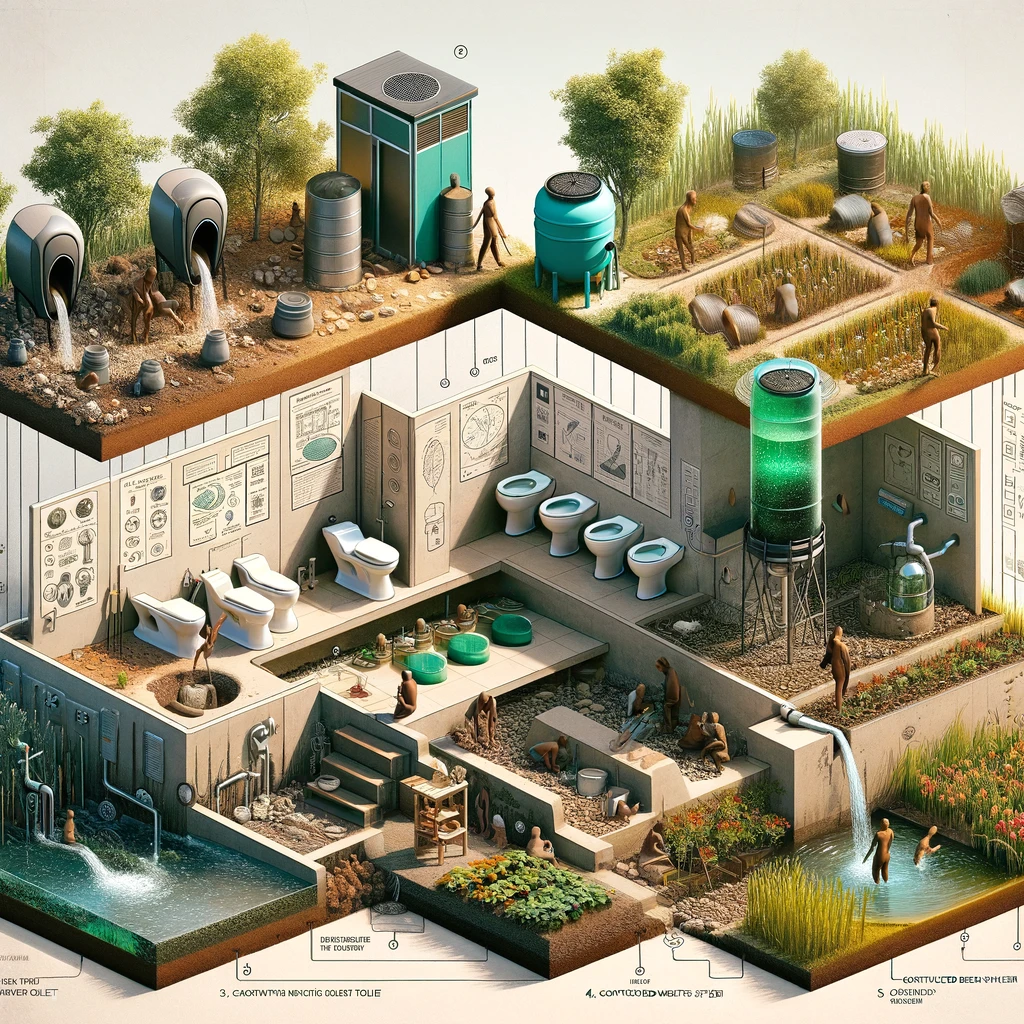
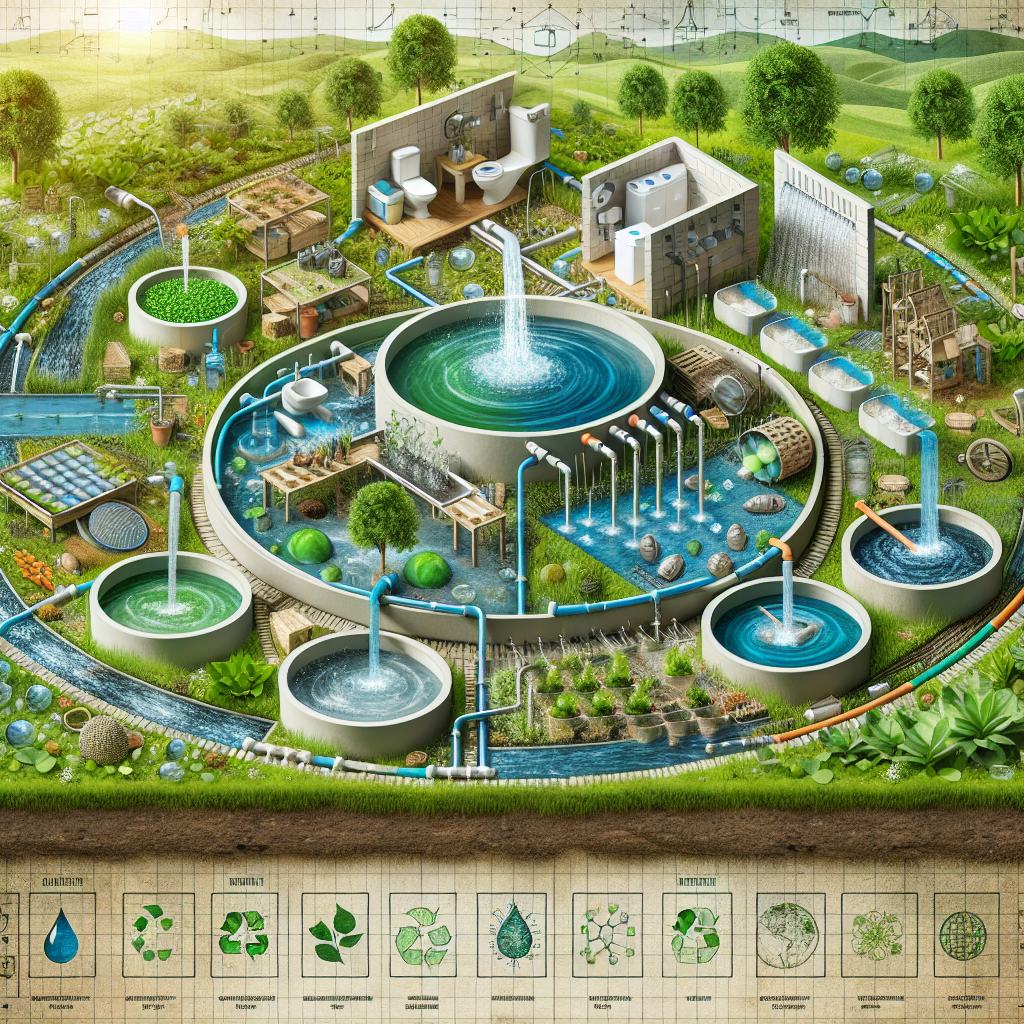
Ecological sanitation, often abbreviated as EcoSan, represents a transformational approach to sanitation and waste management. The EcoSan methodology diverges from traditional sanitation systems by emphasizing the closed-loop recycling of nutrients and organic matter returning it to the environment in a safe and productive manner. Understanding the principles and concepts of EcoSan is fundamental to implementing successful projects that not only manage human waste effectively but also contribute positively to the ecosystems and communities they serve.
The journey of an EcoSan project begins with a deep understanding of the local context, cultural practices, and environmental conditions. It involves a careful design phase that caters to the needs and available resources of the community. Following the design, implementation kicks off involving the construction of facilities, followed by community engagement and education. Monitoring and maintenance ensure the system remains effective and sustainable over time.
This article delves into the lifecycle of an EcoSan project, exploring each stage from conception to completion, and underscores the importance of adhering to ecological principles throughout the process. We will examine the key elements that characterize a successful EcoSan project, including initial site analysis, community involvement, construction challenges, and long-term sustainability. By comprehensively analyzing the lifecycle of an EcoSan project, we aim to provide a blueprint for future endeavors in ecological sanitation.
Understanding and Planning Initial Stages
The initial stages of an EcoSan project lay the foundation for its future success. This phase involves conducting a detailed site assessment that considers various factors such as geography, local climate, existing sanitation practices, and available resources. Engaging with the community at this stage is crucial as their input and participation are critical to the project’s acceptance and effectiveness.
During site assessment, experts analyze soil conditions, water tables, and potential environmental impacts. They also gauge the community’s willingness to participate in EcoSan practices, which often require behavior change. Community meetings, surveys, and focus groups are vital tools for gathering information and fostering a sense of ownership among locals.
With the data collected, planners can begin designing a sanitation solution tailored to the specific needs and circumstances of the community. This design must balance practicality with ecological soundness. For instance, the choice of toilet model—whether composting toilets, urine-diverting dry toilets, or biogas toilets—depends on the local environment and cultural acceptability. The design phase also includes planning for future scalability and flexibility to adapt to the growing needs of the community.
Effective planning and understanding at the initial stages prevent common pitfalls and set a clear path for the project. Successful EcoSan projects are those that are deeply contextualized, reflecting the unique characteristics of the communities they serve.
Community Engagement and Participation
For an EcoSan project to thrive, the active participation and engagement of the community are indispensable. This section of the project lifecycle focuses on educating the community about the benefits of EcoSan systems and training them in the use and maintenance of these systems.
Community engagement starts with awareness programs that explain the principles of ecological sanitation. Workshops and demonstrations help translate theory into practice, showing how EcoSan can transform waste into valuable resources like compost and biogas. It’s vital to address any misconceptions and provide clear, accurate information that builds trust and excitement among community members.
Empowering local leaders and influencers as EcoSan champions can enhance acceptance and enthusiasm. These individuals can model positive behavior and encourage others to adopt EcoSan practices. Additionally, establishing community committees or working groups dedicated to overseeing the project can ensure continued local involvement and oversight.
Communication is key throughout this phase. Open channels for feedback and suggestions can help address concerns and refine the project based on local input. This ongoing dialogue fosters a collaborative spirit and ensures that the community remains committed to the project’s goals.

Construction and Implementation
The construction and implementation phase of an EcoSan project bring the plans to life. This stage involves the physical construction of sanitation facilities, such as toilets, composting sites, and biogas digesters. It requires skilled labor, quality materials, and adherence to the design plans developed in the initial phases.
Construction should commence after the community is fully informed and ready to participate. Involving local labor can provide economic benefits and deepen community engagement further. Clear supervision and proper training for the workers ensure that the facilities are built to the required standards and can function effectively.
The implementation phase also involves setting up systems for resource recovery. This includes composting infrastructure for organic waste and biogas systems for energy production, if applicable. Integrating these systems into the community’s daily routines is crucial for long-term success.
Challenges often arise during construction, such as unforeseen environmental conditions or supply chain issues. Flexibility and problem-solving skills are essential to overcome these hurdles. Regular monitoring and quality checks ensure that the project remains on track and within budget.
By the end of this phase, the EcoSan facilities should be operational and ready for use, marking a significant milestone in the project lifecycle.
Monitoring and Maintenance
Once the EcoSan facilities are operational, the focus shifts to monitoring their performance and maintaining them to ensure long-term sustainability. This phase is crucial as it determines the success and lasting impact of the project.
A structured monitoring system helps track the performance of the sanitation facilities, identifying any issues such as system blockages, improper use, or maintenance needs. Regular inspections by trained personnel can prevent small issues from escalating into significant problems.
Maintenance routines must be clearly established and communicated to the community. This includes regular emptying of compost chambers, routine checks of biogas systems, and ensuring the safe handling and application of compost and fertilizer products. Training community members in these tasks fosters local ownership and sustainability.
Technological tools such as mobile apps can aid in reporting and tracking maintenance activities. Ensuring there is a budget and resources allocated for ongoing maintenance is also critical for the project’s sustainability.
Long-term monitoring and maintenance not only keep the facilities functional but also provide data that can be used to refine and improve the system. Periodic reviews and community feedback can lead to continuous improvement and adaptation of the EcoSan project to meet evolving needs.
Evaluating Impact and Scaling Up
Evaluating the impact of an EcoSan project involves assessing both its immediate and long-term benefits to the community and the environment. Key metrics include improvements in hygiene, reductions in waterborne diseases, and the economic benefits derived from resource recovery.
Quantitative and qualitative data collection is essential for a comprehensive evaluation. Surveys, interviews, and health records can provide insights into how the project has affected community health and well-being. Monitoring the environmental impact, such as soil health improvements and reduced pollution, highlights the ecological benefits.
The data gathered can help communicate the project’s success to stakeholders, donors, and potential collaborators. Success stories and case studies can be powerful tools for advocating EcoSan solutions and securing support for future projects.
Scaling up involves replicating successful EcoSan models in other locations. This requires tailoring the project to new contexts, considering different environmental, cultural, and economic conditions. The lessons learned from the initial project can guide adaptations and improvements in new implementations.
Overall, scaling up is about expanding the reach and impact of ecological sanitation, bringing its benefits to more communities while continuously improving the methodology through feedback and innovation.
Conclusion
The lifecycle of an EcoSan project is a journey of transformation—from understanding the initial context to engaging the community, implementing solutions, maintaining systems, and evaluating impacts. Each phase is interconnected, requiring a holistic and participatory approach.
The success of an EcoSan project hinges on its ability to adapt to local conditions and needs while staying true to ecological principles. Community involvement and education are central to fostering a sense of ownership and ensuring the sustainability of the project. Effective planning, skilled construction, diligent maintenance, and thorough evaluation are crucial for creating lasting positive change.
EcoSan represents an opportunity to rethink sanitation not as a waste management issue but as an integral part of sustainable development. By closing the loop between sanitation, agriculture, and energy, EcoSan projects can contribute to healthier communities and a healthier planet.
As we continue to face global challenges such as water scarcity, pollution, and climate change, ecological sanitation offers a viable and impactful solution. By analyzing and learning from successful EcoSan projects, we can refine and expand this approach, bringing its benefits to more communities around the world.
In summary, the lifecycle of an EcoSan project is a testament to the power of innovative, community-driven solutions in addressing some of our most pressing environmental and public health challenges. Through thoughtful planning, active participation, and continuous improvement, EcoSan projects can pave the way for a sustainable and resilient future.