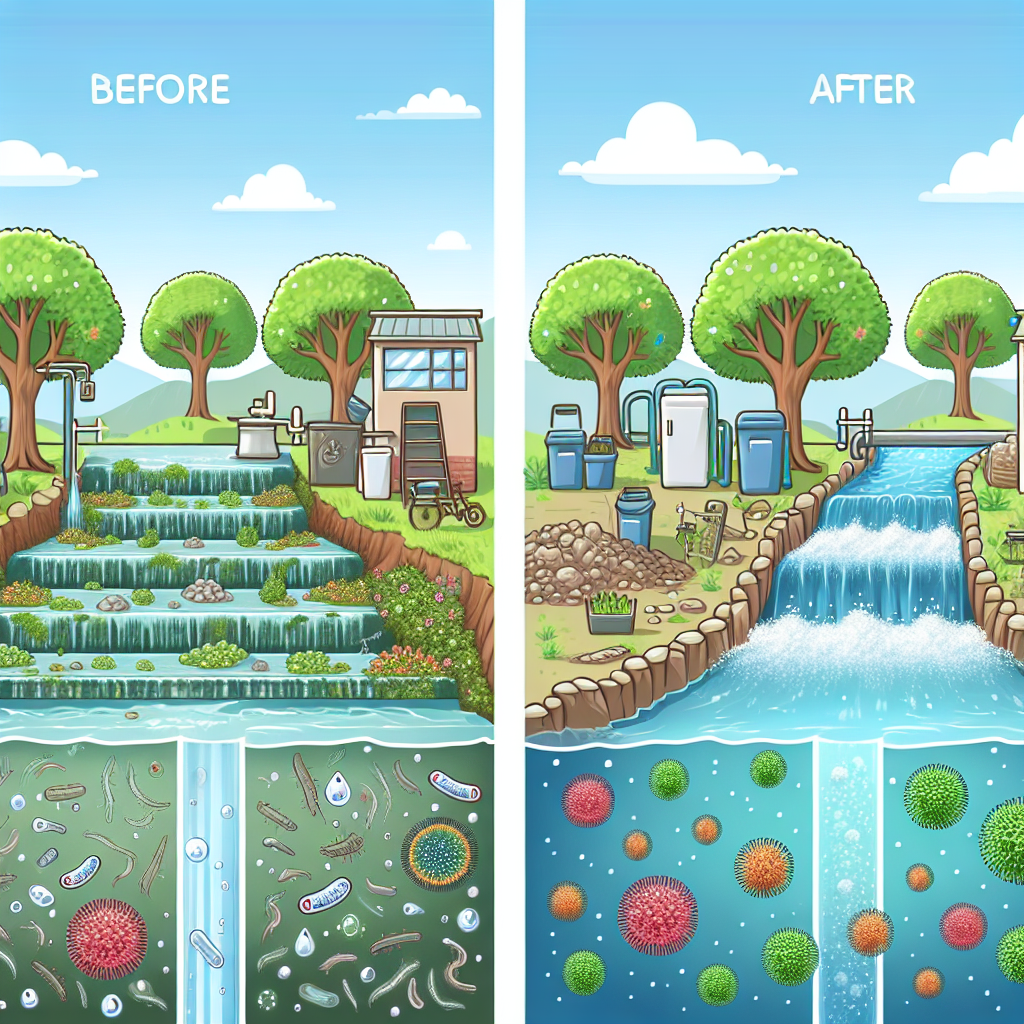
Ecological sanitation, commonly known as EcoSan, is a sustainable sanitation solution that emphasizes the reuse and recycling of nutrients and water from human excreta. By replicating natural processes, EcoSan contributes significantly to creating a circular economy, enhancing soil fertility, and promoting overall environmental health. However, while EcoSan’s benefits are clear, significant challenges exist in scaling these solutions from pilot projects to widespread adoption.
Innovations in EcoSan are ongoing, inspired by the need to address pressing issues such as water scarcity, groundwater contamination, and inadequate sanitation in many parts of the world. To fully realize the potential of EcoSan, it’s crucial to understand its principles and concepts, recognise key factors influencing its scalability, and explore avenues for broader acceptance and implementation.
This article aims to delve into the essentials of EcoSan, examine the intricacies of scaling EcoSan from pilot initiatives to large-scale application, and present practical strategies for overcoming challenges. By fostering a deeper understanding, this piece aspires to encourage greater adoption of EcoSan practices worldwide, promoting a healthier and more sustainable future.
Understanding EcoSan Principles and Concepts
At the core of EcoSan is the principle of closing the loop or transforming human waste into valuable resources rather than seeing it as waste to be discarded. This approach aligns with the ecological cycle where nutrients and water are returned to the same environment from which they originated.
Key principles of EcoSan include:
- Resource Recovery: EcoSan promotes the recovery of nutrients such as nitrogen, phosphorus, and potassium from human excreta, which can then be reused as fertilizer, contributing to agricultural productivity.
- Water Conservation: EcoSan systems are designed to minimize water usage. By separating urine and faeces, they enable the reuse of treated water, thereby reducing pressure on freshwater resources.
- Hygiene and Health Improvement: Properly managed EcoSan systems can reduce pathogen loads, thereby improving overall community health and preventing waterborne diseases.
Implementing these principles requires a shift in sanitation perceptions and practices, requiring robust education and community engagement efforts to ensure understanding and acceptance.
Challenges in Scaling Up EcoSan
Transitioning from pilot EcoSan projects to extensive, mainstream use involves a myriad of challenges. Technological, social, economic, and institutional barriers need to be systematically addressed to ensure successful upscaling.
Technological Barriers: While pilot projects often receive close supervision and technical support, scaling up demands reliable, cost-effective technologies that can be maintained locally. These technologies must be adaptable to different geographic and climatic conditions.
Social Acceptance: The success of EcoSan heavily depends on household and community acceptance. Overcoming traditional beliefs and taboos associated with human waste management requires persistent educational initiatives and demonstrative success stories to build trust.
Economic Constraints: The upfront costs for installing EcoSan systems can be prohibitive for many communities, especially in low-income regions. Long-term financial sustainability through subsidies, incentivizing mechanisms, and micro-financing solutions must be explored.
Institutional Framework: Effective governance and policy frameworks are crucial for widescale adoption. This includes regulatory standards, support mechanisms, and capacity building within local governments and institutions to manage and promote EcoSan.
Strategies for Widespread Adoption
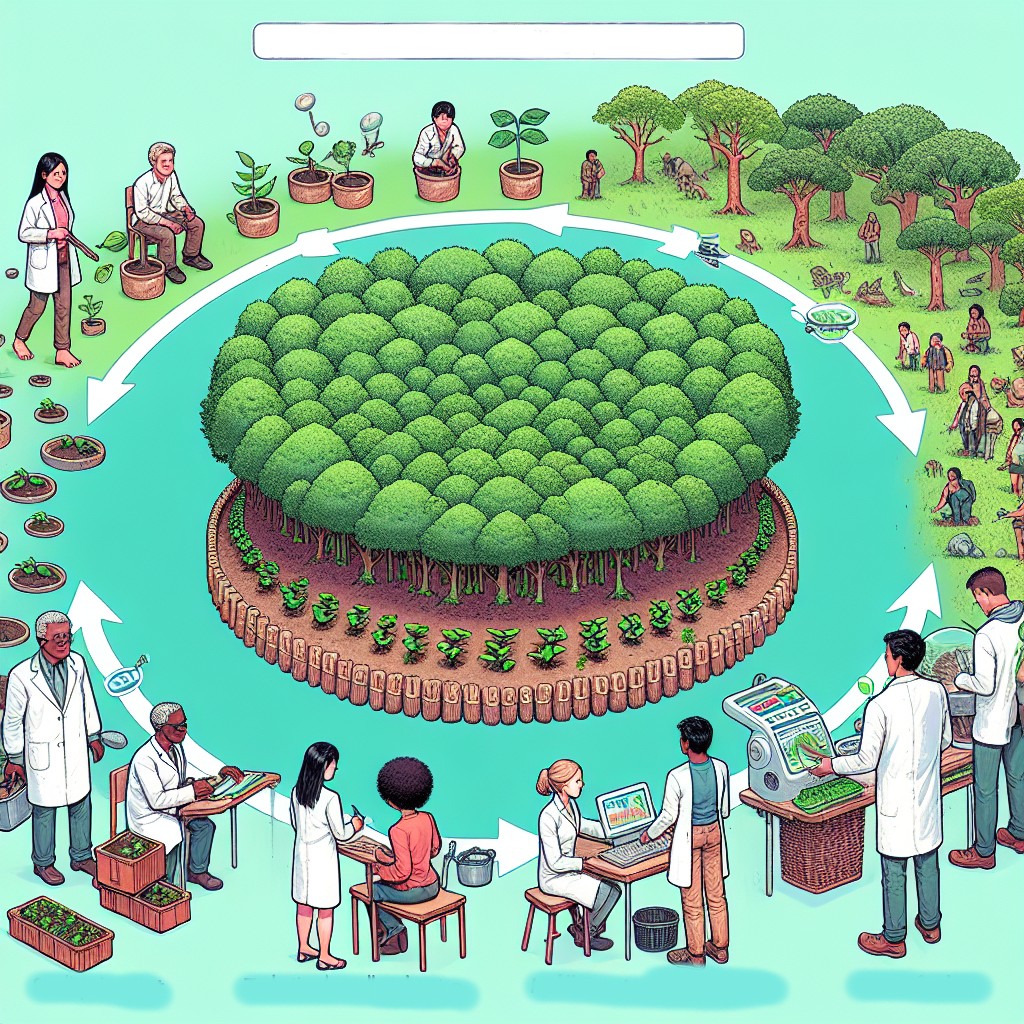
To transform EcoSan from pilot initiatives to a widely adopted practice, concerted and coordinated strategies are essential. The following strategies are fundamental to scaling up EcoSan:
Community Engagement: Actively involving communities in the planning, implementation, and maintenance processes ensures ownership and sustainability. Participatory approaches that create awareness and improve knowledge about EcoSan benefits can drive greater acceptance.
Capacity Building: Training local technicians, policymakers, and community leaders is vital. These stakeholders need to be equipped with the skills and knowledge to design, construct, and manage EcoSan systems efficiently.
Financial Mechanisms: Developing financial models that include subsidies, loans, and micro-financing options can alleviate the financial burden on communities while promoting self-reliance. Encouraging public-private partnerships can also mobilize resources for scaling up efforts.
Policy and Regulatory Support: Enabling legal frameworks and well-defined policies can create an environment conducive to EcoSan implementation. Instituting standards and regulations ensures quality and consistency in EcoSan system implementation.
Case Studies and Successful Models
Examining successful EcoSan models and case studies offers valuable insights into best practices and innovative solutions that have facilitated scale-up. Notable examples include:
Sanitation in South Asia: In regions like India and Bangladesh, community-led total sanitation programs have integrated EcoSan principles, demonstrating the positive impacts of inclusive approaches. These initiatives have leveraged government support and community participation to achieve significant sanitation improvements.
Urban Solutions in Africa: In urban areas of Kenya and Uganda, innovative EcoSan solutions have been implemented to address sanitation challenges in densely populated regions. The reuse of treated waste as fertilizer has enhanced food security and provided economic benefits to urban farmers.
Innovations in Latin America: Countries like Mexico and Bolivia have successfully integrated EcoSan into agricultural practices, showing how nutrient recovery from human waste can be effectively utilized to improve soil quality and crop yield.
These case studies highlight the importance of tailoring EcoSan models to local contexts and engaging various stakeholders in the implementation process.
The Role of Innovation and Technology
Innovation and technology play a vital role in scaling up EcoSan. Advancements in EcoSan technologies need to focus on affordability, efficiency, and user-friendliness to encourage widespread adoption. Key areas of innovation include:
Decentralized Waste Treatment: Developing low-cost, decentralized sanitary treatment units can bring EcoSan solutions to remote and underserved areas. These systems should be easy to maintain and adaptable to different settings.
Data and Monitoring Systems: Utilizing digital technologies for data collection and monitoring helps in tracking performance, identifying issues promptly, and ensuring accountability. Real-time data can drive better decision-making and resource allocation.
Product Development: Innovating with products like urine-diverting dry toilets (UDDTs) and low-flush composting toilets can offer practical solutions to sanitation issues while facilitating nutrient recovery and minimizing water use.
Investing in research and development, promoting open innovation platforms, and fostering collaborations among academics, industry experts, and communities can spur technological advancements in EcoSan.
Future Directions and Policy Recommendations
For EcoSan to achieve widespread adoption, policymakers must prioritize sustainable sanitation in their agendas. Specific recommendations include:
National and Local Policies: Drafting and enforcing policies that support EcoSan can create a conducive environment for scale-up. Incentives for EcoSan implementations, like tax breaks or grants, can motivate higher adoption.
International Collaboration: Global partnerships and knowledge exchanges can provide technical support, funding, and capacity building necessary for EcoSan projects. Collaborative platforms can also facilitate sharing of best practices and technologies.
Education and Advocacy: Launching public awareness campaigns and integrating EcoSan education in school curricula can nurture an informed generation that values sustainable sanitation practices.
Inclusivity in Implementation: Ensuring that EcoSan initiatives are inclusive and consider gender, age, and vulnerable populations can enhance equity and ensure that the benefits are widespread and equitable.
By adopting these policy recommendations, governments and institutions can pave the way for a future where EcoSan systems are a mainstream solution, contributing to sustainable development and improved public health.
Conclusion
Scaling up EcoSan from pilot projects to widespread adoption is a formidable but necessary challenge to achieve sustainable development goals. By understanding the principles of EcoSan, addressing the diverse barriers to scale-up, and implementing strategic measures, it is possible to foster greater acceptance and implementation of EcoSan systems globally.
Innovations in technology, community engagement, financial mechanisms, and supportive policy frameworks are crucial for overcoming obstacles and realizing the full potential of EcoSan. Furthermore, learning from successful models and case studies can provide practical insights and inspiration for new projects.
As we move forward, a collaborative approach involving governments, NGOs, private sector players, and local communities will be indispensable. Together, we can make significant strides towards a world where ecological sanitation practices contribute to environmental sustainability, improved public health, and enhanced livelihoods.
The journey to achieve widespread adoption of EcoSan is complex, requiring dedication, innovation, and unwavering commitment. However, the rewards of creating a cleaner, healthier, and more sustainable world make this endeavor truly worthwhile. Let us work together to scale up EcoSan and turn the vision of sustainable sanitation for all into a reality.