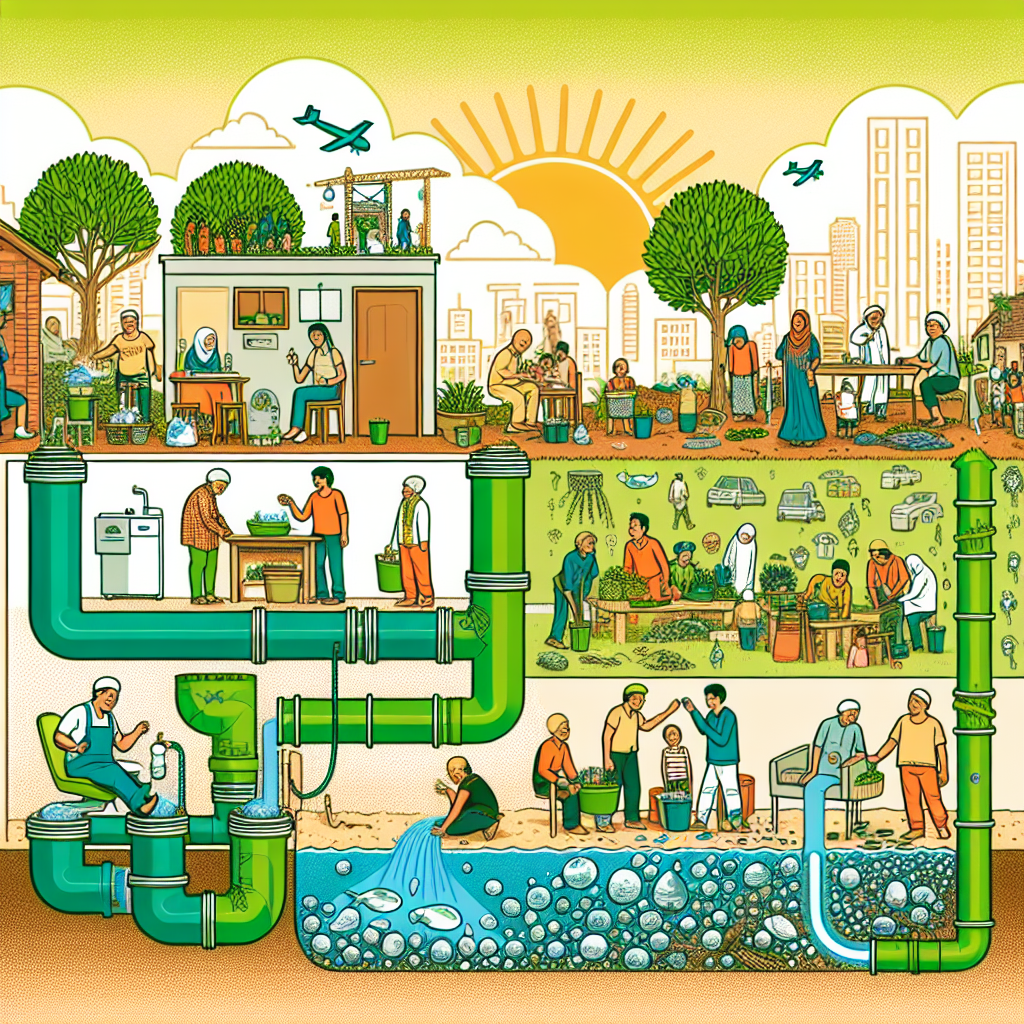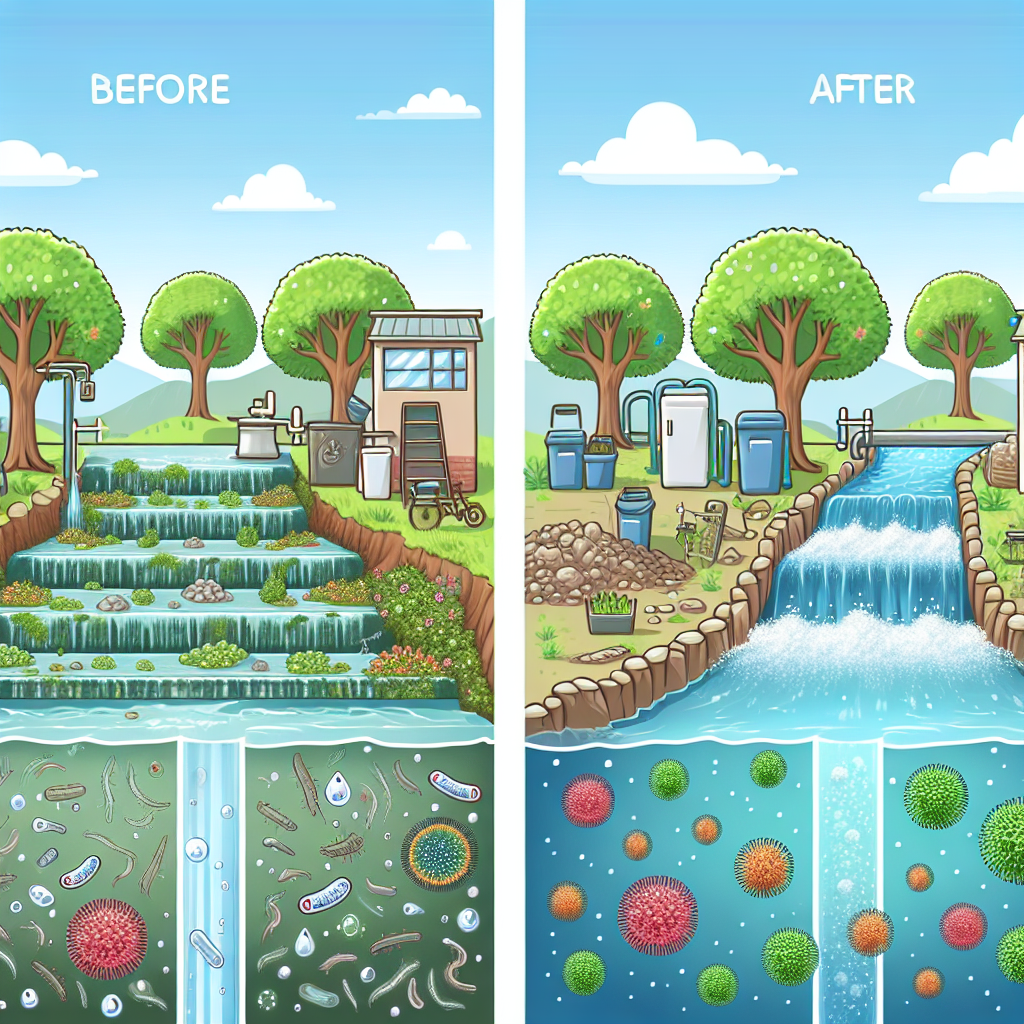
Waterborne diseases pose a significant threat to public health, particularly in developing regions where access to clean water and sanitation facilities is limited. The consequences of these diseases are devastating, leading to millions of preventable deaths each year. Ecological Sanitation (EcoSan) offers a viable solution to this pressing issue by promoting sustainable sanitation practices that conserve water and recycle waste. This article explores the core principles and concepts of EcoSan, highlighting its potential to mitigate waterborne diseases and promote healthier communities.
EcoSan is designed to address the limitations of traditional sanitation systems, which often rely on large quantities of water for flushing and transporting waste. These conventional methods are not only resource-intensive but also contribute to environmental pollution and the contamination of water sources. By contrast, EcoSan technologies harness natural processes to treat and recycle human waste, turning it into valuable resources such as fertilizer and biogas. This approach not only reduces the demand for fresh water but also minimizes the risk of waterborne disease transmission.
As we grapple with the challenges of population growth, urbanization, and climate change, the importance of sustainable sanitation practices cannot be overstated. EcoSan represents a paradigm shift in the way we manage human waste, emphasizing the need for holistic and environmentally responsible solutions. In the sections that follow, we will delve into the principles and benefits of EcoSan, examine successful case studies, and outline strategies for implementing these practices in diverse settings.
Principles of Ecological Sanitation
At its core, Ecological Sanitation is guided by a set of principles that prioritize sustainability, resource efficiency, and environmental protection. These principles include the following:
- Resource Recovery: Unlike conventional sanitation systems that dispose of waste, EcoSan aims to recover valuable resources from human excreta. This involves transforming waste into usable products such as compost, biogas, and urine-based fertilizers, thereby closing the nutrient loop and reducing reliance on synthetic inputs.
- Minimal Water Use: Traditional flush toilets consume vast amounts of water, a precious resource in many parts of the world. EcoSan technologies, such as dry toilets and composting systems, are designed to function with minimal or no water, conserving this vital resource.
- Safe Treatment and Disposal: EcoSan emphasizes the safe treatment and handling of human waste to prevent pathogen transmission and environmental contamination. This involves employing biological processes, such as composting and anaerobic digestion, to sanitize waste and render it safe for reuse.
- Community Involvement: Successful EcoSan initiatives often involve active participation from the community. This includes raising awareness about the benefits of EcoSan, providing training on proper sanitation practices, and fostering a sense of ownership and responsibility for maintaining the systems.
- Adaptability and Flexibility: EcoSan systems are designed to be adaptable to various environmental, cultural, and socio-economic contexts. This flexibility ensures that EcoSan solutions can be tailored to meet the specific needs and preferences of different communities.
Benefits of EcoSan
Implementing EcoSan practices offers numerous benefits, both for public health and the environment. Some of the key advantages include:
- Reduction in Waterborne Diseases: By safely treating and recycling human waste, EcoSan significantly reduces the contamination of water sources. This, in turn, lowers the incidence of waterborne diseases such as cholera, dysentery, and typhoid fever.
- Resource Conservation: EcoSan conserves water by utilizing dry or low-water-use sanitation systems. Additionally, it promotes the reuse of treated waste as fertilizer, reducing the need for synthetic fertilizers and preserving natural resources.
- Environmental Protection: EcoSan helps mitigate the environmental impact of traditional sanitation practices by preventing the discharge of untreated sewage into water bodies. This protects aquatic ecosystems and reduces the pollution of freshwater sources.
- Economic Benefits: EcoSan systems can generate economic value by producing usable products such as compost and biogas. These resources can be utilized for agricultural purposes or energy generation, providing potential income streams for communities.
- Sustainability: EcoSan promotes a circular economy approach to sanitation, where waste is considered a resource rather than a liability. This sustainable model aligns with global efforts to achieve the United Nations’ Sustainable Development Goals (SDGs), particularly those related to clean water and sanitation, and responsible consumption and production.

Case Studies and Successful Implementations
Several successful EcoSan projects worldwide demonstrate the effectiveness and versatility of these systems. Here are a few noteworthy examples:
- Sulabh International in India: Sulabh International has established over 1.2 million EcoSan toilets across India, providing safe and sustainable sanitation solutions for millions of people. Their twin-pit pour-flush toilet design is cost-effective, water-efficient, and produces nutrient-rich compost.
- Ecosan in Uganda: In Uganda, the NGO Sustainable Sanitation and Water Management has implemented EcoSan systems in rural communities. These systems have successfully reduced waterborne diseases and improved agricultural productivity through the use of composted human waste.
- Sweden’s Urine Diversion Toilets: Sweden has pioneered the use of urine diversion toilets, separating urine from feces for easier treatment and reuse. This approach has significantly reduced the environmental impact of sanitation and provided valuable nutrients for agriculture.
Challenges and Considerations
While EcoSan offers numerous benefits, several challenges must be addressed to ensure successful implementation:
- Cultural Acceptance: Implementing EcoSan requires changing long-held perceptions and cultural practices regarding human waste. Community education and engagement are critical to overcoming resistance and promoting acceptance.
- Technical Expertise: Effective EcoSan systems require technical knowledge and expertise for design, installation, and maintenance. Training and capacity-building initiatives are necessary to equip communities with the skills needed to manage these systems.
- Financial Constraints: Initial setup costs for EcoSan systems can be a barrier for low-income communities. Financial support from governments, NGOs, and international organizations is essential to make these systems accessible and affordable.
- Regulatory Frameworks: Creating and enforcing regulations that support EcoSan practices is necessary for large-scale adoption. Governments must develop policies that incentivize sustainable sanitation and ensure the safe handling of human waste.
Implementation Strategies
To successfully implement EcoSan practices, a multi-faceted approach is required, involving various stakeholders. Here are some key strategies:
- Policy and Advocacy: Engaging with policymakers to develop supportive regulations and funding mechanisms is crucial. Advocacy efforts can highlight the public health and environmental benefits of EcoSan, encouraging government commitment.
- Community Involvement: Ensuring active community participation in planning, implementation, and maintenance fosters ownership and sustainability. Education and awareness campaigns can help build community support and dispel misconceptions about EcoSan.
- Capacity Building: Training programs for local technicians, community leaders, and users are essential for the successful operation and maintenance of EcoSan systems. Capacity building can also empower communities to take charge of their sanitation needs.
- Partnerships and Collaboration: Collaboration between governments, NGOs, the private sector, and international organizations can provide the necessary resources, expertise, and funding to scale up EcoSan initiatives.
- Monitoring and Evaluation: Implementing robust monitoring and evaluation mechanisms helps ensure the effectiveness and sustainability of EcoSan systems. Continuous assessment can identify challenges, inform improvements, and demonstrate the impact of EcoSan practices.
Conclusion
Ecological Sanitation represents a transformative approach to managing human waste, offering a sustainable solution to some of the most pressing public health and environmental challenges. By prioritizing resource recovery, minimizing water use, and ensuring safe treatment and disposal, EcoSan can significantly reduce the incidence of waterborne diseases and promote healthier, more resilient communities.
The benefits of EcoSan extend beyond health and hygiene, contributing to environmental conservation, economic development, and sustainable agriculture. Successful implementations worldwide showcase the potential of EcoSan to create positive change, but widespread adoption requires overcoming cultural, technical, and financial barriers.
Governments, NGOs, communities, and other stakeholders must work together to create an enabling environment for EcoSan practices. Through strategic policy advocacy, community involvement, capacity building, and partnerships, we can scale up EcoSan initiatives and unlock their full potential.
Ultimately, investing in EcoSan is an investment in the future. As we face the growing challenges of urbanization, climate change, and resource scarcity, adopting sustainable sanitation practices is not just a necessity but a responsibility. By embracing EcoSan, we can pave the way for a healthier, more sustainable world and ensure that everyone has access to safe, dignified, and environmentally friendly sanitation solutions.