As urban populations grow and the pressures on our natural resources escalate, innovative solutions are necessary to manage human waste sustainably. One such solution lies in the realm of ecological sanitation, or EcoSan. This concept extends beyond traditional toilet systems, focusing on closing the nutrient loop and transforming waste into valuable resources. By integrating EcoSan principles, communities can efficiently manage waste, conserve water, and foster environmental stewardship. In this article, we will delve into the core principles and concepts of EcoSan, explore various waste management systems, and examine real-world applications of these strategies.
Introduction
Ecological sanitation (EcoSan) represents a profound shift in how we view and manage human waste. Unlike conventional sanitation systems that typically focus on disposing of waste at the earliest opportunity, EcoSan approaches human waste as a valuable resource. To understand EcoSan, it’s essential first to grasp the magnitude of the challenges it addresses.
Billions of people worldwide lack access to adequate sanitation, leading to severe public health issues and environmental degradation. Traditional septic systems and sewage treatment plants often use large amounts of water and energy, creating an unsustainable cycle of waste generation and disposal. Additionally, these systems rarely utilize the nutrient content found in human excreta, which can act as a valuable fertilizer if properly managed.
EcoSan aims to address these shortcomings by promoting sanitation systems that are not only hygienic and functional but also environmentally sustainable. The core idea is to close the nutrient cycle by safely treating and reusing human waste. This approach can improve soil health, reduce pollution, and conserve water, among numerous other benefits.
In embracing EcoSan, communities can reduce their reliance on synthetic fertilizers, minimize water consumption in sanitation processes, and create self-sustaining loops of resource use. By viewing waste as a resource rather than a nuisance, EcoSan promotes both human and environmental health. This article will unpack the principles and benefits of EcoSan and reveal how this integrated approach serves as a critical piece in the broader puzzle of sustainable development.
Principles of Ecological Sanitation
EcoSan is grounded in several key principles designed to ensure environmental and human health. The first principle is the prevention of contamination. Unlike conventional systems that often discharge untreated or partially treated effluent into water bodies, EcoSan prioritizes the separation of waste at the source. This approach minimizes pathogen dissemination, protecting both communities and ecosystems.
Another essential principle of EcoSan is the recycling of nutrients. Human excreta contain valuable nutrients such as nitrogen, phosphorus, and potassium, which are crucial for plant growth. By treating waste in ways that preserve these nutrients, EcoSan systems can create valuable fertilizers, thus closing the nutrient loop and reducing the need for synthetic alternatives.
Water conservation is a cornerstone of EcoSan design. Traditional flush toilets are significant water consumers, with each use often requiring multiple liters of potable water. EcoSan systems, however, are often dry or low-water use, preserving precious freshwater resources. Technologies such as composting toilets, urine-diversion toilets, and constructed wetlands are examples of EcoSan approaches that reduce or eliminate water use.
Lastly, sustainability encompasses social acceptance and economic viability. For any EcoSan system to be successful, it must be culturally appropriate and affordable for the communities it serves. Community involvement in the planning, implementation, and maintenance phases ensures that EcoSan systems are locally accepted and supported.
By adhering to these principles, EcoSan not only provides safe and effective waste management but also contributes to broader objectives like resource conservation, food security, and climate change mitigation.
Types of Ecological Sanitation Systems
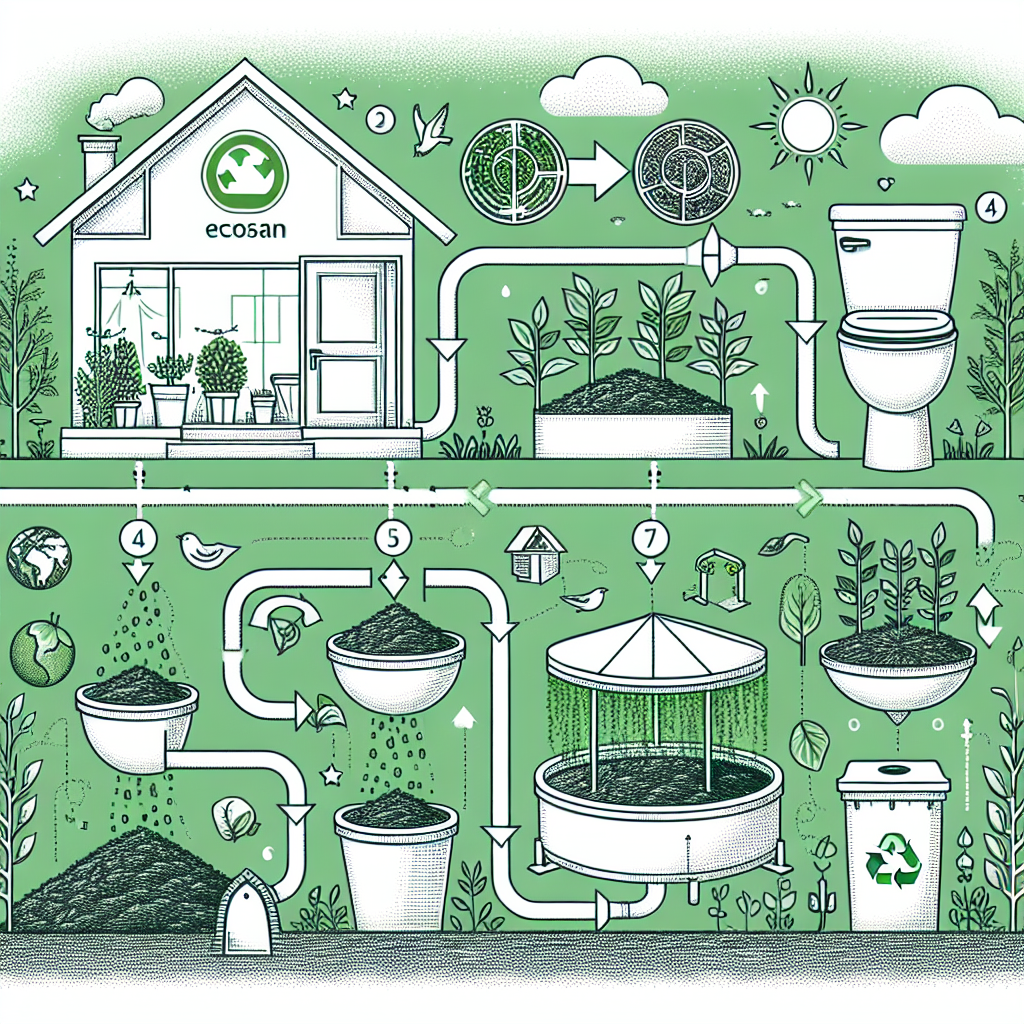
EcoSan systems come in many forms, each designed to meet the specific needs of different environments and communities. Composting toilets are among the most well-known EcoSan systems. These toilets collect human waste in a way that allows for aerobic decomposition, producing compost that can be used as a soil conditioner. The finished compost is free of pathogens and rich in nutrients, making it beneficial for agriculture.
Another type is the urine-diverting dry toilet (UDDT), which separates urine from feces at the source. Urine, rich in nitrogen and phosphorus, can be diluted and used as a fertilizer directly on crops. Feces can be processed through composting or other treatment methods to render them safe for use as a soil amendment. This separation of waste streams simplifies treatment and maximizes resource recovery.
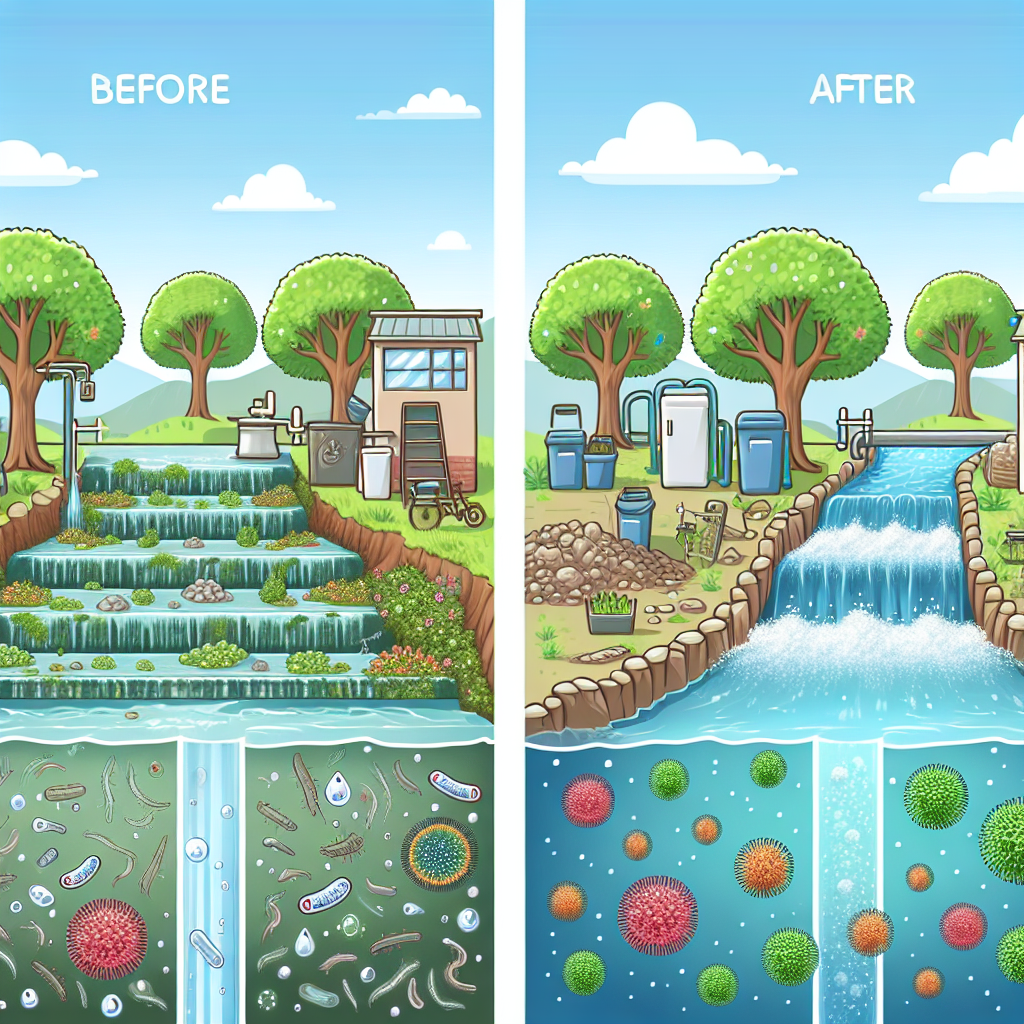
Constructed wetlands mimic natural wetland ecosystems to treat wastewater. These systems use plants, microorganisms, and the natural filtering properties of soil and gravel to purify water. Constructed wetlands can handle various waste inputs, including greywater and blackwater, and the treated effluent is often safe for irrigation or even discharge into waterways.
Lastly, decentralized wastewater treatment systems (DEWATS) address the needs of urban and peri-urban areas. DEWATS typically include a series of treatment steps, such as sedimentation, anaerobic digestion, and vertical flow constructed wetlands, to treat waste near its source. These systems are modular and adaptable, making them suitable for a range of applications.
Each EcoSan system offers unique benefits and challenges. Selecting the appropriate system depends on local conditions, resource availability, and community needs. Regardless of the specific type, all EcoSan systems align with the overarching goals of sustainability and resource recovery.
Real-World Applications of EcoSan
Numerous case studies from around the world highlight the successful implementation of EcoSan systems. In urban areas of Sweden, urine-diverting toilets have been integrated into residential buildings, reducing the burden on municipal wastewater treatment plants and providing farmers with nutrient-rich fertilizers.
In rural India, large-scale composting toilet systems have been implemented in schools and community centers, improving sanitation and enhancing agricultural productivity through the use of compost. These systems not only manage waste effectively but also provide educational opportunities for local communities on the benefits of resource recovery.
In Bolivia, constructed wetlands have been used to treat wastewater in peri-urban areas, providing clean water for agriculture and mitigating environmental pollution. The success of these projects has fostered increased local and governmental support for EcoSan initiatives.
Additionally, in Sub-Saharan Africa, decentralized sanitation solutions like DEWATS have been employed in informal settlements. These systems provide reliable and sustainable sanitation services where centralized infrastructure is impractical or too costly. The integration of community engagement and education has been essential to these projects’ success.
These examples underscore the versatility and effectiveness of EcoSan systems in diverse settings. Each case study reinforces the importance of tailored solutions that respect local contexts and priorities while achieving the broader goals of sustainability and resource recovery.
Challenges and Opportunities
Despite the many benefits of EcoSan, several challenges impede widespread adoption. One significant barrier is the initial cost of installation, which can be higher than conventional systems. However, the long-term savings in water, energy, and synthetic fertilizers often offset these initial expenses, making EcoSan economically viable over time.
Another challenge is the need for cultural acceptance. EcoSan systems often require changes in behavior and perceptions about human waste and its management. Comprehensive community education and involvement are crucial to overcoming these hurdles and ensuring the success and sustainability of EcoSan initiatives.
Technical challenges also exist, particularly in the context of ensuring effective pathogen reduction and safe handling of end products. Robust treatment methods and monitoring are essential to safeguarding public health and maintaining the integrity of EcoSan systems.
Despite these challenges, numerous opportunities for growth and innovation in the field of EcoSan are emerging. Advances in treatment technologies, such as the development of more efficient composting systems and the use of biochar as a treatment medium, hold promise for making EcoSan more effective and accessible.
Furthermore, increasing awareness of environmental issues and the need for sustainable practices is fostering greater acceptance and support for EcoSan principles. Governments, NGOs, and the private sector are beginning to recognize the value of EcoSan systems and are investing in research, development, and implementation efforts.
The integration of EcoSan into broader sustainability and climate resilience strategies presents additional opportunities. As the world confronts the impacts of climate change, EcoSan offers a means to enhance water security, improve soil health, and reduce greenhouse gas emissions through the beneficial use of human waste.
Future of EcoSan
The future of EcoSan looks promising as we continue to explore and adopt more sustainable practices. The growing global emphasis on circular economies and zero-waste strategies aligns perfectly with the principles of EcoSan. By fostering collaboration between governments, communities, and industry, we can scale up the implementation of EcoSan systems and integrate them into mainstream sanitation practices.
An exciting area of development is the potential for EcoSan systems to contribute to the generation of renewable energy. Technologies such as biogas digesters can transform organic waste into methane, which can be used for cooking, heating, and even electricity generation. This energy recovery aspect enhances the sustainability of EcoSan systems and provides additional economic and environmental benefits.
Moreover, the potential for innovative technologies to improve EcoSan systems is vast. From advanced pathogen detection methods to smart sensors for monitoring composting processes, the intersection of EcoSan and technological innovation holds great potential. These advancements can lead to more efficient, user-friendly, and scalable solutions that further enhance the benefits of EcoSan systems.
Another key aspect of the future of EcoSan is the role of policy and regulation. Governments play a critical role in promoting EcoSan through supportive policies, standards, and funding mechanisms. By creating a conducive policy environment, governments can drive the adoption of EcoSan systems and stimulate investment from the private sector.
Education and awareness will continue to be vital components of EcoSan advocacy. By highlighting success stories, sharing best practices, and demonstrating the tangible benefits of EcoSan, we can inspire more communities and stakeholders to embrace these sustainable sanitation solutions.
Ultimately, the future of EcoSan depends on our collective commitment to sustainable development. By reimagining our approach to sanitation and waste management, we can create systems that not only address immediate needs but also support the health and well-being of future generations.
Conclusion
The concept of ecological sanitation represents a transformative shift in how we manage human waste. By viewing waste as a resource and embracing the principles of EcoSan, we can create sanitation systems that are hygienic, sustainable, and beneficial to both people and the planet. From composting toilets and urine diversion to constructed wetlands and decentralized treatment systems, the diverse array of EcoSan solutions offers flexible and adaptable approaches to meet varying needs.
The real-world applications of EcoSan highlight its potential to address critical challenges related to sanitation, water conservation, and nutrient recycling. However, to fully realize the benefits of EcoSan, it is essential to engage communities, secure funding, and navigate cultural and technical challenges.
As we look to the future, it is clear that EcoSan has a vital role to play in advancing sustainable development. By leveraging innovative technologies, supportive policies, and community-driven approaches, we can scale up EcoSan systems and integrate them into mainstream sanitation practices. In doing so, we not only improve public health and environmental outcomes but also contribute to the broader goals of resource efficiency and climate resilience.
In conclusion, going beyond the toilet with EcoSan principles and waste management systems provides an opportunity to reimagine our approach to sanitation. By closing the nutrient loop, conserving water, and embracing sustainability, we can create a healthier, more resilient future for all.