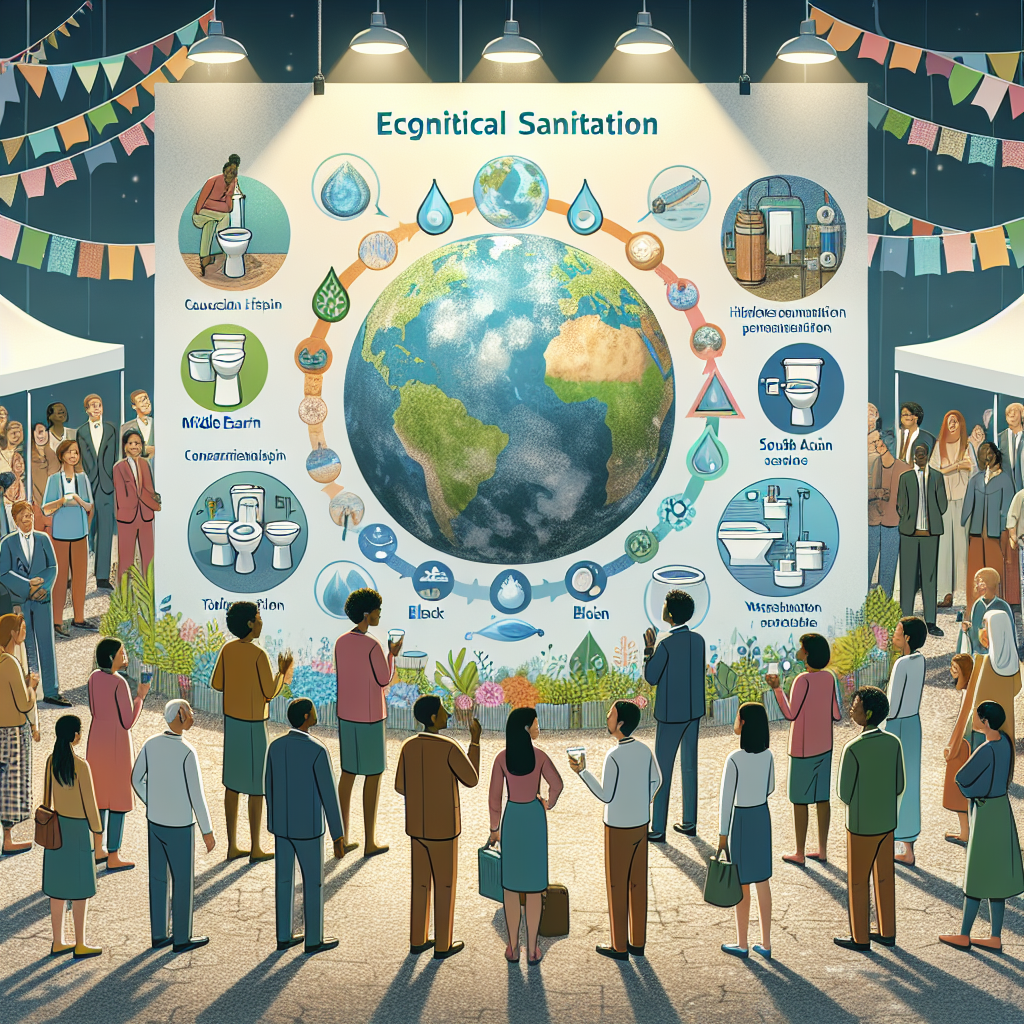
World Water Day is observed annually on March 22nd to raise awareness about the importance of fresh water and advocate for the sustainable management of freshwater resources. It’s a day to reflect on the vital role water plays in our daily lives and to explore innovative solutions to effectively manage this precious resource. One such solution is Ecological Sanitation, or EcoSan.
EcoSan stands for a system of sustainable sanitation where human waste is treated as a resource rather than a waste product. By emphasizing the recovery and safe reuse of nutrients present in wastewater, EcoSan aims to close the nutrient loop, reduce water pollution, and promote agricultural productivity. As we celebrate World Water Day, understanding the principles and concepts of EcoSan becomes pivotal.
Let’s dive into understanding what EcoSan is, its principles, and how this approach aligns with the global quest for sustainable water management. Whether you’re an advocate for environmental sustainability, a policymaker, or just someone interested in learning about eco-friendly practices, this comprehensive guide will shed light on the brilliance of EcoSan.
What is Ecological Sanitation?
Ecological Sanitation, often abbreviated as EcoSan, refers to a sanitation system that mirrors the natural water cycle. It treats human excreta as a valuable resource instead of waste, focusing on the recovery and safe reuse of nutrients in a hygienically safe, socially acceptable, and economically viable manner. Unlike conventional sanitation systems that aim only to dispose of waste, EcoSan looks to close the loop and protect the environment.
One of the key drivers of EcoSan is the global need to find sustainable solutions for sanitation that can serve growing populations without depleting our water resources. Traditional sanitation methods often rely heavily on water and can lead to pollution if not managed correctly. In contrast, EcoSan systems can function with minimal water usage, making them highly suitable for arid regions and places with limited water resources.
EcoSan systems are versatile and can be tailored to fit various contexts, from urban areas to rural settings. They include technologies like dry toilets, composting toilets, and urine-diverting toilets. By managing human waste in an environmentally friendly way, EcoSan systems not only contribute to water conservation but also enhance soil fertility and agricultural productivity.
Principles of EcoSan
The foundation of EcoSan is built upon key principles that guide its implementation and ensure it aligns with sustainable development goals. These principles include:
- Resource Recovery: Treating human waste as a resource by recovering valuable nutrients like nitrogen, phosphorus, and potassium which are essential for plant growth. This concept helps in reducing reliance on synthetic fertilizers, thereby contributing to sustainable agriculture.
- Safe Reuse: Ensuring that recovered resources (like compost and treated urine) are hygienically safe for use in agriculture. This requires adequate treatment processes to eliminate pathogens and pollutants.
- Water Conservation: Minimizing water usage in sanitation processes. By employing dry or low-flush toilets, EcoSan systems significantly reduce the water footprint of sanitation.
- Environmental Protection: Preventing pollution of water bodies by safely managing waste in a way that avoids contamination of groundwater, rivers, and oceans.
- Economic Viability: Implementing cost-effective systems that communities can afford to build, operate, and maintain over the long term.
- Social Acceptability: Designing and promoting sanitation systems that are culturally acceptable and meet the needs and preferences of the users.
These principles ensure that EcoSan systems provide a holistic approach to sanitation that aligns with ecological integrity and sustainable development.
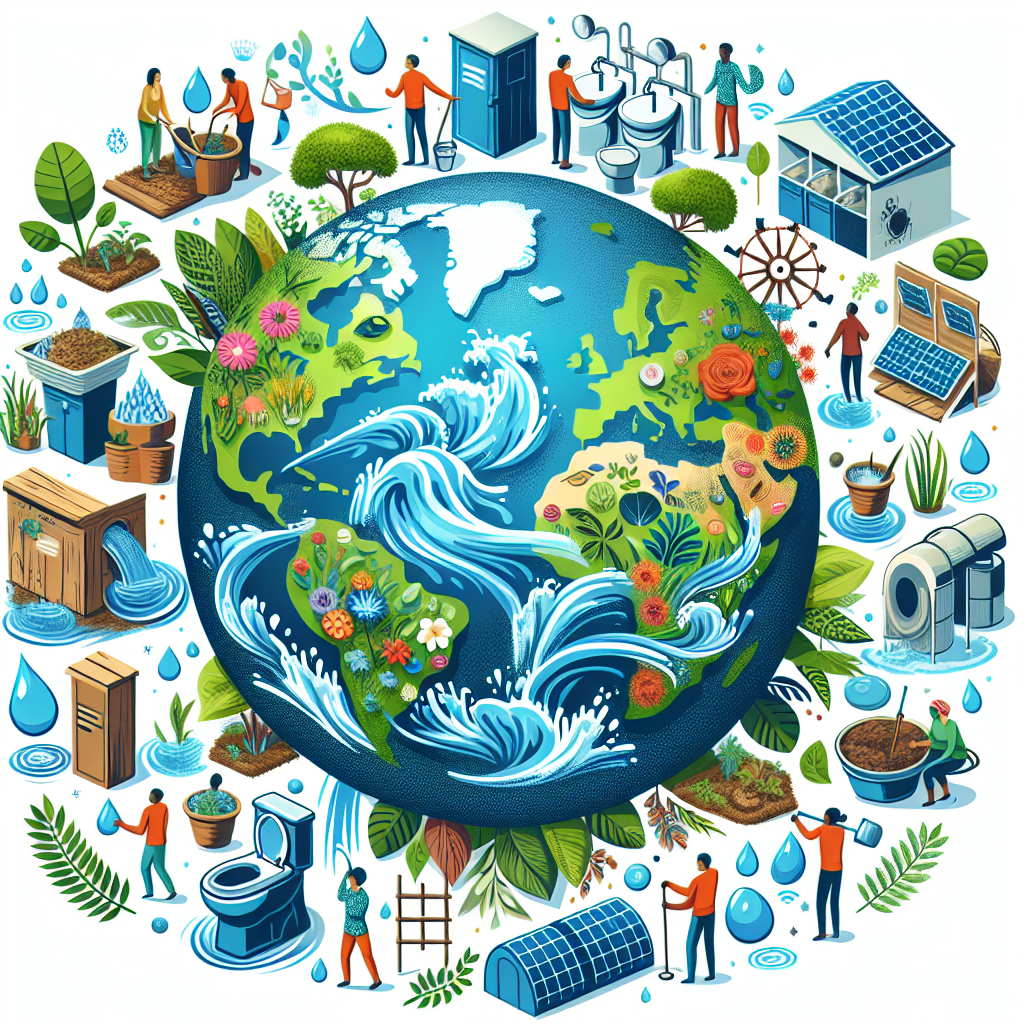
Implementing EcoSan Systems
Implementing an effective EcoSan system involves several steps, right from planning to execution and ongoing maintenance. Here’s a closer look at the process:
- Assessment: Understanding the local context, including water availability, soil conditions, and community needs. This assessment helps in selecting the most appropriate EcoSan technologies.
- Design: Crafting a design that integrates the chosen EcoSan technologies. The design phase should involve community participation to ensure the systems meet their needs and preferences.
- Construction: Building the EcoSan infrastructure, which could include installing dry toilets or composting systems. It’s essential to use quality materials and skilled labor to ensure safety and longevity.
- Education: Training community members on how to use and maintain the EcoSan systems. Education is crucial in ensuring the correct and hygienic use of the systems.
- Maintenance: Establishing a routine maintenance schedule to ensure the systems operate efficiently and safely. Maintenance tasks might include emptying composting chambers, inspecting for leaks, and ensuring proper ventilation.
- Monitoring and Evaluation: Continually monitoring the system’s performance and making necessary adjustments. This step helps in identifying issues early and improving system efficiency.
Successful implementation of EcoSan systems depends on diligent planning, community involvement, and continuous support and education.
Benefits of Adopting EcoSan
Adopting EcoSan systems offers numerous benefits that extend beyond basic sanitation. Some of the key advantages include:
- Environmental Benefits: EcoSan reduces water pollution and protects aquatic ecosystems by preventing the discharge of untreated waste into water bodies.
- Water Savings: By minimizing the use of water in sanitation processes, EcoSan systems conserve freshwater resources, which is particularly crucial in water-scarce regions.
- Agricultural Productivity: The reuse of treated human waste as fertilizer boosts soil fertility and crop yields, contributing to food security.
- Cost-Effectiveness: EcoSan systems can be more affordable in the long run compared to conventional sewage systems, as they require less infrastructure and lower operational costs.
- Public Health: Properly managed EcoSan systems improve public health by reducing the spread of waterborne diseases and providing safe sanitation solutions.
- Resource Recovery: EcoSan helps in recovering valuable nutrients that would otherwise be lost, promoting a circular economy and reducing waste.
These benefits highlight why EcoSan is increasingly being recognized as a viable solution for sustainable sanitation and water management.
Challenges and Solutions in EcoSan Implementation
Despite its numerous benefits, implementing EcoSan systems comes with challenges. Addressing these challenges is crucial for the success and sustainability of EcoSan initiatives. Some common challenges include:
- Cultural Acceptance: In many communities, the reuse of human waste is taboo. Overcoming cultural resistance requires sensitive and inclusive community engagement and education.
- Technical Expertise: Designing, building, and maintaining EcoSan systems demands technical knowledge that may not be readily available in all communities. Providing training and support can bridge this gap.
- Financial Constraints: Initial investment costs can be a hurdle for many communities. Exploring funding opportunities, subsidies, and community-led initiatives can help address financial barriers.
- Policy and Regulations: A lack of supportive policies and regulations can impede EcoSan adoption. Advocacy and collaboration with policymakers can lead to more favorable environments for EcoSan.
Addressing these challenges requires a multi-faceted approach that includes community involvement, technical training, financial support, and policy advocacy.
Case Studies of Successful EcoSan Projects
Successful case studies from around the world can provide inspiration and insights for implementing EcoSan projects. Here are a few examples:
- China: The Chinese government has embraced EcoSan in rural areas, with over one million ecological toilets installed. These initiatives have significantly reduced water pollution and improved agricultural productivity.
- Sweden: In Stockholm, urine-diverting toilets are used extensively, and the collected urine is treated and used as fertilizer, closing the nutrient loop effectively.
- South Africa: The eThekwini Municipality has implemented dry toilet systems in peri-urban areas, leading to improved sanitation access and environmental benefits.
- India: Various NGOs have collaborated to promote EcoSan in rural areas, resulting in better sanitation facilities and enhanced crop yields due to nutrient-rich compost.
These case studies illustrate the diverse applications of EcoSan and the positive outcomes achieved through innovative approaches and committed efforts.
Conclusion
As we celebrate World Water Day, it’s essential to recognize the pivotal role of EcoSan in achieving sustainable sanitation and water management. EcoSan’s principles of resource recovery, safe reuse, water conservation, and environmental protection align perfectly with global sustainability goals.
The journey to implementing EcoSan systems involves careful planning, community engagement, technical expertise, and a supportive policy environment. Despite the challenges, the benefits of EcoSan — from water savings and improved public health to enhanced agricultural productivity and environmental protection — make it a worthy endeavor.
On this World Water Day, let us commit to exploring and promoting innovative solutions like EcoSan that contribute to a sustainable future. Whether you’re a policymaker, a community leader, or an individual advocate, your efforts can make a significant difference in advancing sustainable sanitation practices.
By embracing the principles of EcoSan, we can ensure a greener, cleaner, and healthier planet for future generations. Let’s join hands in celebrating World Water Day by taking concrete steps towards sustainable water and sanitation solutions.