Ecological sanitation, widely known as EcoSan, represents a paradigm shift in the way humanity approaches the challenge of sanitation. As concerns about water conservation, environmental protection, and public health continue to rise, EcoSan presents a sustainable and ecologically beneficial alternative. Traditional sanitation systems, which depend heavily on water for the disposal of human waste, are increasingly being viewed as impractical in the face of growing global water scarcity. Moreover, these conventional systems have been linked to significant environmental pollution and the wastage of valuable nutrients. EcoSan turns the problem on its head by treating human excreta as a resource rather than waste, transforming waste management into nutrient recycling.
However, to implement EcoSan successfully, especially in conservative cultures where discussions surrounding human excreta are often taboo, significant barriers need to be addressed. This article delves into the principles and concepts of EcoSan, explores the challenges faced in conservative cultures, and highlights strategies for overcoming these obstacles to achieve broader acceptance and implementation. This exploration is a call to action for governments, non-governmental organizations (NGOs), community leaders, and the general public to embrace EcoSan and the sustainable future it promises.
Principles and Concepts of EcoSan
At its core, EcoSan employs a closed-loop system that treats human excreta as a resource rather than waste. The principles of EcoSan focus on the safe recovery and reuse of excreta, often through processes such as composting or anaerobic digestion. This approach not only minimizes environmental pollution but also enhances soil fertility and promotes sustainable agricultural practices. The key concepts include:
- Resource Recovery: EcoSan emphasizes the recovery of nutrients, organic matter, and water content from human excreta. These components can be transformed into fertilizers and soil conditioners, creating a circular economy.
- Waste Minimization: By reducing the use of water in sanitation processes, EcoSan decreases the volume of wastewater that needs treatment and minimizes the risk of water-borne diseases.
- Environmental Protection: EcoSan systems help in preventing environmental pollution by ensuring that pathogens and other contaminants are rendered harmless through various treatment processes.
- Community Participation: Successful implementation of EcoSan requires active participation from local communities, with an emphasis on education and cultural sensitivity.
The shift from viewing excreta as a waste product to recognizing it as a resource is revolutionary. However, applying these principles in cultural contexts where talking about human waste is frowned upon presents unique challenges.

Challenges in Conservative Cultures
In conservative cultures, where traditional beliefs and social norms dominate, the adoption of EcoSan can be particularly challenging. The subject of human excreta is often associated with strong taboos and stigmas, making open discussion difficult. These cultural barriers can impede the acceptance and implementation of EcoSan systems. Some key challenges include:
- Social Taboos: Conversations about human excreta are often avoided in conservative societies, making it difficult to educate communities about the benefits of EcoSan.
- Religious Beliefs: Certain religious practices and beliefs may conflict with the principles of EcoSan, creating resistance to adopting such systems.
- Lack of Awareness: Limited access to information and education about EcoSan contributes to a lack of understanding and acceptance among community members.
- Traditional Practices: Long-standing traditional sanitation practices can be deeply ingrained, making it difficult to introduce new methods.
- Gender Dynamics: In many cultures, women are primary caregivers and manage household sanitation. However, they may have less power in decision-making processes about adopting new technologies.
Addressing these challenges requires culturally sensitive approaches, community involvement, and strategic education initiatives tailored to specific cultural contexts.
Strategies for Overcoming Cultural Barriers
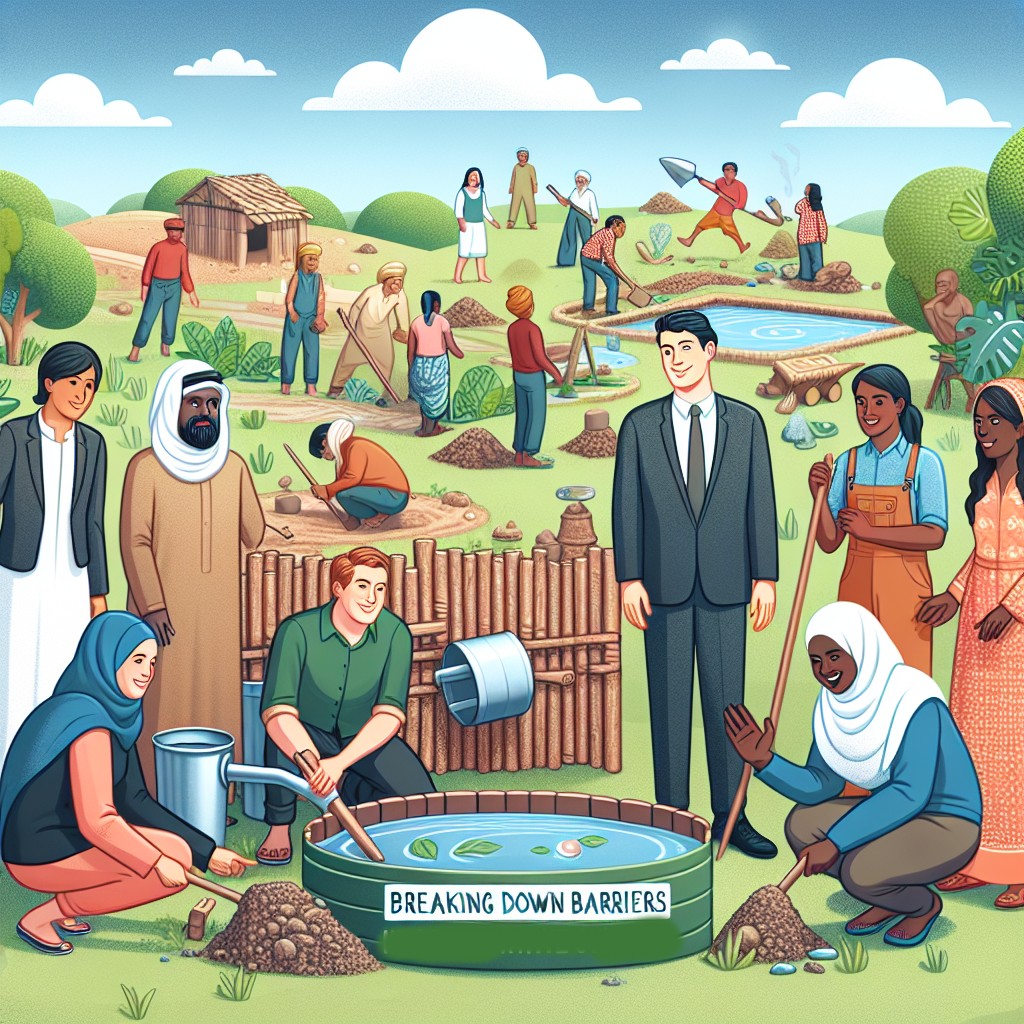
Breaking down cultural barriers to EcoSan involves a multifaceted approach that encompasses education, community engagement, and the tailoring of EcoSan systems to meet cultural norms. Here are some key strategies:
- Community-Based Education: Implementing comprehensive education programs aimed at increasing awareness and understanding of EcoSan is crucial. These programs should utilize culturally relevant materials and be conducted by trusted community leaders.
- Engaging Religious Leaders: Collaborating with religious leaders to address misconceptions and gain support can significantly enhance the acceptance of EcoSan within conservative communities.
- Women-Centric Approaches: Since women often manage household sanitation, empowering them with knowledge and involving them in decision-making processes is essential for successful implementation.
- Integration with Traditional Practices: To ease the transition, integrating EcoSan principles into existing traditional practices can help in gaining community acceptance. This approach often requires demonstrating the benefits of EcoSan in a way that aligns with cultural values.
- Pilot Projects and Demonstrations: Developing pilot projects and demonstration sites within communities can provide practical examples of the effectiveness and benefits of EcoSan, helping to alleviate doubts and build trust.
The active engagement and participation of community members play a pivotal role in transforming perceptions and overcoming resistance to EcoSan. Patience, persistence, and cultural humility are key components of this process.
Case Studies: Successful EcoSan Implementations
Successful implementation of EcoSan in conservative cultures provides valuable insights and lessons for future projects. Here are brief overviews of some case studies:
1. India’s Rural Villages
In India, several rural villages have successfully adopted EcoSan systems, thanks to extensive community outreach and education initiatives by NGOs. These projects often engage local women’s groups to champion EcoSan, leading to broader acceptance and integration within the communities.
2. Mali’s Community-Led Total Sanitation (CLTS)
Mali’s CLTS approach focuses on community empowerment and the promotion of dignity and cleanliness. By aligning EcoSan with cultural values and employing local facilitators, CLTS has managed to break taboos surrounding sanitation, resulting in significant improvements in public health and environmental sustainability.
3. Peru’s Mountain Villages
In Peru, mountain communities have embraced EcoSan through participatory workshops and practical demonstrations. These initiatives have highlighted the benefits of EcoSan in enhancing soil fertility and agricultural productivity, aligning with the communities’ farming traditions and livelihood needs.
Technological Innovations in EcoSan
Advancements in technology have played a significant role in enhancing the efficiency and acceptability of EcoSan systems. Here are some noteworthy technological innovations:
- Urine Diversion Toilets: These toilets separate urine from feces, simplifying the treatment process and enabling the efficient recovery of nutrients for agricultural use.
- Composting Toilets: Composting toilets convert human excreta into compost through aerobic decomposition, resulting in a safe and nutrient-rich soil amendment.
- Anaerobic Digesters: These systems treat wastewater and organic waste through anaerobic digestion, producing biogas for energy and nutrient-rich digestate for agriculture.
- Solar Sanitation Technologies: Solar-powered systems utilize the sun’s energy to sanitize human excreta, reducing pathogens and transforming waste into fertilizer.
These technological advancements not only improve the functionality and efficiency of EcoSan systems but also contribute to their acceptability by demonstrating tangible benefits and aligning with cultural preferences.
The Future of EcoSan in Conservative Cultures
The future of EcoSan in conservative cultures hinges on continuous innovation, education, and community engagement. As awareness of the environmental and public health benefits grows, so does the potential for broader acceptance and implementation. Key areas to focus on include:
- Policy Support: Governments and policymakers must prioritize EcoSan in national sanitation strategies, providing the necessary resources and support for implementation.
- Ongoing Education: Continuous education and awareness campaigns are essential to keep communities informed and engaged, fostering long-term behavioral change.
- Scalability and Replication: Scaling up successful models and replicating them in new regions will help in spreading the benefits of EcoSan more widely.
- Innovative Financing: Exploring innovative financing models, such as microloans and community-based financing, can help overcome financial barriers to EcoSan adoption.
- Research and Development: Ongoing research into new technologies and methods for improving the efficiency and acceptability of EcoSan is critical for its evolution and success.
The journey towards widespread EcoSan adoption in conservative cultures is challenging but achievable. By leveraging cultural strengths, engaging communities, and fostering innovation, it is possible to break down barriers and promote a sustainable and healthy future for all.
Conclusion
EcoSan represents a transformative approach to sanitation that prioritizes sustainability, resource recovery, and environmental protection. While conservative cultures may present unique barriers to its adoption, these challenges can be overcome through culturally sensitive strategies, continuous education, and community engagement. Case studies from around the world highlight that with the right approach, EcoSan can be successfully integrated into even the most traditional settings, leading to improved public health, environmental benefits, and enhanced quality of life.
The future of EcoSan in conservative cultures is promising, provided that concerted efforts are made to address cultural sensitivities, engage communities, and leverage technological advancements. As more communities embrace the principles of EcoSan, the potential for significant positive impacts on both human and environmental health becomes increasingly evident. By breaking down barriers and fostering a culture of sustainability, we can pave the way for a cleaner, healthier, and more sustainable world.