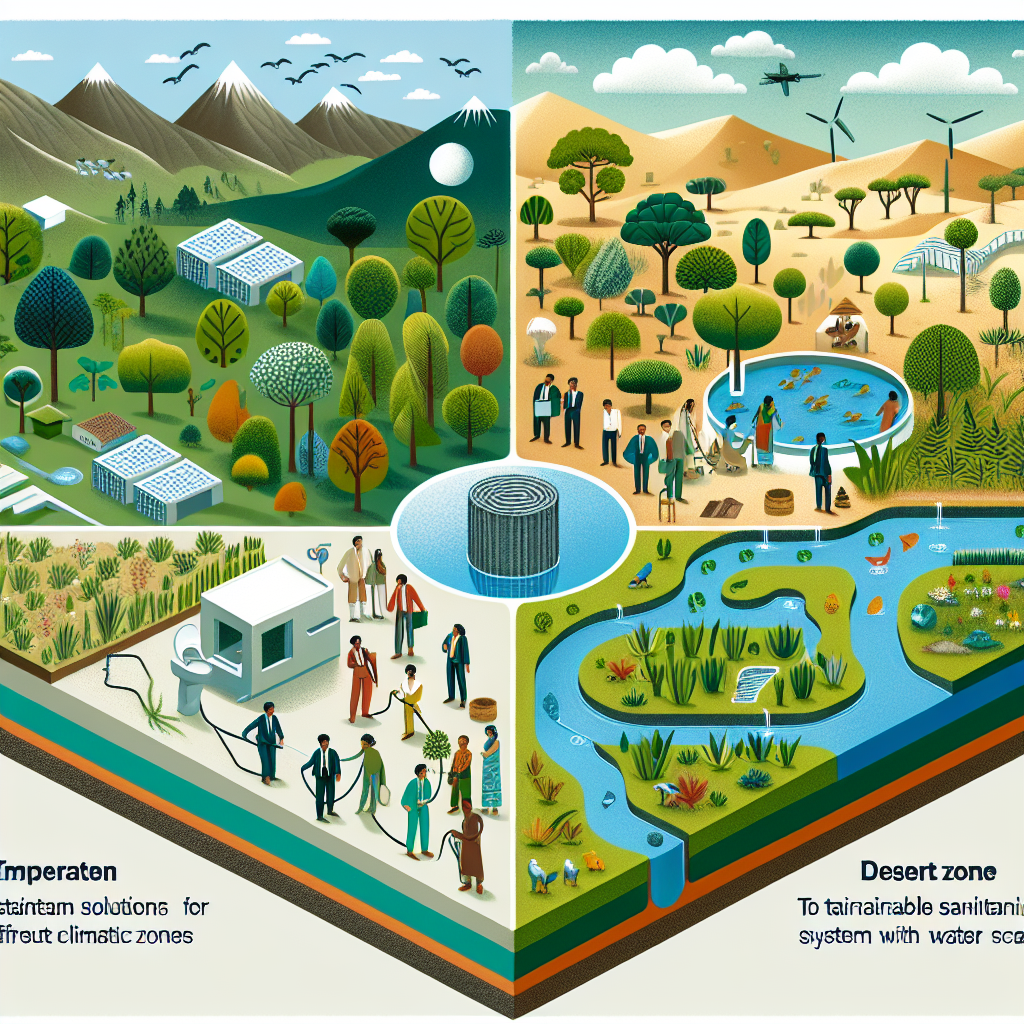
In an age where sustainable practices have become increasingly paramount, the concept of Ecological Sanitation (EcoSan) is gaining numerous adherents globally. EcoSan is a paradigm shift from traditional sanitation techniques and revolves around the principle of transforming waste into a valuable resource. At its core, it prioritizes environmental sustainability while contributing significantly to soil fertility, an aspect that frequently stands as the highlight of its manifold advantages. This article delves deeply into the importance of soil fertility in ecological sanitation, the fundamental principles of EcoSan, and its practical applications with an overarching focus on how it nurtures and enriches the soil.
Understanding Ecological Sanitation (EcoSan)
Ecological Sanitation, often abbreviated as EcoSan, stands as a holistic approach aimed at revolutionizing waste management. Unlike conventional sanitation systems that view waste as a problem to be disposed of, EcoSan sees human waste as a valuable resource that can be safely recycled and used to enhance soil health. This sanitation practice encompasses various advanced treatment and recycling processes, all aimed at protecting the environment while efficiently handling human waste.
The founding principles of EcoSan promote the safe recycling of human waste back into the environment in a way that harnesses valuable nutrients, enhances soil structure, and supports plant growth. It is motivated by a sustainable, closed-loop system where the end product of one process becomes a resource for another. The resultant recycling process aims to bolster agricultural productivity, reduce the need for chemical fertilizers, and significantly degrade environmental pollution, transforming the entire sanitation and agricultural paradigm.
The Significance of Soil Fertility
Soil fertility is a critical component of agricultural productivity and sustainability. Fertile soil is rich in nutrients and organic matter, and it supports plant growth, leading to abundant crops and healthy ecosystems. However, modern agricultural practices, including the excessive use of synthetic fertilizers, have often led to soil degradation, reducing its fertility and posing a significant threat to food security. Herein lies the profound importance of EcoSan in revitalizing and maintaining soil health.
EcoSan systems produce nutrient-rich fertilizers derived from decomposed human waste. These fertilizers, commonly referred to as ‘humanure,’ are high in nitrogen, phosphorus, potassium, and organic matter, which are essential for plant growth. By returning these nutrients to the soil, EcoSan not only improves its fertility but also promotes sustainable agricultural practices. This natural replenishment helps maintain soil structure, enhances its water-holding capacity, and fosters a thriving ecosystem of beneficial microorganisms.

Practical Applications of EcoSan in Soil Fertility
Implementing EcoSan requires a well-structured system to ensure safety and efficacy. The process begins with the separation of fecal matter and urine. Composted fecal matter and treated urine serve as the primary sources of natural fertilizers. When applied correctly, these organic fertilizers can significantly enhance soil fertility and crop production.
EcoSan systems can be effectively integrated into both urban and rural settings. In rural areas, where access to commercial fertilizers may be limited, EcoSan systems offer a cost-effective and sustainable alternative. For small-scale farmers, the ability to produce their own fertilizers can lead to remarkable increases in crop yields. In urban areas, EcoSan can be incorporated into community gardens and green spaces, promoting local food production and reducing the burden on municipal waste treatment facilities.
EcoSan’s Role in Enhancing Soil Structure
One of the often-overlooked benefits of EcoSan is its positive impact on soil structure. Healthy soil structure is vital for optimal root penetration, water infiltration, and nutrient absorption. The organic matter derived from EcoSan systems improves the physical properties of the soil, making it more porous and better able to retain moisture.
This enhanced soil structure has several downstream benefits. It reduces erosion by increasing the soil’s ability to absorb rainwater, thereby minimizing runoff. It also fosters a healthier root environment, allowing crops to thrive even in the face of adverse weather conditions. Over time, the continued use of EcoSan-derived organic fertilizers contributes to the long-term sustainability of agricultural systems, ensuring that future generations inherit fertile and productive land.
The Nutrient Loop: Closing the Cycle
EcoSan exemplifies the concept of a nutrient loop, where waste is recycled back into the agricultural system, closing the cycle of nutrient flows. This closed-loop system is a stark contrast to the linear approach of conventional sanitation, where waste is treated and disposed of with little regard for its potential benefits.
In an EcoSan system, nutrients from human waste are captured, treated, and returned to the soil, creating a continuous cycle of nutrient replenishment. This natural recycling process eliminates the need for synthetic fertilizers, reducing the environmental and economic costs associated with their production and use. It also prevents the contamination of water sources and reduces greenhouse gas emissions, contributing to a healthier planet.
Challenges and Opportunities in EcoSan Implementation
While the principles and benefits of EcoSan are clear, its widespread adoption faces several challenges. One of the primary obstacles is the lack of awareness and understanding of EcoSan technologies among communities and policymakers. Educating the public and promoting the benefits of EcoSan are crucial steps in overcoming this barrier.
Additionally, the implementation of EcoSan systems requires careful planning and adherence to safety guidelines to ensure the safe handling and treatment of human waste. Proper training and access to appropriate infrastructure are essential to avoid health risks and maximize the benefits. Governments, non-governmental organizations, and community leaders must collaborate to create supportive policies and provide the necessary resources for successful EcoSan projects.
Despite these challenges, the potential opportunities presented by EcoSan are immense. By embracing EcoSan principles, communities can achieve greater food security, reduce their environmental impact, and improve public health. Moreover, the economic benefits of producing natural fertilizers and reducing the reliance on costly synthetic alternatives can contribute to poverty alleviation and sustainable development.
Conclusion
Ecological Sanitation is a transformative approach that redefines waste management by recognizing the value of human waste as a resource rather than a nuisance. By promoting soil fertility through the recycling of nutrients, EcoSan systems offer a sustainable solution to some of the most pressing challenges in agriculture and environmental conservation.
The importance of soil fertility cannot be overstated, as it is the foundation of our food systems and ecosystems. Through the principles of EcoSan, we can enhance soil structure, improve crop yields, and reduce our dependence on synthetic fertilizers, all while minimizing environmental pollution.
As we move forward, it is essential to raise awareness, promote education, and invest in the infrastructure needed to implement EcoSan systems on a larger scale. By doing so, we can create a more sustainable and resilient future where human waste is seen as a valuable resource, and soil fertility is preserved for generations to come. Embracing EcoSan is not just an ecological choice; it is a fundamental step towards a healthier, more sustainable world.