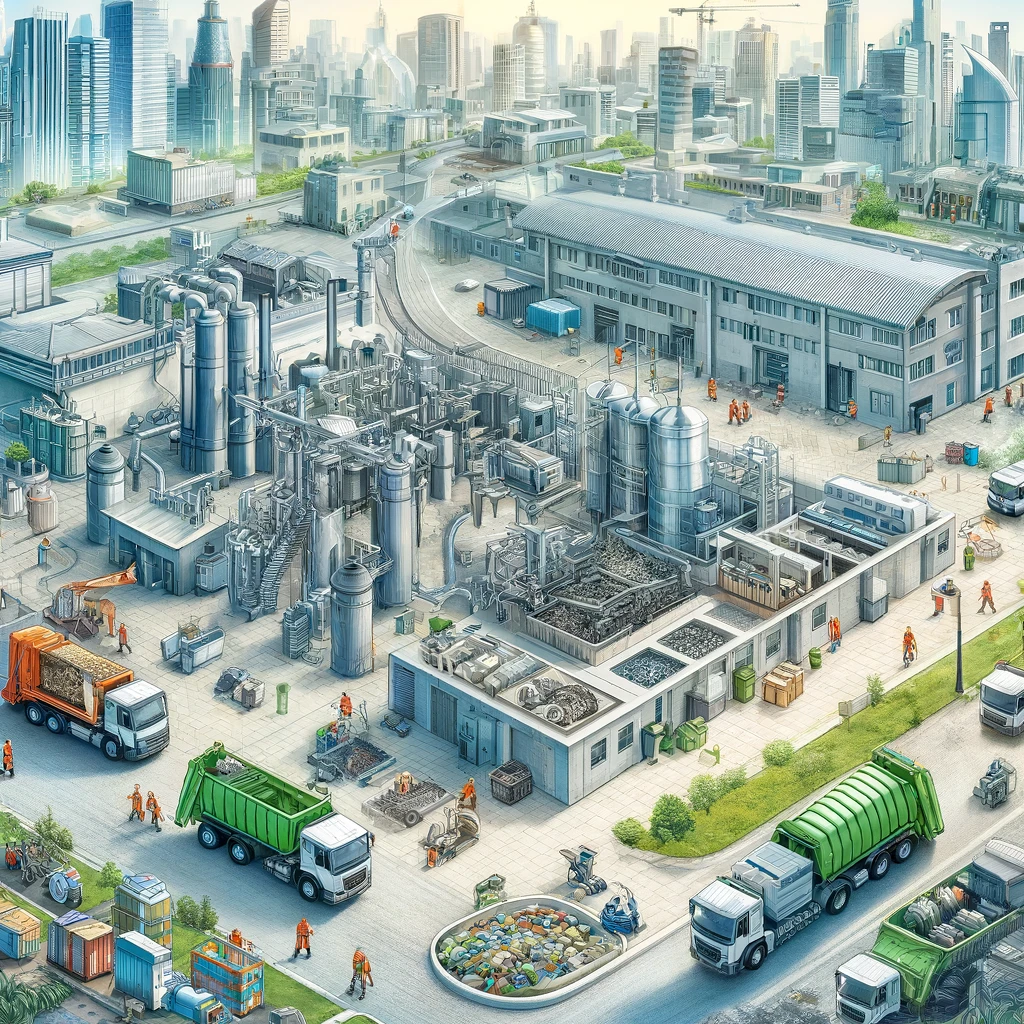
The concept of Ecological Sanitation (EcoSan) has revolutionized waste management by transforming human waste into an invaluable resource. This sustainable approach not only addresses the fundamental need for proper sanitation but also contributes significantly to environmental health, nutrient recycling, and the conservation of local wildlife.
As urban and rural areas continue to grapple with waste management challenges, EcoSan offers innovative solutions that are both environmentally friendly and economically viable. Its core principles lie in the safe and sanitary handling of human excreta, transforming it into plant-friendly compost, liquid fertilizers, or biogas. Central to the success of EcoSan systems is their ability to operate as a closed-loop, wherein waste is viewed as a resource rather than a problem. But what about our co-inhabitants on this planet—the local wildlife? How does EcoSan affect them, and can it present mutual benefits? Let’s explore.
Introduction
Ecological sanitation is an approach that integrates the management of human excreta into the broader scope of environmental sustainability. Unlike conventional sanitation systems, which typically aim for waste separation and isolation, EcoSan focuses on resource recovery and recycling. The principle rests on three key aspects: containment, treatment, and reuse.
This framework is designed not only to manage waste but also to turn it into a resource that benefits agriculture and, by extension, the local ecosystem. Specifically, by converting human waste into compost or biogas, EcoSan dramatically reduces environmental pollution, soil degradation, and groundwater contamination.
Nevertheless, what makes this topic particularly fascinating is its intersection with local wildlife. How do animals interact with these systems, and can such interactions be managed to foster an enriched cohabitation? This article delves into these questions, exploring the advantages of EcoSan for local fauna, the challenges it might pose, and the innovative solutions for optimizing these interactions.
The Concept and Benefits of EcoSan Systems
At its core, EcoSan aims to close the nutrient loop, minimizing waste while maximizing resource use. The stored and treated excreta are converted into valuable by-products like fertilizers and biogas, eliminating the need for synthetic alternatives. This practice is particularly impactful in rural areas where synthetic fertilizers are either expensive or harmful to soils and waterways.
EcoSan systems offer numerous benefits, including:
- **Reduction in Water Pollution**: By treating excreta locally, EcoSan systems circumvent the need for large-scale sewage treatment plants, significantly reducing water pollution incidents.
- **Farm-Sourced Nutrients**: Human excreta, when properly treated, transforms into rich compost, providing essential nutrients for agriculture. This practice not only boosts crop yields but also reduces reliance on chemical fertilizers which can harm the local fauna and flora.
- **Boosting Soil Fertility**: Treated human excreta contribute organic matter to the soil, improving its structure and fertility—conditions beneficial to various forms of wildlife including soil organisms, plants, and their dependent species.
- **Reduction in Disease Transmission**: Proper treatment of human waste considerably lowers the risk of pathogens contaminating ground and surface waters, making the environment safer for both humans and animals.
Beyond these tangible gains, there’s an often-overlooked benefit: the indirect advantages to local wildlife. These systems can foster healthier ecosystems, creating symbiotic relationships between human settlements and the surrounding fauna.
EcoSan and Soil Health: A Boon for Ground Dwellers
One of the most immediate impacts of EcoSan systems is improved soil health, which significantly benefits ground-dwelling organisms such as earthworms, beetles, and various microorganisms. Treated excreta add essential organic matter back to the soil, enriching it and creating a more fertile ground for plants and the insects that rely on them.
Healthy soils serve as the foundation for a thriving ecosystem. When waste is recycled back into the soil, it increases the availability of essential nutrients like nitrogen and phosphorus, which are critical for plant growth. Improved plant health translates to a more vibrant and robust local flora, attracting a diverse range of herbivores and, consequently, predators.
This self-reinforcing cycle not only benefits agricultural activities but also ensures a stable habitat for numerous species. For example, healthier soils lead to stronger plants, which can better support local herbivores like rabbits and deer. In turn, this ensures a stable prey base for predators such as foxes and hawks.
Additionally, EcoSan systems can help mitigate soil erosion, a common problem in agricultural areas. By improving soil structure and moisture retention, these systems can help maintain the integrity of local habitats, which is particularly beneficial for species that rely on stable ground conditions, such as burrowing animals.
Water Conservation: A Lifesaver for Aquatic and Semi-Aquatic Species
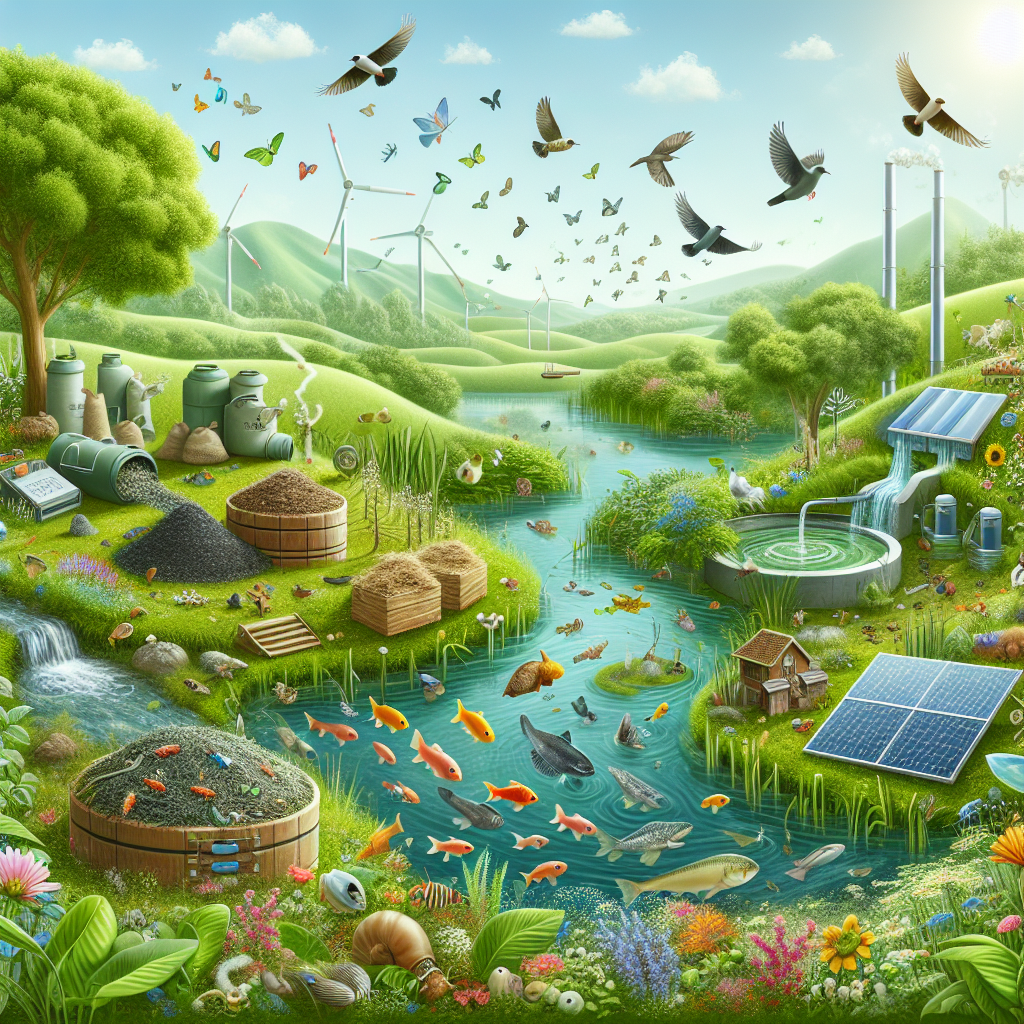
Water is a precious resource, and EcoSan systems play a crucial role in conserving it. By treating human waste locally and recycling it as compost or liquid fertilizer, these systems reduce the strain on freshwater sources that would otherwise be used to flush and transport waste in conventional systems.
Water conservation has far-reaching implications for local wildlife, especially aquatic and semi-aquatic species. Reduced water extraction means more water remains in natural habitats like rivers, lakes, and wetlands, which are essential for species such as fish, amphibians, and waterfowl.
Moreover, by minimizing groundwater contamination, EcoSan systems help maintain the quality of these natural water sources. This is crucial for species that rely on clean water for drinking, breeding, and feeding. Amphibians, in particular, are highly sensitive to water quality and can suffer population declines when exposed to polluted water.
For semi-aquatic species such as beavers, otters, and various waterfowl, the benefits extend beyond water quality. Healthier water ecosystems provide better resources for building nests, foraging, and raising young. This creates a cascading effect, promoting biodiversity and stabilizing local ecosystems.
Challenges and Considerations: EcoSan and Human-Wildlife Conflicts
While EcoSan systems offer numerous benefits, their implementation is not without challenges, particularly when it comes to human-wildlife interactions. One of the primary concerns is the potential for attracting wildlife to EcoSan facilities, which could lead to conflicts.
Misperceptions about waste as a food source can attract scavengers such as raccoons, rodents, and even larger predators like bears. These encounters pose risks not only to the animals but also to human health and safety. Therefore, it is crucial to design EcoSan systems in a way that minimizes these conflicts.
One effective strategy is proper site selection, ensuring that EcoSan facilities are located away from natural wildlife corridors and potential attractants like food sources. Additionally, securing EcoSan units with wildlife-proof features can prevent animals from accessing the waste.
Another consideration is education and community engagement. By raising awareness about the importance of proper waste management and the potential risks of wildlife interactions, communities can play an active role in mitigating conflicts. This includes practices such as securing trash bins, avoiding the feeding of wildlife, and promptly addressing any issues that arise.
Importantly, EcoSan systems should be regularly monitored and maintained to ensure they are functioning correctly and not becoming a source of attraction for wildlife. This includes routine inspections, timely repairs, and proper management of by-products such as compost and liquid fertilizer.
Innovative Solutions: Harnessing Technology for Better Outcomes
Innovation and technology play crucial roles in enhancing the efficacy of EcoSan systems and their cohabitation with local wildlife. Advances in design, materials, and monitoring can help address many of the challenges associated with these systems.
For instance, sensor technology can be integrated into EcoSan facilities to monitor usage, detect leaks, and ensure optimal conditions for waste treatment. This not only improves system efficiency but also minimizes the risk of attracting wildlife.
Additionally, eco-friendly materials can be used in the construction of EcoSan systems to make them more durable and less prone to damage from wildlife. For example, using reinforced structures and wildlife-proof barriers can prevent animals from accessing the waste and causing damage.
Community-based monitoring programs, supported by technology, can also play a significant role. By involving local residents in the monitoring and maintenance of EcoSan systems, communities can ensure that these systems are functioning properly and address any issues promptly. Mobile apps and online platforms can facilitate reporting and communication, fostering a sense of collective responsibility.
Moreover, the development of biogas technologies offers an exciting opportunity for EcoSan systems. By capturing and utilizing biogas produced from waste, these systems can generate renewable energy that benefits both humans and wildlife. For instance, biogas can be used for cooking, heating, and lighting, reducing the reliance on wood and other natural resources that are crucial for wildlife habitats.
The Future of EcoSan and Wildlife Conservation
The future of EcoSan and its interplay with local wildlife is promising, with numerous opportunities for enhancing both environmental health and biodiversity. By embracing a holistic approach to waste management, communities can create sanctuaries for wildlife and contribute to global conservation efforts.
One of the key aspects of this future is the integration of EcoSan systems into broader conservation and sustainability initiatives. For instance, EcoSan can be linked with efforts to restore degraded habitats, create wildlife corridors, and promote sustainable agriculture. By aligning these efforts, communities can create synergies that benefit both human and wildlife populations.
Another exciting prospect is the potential for EcoSan systems to contribute to climate change mitigation. By reducing greenhouse gas emissions from traditional waste management practices and promoting the use of renewable energy, EcoSan can play a role in combating climate change. This, in turn, benefits wildlife by creating more stable and resilient ecosystems.
Furthermore, ongoing research and collaboration between scientists, conservationists, and communities are essential for optimizing EcoSan systems and their impact on local wildlife. By sharing knowledge, best practices, and innovative solutions, stakeholders can continuously improve these systems and address emerging challenges.
Conclusion
EcoSan systems represent a groundbreaking approach to waste management that not only addresses human sanitation needs but also enhances environmental health and biodiversity. By transforming waste into valuable resources, these systems contribute to soil health, water conservation, and sustainable agriculture—benefiting both humans and wildlife.
While challenges exist, particularly in managing human-wildlife interactions, innovative solutions and community engagement can mitigate these conflicts and create harmonious cohabitation. Advances in technology, eco-friendly materials, and renewable energy further enhance the efficacy of EcoSan systems and their positive impact on local ecosystems.
The future of EcoSan and wildlife conservation is intertwined, offering opportunities for communities to create sustainable, thriving environments that support both human and wildlife populations. By embracing a holistic and collaborative approach, we can ensure a healthier planet for all its inhabitants.