Ecological sanitation (EcoSan) is a sustainable approach to managing human waste by safely recycling nutrients and water back into the ecosystem. Traditional urban sanitation systems often pose significant environmental challenges, such as high water usage, contamination of water supplies, and inadequate treatment facilities. As urban populations continue to grow, these challenges will only exacerbate, making innovative EcoSan designs imperative. This article explores the principles and concepts of EcoSan, innovative designs for urban spaces, and the practical implementation of these systems.
Introduction
Urbanization is a double-edged sword; while it brings economic prosperity and improved living standards, it also creates enormous environmental challenges, particularly in waste management. Conventional urban sanitation systems are typically water-intensive and rely on extensive infrastructure to transport and treat wastewater. This model is not sustainable in the long term, given the finite nature of freshwater resources and the increasing global emphasis on environmental stewardship. Ecological Sanitation (EcoSan) offers an alternative that is both sustainable and efficient, designed to close the loop between sanitation and agriculture.
The core philosophy of EcoSan is to treat human waste as a resource rather than a liability. By separating urine, feces, and greywater, each component can be treated and reused in a beneficial manner. Urine is rich in nitrogen and phosphorus, making it an excellent fertilizer. Feces, when composted, can produce rich soil amendments, while greywater can be treated and reused for irrigation or non-potable purposes. This approach not only reduces the burden on traditional wastewater treatment facilities but also contributes to resource conservation and environmental protection.
EcoSan Principles and Concepts
At its heart, EcoSan revolves around three fundamental principles: containment, safe treatment, and resource recovery. Containment involves the safe collection and storage of human waste to prevent contamination of the environment. This can be achieved through the use of urine-diverting toilets, composting toilets, or other similar technologies.
Safe treatment is the next crucial step. This involves processing the waste in a manner that eliminates pathogens and reduces its volume. Composting and vermicomposting are popular methods for treating feces, while constructed wetlands or biofilters can be used for greywater treatment.
Finally, resource recovery focuses on the transformation of treated waste into valuable resources. Urine can be diluted and used directly as a fertilizer or processed into struvite, a slow-release fertilizer. Compost from treated feces can be used to improve soil fertility, while treated greywater can be used for irrigation or other non-potable purposes.
Innovative EcoSan Designs for Urban Spaces
Designing effective EcoSan systems for urban environments requires creativity and a deep understanding of local needs and conditions. One of the most promising innovations is the use of decentralized sanitation units. These systems are designed to treat waste on-site, reducing the need for extensive sewer networks and centralized treatment facilities. They can be installed in individual homes, apartment buildings, or community centers, making them highly versatile.
Another innovative approach is the integration of bio-digesters. These systems use anaerobic digestion to break down human waste and produce biogas, a renewable energy source that can be used for cooking, heating, or electricity generation. The solid residue from this process can be composted and used as a soil amendment.
Green roofs and vertical gardens are also gaining popularity as EcoSan solutions in urban areas. These systems utilize treated greywater for irrigation and help improve urban air quality and reduce the urban heat island effect. They can be incorporated into new buildings or retrofitted onto existing structures, offering a flexible solution for cities looking to enhance their sustainability.

Case Studies: Successful Implementations of EcoSan
A number of cities around the world have successfully implemented EcoSan systems, providing valuable lessons for others looking to do the same. In Stockholm, Sweden, urine-diverting toilets have been installed in public buildings and residential areas, with the collected urine being processed into fertilizers for agricultural use. This initiative has not only reduced the city’s wastewater treatment burden but also contributed to nutrient recycling and environmental protection.
In Durban, South Africa, a decentralized sanitation project has transformed the lives of thousands of residents who previously lacked access to adequate sanitation facilities. The project involves the installation of urine-diverting dry toilets and greywater filtration systems, ensuring safe and sustainable waste management. The success of this initiative has sparked interest in similar projects across Africa and beyond.
The city of San Francisco, USA, has incorporated EcoSan principles into its green building standards, requiring new developments to include greywater recycling systems. This has led to a significant reduction in freshwater usage and has demonstrated the feasibility of large-scale implementation of EcoSan technologies in urban areas.
Challenges and Considerations
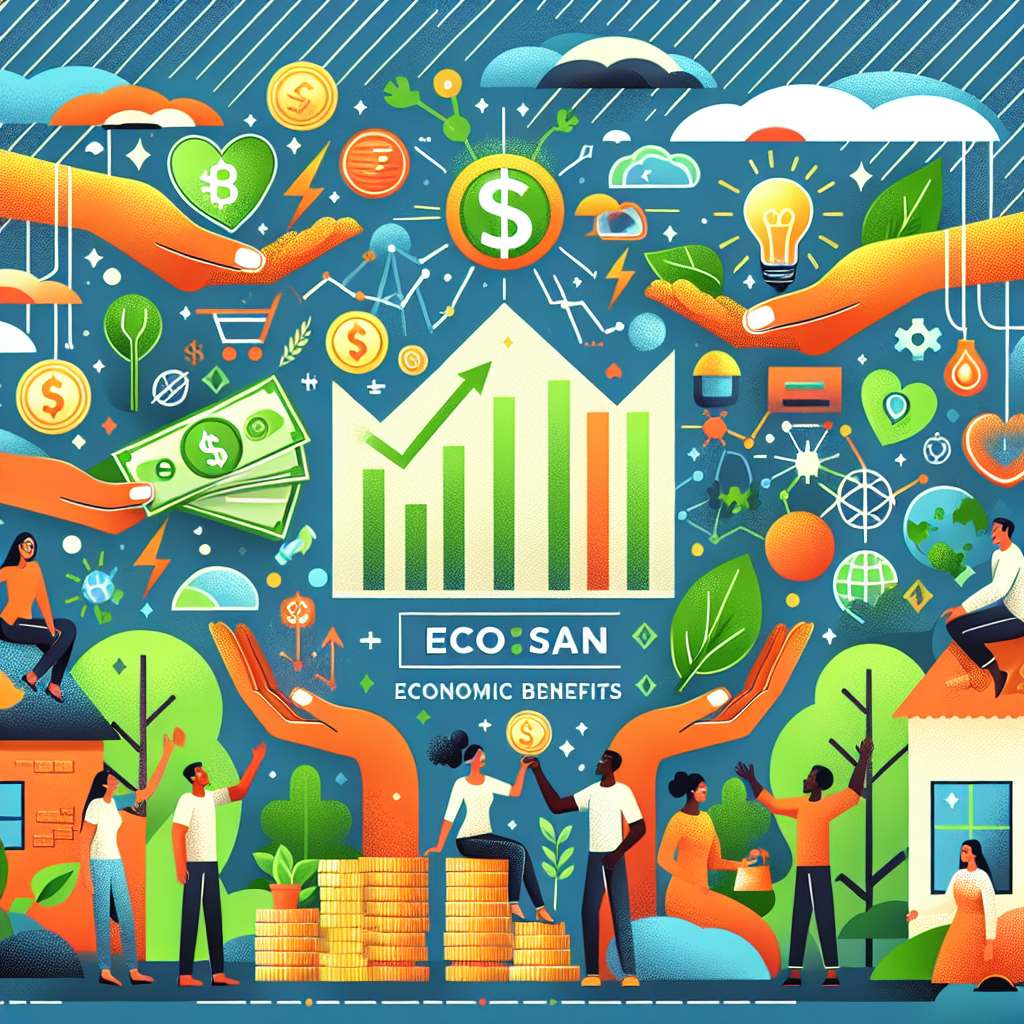
While EcoSan offers numerous benefits, there are also challenges that need to be addressed to ensure successful implementation. One of the primary obstacles is the initial cost of installing EcoSan systems, which can be higher than conventional sanitation infrastructure. However, the long-term savings in water usage, waste treatment, and resource recovery can offset these initial costs.
Public acceptance and behavioral change are also critical factors. Educating communities about the benefits of EcoSan and encouraging the adoption of new practices can be challenging, particularly in areas with strong cultural taboos around human waste. Comprehensive education and outreach programs are essential to overcome these barriers and promote the acceptance of EcoSan.
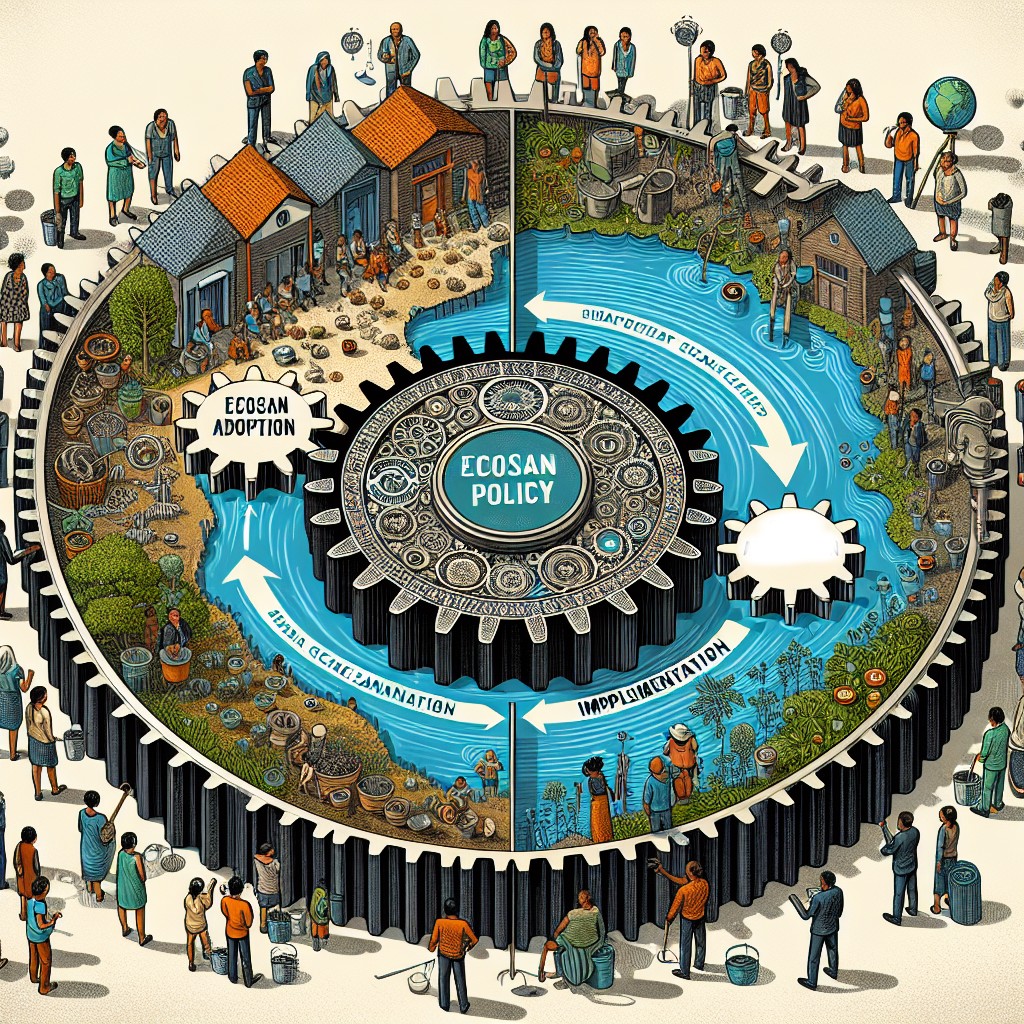
Regulatory frameworks and policies also play a crucial role in the success of EcoSan initiatives. Governments need to develop and implement supportive policies that encourage the adoption of EcoSan technologies, provide funding for research and development, and ensure that systems meet safety and performance standards.
The Future of EcoSan in Urban Spaces
As the world continues to urbanize, the need for sustainable and efficient sanitation solutions will only grow. EcoSan offers a promising alternative to conventional systems, with the potential to transform urban waste management and contribute to global sustainability goals. Advances in technology and growing awareness of environmental issues are likely to drive further innovation in EcoSan design and implementation.
The integration of digital technologies into EcoSan systems, such as IoT sensors for monitoring and managing waste treatment processes, could further enhance the efficiency and effectiveness of these systems. Additionally, the development of new materials and treatments for waste could improve the safety and performance of EcoSan technologies.
Collaboration between governments, private sector companies, and communities will be essential to drive the widespread adoption of EcoSan. By working together, stakeholders can develop and implement solutions that are tailored to the specific needs and conditions of urban areas, ensuring that EcoSan systems are both effective and sustainable.
Conclusion
EcoSan represents a paradigm shift in the way we think about sanitation. By viewing human waste as a resource rather than a problem, EcoSan offers a sustainable and efficient solution to the challenges of urban sanitation. Innovative designs, such as decentralized units, bio-digesters, and green roofs, have demonstrated the feasibility and benefits of EcoSan in urban environments.
Successful case studies from around the world illustrate the potential of EcoSan to improve public health, reduce environmental impact, and contribute to resource conservation. However, the successful implementation of EcoSan requires overcoming challenges related to costs, public acceptance, and regulatory frameworks.
The future of EcoSan in urban spaces is bright, with ongoing advancements in technology and growing awareness of sustainability issues driving further innovation. By embracing EcoSan principles and working collaboratively, we can create urban environments that are healthier, more sustainable, and more resilient. The journey towards sustainable urban sanitation is not without its challenges, but the potential rewards make it a pursuit well worth undertaking.