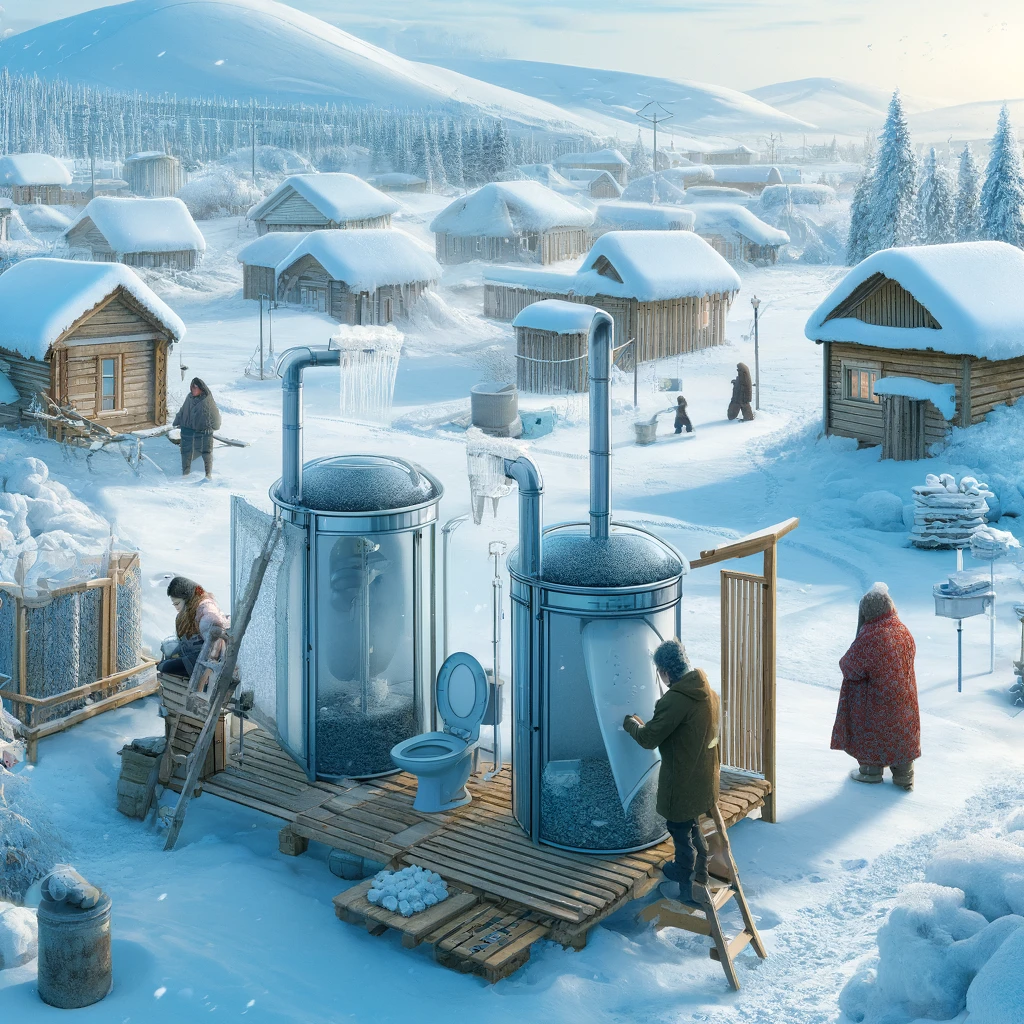
Introduction to Ecological Sanitation in Harsh Environments
When we think about ecological sanitation (EcoSan), the imagery that often comes to mind involves warm, temperate climates where composting toilets easily dry and decompose human waste, and constructed wetlands purify wastewater without the threat of freezing. However, EcoSan principles are not just for the warmer parts of the world; they are equally applicable and indeed crucial for cold climates, though they come with a unique set of challenges and considerations.Implementing EcoSan in cold regions requires a shift in traditional methods to accommodate the lower temperatures, shorter biodegradation periods, and potential for frost that can impede system efficiency and function. As we dive deeper into the specific needs and adaptations for EcoSan systems in these environments, it becomes clear that successful application relies on innovative design and thoughtful integration into local ecological and cultural landscapes.
Understanding the Challenges
Temperature Variations and Microbial Activity
One of the primary hurdles for EcoSan in colder climates is the reduced microbial activity in compost toilets due to low temperatures. Microorganisms that break down waste are less efficient when cold, leading to slower decomposition rates. This can result in the need for larger or more insulated composting units to maintain adequate temperatures for decomposition.
System Freezing
Another major concern is the freezing of components in EcoSan systems, such as urine diverting devices or pipes in waterless urinals. Freezing can cause blockages and damage to the system, interrupting its functionality. Special insulation practices and possibly even low-energy heating elements might be necessary to prevent freeze-ups.
Adapting EcoSan to Cold Climates
Insulation and Passive Solar Heating
To combat cold temperatures, significant insulation is essential. EcoSan units in cold climates often incorporate thick layers of insulation around the composting chambers. Additionally, leveraging passive solar heating can help raise the temperature of these units without the need for external energy inputs. Strategic placement of composting toilets to receive maximum sunlight during the day can naturally increase the internal temperature and aid the composting process.
Design Modifications
Beyond insulation and heating, design modifications to EcoSan systems can play a crucial role in maintaining their efficacy in cold climates. For instance, the use of double-walled tanks or compartments in composting toilets provides an extra layer of thermal protection. Similarly, underground or partially buried tanks take advantage of the earth’s insulating properties.
Innovative Approaches to EcoSan in Cold Climates
Adapting ecological sanitation systems to function effectively in cold climates not only involves addressing the physical constraints but also calls for innovative thinking and technology. As colder regions present unique challenges, engineers and environmental scientists have developed several creative strategies that allow EcoSan systems to thrive despite harsh conditions.
Integration of Advanced Materials
The use of advanced, sustainable materials plays a pivotal role in enhancing the insulation properties of EcoSan systems. Materials such as aerogels, which have low thermal conductivity, offer great promise for insulating pipes and composting tanks, reducing the risk of freezing without significant energy costs. Additionally, the development of bio-based insulating foams can align with the ecological principles of EcoSan by minimizing reliance on synthetic, non-biodegradable materials.
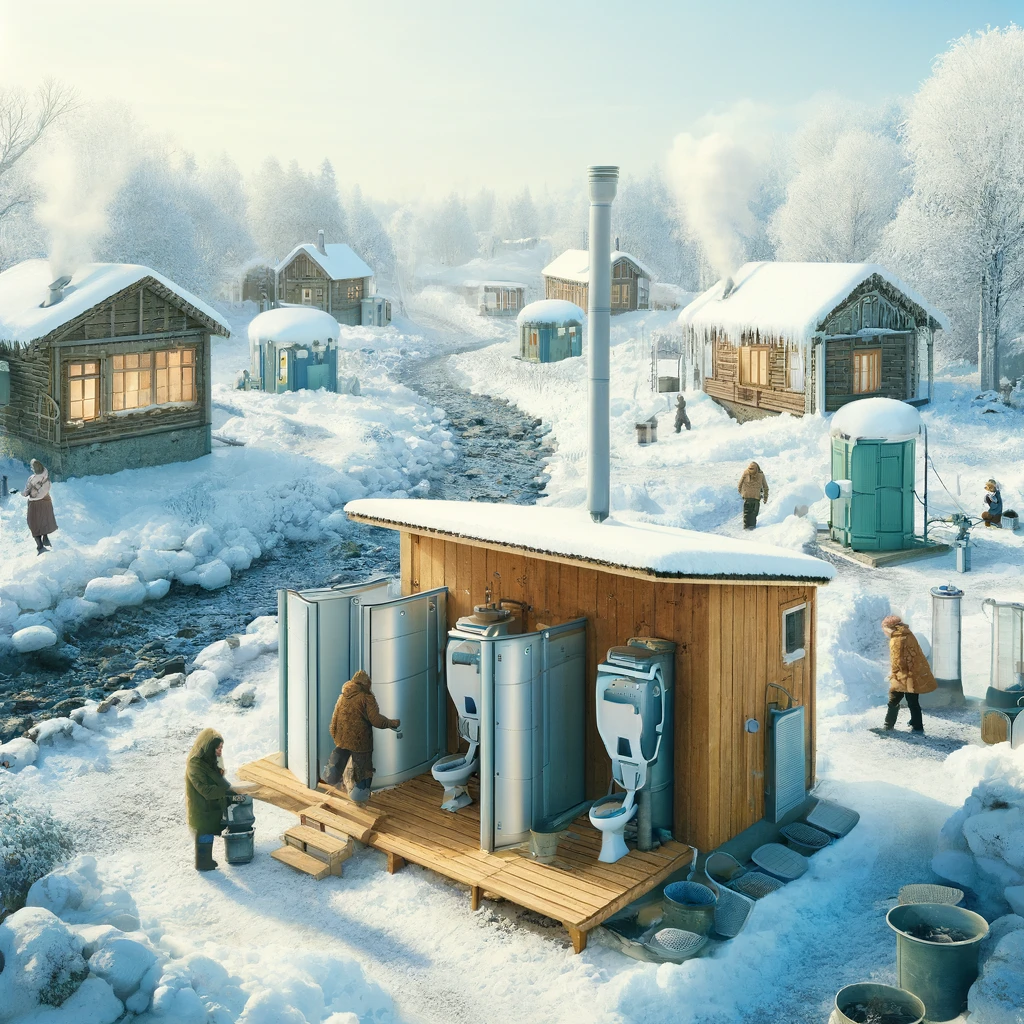
Smart Technology for Monitoring and Control
Incorporating smart technology into EcoSan systems offers another layer of protection against the cold. Sensors and automated systems can monitor temperature, humidity, and other critical factors in real time, allowing for adjustments to be made automatically. For example, small-scale, solar-powered heaters can be activated when temperatures drop to dangerously low levels, or ventilation can be increased during unusually warm winter days to aid in moisture control and temperature regulation.
Community-Based Custom Solutions
Recognizing that each cold region has its specific characteristics and needs, involving local communities in the design and maintenance of EcoSan systems ensures that these solutions are well adapted to local conditions. For instance, in areas with consistent snow cover, snow can be strategically piled around EcoSan units to serve as natural insulation. Engaging with local populations not only fosters acceptance and proper use of the technology but also promotes its integration into the community’s daily life and long-term sustainability practices.
Research and Education
Ongoing research is crucial to understand better how different EcoSan systems perform under various winter conditions. Establishing pilot projects in different cold regions can provide valuable data that can be used to refine and improve systems. Moreover, education plays a crucial role in this context; by increasing awareness of how EcoSan systems work and the benefits they offer, communities are more likely to take an active role in maintaining and optimizing their performance.As we move forward, the ingenuity and adaptability inherent in the design and implementation of EcoSan systems in cold climates continue to evolve. By leveraging a combination of advanced materials, smart technology, community involvement, and dedicated research, these sanitation solutions not only overcome the challenges posed by cold weather but also pave the way for sustainable living practices regardless of temperature. This ongoing innovation and adaptation ensure that EcoSan remains a relevant and effective choice for sustainable sanitation around the globe.
Enhancing Energy Efficiency with Heat Recovery Systems
To tackle the energy demands of keeping EcoSan systems operational during the coldest months, incorporating heat recovery technologies can be highly beneficial. Heat recovery systems utilize the heat generated from composting processes—a natural byproduct much like the heat generated by decomposing organic material in nature. This recovered heat can be used to warm up the EcoSan facilities, maintaining a steady internal temperature and preventing the system components from freezing. This approach not only helps in sustaining the necessary microbial activity within composting toilets but also cuts down on the external energy required for heating, aligning with the sustainability objectives of EcoSan projects. By integrating such systems, communities can achieve a higher level of energy independence while ensuring that their sanitation solutions remain functional even in unexpectedly severe winter conditions.
Conclusion
Incorporating heat recovery systems into EcoSan initiatives presents a pragmatic solution for boosting energy efficiency during colder seasons. By recycling the heat generated from the natural composting processes, these systems not only stabilize the internal environment of the EcoSan facilities, ensuring that they remain operational regardless of external temperatures, but they also significantly reduce the reliance on external heating sources. This adherence to energy efficiency supports the overarching goal of sustainability inherent in EcoSan projects and empowers communities with greater energy autonomy. Ultimately, the integration of heat recovery technologies not only secures the functionality of composting toilets in harsh winter conditions but also reinforces a community-focused approach to sustainable sanitation management.