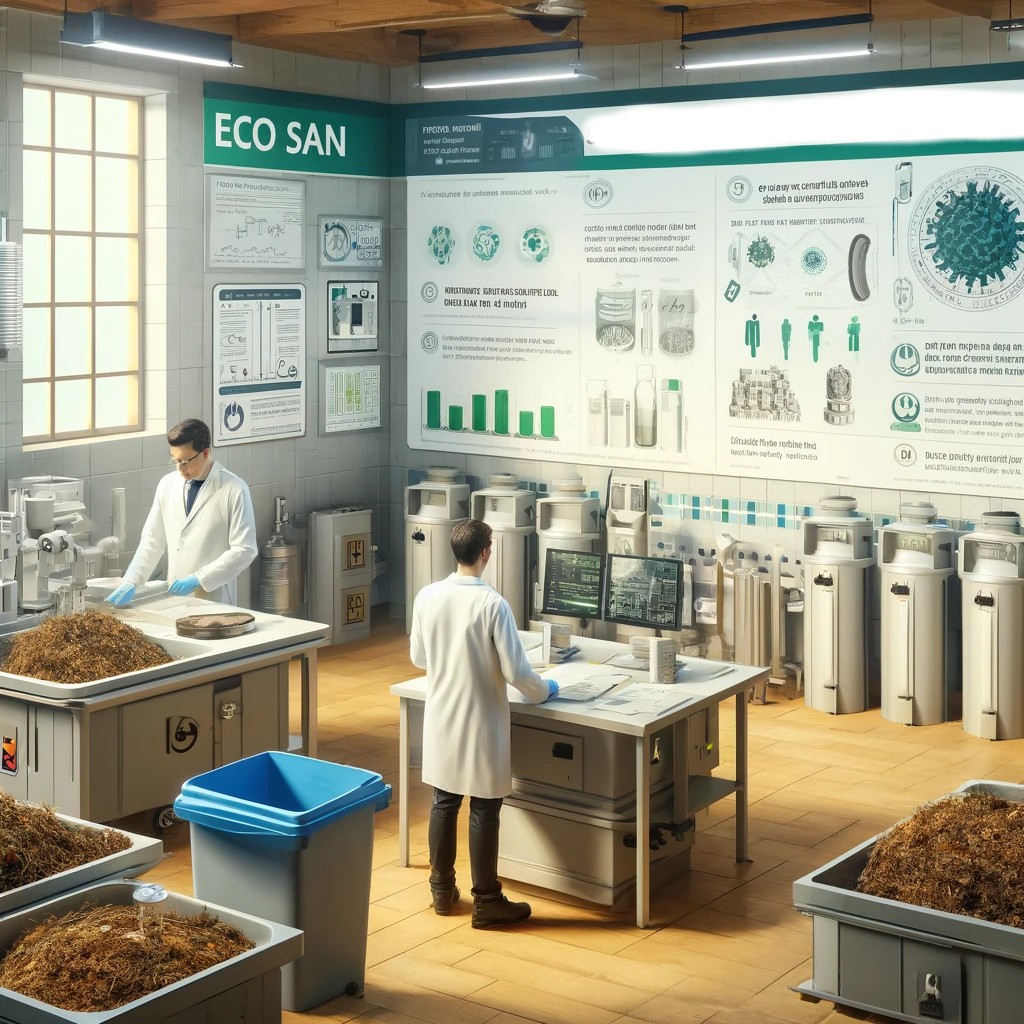
Unpacking the Concept of Ecological Sanitation
Ecological Sanitation, commonly referred to as EcoSan, represents a forward-thinking approach to managing waste and water resources in ways that maximize their utility while minimizing environmental harm. Unlike traditional sanitation systems that often channel human waste into rivers, lakes, or the sea—thus polluting the water and environment—EcoSan systems treat and recycle waste as a resource. This philosophy is not merely about installing different toilet systems; it’s about transforming the way communities perceive and manage waste.EcoSan transcends the boundaries of typical waste management by emphasizing sustainability, resource recovery, and the protection of the natural environment. It’s rooted in the principle that waste should be seen not as something to dispose of, but as a potential input for other processes that can benefit not only the environment but also society. These intricacies underscore why education in EcoSan is crucial for building community resilience and environmental consciousness.
The Importance of EcoSan Education in Community Settings
In many parts of the world, particularly in rural and underserved urban areas, the lack of adequate sanitation facilities is a major public health problem, contributing to water pollution and the transmission of diseases like cholera and dysentery. Educating communities about EcoSan provides them with the knowledge and tools to tackle these issues head-on, promoting healthier lifestyles and environmental stewardship.EcoSan education doesn’t just touch on the technical aspects of constructing and maintaining different types of EcoSan systems. It also encompasses a broader curriculum that includes water conservation, waste segregation, and the principles of recycling and composting. This holistic approach ensures that the knowledge imparted leads to sustainable practices that can be tailored to fit the local cultural, economic, and environmental contexts.
EcoSan Education as a Pillar for Sustainable Development
The push for EcoSan education aligns seamlessly with global sustainability goals, particularly those related to clean water and sanitation, sustainable cities, and responsible consumption and production. By integrating EcoSan into school curriculums, community workshops, and public awareness campaigns, we can nurture a generation that is eco-conscious and skilled in practical and sustainable waste management practices.Moreover, EcoSan systems can significantly reduce water usage, as they often employ dry toilets and other technologies that do not rely on flush water. This aspect makes EcoSan particularly beneficial for water-scarce regions, where every drop saved can mean a lot for the community’s resilience against droughts and water shortages.
Implementing EcoSan Education Programs
Rolling out effective EcoSan education requires careful planning and community involvement. Programs need to be designed with a clear understanding of local needs and conditions. This involves initial surveys and studies to tailor the educational content and teaching methods that are most likely to resonate with local populations.Community leaders and educators must be engaged from the onset, as their buy-in is crucial to the success of any EcoSan initiative. They serve as the bridge between EcoSan experts and the community, ensuring that the imparted knowledge is not only understood but also embraced and applied. This community-led approach not only fosters local ownership but also helps in adapting the solutions to better fit with local customs and practices.
The Role of Technology and Innovation in EcoSan Education
Advancements in technology and innovation play a pivotal role in enhancing the delivery and impact of EcoSan education. From virtual reality experiences that simulate the effects of sustainable sanitation on community health and local environments to apps that provide easy access to EcoSan learning resources, technology can make learning about EcoSan more engaging and accessible.Additionally, social media platforms offer a space for community interaction and the exchange of ideas and experiences related to EcoSan. These platforms can help extend the reach of EcoSan education, creating networks of knowledge and support that span beyond geographic limitations.
Challenges and Opportunities Ahead
While the path to universal adoption of EcoSan principles is fraught with challenges such as financial constraints, cultural resistance, and lack of infrastructure, the opportunities it presents for sustainable development and enhanced community resilience are immense. As we continue to explore and teach these innovative practices, we can look forward to not only healthier and cleaner communities but also a transformed relationship with our natural environment––one that treats it not as a waste sink, but as a valuable resource to be protected and nurtured.As these educational initiatives take root, communities around the world stand on the cusp of a sanitation revolution that promises not only to improve health and wellness but also to bolster the environmental resilience necessary to face a rapidly changing world.

EcoSan Education as a Pillar for Sustainable Development
The push for EcoSan education aligns seamlessly with global sustainability goals, particularly those related to clean water and sanitation, sustainable cities, and responsible consumption and production. By integrating EcoSan into school curriculums, community workshops, and public awareness campaigns, we can nurture a generation that is eco-conscious and skilled in practical and sustainable waste management practices.Moreover, EcoSan systems can significantly reduce water usage, as they often employ dry toilets and other technologies that do not rely on flush water. This aspect makes EcoSan particularly beneficial for water-scarce regions, where every drop saved can mean a lot for the community’s resilience against droughts and water shortages.
Leveraging Local Knowledge to Propel EcoSan Implementation
Integrating EcoSan into local communities can be maximized by embracing indigenous knowledge and practices that have long demonstrated sustainability principles. In many traditional societies, practices akin to the principles of EcoSan—like composting human and animal waste for agricultural use—are commonplace. By involving local leaders and practitioners in the design and implementation of EcoSan projects, programs can be tailored to respect and incorporate these existing practices, thereby enhancing communal engagement and acceptance.
Local craftsmen could also be trained to produce and maintain EcoSan systems using locally sourced materials, which would ensure affordability and stimulate local economies. These initiatives create job opportunities and promote a sense of ownership and responsibility towards maintaining sustainable waste management systems. Furthermore, when residents see tangible benefits, such as improvements in health and increased agricultural productivity from using composted waste, it directly reinforces the value of EcoSan systems and sustainability principles. Narratives of success from within the community can powerfully inspire wider adoption and promote a collective movement towards sustainability.
Conclusion
Embracing EcoSan by integrating local wisdom is not just a strategic approach but a sustainable one. When communities see that their cultural practices are valued and included in environmental solutions like EcoSan, they are more likely to take active ownership and participate enthusiastically. This not only leads to improved sustainability outcomes but also helps in preserving local knowledge and traditions that are environmentally friendly.
Training local craftsmen in the production and maintenance of EcoSan systems ensures that these initiatives are not only culturally relevant but also economically beneficial. This approach not only conserves the environment but also empowers local economies, creating a thriving marketplace for indigenous skills and materials. Furthermore, the increase in local job opportunities contributes significantly to community well-being and resilience.
The success stories that emerge from these community-based approaches serve as a strong testament to the viability and effectiveness of leveraging local knowledge in environmental initiatives. These narratives not only inspire neighboring communities but can also influence global strategies for sustainability. Thus, by fostering community involvement and integrating traditional practices, EcoSan projects can achieve widespread acceptance and success, paving the way for a sustainable and inclusive future in waste management.