Introduction to Ecological Sanitation and Composting
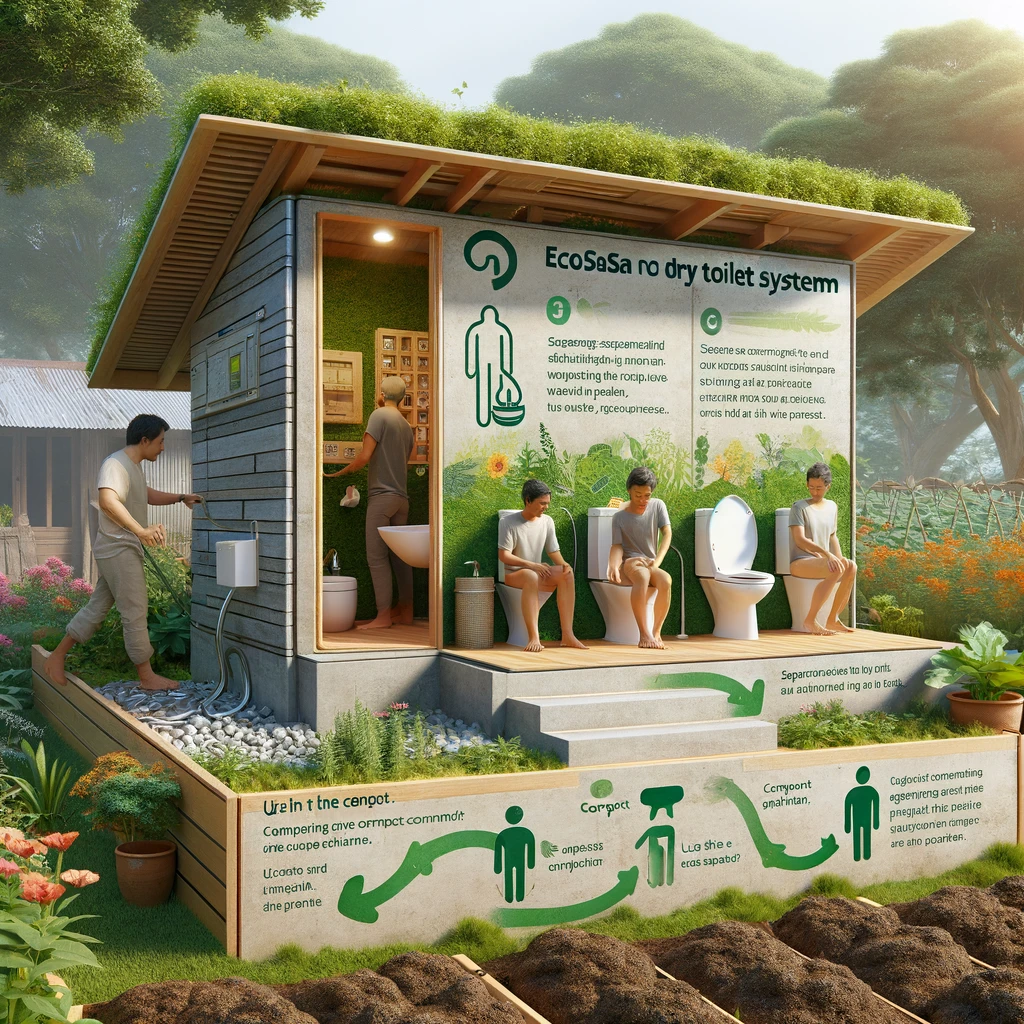
Ecological Sanitation (EcoSan) is a revolutionizing concept focused on the recycling of human excreta and household waste into resources like fertilizers rather than treating them solely as waste to be disposed of. This sustainable approach not only helps in reducing the environmental impact but also contributes to agricultural productivity. Among the various methodologies employed under EcoSan, advanced composting techniques play a pivotal role. These methodologies transform organic waste into valuable compost, thus completing nature’s cycle, while minimizing ecological footprints.
Understanding the Basics of Composting
Before diving into the more advanced aspects, it is essential to grasp the fundamentals of composting. Composting is a natural process of recycling decomposed organic materials into a rich soil known as compost. It involves the breakdown of organic matter by aerobic (oxygen-requiring) microorganisms that produce carbon dioxide, water, heat, and humus—the relatively stable organic end product. Efficient composting relies heavily on maintaining the right balance between the ‘greens’ and ‘browns’, where greens are nitrogen-rich materials like food scraps and lawn clippings, and browns refer to carbon-rich materials like dried leaves and branches.
High-Temperature Composting: Turning Up the Heat
One of the advanced techniques in composting under the EcoSan model is high-temperature composting, also known as thermophilic composting. This method accelerates the composting process, producing compost in a shorter timeframe compared to traditional methods. By maintaining temperatures between 55-65 degrees Celsius, high-temperature composting rapidly breaks down pathogens and harmful microorganisms, making the end product safer for use in agriculture. The key to this method lies in its ability to manage large volumes of organic waste quickly while ensuring pathogen die-off through sustained high temperatures. However, it requires careful monitoring of moisture, air, and carbon to nitrogen ratios to maintain the necessary microbial activity.
Vermicomposting: The Role of Worms
Vermicomposting is another advanced composting method where red worms and other decomposing organisms are used to enhance the process. In this approach, worms consume the organic waste materials, which pass through their digestive system and emerge as vermicompost. This type of compost is highly nutrient-rich and can significantly improve soil health and structure. The process not only helps in faster production of compost but is also extremely efficient in reducing waste volume. Vermicomposting is particularly effective for handling kitchen scraps and garden waste, and the resulting compost is perfect for organic farming applications.
Bokashi: Fermentation at Work
Moving beyond traditional composting, Bokashi is a Japanese method that employs fermentation to manage organic waste. The technique involves placing organic waste in a sealed container along with a Bokashi bran, which is a mixture of microorganisms that aid in the fermentation process. The absence of air in the process leads to anaerobic fermentation, which ferments the materials rather than decomposing them. The benefits of Bokashi are manifold; it is fast, space-efficient, and does not emit unpleasant odors. Furthermore, it can handle types of waste that normally cannot be composted, including meat and dairy products. Once the fermentation process is complete, the waste can be buried in soil to finish the decomposition process or can be added to a compost bin to integrate with other composting efforts.
Co-Composting: Integrating Different Waste Streams
Co-composting is an innovative and highly effective method within the sphere of EcoSan that integrates multiple types of organic waste streams into a single composting process. This technique capitalizes on the synergy between different forms of waste to enhance the decomposition process and create a more nutrient-rich compost. By combining agricultural waste, domestic food scraps, and sometimes even sewage sludge, co-composting amplifies the sustainability impacts of waste management. The strength of co-composting lies in its ability to balance varied waste components that may otherwise be treated separately. For instance, the nitrogen-rich food scraps combine well with carbon-rich agricultural residues, balancing the carbon-to-nitrogen ratio which is crucial for effective composting. Furthermore, the inclusion of sewage sludge, under regulated conditions, introduces beneficial microorganisms that accelerate the composting process and improve the final product’s quality.
Practical Implementation and Considerations
Implementing co-composting requires careful planning to ensure that the combination of different waste streams does not hinder the composting process. It is vital to monitor and manage the ratios of differing waste materials and ensure that conditions such as moisture content, temperature, and aeration are suitable for all combined materials. Another crucial consideration is the potential presence of contaminants, especially when dealing with waste streams such as sewage sludge. Rigorous testing and adherence to safety standards are imperative to ensure that the resulting compost is safe and beneficial for agricultural use.

The Advantages of Co-Composting
One of the core benefits of co-composting is its ability to reduce the volume of waste sent to landfills significantly. By diverting multiple waste streams into composting, we not only lessen landfill use but also cut down on greenhouse gas emissions, particularly methane, which is a potent byproduct of organic waste decomposition in landfills. Moreover, co-composting produces a compost that is rich in diverse nutrients, providing a more balanced soil amendment compared to compost produced from a single waste type. This diversified nutrient profile can be more beneficial to plant growth and soil health, resulting in more productive agricultural practices.
Environmental Impacts and Sustainability
Co-composting stands out as a stellar example of a circular economy model in waste management. It embodies the principle of reducing, reusing, and recycling waste in a manner that creates value from materials otherwise regarded as mere ‘waste.’ This not only conserves natural resources but also promotes a sustainable model of living that can be replicated in various contexts, from rural to urban settings. The integration of such advanced composting techniques as part of the EcoSan approach aligns closely with global sustainability goals. These methods offer scalable solutions to waste management challenges, contribute to environmental conservation, and support sustainable agricultural practices. By adopting these innovative composting techniques, communities and industries can take significant steps towards a more sustainable and resilient future.
Conclusion
Co-composting represents a transformative approach to managing organic waste, blending multiple waste streams into a cohesive and efficient composting mechanism that underscores the principles of environmental sustainability. By integrating agricultural residues, food scraps, and occasionally sewage sludge, this method not only optimizes waste management but also contributes significantly to soil health and reduces the environmental burdens associated with traditional disposal methods. The practice of co-composting not only aligns with the global goals aimed at fostering sustainable living environments but also introduces a practical and innovative solution to the challenges of waste segregation and landfill dependency. As more communities and entities recognize the myriad benefits of co-composting, it stands poised to become a cornerstone in the pursuit of a circular economy, where every waste element is viewed as a resource. Embracing such sustainable practices is crucial as we move towards creating more resilient and eco-friendly communities around the world.