

In today’s evolving world, addressing environmental issues and safeguarding resources like water are becoming more paramount. One of the innovative solutions gaining traction is Ecological Sanitation (EcoSan). However, the success of any EcoSan project isn’t just about cutting-edge technology or ample funding—it’s deeply rooted in community involvement. This article delves into the essence of community participation in EcoSan projects, discussing principles, engaging concepts, and best practices to ensure success.
Introduction: Understanding EcoSan Principles and Concepts
Ecological Sanitation, commonly known as EcoSan, is a holistic approach designed to address sanitation issues by minimizing the environmental impact and fostering resource recovery. The core idea is to close the nutrient loop, meaning human waste is transformed into valuable resources like fertilizers and biogas. While technological advancements are pivotal, the participation and engagement of the community ultimately dictate the longevity and success of these projects.
In many developing regions, conventional sanitation practices often prioritize waste disposal over treatment and resource recovery. EcoSan stands out by emphasizing sustainability and ecological balance, making it a high-impact solution in water-scarce and agriculture-dependent areas. But for EcoSan projects to thrive, community stakeholders must be active participants, understanding and embracing the principles and practices that make EcoSan unique.
Community participation in EcoSan projects isn’t just beneficial—it is essential. When community members are involved in the planning, decision-making, and implementation stages, projects are more likely to be accepted, sustained, and optimized. This sense of ownership ensures that the system is maintained, making it a viable long-term solution rather than just another short-term intervention. Let’s explore in detail how community involvement can turn EcoSan projects into enduring successes.
The Role of Education and Awareness in EcoSan
For any EcoSan project to be successful, it is imperative to initiate and sustain educational programs. Residents need to be well-informed about the principles of ecological sanitation, such as waste segregation, the recycling process, and the benefits of resource recovery. Conducting workshops, community meetings, and practical demonstrations can significantly enhance awareness and understanding.
Educational initiatives should also address common misconceptions and concerns. For instance, people may have reservations about using treated human waste as a fertilizer due to cultural or health-related apprehensions. By providing accurate information and evidence of successful implementations elsewhere, fears can be alleviated and acceptance increased.
Innovative educational techniques, like gamification, storytelling, and visual aids, can make the learning process engaging and impactful. Tailoring the content to fit the community’s specific context, including language, norms, and values, fosters a deeper connection and willingness to participate in EcoSan initiatives. When the community understands the ecological and economic benefits, they are more likely to embrace and advocate for EcoSan projects.
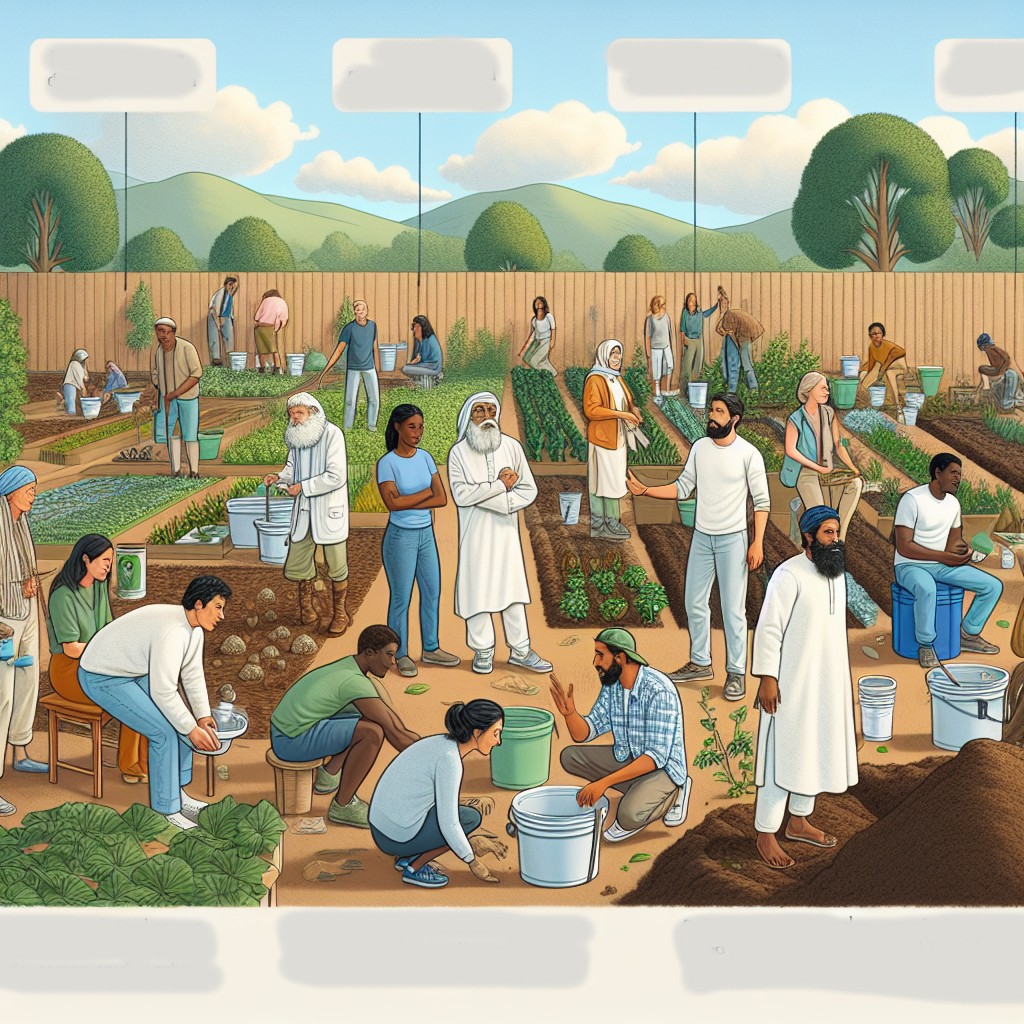
Local Leadership and Stakeholder Engagement
The engagement of local leaders and relevant stakeholders is crucial for EcoSan projects. They serve as influencers and role models who can garner trust and drive collective action. By involving local leaders—such as community heads, religious leaders, and school principals—from the outset, EcoSan initiatives gain validation and credibility.
These leaders can facilitate dialogue and mediate concerns, ensuring that the project aligns with the community’s values and needs. When stakeholders are part of the planning process, they can provide invaluable insights and local knowledge, which can be crucial for the project’s adaptation and success. Engaging these key figures fosters a collaborative environment where ideas and responsibilities are shared, leading to more holistic and inclusive solutions.
Moreover, stakeholder engagement aids in identifying potential champions within the community—individuals who are particularly enthusiastic about sanitation and environmental conservation. These champions can lead by example, motivate others, and ensure that the practices associated with EcoSan are adhered to diligently.
Community-Led Monitoring and Evaluation
One of the most effective ways to ensure the sustainability of EcoSan projects is through community-led monitoring and evaluation. By empowering the community to oversee the project’s progress, you cultivate a sense of ownership and accountability. Monitoring can include assessing the functionality of the sanitation facilities, tracking the use of byproducts like compost, and ensuring compliance with established guidelines.
Setting up community committees or task forces can facilitate regular inspection and reporting, ensuring that any issues are promptly addressed. Training sessions on monitoring techniques and the importance of data collection can further enhance the community’s capacity to manage the project independently.
Feedback mechanisms should also be put in place to give community members a voice and an opportunity to suggest improvements. Regular feedback loops create a dynamic system where the project evolves based on actual experiences and needs, reinforcing the community’s role as an integral part of EcoSan success.
Incorporating Cultural and Social Norms
Respecting and incorporating cultural and social norms is fundamental in any community-based project. Understanding the local context ensures that the EcoSan project progresses in a manner that is culturally sensitive and socially acceptable. This cultural insight can inform various aspects of the project, from the design of sanitation facilities to the way information is communicated and disseminated.
For instance, in some cultures, it may be taboo for men and women to use the same sanitation facilities. Recognizing such norms and designing gender-specific facilities can enhance participation and usage rates. Additionally, understanding local dietary practices can influence the nutrient composition of the waste, which in turn affects the recycling process and the eventual products like compost or biogas.
By engaging anthropologists or local cultural experts, you can gather valuable insights that guide the project’s alignment with the community’s way of life. This respectful integration not only fosters acceptance but also enhances the project’s effectiveness and sustainability.
Economic Incentives and Livelihood Opportunities
Offering economic incentives and livelihood opportunities can significantly enhance community participation in EcoSan projects. Resource recovery from sanitation systems can generate valuable products like compost, biogas, and even irrigation water. These byproducts can be marketed, creating an income stream for the community.
By setting up small-scale enterprises or cooperatives, communities can manage these byproducts collectively, ensuring fair distribution of profits. Training programs can equip residents with the skills needed to effectively manage these enterprises, from composting techniques to market strategies and business management.
This economic dimension not only makes EcoSan projects more attractive but also empowers the community through livelihood creation. When residents see clear financial benefits alongside the environmental and health advantages, their commitment to maintaining and expanding EcoSan systems grows stronger.
Conclusion: The Synergy of Community and EcoSan
EcoSan projects represent a paradigm shift in addressing sanitation issues by transforming waste into resources while promoting environmental stewardship. However, the success of these projects hinges on the active participation and sustained involvement of the community. By focusing on education, leadership engagement, community-led monitoring, cultural incorporation, and economic incentives, these projects can thrive and deliver lasting benefits.
Ultimately, the synergy between EcoSan principles and community participation paves the way for a more sustainable and resilient approach to sanitation. When communities are empowered, they become the custodians of change, ensuring that projects are not only implemented but also flourish in the long term. Through collaboration, respect, and shared responsibility, EcoSan can become a beacon of sustainable development, addressing both current needs and future challenges.
As EcoSan continues to evolve and adapt to diverse contexts, the lessons learned from successful community participation serve as guiding principles for future projects. By fostering an inclusive and participatory model, we can make significant strides towards a healthier, more sustainable future for all.


