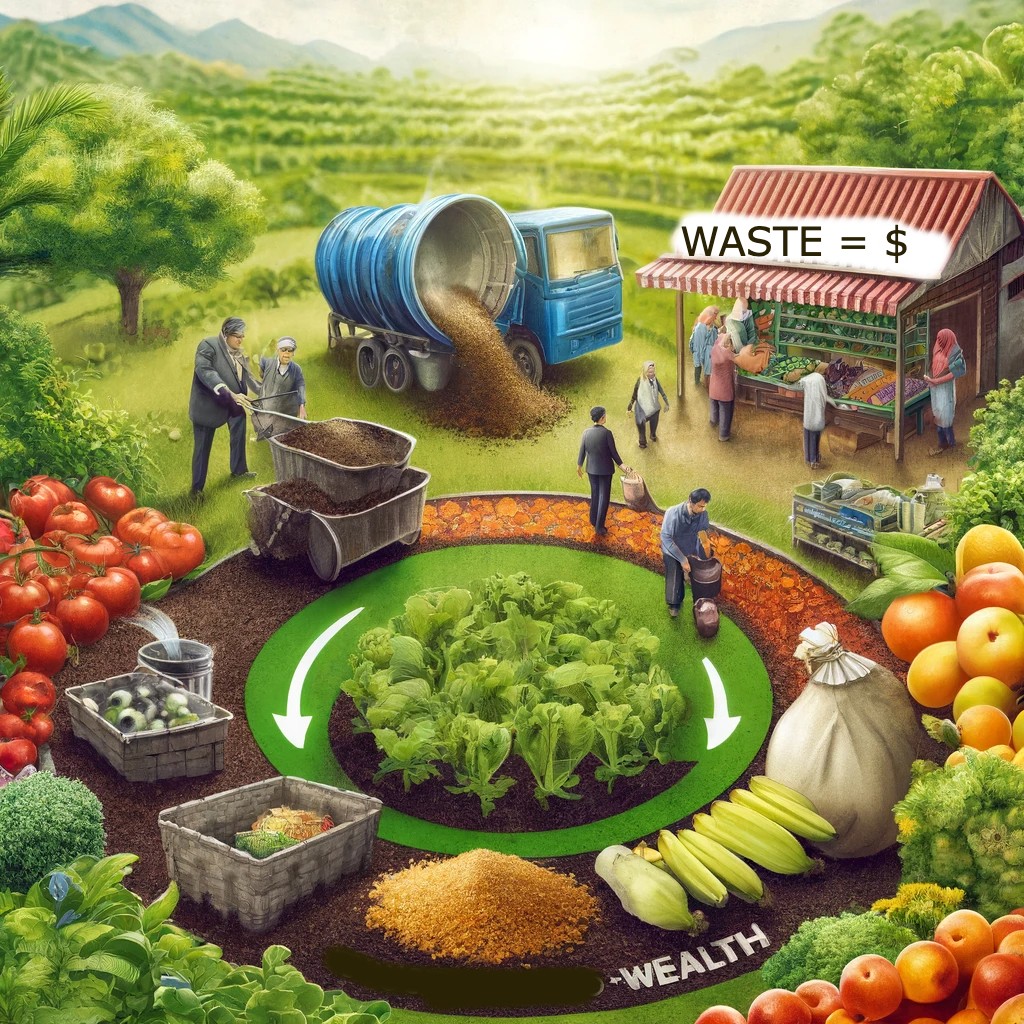
In today’s world, sustainability and resource management have become crucial focal points. While humans have made significant advancements in various sectors, waste management remains a pressing concern. This is where Ecological Sanitation (EcoSan) comes into play, introducing an innovative approach to turning waste into wealth. EcoSan, a concept rooted in recycling and resource recovery principles, emphasizes treating human waste as a valuable resource rather than as pollution. This article delves into EcoSan’s principles, its economic model, and the broader implications for communities globally.
Introduction to Ecological Sanitation (EcoSan)
Ecological Sanitation, commonly referred to as EcoSan, is a sustainable waste management practice that redefines how we perceive and handle human excreta. Traditional sanitation systems typically focus on waste removal and disposal, often leading to environmental pollution and resource wastage. In contrast, EcoSan promotes the safe processing and recycling of human waste, transforming it into valuable resources like fertilizers and biogas.
The underlying philosophy of EcoSan revolves around closing the nutrient loop. Human excreta contain essential nutrients such as nitrogen, phosphorus, and potassium, which are crucial for plant growth. By treating and recycling waste, EcoSan ensures that these nutrients are returned to the soil, enhancing soil fertility and promoting sustainable agriculture. This approach not only minimizes environmental pollution but also conserves water and reduces the dependency on chemical fertilizers.
As global populations grow and urbanization accelerates, the demand for effective and sustainable sanitation systems is more pressing than ever. EcoSan’s economic model demonstrates how waste can be converted into wealth, presenting numerous benefits for both urban and rural communities. Unlike conventional waste management practices, EcoSan systems are adaptable, cost-effective, and can be implemented in various settings, making them a viable solution for addressing global sanitation challenges.
Principles of EcoSan
The principles guiding EcoSan are rooted in ecological and economic sustainability. These principles aim to protect human health, conserve resources, and promote environmental sustainability. Here are the core principles of EcoSan:
- Sanitation and Hygiene: Ensuring that human excreta and household wastewater are safely managed to protect public health is a fundamental tenet of EcoSan.
- Resource Recovery: EcoSan aims to recover valuable resources, such as nutrients and organic matter, from human waste.
- Water Conservation: Reducing water usage in sanitation processes, primarily through dry or low-water systems, helps conserve this vital resource.
- Community Engagement: Involving local communities in planning, implementation, and maintenance ensures the success and sustainability of EcoSan systems.
- Environmentally Sound Management: EcoSan systems are designed to minimize pollution, land degradation, and greenhouse gas emissions.
By adhering to these principles, EcoSan provides a framework for developing holistic and sustainable sanitation solutions that align with environmental conservation goals.
The Economic Model of EcoSan
The economic model of EcoSan is centered around the concept of valuing human waste as a resource rather than a nuisance. Traditional waste management systems often incur high costs related to waste collection, transportation, treatment, and disposal. Conversely, EcoSan systems focus on resource recovery, which can generate economic benefits and reduce operational costs.
One of the primary economic advantages of EcoSan is the production of organic fertilizers. Treated human waste can be converted into nutrient-rich compost, which can be used to improve soil health and boost agricultural productivity. This reduces the reliance on chemical fertilizers, which are often expensive and environmentally harmful. For small-scale farmers in rural areas, this can lead to significant cost savings and improved crop yields.
Another economic benefit of EcoSan is the potential for biogas production. Anaerobic digestion of organic waste can produce biogas, a renewable energy source that can be used for cooking, heating, or electricity generation. This not only provides an affordable energy source for households but also reduces the demand for fossil fuels, contributing to energy security and climate change mitigation.
EcoSan systems can also create employment opportunities within communities. The construction, operation, and maintenance of EcoSan facilities require skilled labor, thereby generating jobs and stimulating local economies. Furthermore, by promoting local involvement and ownership, EcoSan fosters a sense of community and resilience.
Implementation Strategies
The successful implementation of EcoSan systems requires strategic planning and consideration of various factors, including local context, cultural practices, and available resources. Here are key strategies for implementing EcoSan:
- Community Education and Participation: Educating communities about the benefits of EcoSan and involving them in the planning and decision-making processes is vital. This ensures that systems are tailored to local needs and fosters a sense of ownership and responsibility.
- Policy and Regulatory Support: Governments and local authorities play a crucial role in supporting EcoSan through policies, regulations, and funding. Establishing clear guidelines and standards can facilitate the adoption of EcoSan practices.
- Technical Innovation: Leveraging technological advancements can enhance the efficiency and effectiveness of EcoSan systems. Innovations in waste treatment technologies, such as advanced composting methods and biogas digesters, can optimize resource recovery.
- Integration with Existing Systems: EcoSan can be integrated with existing infrastructure to maximize benefits. For instance, combining EcoSan with rainwater harvesting or greywater recycling can create comprehensive water management solutions.
- Monitoring and Evaluation: Regular monitoring and evaluation are essential to ensure the effectiveness and sustainability of EcoSan systems. This involves assessing performance, identifying challenges, and making necessary adjustments.
By adopting these strategies, communities can effectively implement EcoSan systems, transforming waste management into a sustainable and economically viable practice.
Case Studies: EcoSan in Action
Various communities around the world have successfully implemented EcoSan systems, showcasing the concept’s feasibility and benefits. Here are two illustrative case studies:
Case Study 1: Orangi Pilot Project, Karachi, Pakistan
In the low-income settlement of Orangi in Karachi, Pakistan, the Orangi Pilot Project (OPP) implemented an EcoSan system to address the area’s severe sanitation issues. By constructing dry toilets and composting systems, OPP enabled the community to safely manage waste and produce compost for agricultural use. This initiative improved public health, reduced environmental pollution, and provided a valuable resource for local farmers.
Case Study 2: Lindi District, Tanzania
In the Lindi District of Tanzania, an EcoSan project was introduced to enhance sanitation and promote sustainable agriculture. The project involved building urine-diverting dry toilets and facilitating the use of composted waste as fertilizer. As a result, agricultural productivity increased, and farmers experienced cost savings from reduced fertilizer purchases. The initiative also provided a model for other regions to follow.
These case studies highlight the transformative impact of EcoSan, demonstrating how communities can turn waste into wealth and achieve sustainable development goals.
Challenges and Solutions
While EcoSan offers numerous benefits, its implementation is not without challenges. Addressing these challenges is crucial for the success and sustainability of EcoSan systems. Some common challenges and potential solutions include:
- Cultural Acceptance: In some communities, there may be resistance to using human waste as a resource due to cultural or social norms. To overcome this, extensive community engagement and education are necessary to raise awareness and dispel misconceptions.
- Technical Complexity: EcoSan systems may require technical expertise for construction, operation, and maintenance. Providing training and capacity-building programs can equip local communities with the skills needed to manage EcoSan systems effectively.
- Financial Constraints: Initial costs for setting up EcoSan systems can be a barrier for some communities. Access to funding and financial support from governments, NGOs, or international organizations can help mitigate this issue.
- Policy and Regulatory Barriers: Lack of supportive policies and regulatory frameworks can hinder the adoption of EcoSan practices. Advocacy and collaboration with policymakers can help create an enabling environment for EcoSan implementation.
- Monitoring and Evaluation: Ensuring the long-term success of EcoSan systems requires regular monitoring and evaluation. Establishing robust monitoring mechanisms and involving stakeholders in the evaluation process can help identify issues and implement necessary improvements.
By addressing these challenges proactively, communities can harness the full potential of EcoSan and pave the way for sustainable sanitation solutions.
Conclusion
EcoSan represents a paradigm shift in how we approach sanitation and waste management. By treating human waste as a valuable resource, EcoSan offers a sustainable and economically viable solution to global sanitation challenges. The principles and economic model of EcoSan emphasize resource recovery, environmental conservation, and community engagement, making it a holistic approach to sanitation.
The benefits of EcoSan extend beyond environmental sustainability, providing economic advantages through resource recovery, job creation, and cost savings. Successful implementation of EcoSan systems requires strategic planning, community participation, policy support, and technological innovation. Real-world case studies demonstrate the transformative impact of EcoSan, highlighting its potential to improve public health, enhance agricultural productivity, and promote sustainable development.
Despite challenges, the adoption of EcoSan holds the promise of a cleaner, healthier, and more sustainable future. By embracing the principles of EcoSan, communities worldwide can turn waste into wealth and contribute to a circular economy that values resources and minimizes waste. As we move forward, EcoSan stands as a beacon of innovation, showing us that sustainable sanitation is not only achievable but also economically rewarding.