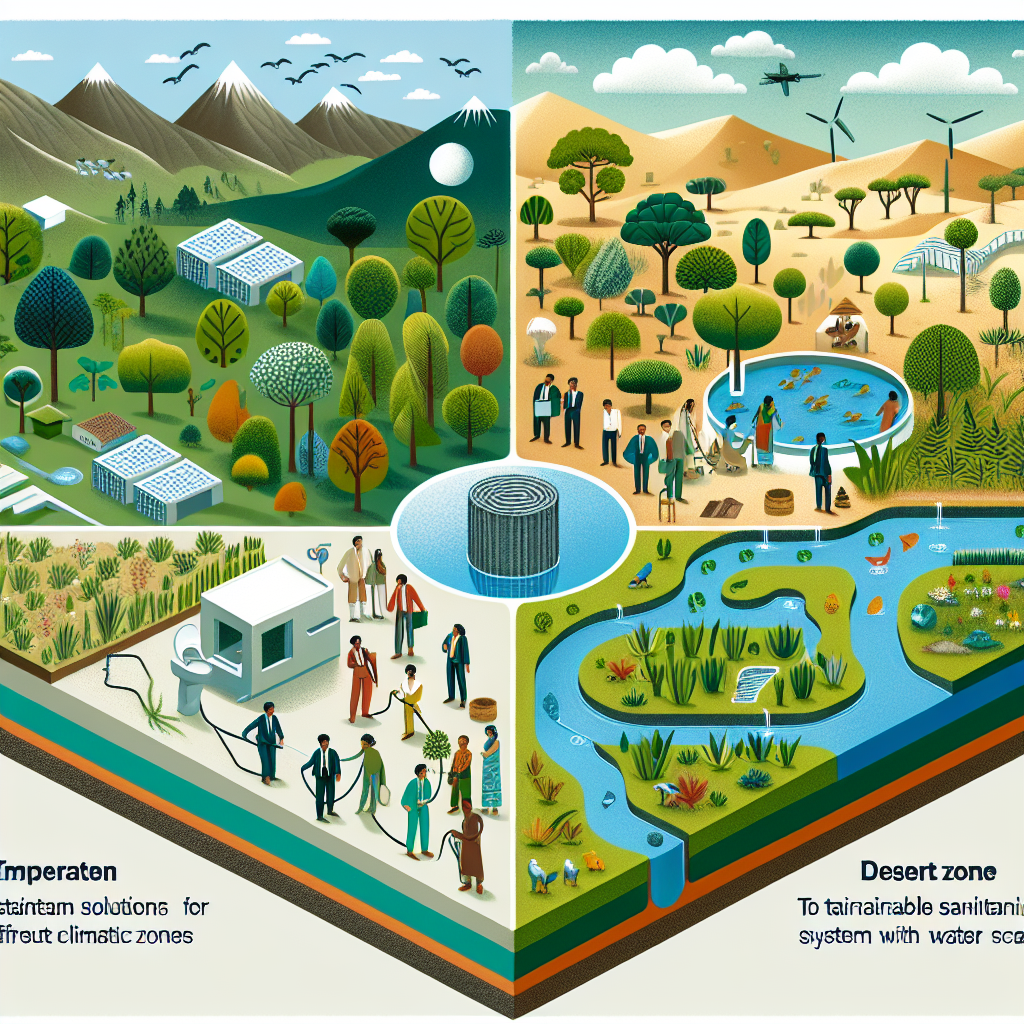
Ecological sanitation, commonly known as EcoSan, is an innovative approach that integrates human waste management with environmental protection and resource recovery. The primary principle of EcoSan is to close the loop between sanitation and agriculture, transforming human waste into valuable resources such as fertilizer and soil conditioner. While the benefits of EcoSan systems are widely recognized, it is crucial to consider the specific needs and challenges faced by women and girls. Gender-sensitive EcoSan solutions can significantly enhance the well-being, safety, and dignity of women and girls, particularly in developing regions where sanitation infrastructure is often lacking or inadequate.
In many parts of the world, women and girls bear the brunt of inadequate sanitation facilities. They face a higher risk of health issues, personal safety concerns, and social stigma associated with poor sanitation. Traditional sanitation solutions often fail to address the unique requirements of women and girls, leading to significant hygiene challenges and even educational disparities. Therefore, adopting gender-responsive EcoSan practices is essential for promoting gender equality and empowering women and girls through improved sanitation.
This article delves into the principles and concepts of EcoSan with a particular focus on gender-specific needs. By understanding the intersection of EcoSan and gender, we can develop inclusive sanitation solutions that benefit everyone. We will explore how gender-sensitive EcoSan systems can improve health outcomes, ensure safety, and support the dignity of women and girls. Furthermore, we will highlight successful case studies and best practices that demonstrate the effectiveness of these approaches.
The Principles of EcoSan
At its core, EcoSan aims to treat human waste as a resource rather than a disposal problem. The approach is guided by several fundamental principles:
- Resource Recovery: EcoSan systems are designed to recover nutrients from human waste and convert them into valuable resources like compost and biogas. This not only mitigates environmental pollution but also supports agricultural productivity.
- Environmental Protection: By minimizing the contamination of water bodies and soils, EcoSan contributes to the preservation of ecosystems and water quality.
- Cost-Effectiveness: Implementing EcoSan solutions can be more affordable in the long run compared to traditional sanitation methods. The reduced need for water and chemical treatments further underscores its cost-efficiency.
- Health Improvement: Properly designed EcoSan systems reduce the risk of disease transmission by safely containing and treating pathogens found in human waste.
- Social Acceptability: Successful EcoSan programs consider the cultural and social context of the communities they serve, ensuring acceptance and active participation.
To achieve these principles, EcoSan systems employ various technologies and practices, including dry toilets, urine-diverting toilets, composting toilets, and biogas digesters. When designing and implementing EcoSan solutions, it is important to consider the unique challenges faced by women and girls to ensure that these systems are accessible, user-friendly, and inclusive.

Addressing Health and Hygiene
A significant aspect of EcoSan is its potential to improve health and hygiene outcomes, particularly for women and girls. In many low-income communities, inadequate sanitation facilities contribute to the spread of waterborne diseases, which disproportionately affect women and children. EcoSan systems, by safely treating and repurposing human waste, can substantially reduce these health risks.
Menstruation is a critical factor that must be considered in the design of EcoSan facilities. Women and girls require clean, private, and well-maintained sanitation facilities to manage their menstruation safely and with dignity. Lack of access to such facilities can lead to infections, school absenteeism, and even social exclusion. Gender-sensitive EcoSan designs accommodate menstrual hygiene management (MHM) by providing private disposal mechanisms, washing facilities, and access to water.
Furthermore, the safe disposal of menstrual waste is an environmental concern that EcoSan systems can address. By promoting compostable materials and integrating waste treatment processes, EcoSan offers a sustainable solution for menstrual waste management, reducing environmental pollution and enhancing community health.
Ultimately, EcoSan’s emphasis on health and hygiene translates into healthier communities, where women and girls can lead more productive and dignified lives free from the anxiety of sanitation-related issues.
Enhancing Safety and Privacy
One of the most pressing issues for women and girls in relation to sanitation is safety. Poorly designed or inadequately maintained sanitation facilities can expose women and girls to harassment, assault, and other forms of violence. EcoSan systems can incorporate features that enhance the safety and privacy of users, particularly in vulnerable communities.
For instance, the placement and construction of EcoSan toilets can be strategically planned to ensure they are located in safe, well-lit areas that offer privacy. Gender-sensitive designs also include locks and doors that provide security, as well as separate facilities for males and females to prevent gender-based harassment.
Community engagement is crucial in this regard. Involving women and girls in the planning and implementation process ensures that their specific safety concerns are addressed. This participatory approach not only increases the effectiveness of the sanitation solution but also empowers women by giving them a voice in the decision-making process.
By prioritizing safety and privacy, EcoSan systems can create a secure environment where women and girls feel comfortable using sanitation facilities, thereby promoting their overall well-being.
Supporting Education and Empowerment
The impact of sanitation on education is often overlooked but is critically important, especially for girls. Inadequate sanitation facilities at schools can impede attendance and educational attainment. Girls are more likely to miss school during their menstrual periods if there are no appropriate facilities to manage their hygiene. Consequently, this leads to a drop in academic performance and limits their future opportunities.
Implementing gender-friendly EcoSan systems in schools can have a transformative impact. Facilities that provide for menstrual hygiene management, such as private changing areas and access to clean water, enable girls to attend school regularly and participate fully in educational activities. This ensures that girls can reach their full academic potential without being hindered by sanitation barriers.
Beyond school settings, EcoSan systems can also serve as educational tools themselves. Integrating sanitation education into school curriculums raises awareness about health, hygiene, and environmental sustainability. Students, both male and female, learn the importance of proper waste management and become advocates for EcoSan principles in their communities.
Ultimately, education about EcoSan fosters a more informed and empowered community equipped to tackle sanitation challenges and advance gender equality.
Case Studies and Best Practices
Several successful initiatives around the world demonstrate the potential of EcoSan systems to address the unique needs of women and girls. These case studies highlight best practices that can be replicated in various contexts to achieve similar positive outcomes.
One notable example is the implementation of EcoSan toilets in rural Bangladesh. Through a project led by local and international NGOs, community members were engaged in the design and construction of EcoSan facilities that cater to both men’s and women’s needs. The inclusion of menstrual hygiene management components, such as designated disposal areas and water access, significantly improved the health and safety of women and girls.
Another case is from Uganda, where EcoSan systems were introduced in schools in partnership with government agencies and non-profit organizations. The project included comprehensive training for teachers and students on the use and maintenance of EcoSan toilets. This initiative not only improved sanitation but also enhanced student attendance and performance, especially for girls.
These case studies underscore the importance of a holistic approach that involves community participation, education, and tailored solutions to meet gender-specific needs. By learning from these examples, other regions can implement effective EcoSan systems that promote gender equality and empowerment.
Conclusion
Ecological sanitation presents a sustainable and effective approach to managing human waste while preserving the environment and recovering valuable resources. However, the success of EcoSan depends heavily on its ability to address the diverse needs of all users, particularly women and girls.
By considering gender-specific requirements in the design and implementation of EcoSan systems, we can ensure that these facilities provide not only effective sanitation but also enhance health, safety, and dignity. Gender-sensitive EcoSan solutions support menstrual hygiene management, improve safety and privacy, and promote educational opportunities for girls. Furthermore, involving women and girls in the planning and decision-making process empowers them and fosters community ownership and sustainability.
The case studies and best practices presented in this article illustrate that gender-responsive EcoSan systems are not only feasible but also highly beneficial. These examples show that when we prioritize the needs of women and girls, we create more inclusive and equitable sanitation solutions that benefit entire communities.
Moving forward, it is essential to continue advocating for and implementing EcoSan systems that address gender-specific needs. By doing so, we can create a healthier, safer, and more equitable world where everyone has access to sustainable and dignified sanitation.